Cafés in Panama Panama City
Geisha from Boquete, Best of Panama auction records, Café Durán and the coffee bars of Panama City's Casco Antiguo, plus how coffee is grown.
Photo: Harley Zapata, Pexels License
Panama grows little coffee. The 2024–25 harvest came to 168,852 quintales, about 7.66 million kg, 3.2% less than the year before, and 64% of it came from Chiriquí province.2 The agriculture ministry's coffee chain counts 7,506 producers on 17,229 ha, and its 2025 output of 148,143 quintales fell short of national consumption of about 243,000 quintales a year, so the country imports coffee.1
What it grows sells high. In 1996 a pound of Panamanian coffee fetched about 60 cents and cost about 50 cents to harvest.6 In August 2025 a 20 kg lot of washed Geisha from Hacienda La Esmeralda in Boquete, scored 98 points, sold at the Best of Panama auction for US$30,204 per kg, or US$13,705 per pound, to Julith Coffee of Dubai.3
Panama's café cities
From Portobelo to the slopes of Barú
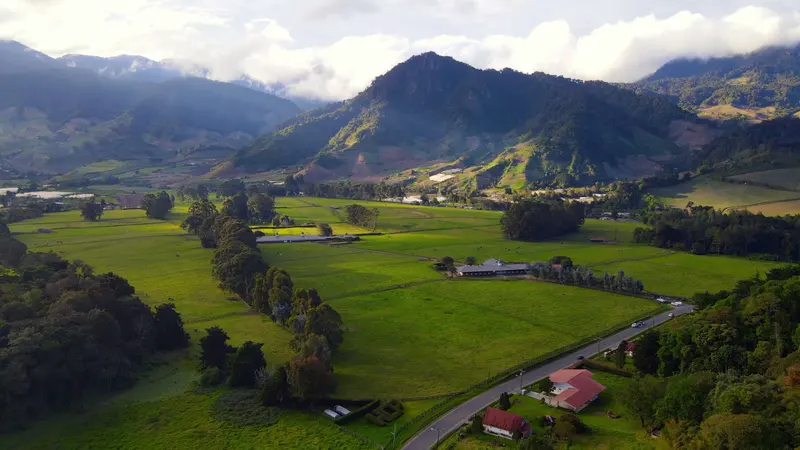
Coffee was first planted at Portobelo, on the Caribbean coast in Colón, between 1780 and 1790, and Boquete in Chiriquí became the turning point; it is also grown in the Canal watershed and in parts of Veraguas and Darién.1 In the highlands of Chiriquí, the province bordering Costa Rica, Geisha grows above 1,600 m on the slopes of Volcán Barú, and coffee is picked from December to April, mostly by Ngäbe-Buglé Indigenous workers.7
The Boquete district, created in 1911, lies 35 km north of David at 1,000–2,800 m.8 Its Festival del Café began in 1950; after the flood of April 9, 1970 it was suspended, and in 1973 it returned as the Feria de las Flores y del Café, held in the first weeks of January.8
How Geisha came to Boquete
The Geisha variety was collected in Ethiopia's coffee forests in the 1930s, passed through the Lyamungu research station in Tanzania and reached CATIE, the Central American research center, in 1953.4 CATIE distributed it across Panama in the 1960s for its tolerance of leaf rust, but its brittle branches kept farmers from planting much of it.4
The Peterson family bought Hacienda La Esmeralda in Palmira, Boquete, in 1967 and in 1997 added the Jaramillo farm on Barú's slopes, where Geisha trees had resisted rust; they planted more above 1,650 m, and in 2004 their Geisha won Best of Panama and set a record auction price.5 Geisha needs cool temperatures above 1,400 m and yields 500–1,000 pounds per hectare.6
The competition is run by the Specialty Coffee Association of Panama (SCAP). Its 30th edition, in 2026, drew 102 lots of 30 kg from 47 producers, split into washed Geisha, natural Geisha and other varieties; SCAP's president said heavy rain followed by drought had cut the specialty crop to about half its usual size.2
Café Durán and the Panamanian cup
Panama's best-known coffee brand began in a general store. Esteban Durán Amat, a Spanish immigrant who arrived in 1906, started roasting the green coffee people brought him at Gorgona, and Café Durán was founded on April 27, 1907; in 2008 it held 70% of the local market against more than 40 brands.9 When the Americans announced that the canal works would flood Gorgona, the family moved the business to Panama City, renting two wooden houses at Avenida Central and Calle 16.10
Panamanians drink less coffee than people assume, Esther Arjona told La Estrella in 2022; some take it only in the morning, and café culture made the cappuccino, latte and espresso familiar before filter methods followed.11 On the delivery app PedidosYa, coffee orders rose 33% in two years; cappuccino, latte and frappuccino lead, and orders peak on Saturdays at 09:00.1
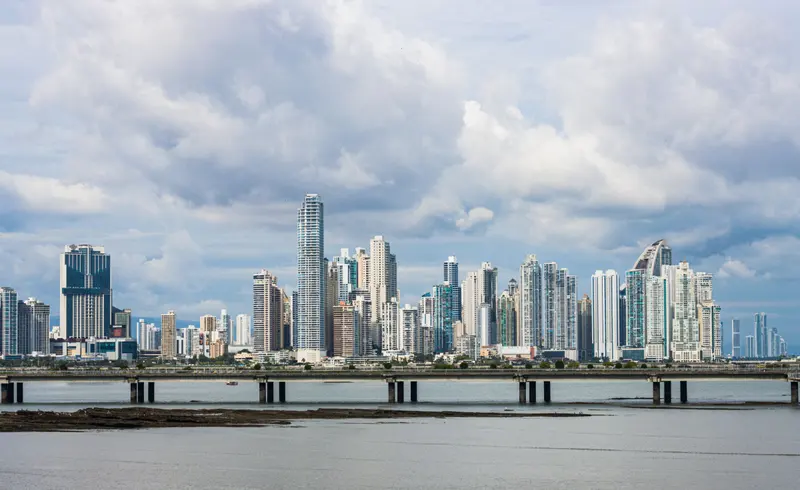
Panama City
In the Casco Antiguo, the colonial old town, Café Coca Cola, at Avenida Central and Calle 12, opened in 1875; it was called Nueve Puertas until 1906, when it took the name of the newly arrived soft drink, and coffee remains its best seller.13
Café Unido opened its first shop in 2014, founded by Benito Bermúdez and Mario Castrellón; at the time, Bermúdez said, many Panamanians were not used to specialty coffee, and most Panamanian specialty lots are exported to Asia and elsewhere.12 By 2022, Giancarlo Effio said, up to five specialty cafés were opening a year, against up to two before, and local drinkers favor Caturra, Catuaí, Pacamara and Bourbon.11
Sources
- Día Internacional del Café: Panamá celebra su aroma, consumo y un ritual que también se pide a domicilio, TVN Noticias (October 1, 2025, citing MIDA's Cadena Agroalimentaria del Café), accessed October 2026
- La producción en Panamá del café más caro del mundo es golpeada por el clima, mas no su calidad, La Prensa Panamá / EFE (July 15, 2026), accessed October 2026
- A Panama Gesha Broke Price Records (Again), Sprudge (August 12, 2025), accessed October 2026
- Geisha (Panama), World Coffee Research, Arabica Coffee Varieties catalog, accessed October 2026
- Our Story, Hacienda La Esmeralda, accessed October 2026
- El secreto del geisha panameño: la historia detrás del café más caro del mundo, La Prensa Panamá (December 8, 2025), accessed October 2026
- Café geisha: el ritual de tomar el exótico y carísimo lujo panameño, Estrategia y Negocios / AFP (February 1, 2020), accessed October 2026
- Distrito de Boquete, Wikipedia (Spanish), accessed October 2026
- Con aroma a éxito, La Estrella de Panamá (December 17, 2008), accessed October 2026
- Café Durán: cien años, entre sorbo y sorbo, Panamá América (June 9, 2007), accessed October 2026
- Cafés de especialidad en Panamá, una guía de la oferta y su historia, La Estrella de Panamá (Astrid Chang, January 13, 2022), accessed October 2026
- First Look: When It Comes To Panamanian Coffee, Leave It Up To Café Unido, DCist (December 21, 2022), accessed October 2026
- Café Coca Cola: el más antiguo de Panamá, La Estrella de Panamá (February 1, 2025), accessed October 2026
Cafés in Panama: questions
How much coffee does Panama produce?
Panama harvested 168,852 quintales of coffee, about 7.66 million kg, in 2024–25, with 64% from Chiriquí province. Its 7,506 producers farm 17,229 ha, and output in 2025 fell short of national consumption of about 243,000 quintales a year, so Panama imports coffee.
Why is Panama Geisha coffee so expensive?
Panama Geisha is a low-yielding variety from Ethiopia that needs cool slopes above 1,400 m, giving 500–1,000 pounds per hectare. Hacienda La Esmeralda in Boquete won Best of Panama with it in 2004, and in 2025 a washed Geisha lot from the same farm sold for US$30,204 per kg.
When is the coffee harvest in Boquete, Panama?
Panama's Chiriquí highlands, including Boquete, pick coffee from December to April, mostly by Ngäbe-Buglé Indigenous workers. Boquete's Feria de las Flores y del Café, which grew out of a coffee festival begun in 1950, is held in the first weeks of January.
Your café deserves better than a pin someone else dropped
Free listings are free for good. A featured page gives you photos, a menu and your own URL, in your café's own design, for less than a coffee a day.