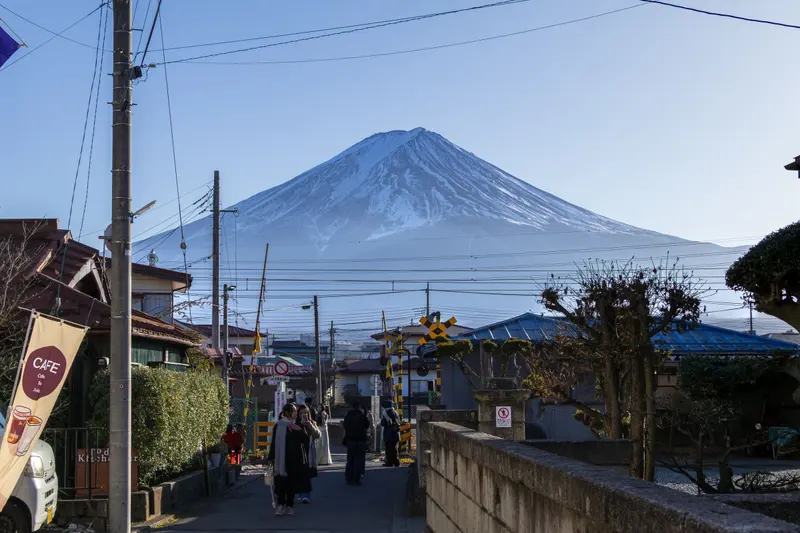
Cafés in Japan from Sapporo to Fukuoka
Tokyo's first coffee house, Kyoto kissaten, Osaka's reikō, Kobe's bakeries, Sapporo dark roasts, Fukuoka roasters and Nagoya morning sets.
Photo: Emiliano Lara, Pexels License
Japan drank 397,272 tonnes of coffee in 2025, according to the All Japan Coffee Association, 99.3% of the previous year's total.1 International Coffee Organization figures put it at about 6.6 million 60 kg bags that year, the fourth-largest total of any single country after the United States, Brazil and Germany.2
Almost all of it is imported. Green-coffee imports came to 359,382 tonnes in 2025 from 53 countries, and three supplied 76.4% of it: Brazil (146,619 tonnes), Vietnam (89,998) and Colombia (38,034).3 The average import price reached ¥1,010 per kilogram, against ¥677 in 2024 and ¥289 in 2020.3 The home-grown crop comes from a few farms such as those on Chichijima in the Ogasawara Islands, which grow enough for local drinkers and rarely reach wider sale.4
Japan's café cities
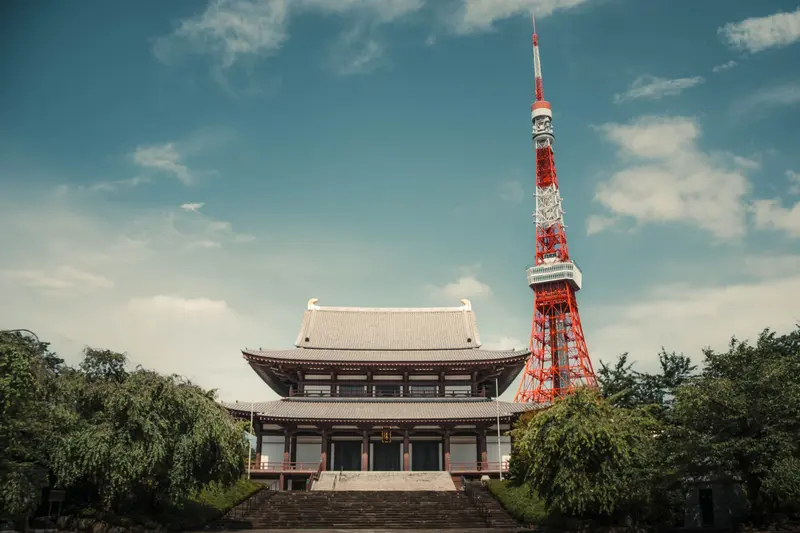
Tokyo
Kissaten in Jimbōchō, hand-drip counters and roasters in Kiyosumi and Shibuya. 5481 cafés.
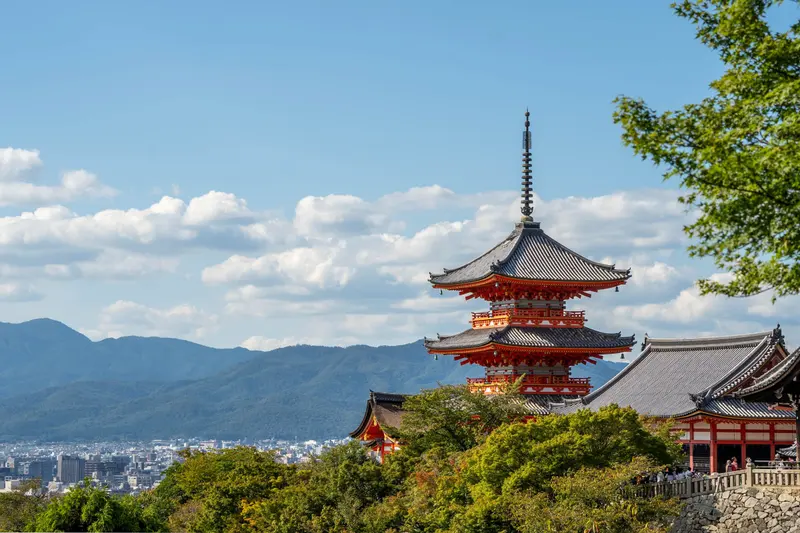
Kyoto
Machiya cafés, old kissaten and more coffee bought per home than any other big Japanese city. 1677 cafés.
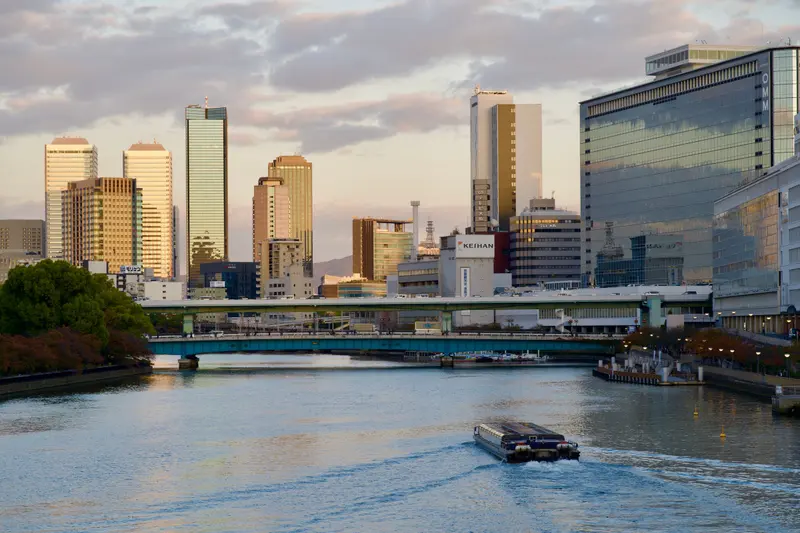
Osaka
Kissaten coffee houses with morning sets, and hand-drip bars in Nakazakichō. 2352 cafés.
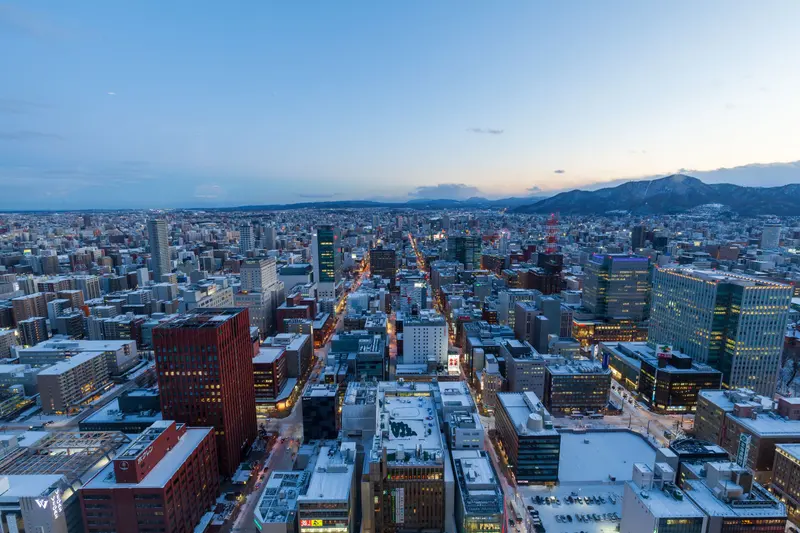
Sapporo
Deep-roast kissaten in old Maruyama houses, roasters by the TV Tower and late cups near Susukino. 603 cafés.
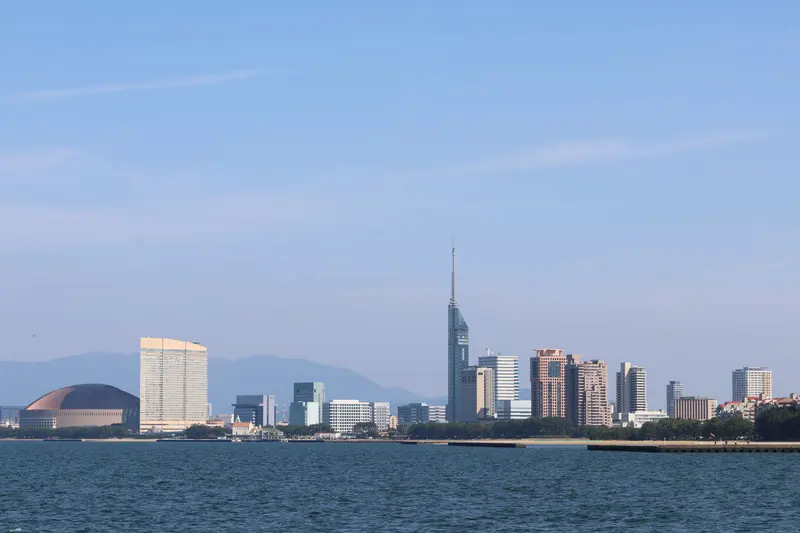
Fukuoka
Roasters around Yakuin, nel drip in Akasaka, lattes until midnight in Daimyō and a terrace on the Ōhori Park pond. 621 cafés.
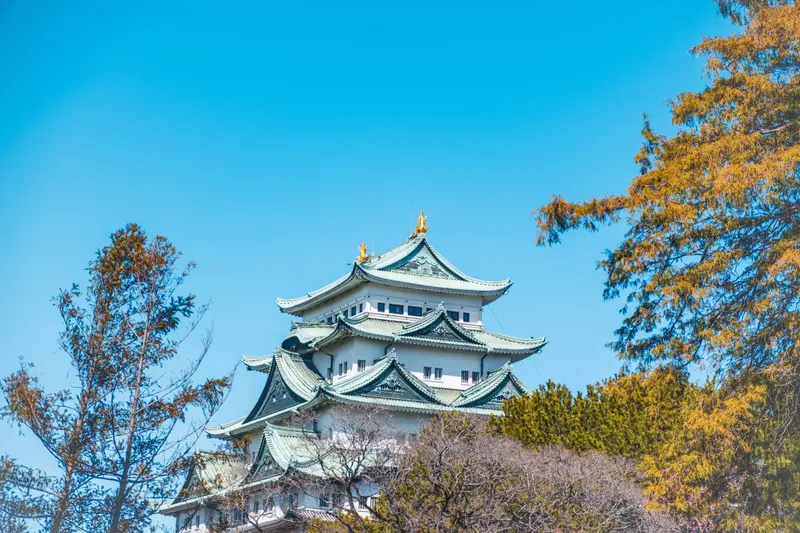
Nagoya
Morning-set kissaten where toast and an egg come with the coffee, from Sakae to Osu. 974 cafés.
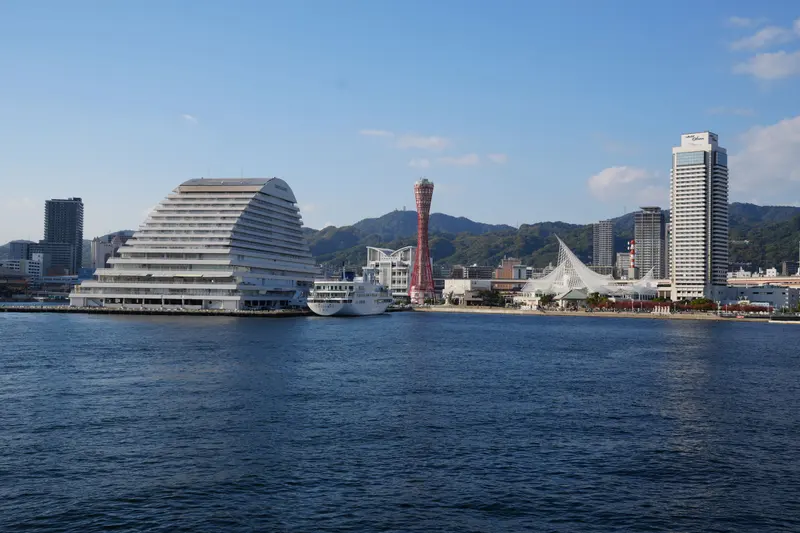
Kobe
Old kissaten in Motomachi, cafés in the Kitano foreign houses and bakeries in Sannomiya. 622 cafés.
From Dutch Nagasaki to the Ginza café
Coffee reached Japan with Dutch traders calling at Nagasaki; the writer Ōta Nanpo recorded being served it aboard a Dutch ship in 1804–05.5 In the port of Kobe, Hōkōdō (放香堂), a Motomachi merchant dealing mainly in Uji tea, began selling coffee in 1878, and that December it advertised in the Yomiuri Shimbun, offering it to drink in the shop or ground to take away.6 Kahiichakan (可否茶館), usually counted as the first coffee house proper, opened in Tokyo's Ueno district in 1888 as a cultural salon and closed soon after.5
Coffee went public in 1911. Café Printemps opened in March and Café Lion in August, and in December Mizuno Ryū, known for organizing Japanese emigration to Brazil, opened Café Paulista in Ginza with beans the São Paulo state government gave him free. A coffee and a doughnut cost 5 sen each.7
Demand stalled from about 1935 as war approached, and import controls outlasted the war. Green coffee was freed for import only in 1960, and instant coffee in 1961.5
Kissaten and jun-kissa
The kissaten (喫茶店, a tea-and-coffee house) spread after the 1923 Great Kantō Earthquake, often in rented, rebuilt storefronts. Tokyo's city yearbook counted 55 right after the quake and 671 by 1928.8
Owners who wanted distance from the cafés of the day, known for waitress service and alcohol, called theirs jun-kissa (純喫茶, "pure kissa"). The Brasileiro chain advertised that it had dropped alcohol entirely.8 Nationwide, kissaten peaked at 154,630 in 1981; by 2021 there were 58,669.9
Cans, konbini cups and regular coffee
A large share of Japan's coffee comes in a can. UCC's Coffee with Milk, launched in 1969, was the first commercially successful canned coffee, and from 1973 Pokka sold cans through vending machines that dispensed them hot or cold.10 In 2017 the country had roughly one vending machine for every 23 people.10
The konbini (コンビニ, convenience store) joined in January 2013, when Seven-Eleven began selling Seven Café cups from self-serve machines. It sold 450 million cups in the first year and passed 1.1 billion in fiscal 2018.11 Between fiscal 2012 and 2018, regular (brewed, not instant) coffee rose from 3.2 to 3.69 cups per person per week.11
Tokyo, Kyoto, Osaka, Kobe, Sapporo, Fukuoka and Nagoya
Tokyo is where the Japanese coffee house began, and where its newest chapter opened. Blue Bottle chose Kiyosumi, an older part of the city, for its first shop outside the United States in February 2015. Its founder, James Freeman, cited the old kissaten, small dim rooms with a barista behind a wooden counter, as his inspiration.12
Kyoto keeps its prewar rooms. François opened in 1934 near Shijō as a meikyoku kissa (名曲喫茶, a café for classical records), and in 2003 it was registered as a national Tangible Cultural Property.13 Inoda Coffee still brews by nel drip, through flannel, as it has since it opened, and has served its coffee with milk and sugar already added since its early days.14
Osaka had Café Paulista's first branch, in Minō, opened in June 1911, six months before Ginza, though it soon closed. The Dōtonbori branch followed in January 1912.7 Osaka and western Japan ordered iced coffee as reikō (冷コー), short for "cold coffee". The word has mostly faded, but in 2025 a café near Tsūtenkaku still advertised it on a poster by the door.15
Kobe keeps its kissaten close to its bakeries. Nishimura Coffee opened in 1948 as a three-table shop on Hunter Slope (ハンター坂) in Kitano and in 1974 opened what it calls Japan's first members-only kissaten; it brews its blend with Miyamizu, the Nada sake district's spring water.16 The city's first bakeries, run by British and French owners, opened in the foreign settlement in 1869, and in 2023–2025 Kobe households outspent every other prefectural capital and major city on bread, at ¥41,967 a year.17
Sapporo roasts dark. Its kissaten began roasting their own beans in the 1970s, and the style they set was fukairi (深煎り, a deep roast); many of those early shops still trade, which Gotō Eijirō of Marumi Coffee, writing for the city's tourism site, calls rare for Japan.18 In the 2020 household survey Sapporo households spent more on coffee than those of any other major city, ¥8,691 a year against a national ¥6,988.18
Fukuoka's specialty bars gather near Yakuin subway station, which The Way to Coffee calls the city's coffee hub, although the general public still leans toward dark roasts.19 Manu Coffee is counted among the first of that wave, Coffee County opened in 2016 after its owner spent time on Nicaraguan coffee farms, and Iwase Yoshikazu, a Fukuoka barista, won the Japan Barista Championship in 2015.19
Nagoya is known for what arrives with the cup. Mōningu (モーニング, the morning service), toast or an egg served at no charge with a morning drink, is famous in the Nagoya region for portions and extras well beyond other parts of Japan. Its birthplace is disputed: one account puts it around 1950 in Ichinomiya, an Aichi textile town, where cafés added peanuts or a boiled egg for traders meeting early, and Toyohashi and Hiroshima have claims of their own.20
The habit shows in the household survey. In 2023–2025, Nagoya households of two or more averaged ¥16,431 a year in coffee-shop bills, top among prefectural capitals and major cities and about 60% above the national ¥10,261.21
Sources
- 統計資料(2025年の日本のコーヒー消費量), All Japan Coffee Association (全日本コーヒー協会), accessed October 2026
- 世界の国別消費量(ICO統計資料 2026年9月), All Japan Coffee Association / International Coffee Organization, accessed October 2026
- 日本のコーヒー生豆の国別輸入量・単価(2025年確々報), All Japan Coffee Association, from Ministry of Finance trade statistics (March 2026), accessed October 2026
- COFFEE & TRAVEL 小笠原 父島 希少な国産コーヒーの故郷へ, SKYWARD+ / JAL (March 8, 2020), accessed October 2026
- コーヒー, Kotobank (日本大百科全書, 世界大百科事典), accessed October 2026
- KOBEの本棚 第86号(神戸と珈琲:放香堂), Kobe City Central Library (July 20, 2017), accessed October 2026
- 第2章 「カフェー」と呼ばれた喫茶店, National Diet Library, 本の万華鏡 第39回, accessed October 2026
- 第3章 喫茶店の広まり ~純喫茶の登場~, National Diet Library, 本の万華鏡 第39回, accessed October 2026
- 「スタバにいる自分」に酔えるからではない…(窪田順生), PRESIDENT Online (April 7, 2025), accessed October 2026
- Was canned coffee invented in Japan?, Perfect Daily Grind (February 13, 2023), accessed October 2026
- コンビニコーヒー飲む人が超激増した根本原因, Toyo Keizai Online (April 21, 2020), accessed October 2026
- Oakland coffee chain brews long queues in Tokyo, Associated Press via KTVU (May 25, 2015), accessed October 2026
- フランソア喫茶室, GOOD LUCK TRIP, accessed October 2026
- イノダコーヒのこだわり, Inoda Coffee, accessed October 2026
- 「レイコー2つ!」大阪の喫茶店で今も息づいていた“アイスコーヒーをレイコーと呼ぶ文化”, Money Post Web (November 11, 2025), accessed October 2026
- 神戸にしむら珈琲ストーリー, Kobe Nishimura Coffee (にしむら珈琲店), accessed October 2026
- 神戸のパン, City of Kobe (updated October 26, 2026), accessed October 2026
- コーヒー文化が薫る街、札幌, ようこそさっぽろ, Sapporo official tourism site (feature supervised by Gotō Eijirō, Marumi Coffee), accessed October 2026
- Fukuoka, The Way to Coffee (updated January 23, 2026), accessed October 2026
- モーニングサービス, Wikipedia (Japanese), accessed October 2026
- 家計調査(二人以上の世帯)品目別都道府県庁所在市及び政令指定都市ランキング 2023年~2025年平均(外食), Statistics Bureau of Japan, accessed October 2026
Guides
Bringing coffee home: customs, carry-on and freshness
Roasted vs green coffee at US, EU, UK, Australian, NZ and Japanese customs, carry-on powder rules, roast dates, and what to buy in Vietnam or Ethiopia.
Coffee travelCafé opening hours around the world
When cafés open and close: 06:00 coffee in Vietnam, Italian bars shut by 20:00, Melbourne cafés done by 15:00, Sundays in Berlin, Ramadan in Dubai.
How to orderCafé etiquette around the world
Tipping in cafés from Tokyo to Lima, counter and table prices in Italy and Lisbon, paying at the till, Vietnam's free trà đá and indoor smoking rules.
Cafés in Japan: questions
How much coffee does Japan drink, and where does it come from?
Japan drank 397,272 tonnes of coffee in 2025, the fourth-largest total of any single country after the United States, Brazil and Germany. Almost all of it is imported: green-coffee imports came to 359,382 tonnes from 53 countries, and Brazil, Vietnam and Colombia together supplied 76.4%. Only a few small farms, such as those on Chichijima in the Ogasawara Islands, grow coffee in Japan.
What is a kissaten in Japan?
A kissaten is a Japanese coffee house. Kahiichakan, usually counted as the first, opened in Tokyo's Ueno district in 1888. Kissaten spread after the 1923 Great Kantō Earthquake, and those that served no alcohol called themselves jun-kissa, or "pure kissa". Their number in Japan peaked at 154,630 in 1981 and had fallen to 58,669 by 2021.
When did canned coffee start in Japan?
UCC's Coffee with Milk, launched in Japan in 1969, was the first commercially successful canned coffee. From 1973 Pokka sold canned coffee through vending machines that dispensed it hot or cold, and by 2017 Japan had roughly one vending machine for every 23 people. Seven-Eleven added self-serve Seven Café cups in January 2013.
Your café deserves better than a pin someone else dropped
Free listings are free for good. A featured page gives you photos, a menu and your own URL, in your café's own design, for less than a coffee a day.