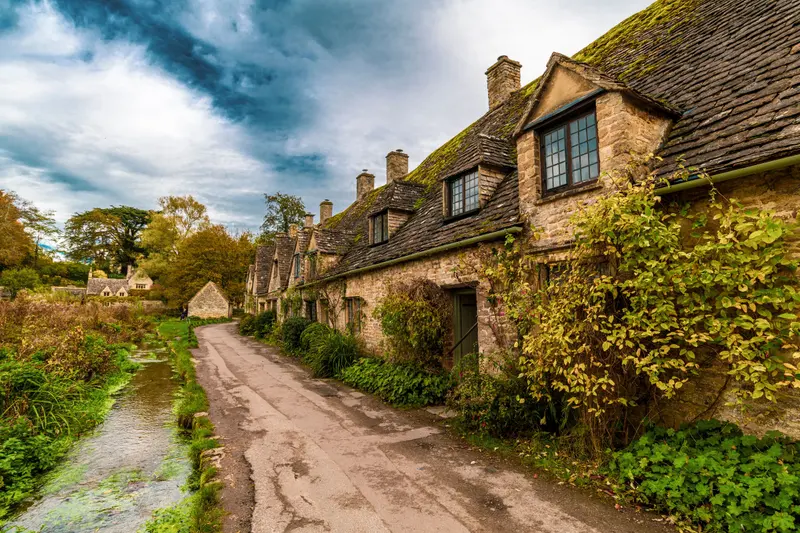
Cafés in the United Kingdom London and Edinburgh
Oxford's first coffee houses, Glasgow's tearooms, Welsh Bracchi cafés, and where to drink coffee in London and Edinburgh.
Photo: Samuel Sweet, Pexels License
Britain drinks about 103 million cups of coffee a day, some 5 million more than in 2018, according to 2026 research by the Centre for Economics and Business Research for the British Coffee Association.1 Two in three adults drink coffee every day, and 29% have three cups or more.1 Tea runs close behind at roughly 100 million cups a day, and 97.5% of it is brewed from a bag.2
None of it is grown in Britain. The United Kingdom bought 165,000 tonnes of green coffee in 2025, up from 154,000 tonnes in 2024, led by Brazil (50,000 tonnes), Vietnam (32,000) and Colombia (15,000).3 Instant keeps a firm hold: imports of soluble coffee more than doubled from 14,000 tonnes in 2021 to 29,800 in 2025, and 80% of households buy it.3
Coffee shops passed 11,000 in 2025. The largest chains are Costa Coffee with 2,671 stores, the bakery chain Greggs with 2,610 and Starbucks with 1,354.3
Oxford, the penny universities and a royal ban
England's coffee houses began in Oxford. Jacob, a Jewish entrepreneur, is usually credited with the first, at the Angel inn in 1650, though the historian Markman Ellis doubts the early date.4 Queen's Lane Coffee House, opened in 1654 by Cirques Jobson, a Levantine Jew from Syria, is described as the oldest coffee house in Europe still serving; it has been at its present site since 1970.5
A penny bought a cup of coffee, the newspapers and the conversation, which earned coffee houses the name penny universities.46 Not everyone approved: The Women's Petition Against Coffee of 1674 claimed the drink left men impotent.4 By 1675 England had more than 3,000 coffee houses, and that year Charles II issued a proclamation to suppress them as places where "Idle and disaffected persons" met.7 The public outcry got it withdrawn.6
Glasgow: Camp Coffee and the Willow Tearooms
Glasgow's first coffee house opened in 1673, when Colonel Walter Whiteford set one up on the corner of Trongate and Saltmarket.8 Two centuries later the city bottled its own coffee. Camp Coffee, made in Glasgow by Paterson & Sons since the late 19th century, is a syrup of sugar and water with 25% chicory extract and 4% dried coffee extract.9
Its label shows a seated Gordon Highlander and a Sikh soldier under the motto Ready Aye Ready; a mid-century redesign removed the tray the Sikh carried, and since 2006 he sits beside the Highlander with a cup and saucer of his own.9
The city's best-known tearoom opened in October 1903, when Kate Cranston launched the Willow Tearooms at 217 Sauchiehall Street, with interiors by Charles Rennie Mackintosh and his wife Margaret Macdonald.10 Its first-floor Room de Luxe was the main draw. The building was bought in 2014 to prevent a forced sale, restored over four years, and reopened as working tearooms in July 2018.10
Bracchis: Italian cafés in the Welsh valleys
From the 1890s, emigrants from the Apennines, many of them from the town of Bardi, opened cafés, ice cream parlors and fish and chip shops across Wales.11 Giacomo Bracchi, who reached London in 1881 as an organ grinder and moved to Wales by way of Newport, gave his name to the lot: Bracchis served coffee throughout the south Wales valleys.12 His arrival coincided with the temperance movement, and Italians opened temperance bars at the time.12
Wales had more than 300 Italian cafés before the Second World War, and eleven are still run by the same families.11 The original Caffe Sidoli in Ebbw Vale, from the ice cream business Benedetto Sidoli of Bardi founded in the early 20th century, still serves ice cream, Italian coffee and snacks.12
London and Edinburgh
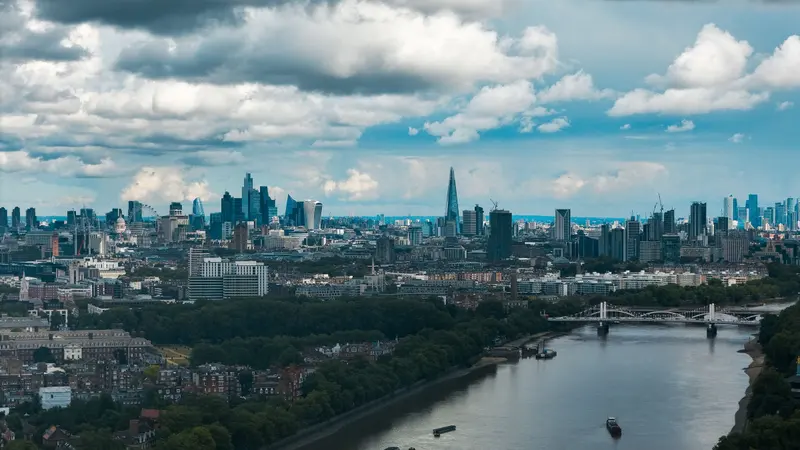
London is where the country's largest coffee chain began. Bruno and Sergio Costa, whose family had moved from Parma in the 1950s, opened a roastery on Fenchurch Street in 1971 to supply caterers, and their first shop followed in 1981 on Vauxhall Bridge Road.13 Whitbread bought the business in 1995, and Coca-Cola completed its purchase in January 2019 for $4.9 billion.13
The city is also home to the International Coffee Organization, set up under the United Nations after the 1962 International Coffee Agreement and founded in London in 1963.14 Its headquarters are at 222 Gray's Inn Road.14
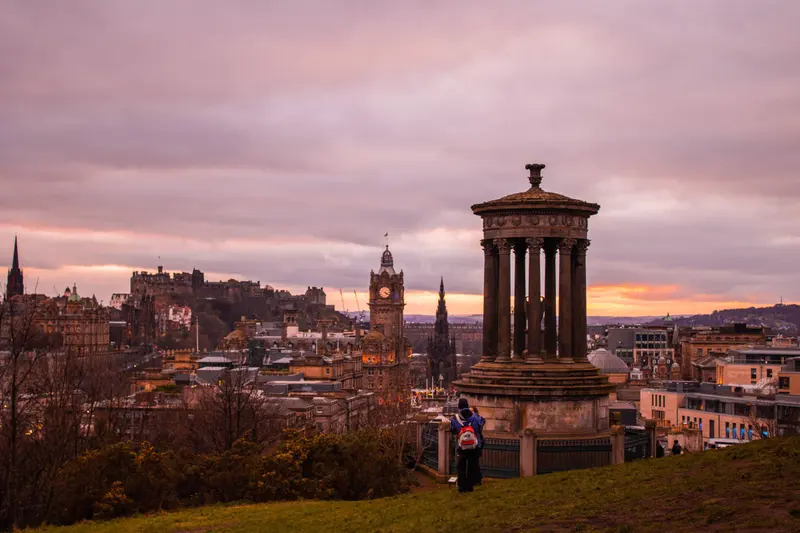
Edinburgh's first coffee house opened in 1673, run by John Row in a tenement called Robertson's Land on the west side of what is now Parliament Square. Within four years it was shut, because the Scottish Privy Council suspected its customers of subversive talk.8
The beans reached Edinburgh by way of London or the port of Leith, imported by merchants of the British and Dutch East India companies. The city's coffee houses became places of business, where auctions sold everything from furniture and houses to ships, horses and bank shares.8
Sources
- Coffee consumption, British Coffee Association (citing CEBR research, 2026), accessed October 2026
- Tea FAQs, UK Tea & Infusions Association, accessed October 2026
- The UK market potential for coffee (updated 26 August 2026), CBI (Centre for the Promotion of Imports from developing countries), accessed October 2026
- English coffeehouses in the 17th and 18th centuries, Wikipedia, accessed October 2026
- Queen's Lane Coffee House, Wikipedia, accessed October 2026
- English Coffeehouses, Penny Universities, Historic UK, accessed October 2026
- Coffeehouse, Wikipedia, accessed October 2026
- Edinburgh's Pantry: tea and coffee (Lindsay Middleton, 12 August 2021), National Trust for Scotland, accessed October 2026
- Camp Coffee, Wikipedia, accessed October 2026
- Willow Tearooms, Wikipedia, accessed October 2026
- Welsh Italians, Wikipedia, accessed October 2026
- Wales and Italy, Wales.com (Welsh Government), accessed October 2026
- Costa Coffee, Wikipedia, accessed October 2026
- International Coffee Organization, Wikipedia, accessed October 2026
Cafés in the United Kingdom: questions
How much coffee do people drink in the United Kingdom?
About 103 million cups a day, some 5 million more than in 2018, according to 2026 research for the British Coffee Association. Two in three UK adults drink coffee every day. Tea runs close behind at roughly 100 million cups a day, and 80% of households buy instant coffee.
What is a Bracchi café in Wales?
A Bracchi is an Italian café in the south Wales valleys, named after Giacomo Bracchi, who reached London in 1881 as an organ grinder and later moved to Wales. From the 1890s emigrants from Bardi and the Apennines opened cafés across Wales; more than 300 existed before the Second World War.
Where were the first coffee houses in England and Scotland?
England's first is usually placed at the Angel inn in Oxford in 1650, though the date is disputed, and Queen's Lane Coffee House in Oxford, opened in 1654, still serves. Scotland's first opened in 1673: John Row's in Edinburgh, off today's Parliament Square, and Colonel Walter Whiteford's on Glasgow's Trongate.
Your café deserves better than a pin someone else dropped
Free listings are free for good. A featured page gives you photos, a menu and your own URL, in your café's own design, for less than a coffee a day.