 By Yannick Schroth
How to order · 4 min read · October 2026
Café manners change at the border. Leaving nothing on the table is considered poor form in Mexico, while in Japan tipping in a café is not common at all.51 An Italian cappuccino and cornetto cost one price at the counter and up to 65% more at a table, and in Ho Chi Minh City a glass of iced tea comes with your coffee whether or not you asked for it.912
Most of it comes down to a few questions: whether to tip, where to drink, when to pay, whether you can light up and how long you can stay. The answers below go country by country, with each price given in local currency and the year it was reported.
Tipping in cafés, country by country
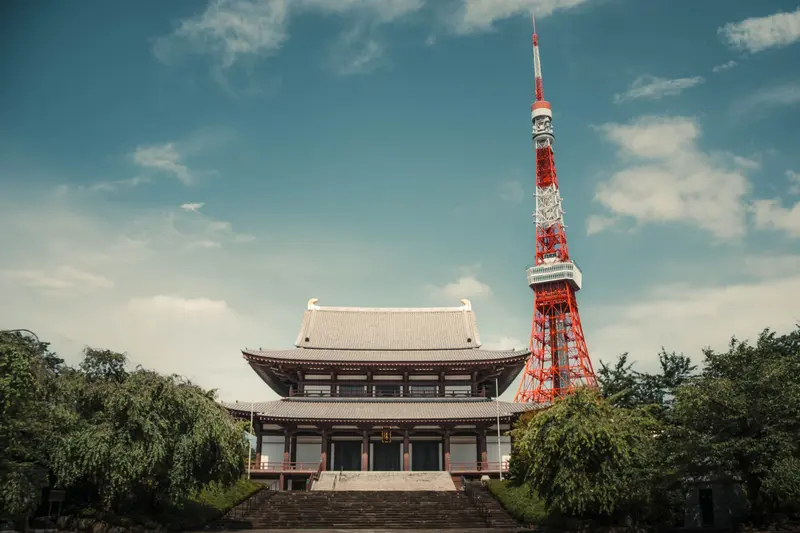
Japan sits at one end of the scale. The national tourism organization says tipping is not common in cafés, restaurants, bars, taxis or hotels. The exception is kokorozuke, a gratuity from the heart, which a private guide used to foreign visitors may accept; even then it should be discreet, in an envelope, and the small envelopes are sold at convenience stores and 100-yen shops.1
Vietnam is close to Japan in practice. Tipping is not customary at everyday quán, the small eateries serving rice, phở and bún bò. A Tuoi Tre News columnist wrote in 2024 that he generally does not tip at cafés, though he sometimes lets young staff keep ₫10,000–15,000 in change, and that any tip at an upmarket place should be kept quiet.2
Card terminals are changing habits in the Netherlands. Payment data from Adyen showed the share of Dutch bars and cafés with a tip menu on the terminal rising from 46% to 53% in 2026. When the option appears, 61% of customers choose no tip, and the 39% who do tip leave €4.31 on average. At one coffee counter, almost no card payers tipped until a tip request appeared on screen, after which more than 20% did.7
In Australia the case against tipping is usually made on wages. A February 2025 survey of 1,029 people found that 7% regularly tip at restaurants, down from 20% who said they always tipped in May 2021, and cited a minimum wage of more than A$24 an hour.4 Thailand works differently: many restaurants and hotels add a 10% service charge, and in 2023 the labour minister said that less than half of it reaches staff.3
Elsewhere the tip is optional, but habits differ. In Portugal the custom is to round up or leave the change, while in Peru 10% is the most common tip and in Mexico 10% to 15% is expected unless the service was bad.5 In Colombia a business may suggest up to 10%, but it must ask whether you want the tip added when you request the bill, and you can say no.6
| Country | Tipping in cafés and restaurants |
|---|---|
| Japan | Not common in cafés, restaurants, bars, taxis or hotels.1 |
| Vietnam | Not customary at everyday quán (eateries); a Tuoi Tre News columnist does not tip at cafés beyond letting staff keep ₫10,000–15,000 in change now and then (2024).2 |
| Thailand | A 10% service charge is often added in restaurants and hotels.3 |
| Australia | Not expected; 7% say they regularly tip at restaurants (2025).4 |
| Portugal | Optional; round up or leave the change.5 |
| Mexico | 10–15% is customary; leaving nothing is seen as poor form unless service was bad.5 |
| Colombia | A suggested tip of up to 10%, which staff must offer and you may refuse.6 |
| Peru | 10% is most common; 5–7% if service was weak.5 |
| Netherlands | Not expected; 61% pick no tip when a terminal offers one (2026).7 |
Percentages are of the bill. Figures from Gestión (2020), IamExpat (2026) and Finder (2025).574
Counter, table and terrace prices
In Italy, where you drink sets the price. Most cafés in Italian towns keep two price lists, one for al banco (at the counter) and one for al tavolo (at a table), and by law both should be clearly displayed. In smaller towns and the countryside there is often a single list, inside or out.10
The gap can be large. In a price survey published in February 2024, the consumer association Federconsumatori found that a cappuccino and cornetto served at a table can cost between 24% and 65% more than the same order taken at the counter.9
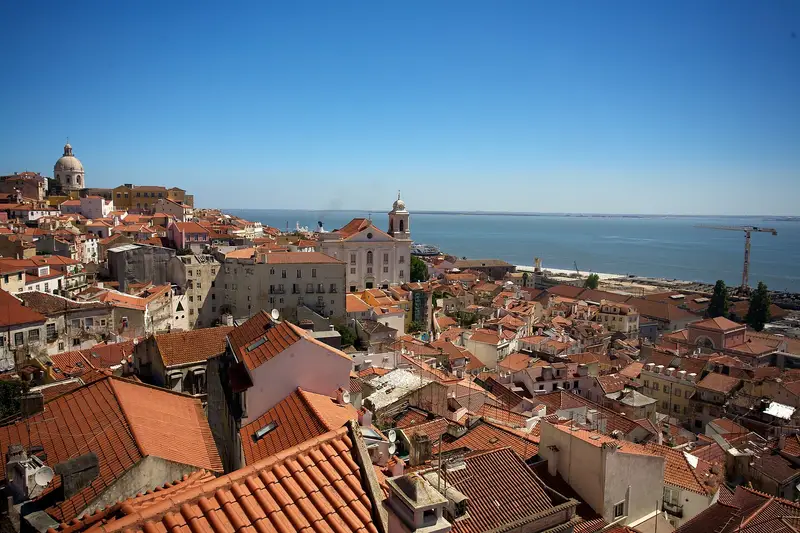
Lisbon follows a three-step version of the same rule. Standing at the balcão (counter) is cheapest, a table costs more and a terrace table more again; a 2026 guide to the city's cafés gave the example of a coffee at €0.80 at the bar and €2.50 outside.8
Paying first or paying after
In many Italian bars you pay before you drink. You go to the cassa (till), say what you want, pay and take the scontrino (receipt) to the counter, where you hand it over and repeat your order. A sign reading Si prega di pagare alla cassa means exactly that: please pay at the till first.10
Japan reverses the order. In casual cafés and restaurants, a small bill is often placed face down on your table once everything is served, and you leave when you like, carrying it to the register at the front to pay. Okaikei onegaishimasu (the bill, please) works everywhere, and tiny neighborhood cafés often take cash only.11
Free iced tea and long stays in Vietnam
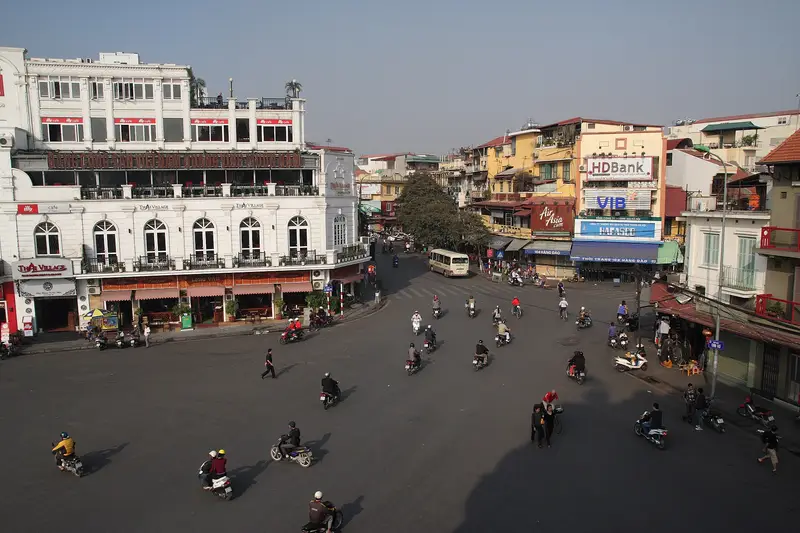
In Ho Chi Minh City, ordering a coffee or a juice usually brings trà đá (iced tea) at no charge, and staff top the glass up as soon as it is empty without being asked. A Hanoi visitor quoted by VietNamNet in 2016 said cafés in the capital also give free tea but usually only the first glass, and asking for more feels awkward. The same report put an iced coffee at a District 3 café at about ₫30,000.12
Long stays are tolerated more than welcomed. The same report described a customer who ordered one coffee and slept on a sofa for about three hours, and named freelancers, insurance agents and gamers among those who stay the longest. Some cafés responded with a ₫20,000–30,000 charge for people who order nothing, or by limiting Wi-Fi time per drink.12
Smoking rules in cafés
Japan's revised Health Promotion Act took full effect on 1 April 2020, and restaurants and cafés became smoke-free indoors in principle, with smoking allowed only in designated rooms. Small places that already existed on that date, with capital of ¥50 million or less and no more than 100 m² of seating, may keep a smoking-permitted room behind an official sign.13 Nobody under 20, staff included, may enter a smoking area, even without smoking.13
The Netherlands bans smoking indoors in cafés, bars and restaurants, smoking rooms included. Terraces are another matter: one that is open on at least one side is not automatically smoke-free, though the owner can make it so, and a fully enclosed terrace or one inside a covered shopping center is.14
Tip. In Italy, read the price list by the till before you sit down: the same cappuccino and cornetto can cost up to 65% more at a table than standing at the counter.9