Antica Tostatura Triestina
- Outdoor seating
- Indoor seating
A nero at the marble tables of Caffè San Marco on Via Cesare Battisti, engraved mirrors at Caffè degli Specchi on Piazza Unità, and Pirona pastries on Largo Barriera Vecchia.
Photo: Ana Kenk, Pexels License
Trieste handles coffee before it drinks it. About a fifth of the roughly 600,000 tonnes Italy imports each year comes through its port, and unlike Genoa, which imports more but only ships it on, Trieste sorts, grades and roasts the beans in the city, where ten roasters work.1 The Associazione Caffè Trieste, which has grouped the trade since 1891, puts its 2024 turnover at about €900 million, with just under 2,000 jobs.1
The trade took off after 1719, when Charles VI made Trieste a free port, and the city stayed under Habsburg rule until 1918.2 Its cafés kept a Viennese stamp: three historic houses still follow rules written in Vienna, with bow-tied waiters, paper newspapers at the tables and a small glass of water beside the cup.1 Caffè Tommaseo dates itself to 1830, Caffè degli Specchi opened on the main square in 1839, and Caffè San Marco on 3 January 1914.345
The newer side of the trade is here too. illy was founded in Trieste in 1933, and its Università del Caffè now sees cold brew growing among younger drinkers.61 The green-coffee importer Alberto Polojac runs the Bloom Coffee School and argues that a hot, fast espresso is no longer enough for some city customers, who want specialty coffee drunk slowly, for its flavor.1
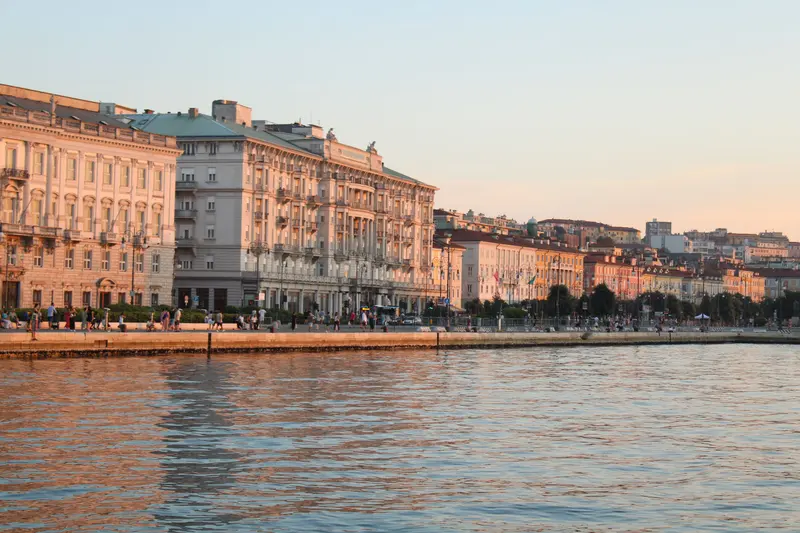
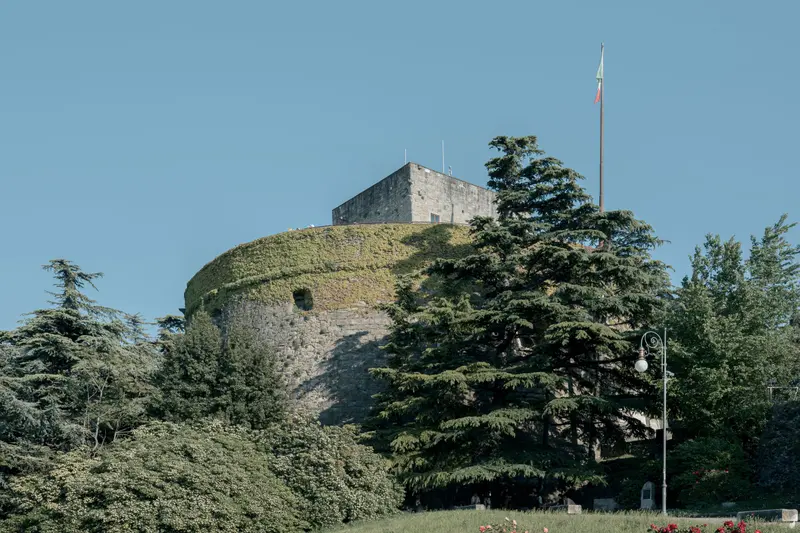
Two of Trieste's rioni (quarters) frame Piazza Unità d'Italia: the medieval Città Vecchia below San Giusto and the straight grid of the Borgo Teresiano, laid out in the mid-18th century.211 Historic cafés gather around the square and the Canal Grande, morning pastry counters around Largo Barriera Vecchia, and evening tables along Viale XX Settembre and out toward Barcola and Roiano.
Caffè degli Specchi on Piazza Unità, the lanes of Cavana, Piazza Hortis and the slope up to San Giusto.
24 cafés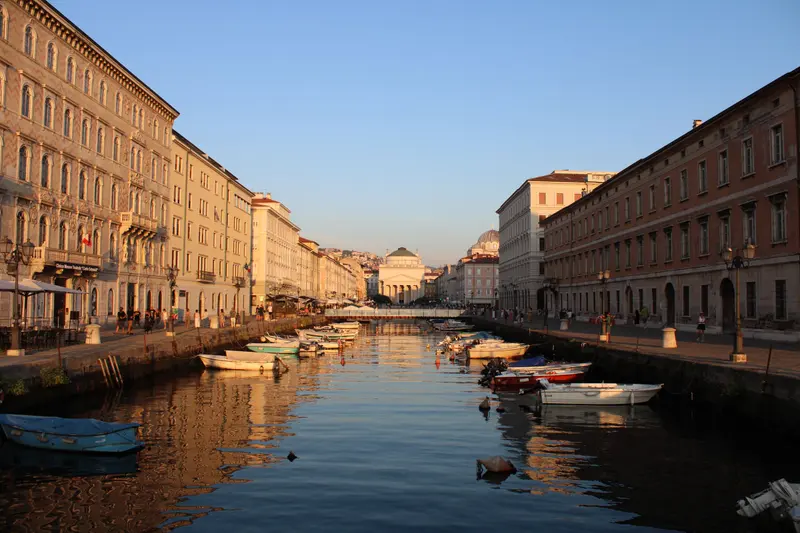
The Canal Grande and Ponte Rosso, the grid of Via Dante, Via San Nicolò and Via Carducci, and the station.
59 cafés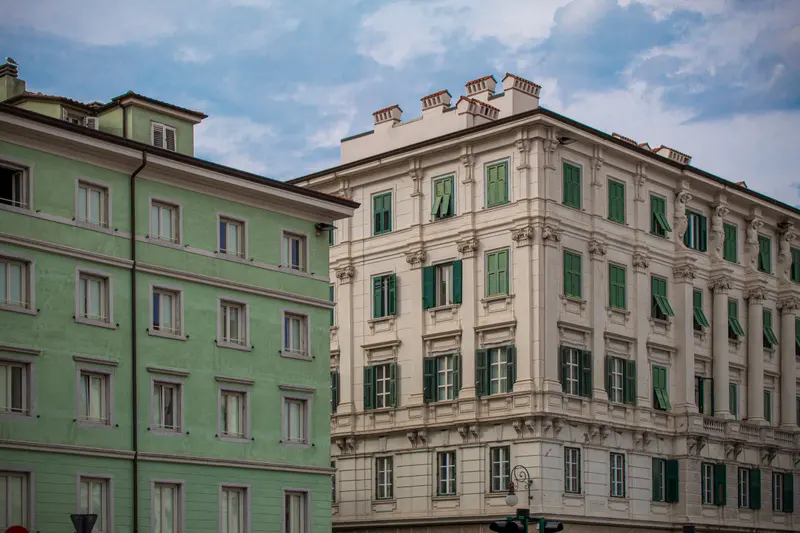
Largo Barriera Vecchia and Pirona, the 1936 covered market, Piazza Goldoni and the early bakeries of Via D'Azeglio.
27 cafés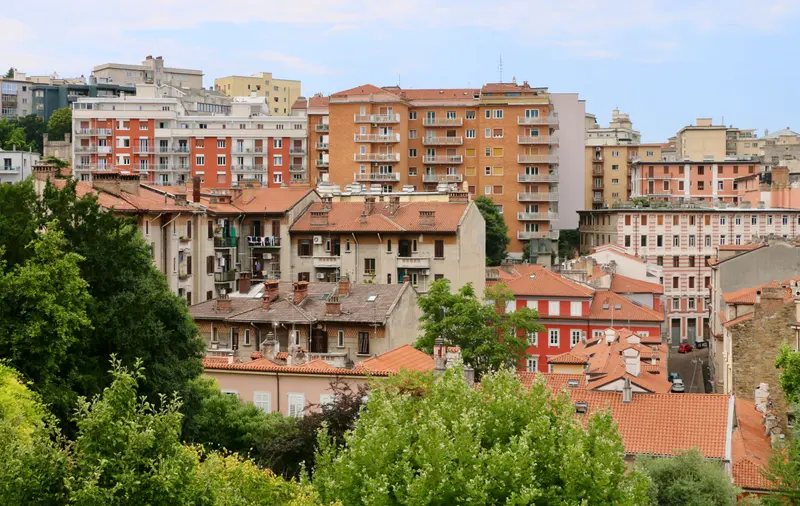
The pedestrian Viale XX Settembre, Caffè San Marco on Via Battisti, the synagogue and the university bars of Via Valerio.
34 cafés
Viale Miramare and the Topolini terraces of the Barcola shore, out toward Miramare, and Roiano's Piazza tra i Rivi.
13 cafés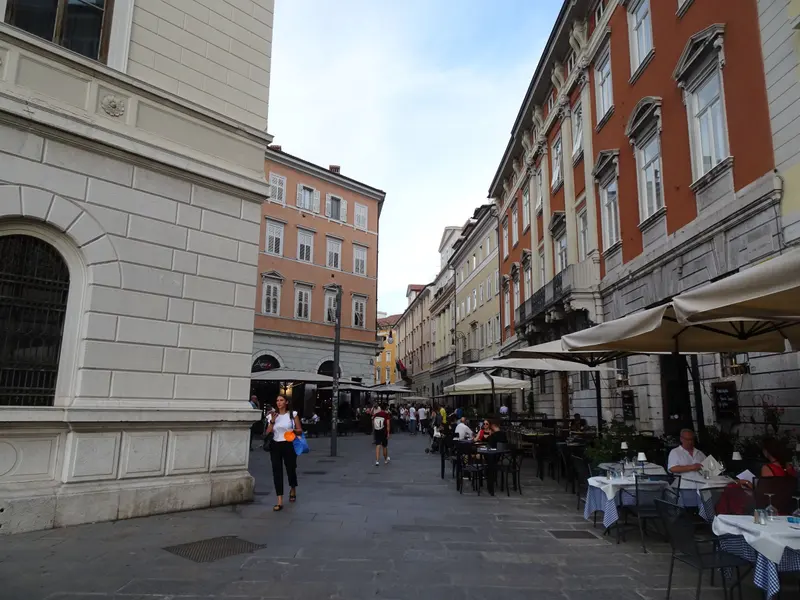
Terraces on Piazza Unità and Piazza Hortis, canal-side tables on Via Rossini, Viale XX Settembre and the Barcola shore.
38 cafés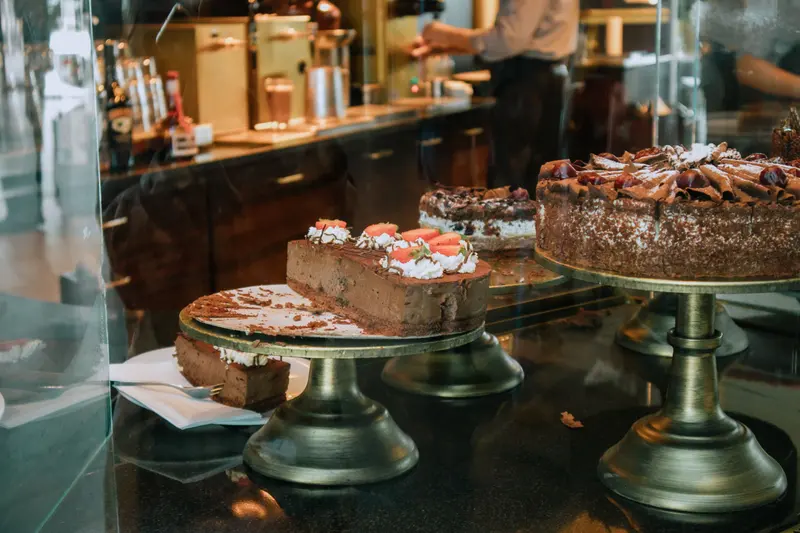
Pirona's 1900 counter, Viezzoli Pirona by the Borsa, Easter presnitz and putizza, and cafés that bake their own.
11 cafés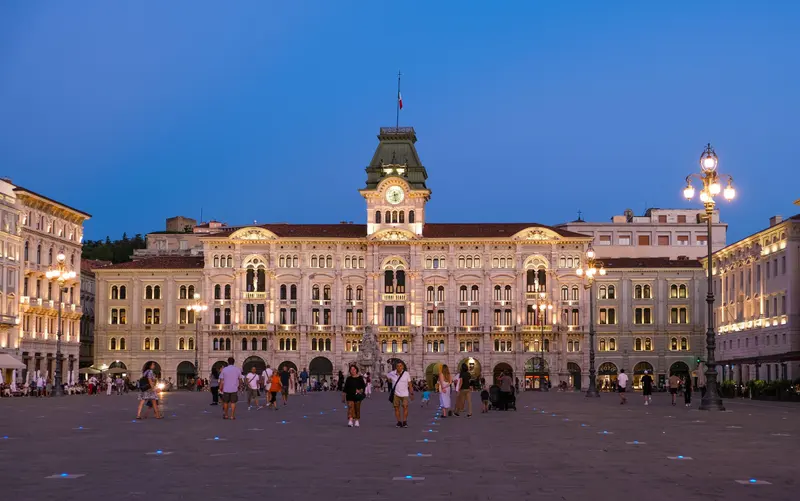
Specchi until midnight on Piazza Unità, San Marco's evenings, Viale XX Settembre and Kama Caffè in Roiano until 02:00.
13 cafés
Bookshop cafés such as San Marco and Knulp, Cavana and the Riva, campus bars on Via Alfonso Valerio and Bar F at night.
11 cafésMore about cafés in Piazza Unità & Città Vecchia
More about cafés in Borgo Teresiano
More about cafés in Piazza Goldoni & Barriera Vecchia
Giugovaz bakery
More about cafés in Viale XX Settembre & San Giovanni
Bakery-coffee Viezzoli
More about cafés in Barcola & Roiano
No café matches all of those filters. Try removing one, or tell us about a café we're missing.
Branches by area
Trieste has its own coffee vocabulary, and it stops at the city limits.7 Un nero is an espresso. A capo is an espresso with hot milk and foam in a small cup, and a capo in b is the same drink in a small glass, b for bicchiere (glass); it is the order locals give most.89 A gocciato, or goccia, is an espresso with a drop of milk foam on top.8 Ask for a nero in Monfalcone, up the coast, and you may get a glass of red wine.9
Two familiar words shift meaning. A caffelatte, served in a large cup, is what the rest of Italy calls a cappuccino, and a caffè macchiato comes with a small pot of cold milk on the side.87 Deca (decaf) attaches to anything, as in nero deca or capo deca, and a CBS is a capo in b senza schiuma, without foam.8 Most drinks can also be ordered ristretto, lungo, doppio or corretto (with a shot of spirits).7
Locals tend to drink a nero standing at the bar, before the foam on top disappears, and then leave.9 In the historic cafés the glass of water is drunk first, to clear the palate and judge the coffee.1 Caffè degli Specchi serves every coffee with a small glass of chocolate, hot in winter and chilled in summer, and Caffè Tommaseo pairs its nero with homemade chocolate.67
A nero at the counter averaged €1.44 in Trieste in June 2026, up from €1.14 in June 2021, in Altroconsumo's reading of the Ministry of Enterprises price observatory.10 Of the 19 cities compared, only Bolzano (€1.51) and Pescara (€1.49) charged more; most were at €1.20–1.40.10
| Drink | Typical price |
|---|---|
| Nero Espresso at the counter, Trieste average | €1.44 Trieste, June 2026 |
| Nero Espresso at the counter, five years earlier | €1.14 Trieste, June 2021 |
| Caffè Espresso at the counter, most large Italian cities | €1.20–1.40 19 Italian cities, June 2026 |
| Caffè A cup at the bar, national range | €1.20–1.50 Italy, May 2026 |
Counter prices. The averages are June figures from the price observatory of the Ministry of Enterprises, compared by the consumer group Altroconsumo and reported by Sky TG24 on 2 October 2026.10 The national range for a cup at the bar comes from Il Post's May 2026 report on the city's coffee trade.1
Ask for un nero. In Trieste a capo is an espresso with hot milk and foam in a small cup, and a capo in b is the same drink in a small glass. A caffelatte is what other Italian cities call a cappuccino, and a caffè macchiato comes with a small pot of cold milk on the side.
An espresso at the counter in Trieste averaged €1.44 in June 2026, up from €1.14 in June 2021, according to Altroconsumo's comparison of Ministry of Enterprises data. Of 19 Italian cities compared, only Bolzano and Pescara were more expensive; most charged €1.20–1.40.
Borgo Teresiano and Viale XX Settembre & San Giovanni have the most cafés, followed by Piazza Goldoni & Barriera Vecchia. The Borgo Teresiano has the widest choice, from the canal-side bars of Via Genova and Via Rossini to Via San Nicolò and Via Carducci; Viale XX Settembre comes next, then the streets around Piazza Goldoni and Largo Barriera Vecchia.
Caffè Tommaseo dates itself to 1830, Caffè degli Specchi opened on Piazza Unità d'Italia in 1839, and Caffè San Marco on Via Cesare Battisti on 3 January 1914. Three historic cafés still follow rules written in Vienna: bow-tied waiters, paper newspapers at the tables and a glass of water with the coffee.
About a fifth of the coffee Italy imports comes through the port of Trieste, where it is sorted, graded and roasted rather than just shipped on. The city has ten roasters, illy was founded there in 1933, and the local coffee association, active since 1891, puts the trade's 2024 turnover at about €900 million.
Your free listing is probably already on this page. Claim it in two minutes, or turn it into a featured page in your own design, with photos, a menu and your own link.