Kenya
Cafés in Nairobi chai at home, AA in the cup
Roasteries in Westlands and on Chaka Road in Kilimani, tea at the Ketepa tea house downtown and coffee under the Thorn Tree acacia at the Stanley.
- Map and “near me”
- “Open now” filter
- Paid placements always labeled
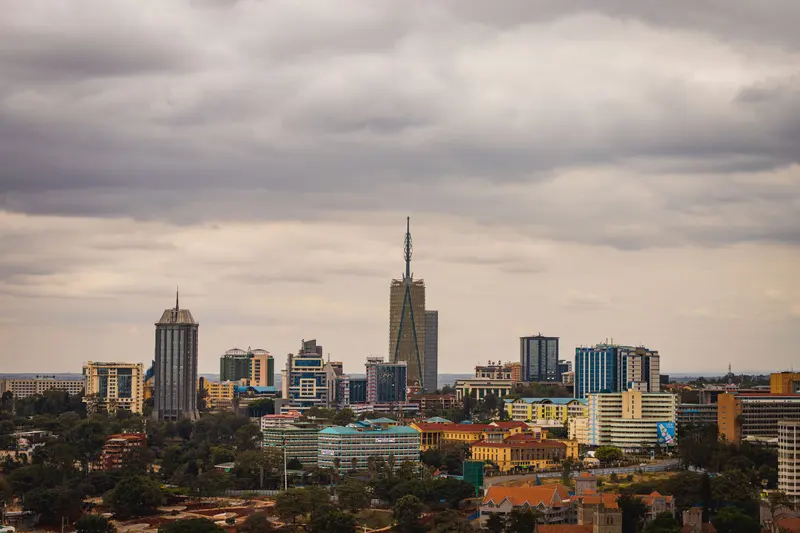
Photo: Mukula Igavinchi, Pexels License
53Cafés listed
0Open by 6am
3Open past 10pm
5Specialty & roasters
Kenya exports its coffee and drinks its tea. The Tea Board of Kenya put national tea consumption at about 38,400 tonnes in 2021, while Kenyans drank 2,051 tonnes of coffee in the year to June 2023.1 Roughly 95% of the coffee crop goes abroad.2 Nearly all Kenyan arabica is sold through the Nairobi Coffee Exchange, which holds its auctions weekly; the first was held in 1935.3
The crop reached Nairobi with missionaries. French Holy Ghost Fathers introduced coffee to Kenya in 1893 with trees from Réunion.4 After the railway arrived at the site of Nairobi on 30 May 1899,5 it carried a hundred arabica seedlings from the order's Bura mission to St Austin's, in what is now Lavington.6 SL28, a variety now planted as far away as Latin America, was selected from a single tree in 1935 at Scott Agricultural Laboratories, set up by the colonial government in 1922.7
Drinking coffee out is the newer habit. Dormans became the country's first coffee roaster in 1950, and the Agriculture and Food Authority counted 231 coffee shops in Kenya in 2019 and 791 in 2023.2 Felix Ouma of Fairchain Coffee places the new specialty shops in Lavington, Kilimani and Westlands.2
Start with an estate
Nairobi by area
Nairobians place a café by its estate (neighborhood). Westlands, one of the main business districts outside the center, is about 3 km northwest of the CBD;15 Kilimani, Kileleshwa and Lavington lie around 5 km west and all belong to Westlands sub-county.1617
Westlands & Parklands
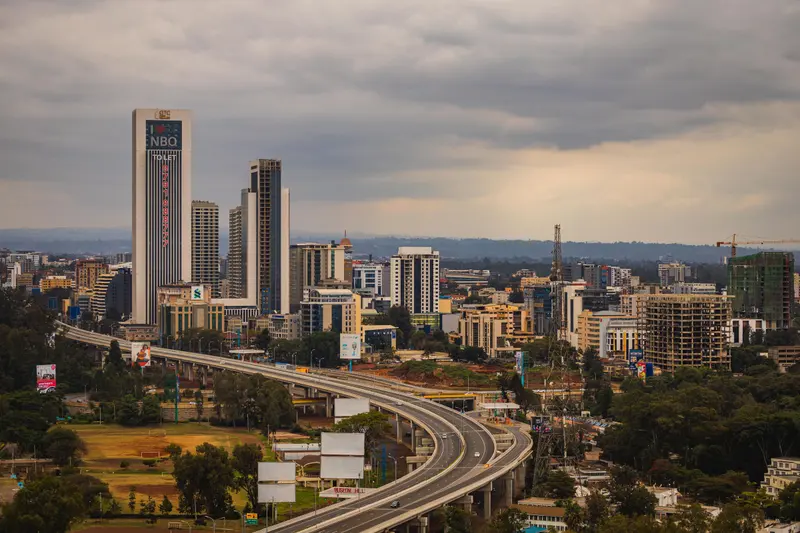
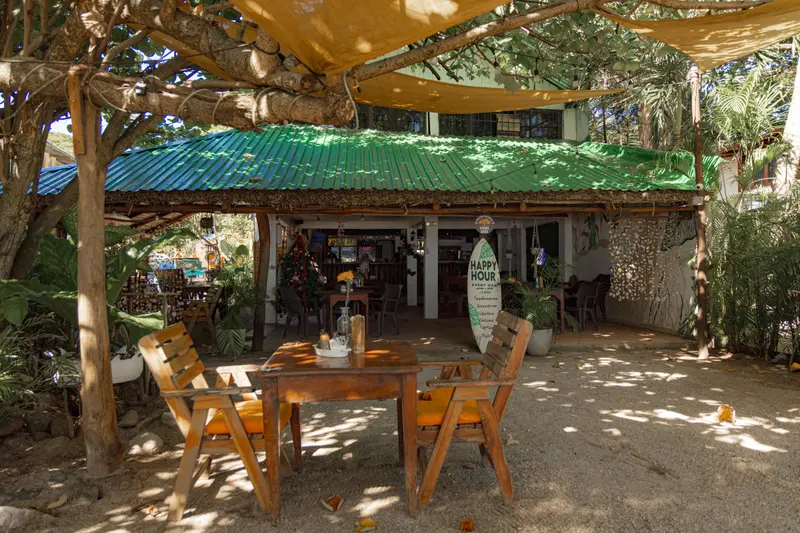
Museum Hill, the Sarit Centre and Waiyaki Way, with roasters and karak in between.
16 cafés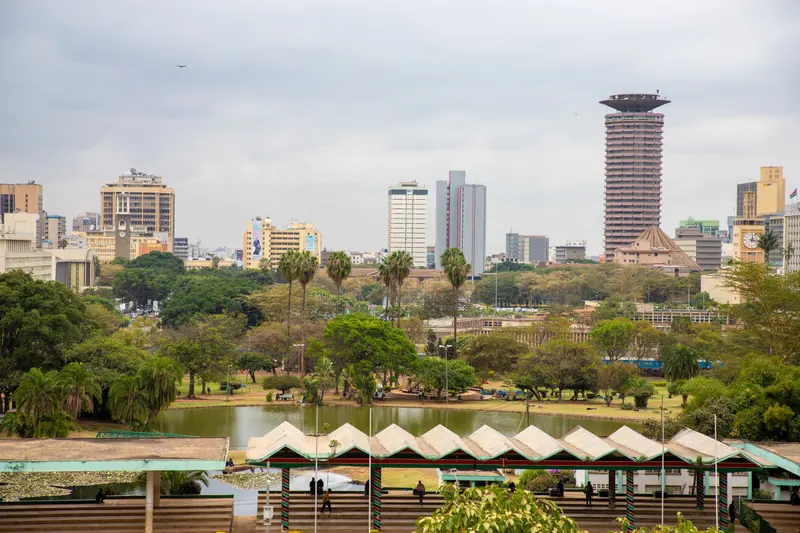
CBD
Kenyatta Avenue, the Thorn Tree Café at the Stanley, the Ketepa tea house and late coffee on Standard Street.
17 cafés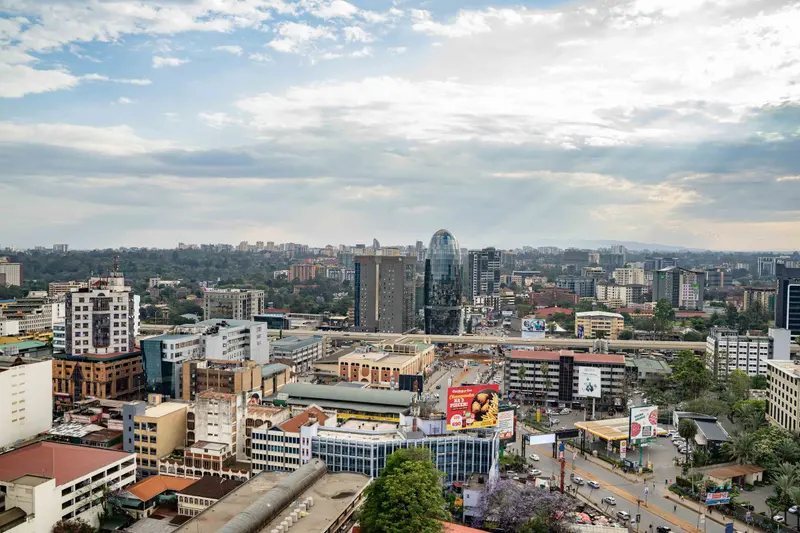
Kilimani & Hurlingham
Chaka Road, Lenana Road and George Padmore Lane, around the Yaya Centre and Argwings Kodhek Road.
10 cafés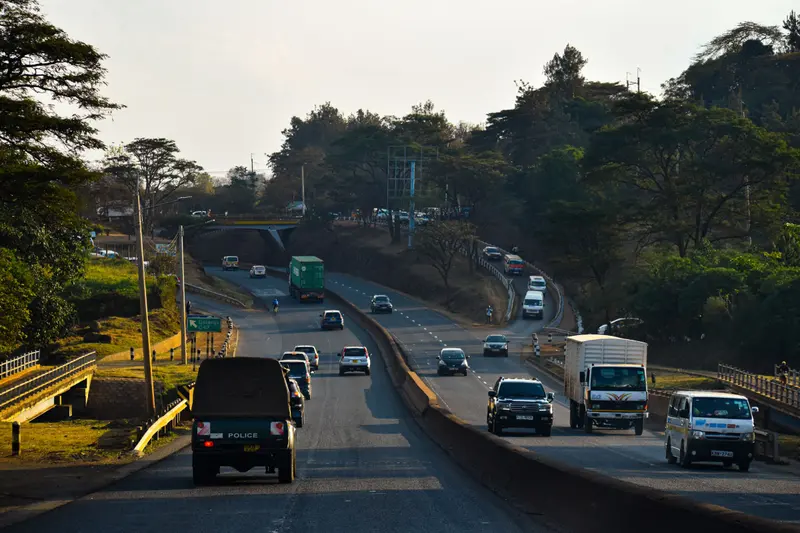
Lavington & Kileleshwa
Old St Austin's mission land in Lavington and the apartment towers of Kileleshwa, with a roastery on Riverside Lane.
7 cafés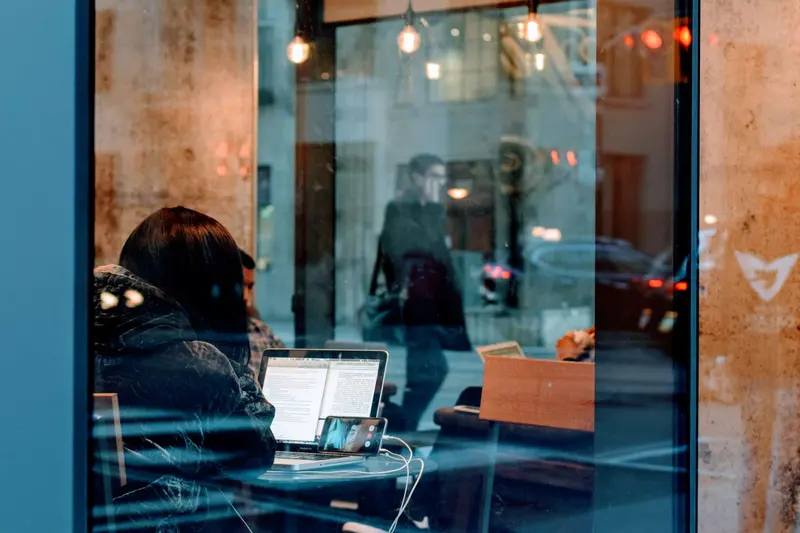
Westlands & Parklands 16 cafés
More about cafés in Westlands & Parklands
Cafe Kaya
Cafe Lungo
Brioche Café Bistro
Leaf & Bean Cafe
Sigiria Coffee House
Vogue Cafe
- Wi-Fi
- Outdoor seating
- Indoor seating
- Card payment
- Partial wheelchair access
Alas&Co
Attibassi Coffee Kenya
Connect Coffee Roasters
- Specialty
Karak & Go
Rjs Coffee Shop
CBD 17 cafés
Cafe AMKA
- Outdoor seating
- Open late
- Specialty
Eco Cafe
- Wi-Fi
- Open late
Kenya Tea Packers Tea House
Pointzero Cafe
Bejo's
Coffee World
- Wheelchair access
Krafty kitchen
Cafe Clarion Nairobi
Cafe Kristina Ltd
Jamia Cafe
Kista Caffe
Mint and Salt
Upper Hill 2 cafés
Culture Cafe
Savanna Coffee Lounge
Kilimani & Hurlingham 10 cafés
More about cafés in Kilimani & Hurlingham
Lava Latte
Mode Cafe
- Open late
Kahvalti Cafe
Kesh Kesh Coffee Roastery & Cafe
- Wi-Fi
- Outdoor seating
- Indoor seating
- Specialty
Pete's Cafe & Burrito Haven
Urban Coffee ( Lenana Place)
Alexander
Coffee & Bagels
Moov Cafe and Bistro
Pete's Coffee
Lavington & Kileleshwa 7 cafés
More about cafés in Lavington & Kileleshwa
French Mission Roastery Ltd
- Wi-Fi
- Specialty
Fraiche cafe and juice bar
Barista and Co
D's Place
Fit Kitchen
Geco Cafe
The CK Food and Lounge
No café matches all of those filters. Try removing one, or tell us about a café we're missing.
Coffee chains in Nairobi
Branches by area
Chain
Java House
Show 20 locations
- CBD 5
- Kilimani & Hurlingham 2
- Lavington & Kileleshwa 1
- Ngong Road 3
- Upper Hill 4
- Westlands & Parklands 5
Chain
Artcaffé
Show 10 locations
- CBD
- Art CafeDaily 07:00–00:00
- ArtCaffe - Chester House, 3rd Flr, Chester House, Koinage Street
- Kilimani & Hurlingham
- Artcaffé Restaurant
- Artcaffé Restaurant
- Lavington & Kileleshwa
- Artcaffè Market Rhapta Square, Rhapta RoadDaily 06:30–23:00
- Ngong Road
- Ngong Road
- Upper Hill
- Artcaffé Britam Tower, Hospital Road
- Westlands & Parklands
- Westlands & Parklands
- Shell Petrol Station, Woodvale Grove
- Artcaffe - Westgate Mall, Westgate Mall, Mwanzi Road
Chain
Mugg & Bean
Show 4 locations
- CBD
- CBD
- Kilimani & Hurlingham
- Kilimani & Hurlingham
- Ngong Road
- Ngong Road
- Westlands & Parklands
- Mugg & Bean Sa
Chain
Spring Valley Coffee
- Lavington & Kileleshwa
- Lavington & Kileleshwa
- Westlands & Parklands
- Spring Valley, Lower Kabete Road
- The Pop-up Market Westgate Mall, 18 Mwanzi Rd
Chain
Gloria Jean's Coffees
Before you sit down
How coffee and chai work in Nairobi
Chai (tea) comes first. The Standard calls it the one thing no Kenyan breakfast goes without: a common method adds water, tea leaves and sugar to boiled milk, and the spiced version simmers ginger, cardamom and cloves before the leaves go in, served with mandazi (fried dough) or bread.8 Karak is the Gulf take on boiled milk tea; the name comes from kadak, "strong", and in the UAE it is usually made with evaporated milk.9
Café menus run on espresso drinks and filter coffee, and Kenyan beans are sold by grade. AA marks the largest beans, screen size 17/18, and AB the next size down; the letters measure size, not flavor, and AA and AB from the same washing station usually score within about 0.25 points of each other.10 Prices climb with the bean: in May 2026 most coffee shops charged KSh 300–600 for an espresso, while premium brews at Café Amka in the CBD cost up to KSh 2,200.11
M-Pesa, the mobile-money service Safaricom and Vodafone launched in March 2007, has a Lipa na M-Pesa ("pay with M-Pesa") option for paying shops and other sellers.12 Tipping is customary but loose: about 10–15% at sit-down restaurants, less if a service charge is already on the bill, and rounding up at a café counter.13
What coffee costs in Nairobi
| Drink | Typical price |
|---|---|
| Espresso Single shot at a coffee shop | KSh 300–600 Most Nairobi coffee shops, 2026 |
| Cappuccino Regular size | KSh 120–600 Citywide range, October 2026 |
| V60 Pour-over filter coffee | about KSh 550 Café Amka, CBD, 2026 |
| Premium brew Selected whole or fresh-ground beans | KSh 900–2,200 Café Amka, CBD, 2026 |
Prices as of 2026. The espresso range and Café Amka's prices are from Business Daily's May 2026 report on Nairobi's specialty cafés;11 the cappuccino range is Numbeo's crowd-sourced data, updated in October 2026, with an average of about KSh 341.14
Sources
- Kenyans drinking more coffee, but tea still the favourite, Nation (September 21, 2024), via Mwananchi, accessed October 2026
- An Evolving Landscape: How Domestic Consumption Is Slowly Redefining Kenya's Coffee Identity, Specialty Coffee Association (SCA News), accessed October 2026
- Nairobi Coffee Exchange, Wikipedia, accessed October 2026
- Coffee production in Kenya, Wikipedia, accessed October 2026
- Nairobi, Wikipedia, accessed October 2026
- Church beats odds to stand strong for 105 years, Nation (October 9, 2019), accessed October 2026
- SL28, World Coffee Research, accessed October 2026
- Spicing up original Kenyan chai, The Standard (May 17, 2024), accessed October 2026
- Why UAE residents love their karak chai, Gulf News (March 8, 2020), accessed October 2026
- Is Screen Size a Quality Indicator? Tips for Sourcing Kenyan Coffee, TYPICA (February 10, 2026), accessed October 2026
- Inside Nairobi's specialty coffee boom where cups cost up to Sh2,000, Business Daily (May 13, 2026), accessed October 2026
- M-Pesa, Wikipedia, accessed October 2026
- Tipping in Kenya, Wise, accessed October 2026
- Cost of Living in Nairobi, Numbeo (updated October 22, 2026), accessed October 2026
- Westlands, Nairobi, Wikipedia, accessed October 2026
- Kilimani, Wikipedia, accessed October 2026
- Lavington, Nairobi, Wikipedia, accessed October 2026
FAQ
Cafés in Nairobi: common questions
How much does a coffee cost in Nairobi?
In May 2026, Business Daily put an espresso at most Nairobi coffee shops at KSh 300–600. Numbeo's crowd-sourced cappuccino prices ran from KSh 120 to 600 in October 2026, averaging about KSh 341. Specialty brews cost more: at Café Amka in the CBD, a V60 pour-over was about KSh 550 and premium brews KSh 900–2,200.
Which neighborhood of Nairobi has the most cafés?
CBD and Westlands & Parklands have the most cafés, followed by Kilimani & Hurlingham. Downtown, most sit within a few blocks of Kenyatta Avenue; in Westlands they spread from Museum Hill out to the Sarit Centre and Lower Kabete Road.
Do people in Nairobi drink more tea or coffee?
Tea. The Tea Board of Kenya put national tea consumption at about 38,400 tonnes in 2021, while Kenyans drank 2,051 tonnes of coffee in the year to June 2023. Kenya exports roughly 95% of its coffee. Coffee shops are spreading fast, though: the Agriculture and Food Authority counted 231 in 2019 and 791 in 2023.
What does AA mean on Kenyan coffee in Nairobi cafés?
AA is a size grade, not a flavor score. It marks the largest Kenyan beans, screen size 17/18, and AB is the next size down. AA and AB lots from the same washing station usually score within about 0.25 points of each other, so a good AB can match an AA in the cup.
How do you pay and tip in Nairobi cafés?
You can pay by phone with M-Pesa, the mobile-money service Safaricom and Vodafone launched in 2007; its Lipa na M-Pesa option pays shops and other sellers. Tipping is customary but loose: about 10–15% at sit-down restaurants, less if a service charge is on the bill, and rounding up at a café counter.
How did coffee come to Nairobi?
French Holy Ghost Fathers introduced coffee to Kenya in 1893 with trees from Réunion. After the railway reached Nairobi in 1899, it carried a hundred arabica seedlings from their Bura mission to St Austin's, in what is now Lavington. Nearly all Kenyan arabica is now sold at the weekly auctions of the Nairobi Coffee Exchange.
For café owners
Run a café in Nairobi?
Your free listing is probably already on this page. Claim it in two minutes, or turn it into a featured page in your own design, with photos, a menu and your own link.