Centro Histórico
La Valeriana
- Wi-Fi
- Outdoor seating
- Indoor seating
- Vegetarian options
- Bakery café
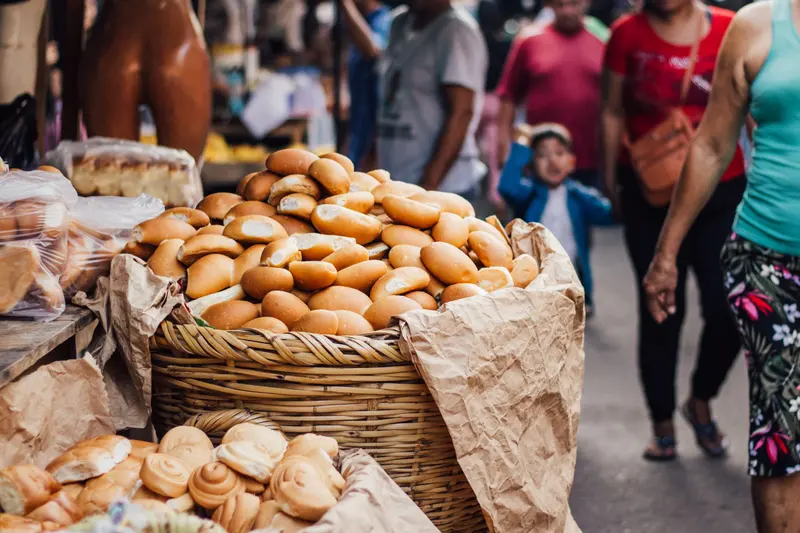
Croissants near the plazas, cake shops in Wanchaq, and the big loaves of Oropesa.
Photo: Mario Vásquez Rioja, Pexels License
Cusco's bread comes partly from Oropesa, a district 22 km southeast of the city at 3,320 m. Peru's Congress named it the Capital Nacional del Pan (national capital of bread) in Law 31389 in January 2022, and about 85% of its more than 3,000 residents are estimated to work in bread-making.1
The panaderías (bakeries) and pastelerías (pastry shops) in the city cover more ground: French-style viennoiserie near the plazas, cake shops in residential Wanchaq, and a few cafés that bake for the table.
Local tip: For pan chuta at the source, make the 22 km trip to Oropesa; it is on the way to the Tipón ruins, 7 km to the north of the town.2
Where these cafés are: Wanchaq & Avenida de la Cultura (10), Centro Histórico (9), San Blas (1), San Sebastián & San Jerónimo (1).
Povea - Bakery and Pastry
Nothing matches those filters here. See all cafés in Cusco.
Pan chuta is Oropesa's signature bread: a large, round loaf of wheat flour flavored with anise and lard, baked in wood-fired ovens that give it a hard crust and a smoky smell.4 Oropesa's other breads include rejillas, molletes and hurones.2
Bakers tell the name's origin as a story. In the version of Martín Quispe, an Oropesa baker, the Spanish brought wheat to the district in 1563 and taught local people to bake, who said "chutacusccama", Quechua for "oh, it stretches", when they saw the dough pull. His wife, Anabel Castro García, created a chocolate chuta that other bakeries in the area later copied.3
Belief is part of the recipe. Master bakers say the flavor comes from water off the Apu Pachatusan, the mountain above the town, and by local custom no bread is baked on a day when someone in the district has died.2
The Centro Histórico has almost as many bakery cafés as Wanchaq. La Boulangerie de París is on Plateros 344, off the Plaza de Armas. La Valeriana on Plazoleta Espinar 115 opens daily 08:00–20:00, and Organika Cafe and Bakery on Plaza Regocijo opens daily 07:00–22:00. Qosqo Maki Panaderia, at Avenida Tullumayu 465, bakes Monday to Saturday from 07:00 to 21:00.
Ruru Coffee at Santa Catalina Angosta 129 and Momentos at Mesón de la Estrella 133 are smaller stops, and El café de Mamá Oli on Plazoleta de Nazarenas pairs pastries with specialty coffee.
Wanchaq has the largest group, mostly pastry shops on residential streets southeast of the center. Povea at Lirios L-10 opens at 07:00 daily. DULCEARTE at Alfredo Yepez Miranda E2 opens only in the afternoon, Monday to Saturday 15:00–22:00. Chocolates Record at Avenida Industrial H-11 runs daily 07:30–20:40, and La Martina is on Isidoro Flores.
Farther out, Cafetería y Pastelería L&L bakes in San Sebastián, and in San Blas, Kaqlla at Carmen Bajo 226 does too.
At Christmas, Peru eats panetón, the Italian-style sweet bread, with a cup of hot chocolate. More than 1,000 panetón brands were registered with the trademark office Indecopi in December 2025.5 Cusco has its own drinking chocolate, Sol del Cusco, a brand created in 1971.5
For comparison, a 500 g loaf of white bread cost S/7.84 on average in Cusco as of October 2026, in a range of S/5.67–10, according to Numbeo's survey.6
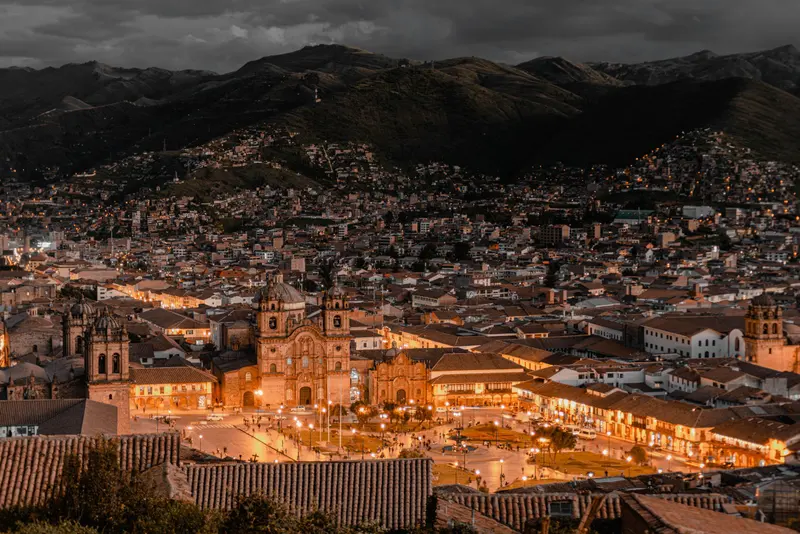
By area: San Blas Centro Histórico Wanchaq & Avenida de la Cultura
Pan chuta is the signature bread of Oropesa, 22 km southeast of Cusco: a large, round loaf of wheat flour flavored with anise and lard, baked in wood-fired ovens. Local bakers say the name comes from the Quechua phrase "chutacusccama", "oh, it stretches", and that the flavor comes from water off the Apu Pachatusan.
Law 31389, published in January 2022, named Oropesa the Capital Nacional del Pan to recognize its traditional bread-making. About 85% of its more than 3,000 residents are estimated to work in bread production, making pan chuta, rejillas, molletes and hurones.
Nearly all are in Wanchaq and the Centro Histórico, in about equal numbers. The Centro has La Boulangerie de París on Plateros, La Valeriana on Plazoleta Espinar and Organika Cafe and Bakery on Plaza Regocijo; Wanchaq's are mostly pastry shops such as Povea on Lirios and DULCEARTE on Alfredo Yepez Miranda.
Free listings are free for good. A featured page gives you photos, a menu and your own URL, in your café's own design, for less than a coffee a day.