Kyoto · Gion & Higashiyama
Cafés in Gion & Higashiyama
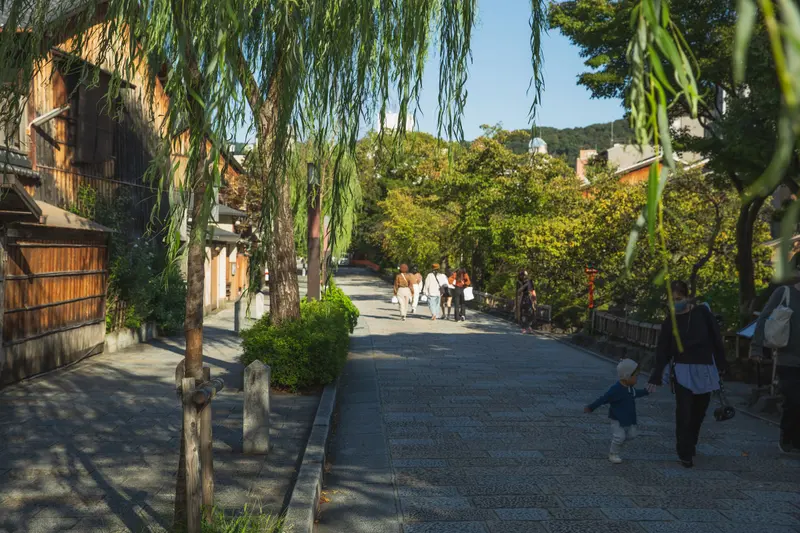
Matcha salons on Shijō-dōri, Maruyama Park and the stone lanes up to Kiyomizu-dera.
Photo: Ryutaro Tsukata, Pexels License
Gion grew up in the Sengoku period as an entertainment quarter in front of Yasaka Shrine, serving travelers and shrine visitors, and became one of Japan's best-known geisha districts. Gion Kōbu, the larger of its two hanamachi (geisha districts), includes Hanami-kōji; Gion Higashi split from it in 1881.1 South of Yasaka, the stone-paved Sannenzaka and Ninenzaka lead toward Kiyomizu-dera, and in 1972 the area became Kyoto's first historic preservation district. Sannenzaka alone has about 60 shops and restaurants.2
Coffee here shares the street with tea, from matcha salons on Shijō-dōri and a 1909 mansion by Maruyama Park to small coffee rooms on the slopes below Kiyomizu-dera.
Local tip: Saryō Tsujiri opens at 10:30. The salon is on the second and third floors of the Gion Tsujiri building on Shijō-dōri, so look for the stairs, not a street-level door.
At a glance
189Cafés listed
12With opening hours
07:30Earliest opening
22:00Latest closing
- Opens earliest: 喫茶 喜心 kyoto, from 07:30 (Mon 07:30–13:30 · Thu–Sun 07:30–13:30).
- Closes latest: 甘泉堂, until 22:00 (Mon–Sat 10:00–22:00).
- Most listed streets: gionmachi minamigawa (2), Gionmachi Minamigawa (2), Kinencho (2).
- Most common features: indoor seating (2%), card payment (2%), specialty (1%).
喫茶 喜心 kyoto
Kissa Kishin Kyoto
- Bakery café
- Brunch
市川屋珈琲
Ichikawa-ya Coffee
茶菓 円山
Saka Maruyama
- Outdoor seating
- Indoor seating
茶寮都路里
Gion Tsujiri
362coffee
Acorn Coffee Stand
agnès b. Cafe Gion
Aquarium Cafe and Bar ZorA
Atlechia GION Travel&cafe
CAFE attmos.
Cafe Blue Fir Tree
Cafe Cattleya
Cafe DOnG
Cafe Forgive Me
café KARIN
cafe nido
Cafe Opal
Cafe Otowa
Cafe 富月
Canette
chaya madonna
Coffee Shop Maruyama
FUMON CHAYA
GESHARY COFFEE
Gion Cafe
Gion MAVO
gionirisersaryo
Gojo Coffee Factory
GOKAGO
Grapevine Cafe Kyoto
Hatoya Ryoyousha Kiyomizu
Here Kyoto Kiyomizu
Hi! cafe
Hisaya Kyotoshimizuzaka
Kawataro
Nothing matches those filters here. See all cafés in Kyoto.
Coffee chains in Gion & Higashiyama
Chain
Starbucks
Chain
Tully's Coffee
Chain
Colorado Coffee Shop
Chain
Maeda Coffee
Chain
Inoda Coffee
Chain
Unir
Chain
Yojiya Café
Chain
Itohkyuemon
Getting to Gion and Higashiyama
Since 1 June 2024 the EX100 sightseeing express has run from stop D1, outside Kyoto Station's central exit, on weekends, holidays and the Obon and New Year breaks. It reaches Gion in about 15 minutes for ¥500 a ride; the EX101 runs only to the Kiyomizu-dera area.3
Both can be crowded, and the subway may be more reliable at busy times.3 Plan around the dances too: Gion Kōbu's geiko (Kyoto's geisha) stage the Miyako Odori through April, and Gion Higashi holds the Gion Odori in early November.1
Tea salons on Shijō-dōri
Tsujiri was founded in Uji in 1860 by Tsuji Riemon and the second head, Tokujirō, and opened in Gion in 1948, soon after returning from Taiwan. Its tea salon, Saryō Tsujiri, grew out of a casual tasting room and opened in 1978.4 The salon fills the second and third floors of the Gion Tsujiri building on the south side of Shijō-dōri and opens 10:30–20:30, last orders 19:30, with irregular closing days.5
In September 2024 its signature matcha parfait cost ¥1,694 and a hōjicha (roasted green tea) parfait ¥1,419. At Gion Komori, a matcha bavarois parfait was ¥1,600 and shiratama anmitsu, with rice-flour dumplings, ¥1,150.6 Gion Kinana opens 11:00–18:30 daily.
Chōrakukan and Maruyama Park
Chōrakukan, beside Maruyama Park, was built in 1909 by the businessman Murai Kichibei and has received guests from Japan and abroad ever since; in 2024 it was designated a national Important Cultural Property. Its café serves afternoon tea among the historic furnishings.7 It opens daily 10:00–20:30.
Nearby, Saka Maruyama has outdoor seats and opens 11:00–19:00, closing on Tuesdays and Wednesdays. Ikkyū-an is on Maruyama-chō, and Hario Cafe opens daily 10:00–17:00.
Coffee on the way to Kiyomizu-dera
Kissa Kishin, below the Kiyomizu slopes, serves brunch and baked goods from 07:30 to 13:30 on Monday and from Thursday to Sunday, the earliest start in the area. Ichikawa-ya Coffee, on Shibutani-dōri west of Higashiōji, opens 09:00–18:00 except Tuesday, and Café Arrietty, on Onna-zaka, from Tuesday to Saturday, 10:30–17:30.
Gion's private alleys are a different matter. In April 2024 the district put up signs in Japanese and English on several blocks of private streets, telling tourists to keep out and warning of a ¥10,000 fine; the public streets stay open.8
Sources
- Gion, Wikipedia, accessed October 2026
- Sannenzaka, Wikipedia, accessed October 2026
- The Limited Express Bus from Kyoto Station to Gion, Heian-jingu Shrine and Ginkaku-ji Temple, Kyoto City Official Travel Guide, accessed October 2026
- 私たちの歴史, Gion Tsujiri (祇園辻利), accessed October 2026
- 茶寮都路里 祇園本店, Gion Tsujiri (祇園辻利), accessed October 2026
- 京都・祇園の抹茶パフェ・甘味の名店, Mapple (updated September 26, 2024), accessed October 2026
- 長楽館, Chourakukan (長楽館), accessed October 2026
- Kyoto's picturesque geisha district fights back against over-tourism with "keep out" signs, Associated Press via KVIA (March 7, 2024), accessed October 2026
Keep exploring
More of Kyoto
Kawaramachi & Teramachi
239 cafés
Karasuma
159 cafés
Okazaki & Nanzen-ji
86 cafés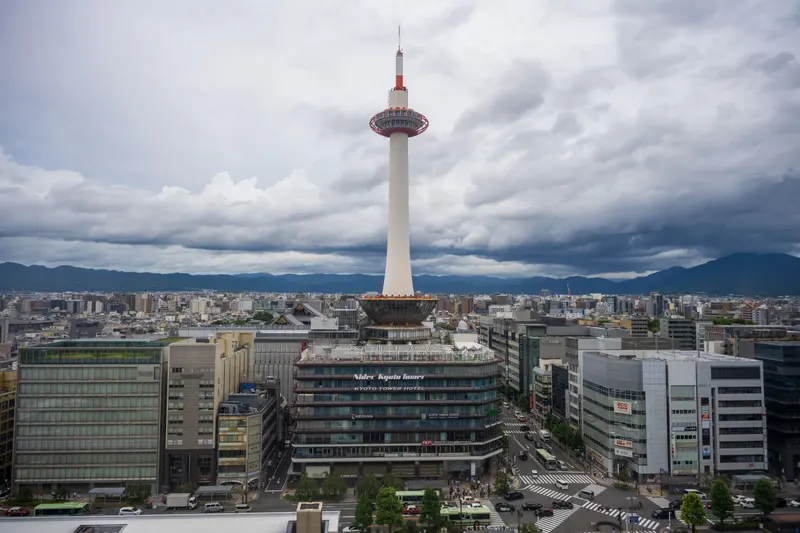
Kyoto Station & Shichijō
133 cafés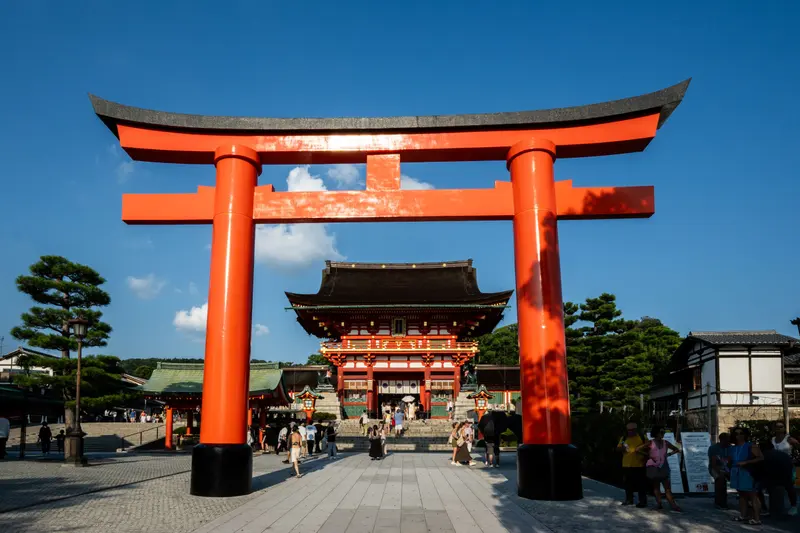
Fushimi
121 cafés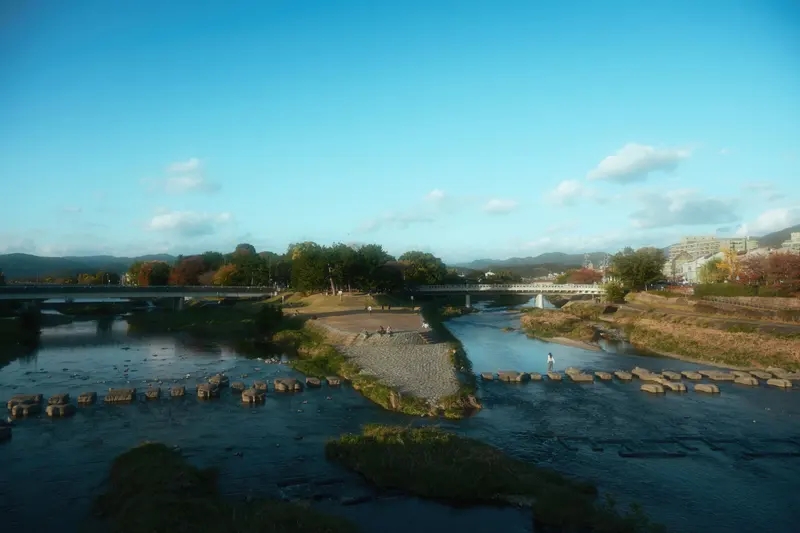
Demachiyanagi & Kyoto University
162 cafés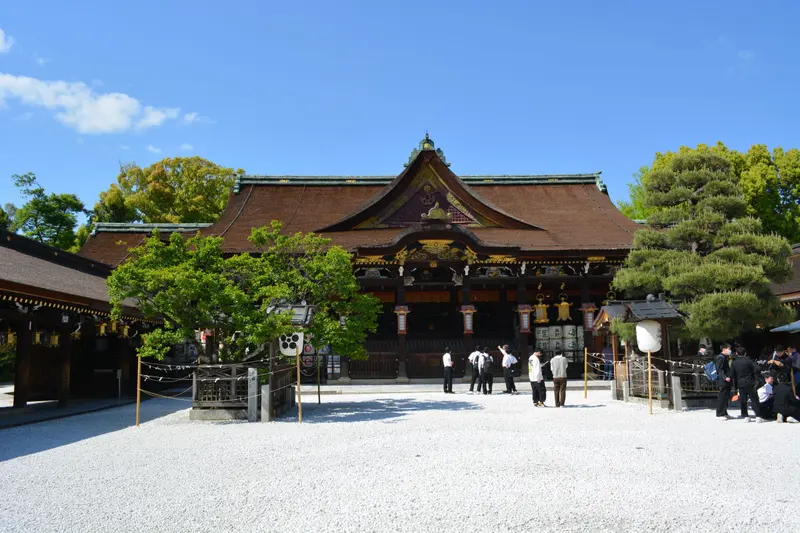
Nishijin & Kitano
125 cafésIn Gion & Higashiyama, also browse: Wi-Fi Vegetarian options Bakery cafés Outdoor seating Open late
FAQ
Gion & Higashiyama cafés: questions
When did Saryō Tsujiri in Gion, Kyoto, open?
Saryō Tsujiri opened in Gion in 1978. Its parent, Tsujiri, was founded in Uji in 1860 and opened a Gion shop in 1948. The salon takes up the second and third floors of the Gion Tsujiri building on Shijō-dōri and opens 10:30–20:30, last orders 19:30. In September 2024 its signature matcha parfait cost ¥1,694.
How do you get from Kyoto Station to Gion by bus?
The EX100 sightseeing express leaves from stop D1, outside Kyoto Station's central exit, and reaches Gion in about 15 minutes for ¥500. It has run on weekends, holidays and the Obon and New Year periods since 1 June 2024. Buses can be crowded, and the subway may be more reliable at busy times.
Can tourists walk the private alleys of Gion in Kyoto?
Not all of them. In April 2024 the Gion district put up signs in Japanese and English on several blocks of private streets, telling tourists to stay out and warning of a ¥10,000 fine. Gion's public streets remain open to visitors.
For café owners
Own a café in Gion & Higashiyama?
Free listings are free for good. A featured page gives you photos, a menu and your own URL, in your café's own design, for less than a coffee a day.