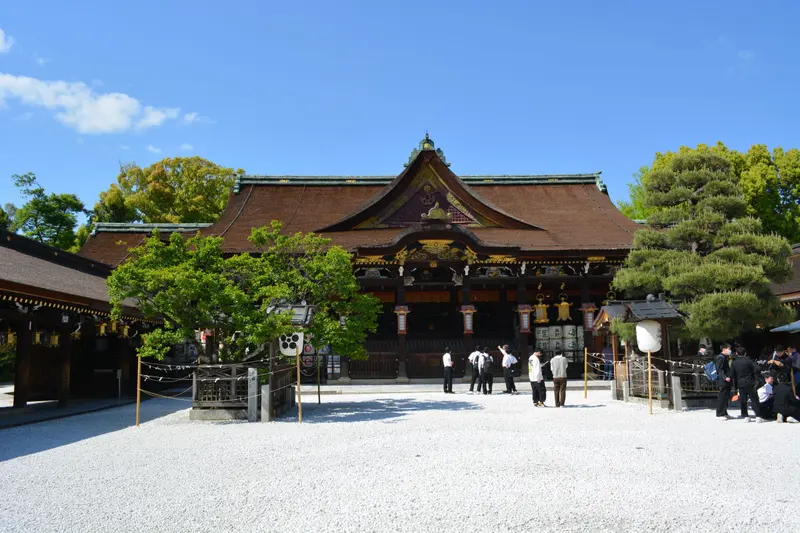
Kyoto · Nishijin & Kitano
Cafés in Nishijin & Kitano
The weaving streets of Nishijin, Kitano Tenmangū and the Kamishichiken teahouses.
Photo: SHIMADA MASAKI, Pexels License
Nishijin means "western camp". The name goes back to the Ōnin War of 1467–1477, when the daimyō Yamana Sōzen's western army camped here. After the war, weavers returning to Kyoto worked in the area, and it kept the camp's name. It is not an administrative ward and stretches from Kamigyō into Kita.1
At the western edge stands Kitano Tenmangū, built in 947 for the spirit of the scholar Sugawara no Michizane, and just east of it is Kamishichiken, the oldest of Kyoto's hanamachi (geisha districts).23 Cafés across Nishijin and Kitano range from an early roaster to an awa-mochi shop at the shrine.
Local tip: Visit on the 25th for the shrine market, by bus rather than car, since the shrine car park is shut that day. Sawaya closes on the 26th instead.
At a glance
125Cafés listed
9With opening hours
07:00Earliest opening
22:00Latest closing
- Opens earliest: 石焼自家焙煎 ミリオンコーヒー, from 07:00 (Daily 07:00–19:00).
- Closes latest: 西陣イノクマカフェ, until 22:00 (Daily 11:30–22:00).
- Most listed streets: Shinseicho (2).
- Most common features: wi-fi (4%), indoor seating (2%), smoke-free indoors (2%).
Habour Cafe
ハーバーカフェ
- Indoor seating
- Cash only
- Smoke-free indoors
- 24 hours
- Open by 6am
Tatli Kahve
やまねこ軒
Café Yamaneko
西陣イノクマカフェ
- Wi-Fi
- Outdoor seating
- Smoke-free indoors
- Open late
黒豆珈琲
Bean's Goody
13F Coffee
A.S.P HYBRID COFFEE
Alohadays
and C
BAU Coffee House
Belle Vie Moi
BRCAFE
cafe and bar Off Time
Cafe de Aura
Cafe de Monca
Cafe Machiko
cafe origi
cafe sora
Cafe Zino
Cafe 一期一会
cafe 蕪庵
Cafe&Kitchen 松吉
Cafeゆんげ
Cleha Coffee and Tea Room
Coffee Kobo
- Wi-Fi
- Bakery café
- Brunch
Coffee Perch
Focalpoint Cafe
Hashimoto Coffee
はしもと珈琲
- Wi-Fi
- Indoor seating
- Card payment
- Toilets
HOME
ISO茶房
Iwashi Coffee
kew
knot cafe
Latte Art Junkies 2nd
- Indoor seating
Laughter Nishijin
Nothing matches those filters here. See all cafés in Kyoto.
Coffee chains in Nishijin & Kitano
Chain
Doutor Coffee Shop
Chain
Tully's Coffee
Chain
Ogawa Coffee
Chain
Drip & Drop Coffee Supply
Chain
Café Marble
Getting to Nishijin and Kitano
City bus 50 from Kyoto Station reaches the Kitano Tenmangū-mae stop in about 35 minutes. From Imadegawa subway station, buses 51 and 203 take about 15 minutes, and Randen's Kitano-Hakubaichō Station is five minutes' walk from the shrine.4 The shrine grounds open 07:00–17:00, and its car park closes on the 25th of every month, the market day.4
Kitano Tenmangū and Kamishichiken
Michizane was deified as Tenjin in 986, and students still pray at Kitano for exam success. A market fills the grounds on the 25th of each month, and on 25 February, at the Plum Blossom Festival among his favorite trees, geiko and maiko (Kyoto's geisha and apprentice geisha) from Kamishichiken serve tea and sweets outdoors to about 3,000 guests.23
Kamishichiken's name, "seven upper houses", refers to seven teahouses built from materials left over from rebuilding Kitano Shrine in the Muromachi era. Its geiko and maiko dance the Kitano Odori each April.3
Awa-mochi at Sawaya
Sawaya, an awa-mochi (millet cake) shop on the approach to the shrine, dates from the time of the fifth Tokugawa shogun, Tsunayoshi. It steams millet and pounds it in the shop, then shapes each order with koshi-an (smooth bean paste) or kinako (roasted soy flour).5
In 2023 the three-piece Kōbai plate cost from ¥600 and a takeaway box of ten ¥1,400. Sawaya opens 09:00–17:00, or until sold out, and closes on Thursdays and on the 26th of each month.5
Coffee in the weaving streets
The district's silk brocade, nishijin-ori, is woven with colored silk and strips of gold or silver paper, and in 2008 the trade was worth about ¥81.8 billion, with 465 businesses, 4,783 looms and some 30,000 people working in it directly or indirectly.1
Million Coffee, which roasts its beans over stone, opens 07:00–19:00 every day, the earliest start in the area; Coffee Circle (Coffee さーくる) follows at 08:00 from Monday to Saturday. Nishijin Inokuma Café, with outdoor seats and Wi-Fi, stays open until 22:00 daily.
Latte Art Junkies 2nd is in Kamiyagawa-chō near the shrine, and Hashimoto Coffee, with Wi-Fi, is in Murasakino. Kuromame Coffee in Kinugasa closes on Wednesdays and Thursdays, Café Yamaneko on Thursdays, and Café Frosch, with vegetarian dishes, on Thursdays and Fridays.
Sources
- Nishijin, Wikipedia, accessed October 2026
- Kitano Tenmangū, Wikipedia, accessed October 2026
- Kamishichiken, Wikipedia, accessed October 2026
- アクセス, Kitano Tenmangū (北野天満宮), accessed October 2026
- 北野天満宮の門前で味わう、澤屋の粟餅, Waraku Web (April 4, 2024, from the April/May 2023 issue of Waraku), accessed October 2026
Keep exploring
More of Kyoto
Kawaramachi & Teramachi
239 cafés
Karasuma
159 cafés
Gion & Higashiyama
189 cafés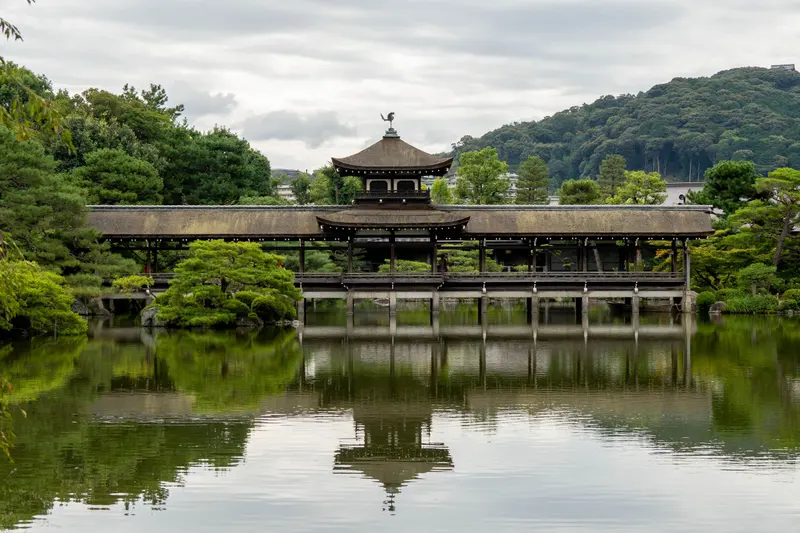
Okazaki & Nanzen-ji
86 cafés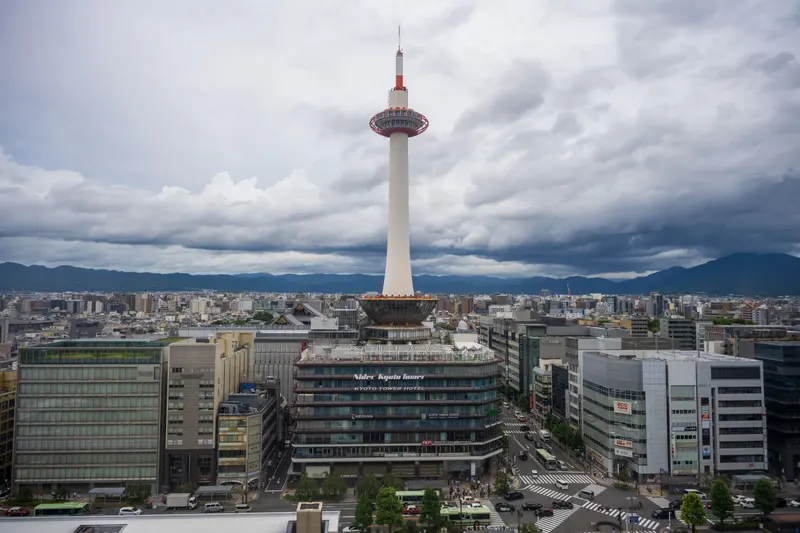
Kyoto Station & Shichijō
133 cafés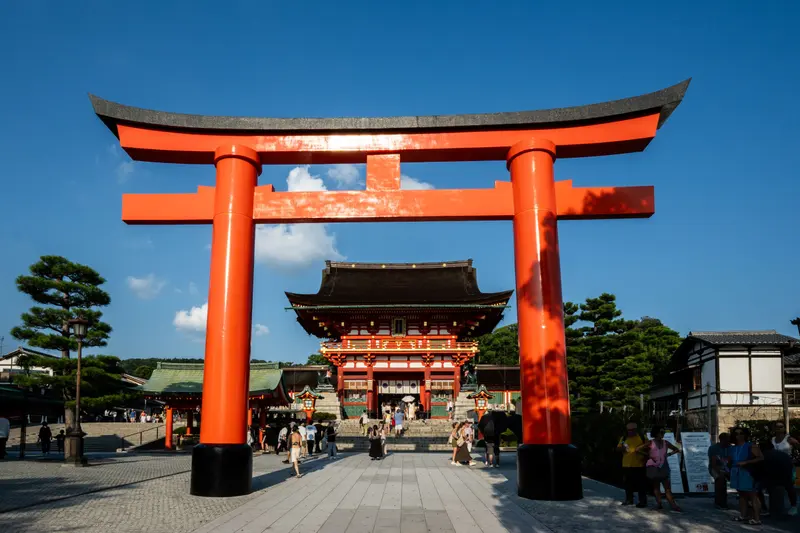
Fushimi
121 cafés
Demachiyanagi & Kyoto University
162 cafésIn Nishijin & Kitano, also browse: Wi-Fi Vegetarian options Bakery cafés Outdoor seating Open late
FAQ
Nishijin & Kitano cafés: questions
How do you get from Kyoto Station to Kitano Tenmangū?
Take Kyoto City Bus 50 from Kyoto Station to the Kitano Tenmangū-mae stop, about 35 minutes. From Imadegawa subway station, buses 51 and 203 take about 15 minutes, and Randen's Kitano-Hakubaichō Station is five minutes' walk from the shrine. On the 25th of each month, market day, the shrine's car park is closed.
What is awa-mochi at Kitano Tenmangū in Kyoto?
Awa-mochi is a cake of millet, steamed and pounded fresh. Sawaya, on the approach to Kitano Tenmangū since the time of the shogun Tokugawa Tsunayoshi, shapes each order with smooth bean paste or roasted soy flour. In 2023 a three-piece plate cost from ¥600. It closes on Thursdays and on the 26th of each month.
Why is the Nishijin district of Kyoto called Nishijin?
Nishijin means "western camp". The name comes from the Ōnin War of 1467–1477, when the daimyō Yamana Sōzen's western army camped in the area, and weavers who came back after the war settled there. The district is known for nishijin-ori, a silk brocade woven with colored silk and gold or silver paper.
For café owners
Own a café in Nishijin & Kitano?
Free listings are free for good. A featured page gives you photos, a menu and your own URL, in your café's own design, for less than a coffee a day.