Downtown Yonge & Church-Wellesley
Avenue Cafe & Bistro
- Takeaway
- Card payment
- Wheelchair access
- Bakery café
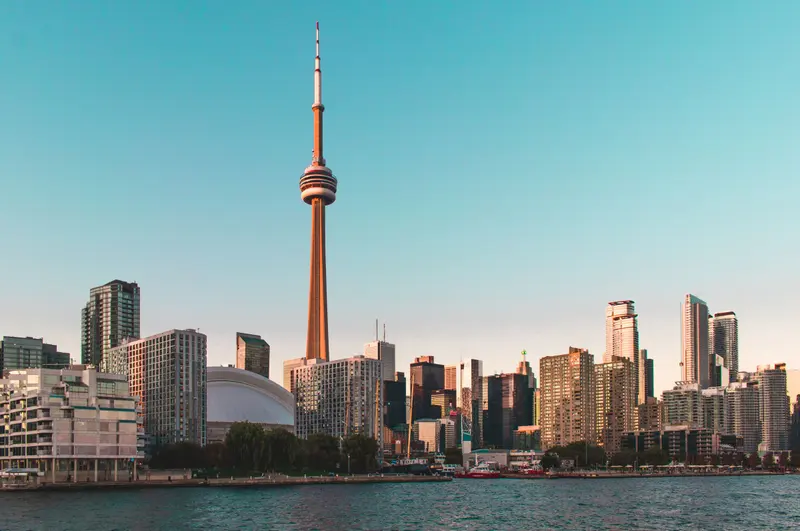
A drip coffee in the PATH under Bay Street, a cortado on Ossington Avenue, Augusta Avenue in Kensington Market and roasters along Queen Street East.
Photo: ennvisionn, Pexels License
Tim Hortons, the doughnut and coffee chain founded in Hamilton, Ontario, in 1964, became so closely associated with Canada that its way of ordering entered the language.1 The double-double, a coffee with two creams and two sugars, appears in print from 1985, and the Canadian Oxford Dictionary marks the word as Canadian.1 In October 2025 Tim Hortons raised coffee prices for the first time in about three years, by an average of 3 cents a cup.2
Independent espresso took longer. Writing in 2019, Sprudge described a province dominated by big chains that put convenience first, with customers slow to try independent shops.3 The usual starting point is Bulldog Coffee, which Stuart Ross opened near Church and Granby streets in 2003 and which became the first café in the city to pour latte art.4 Cherry Bomb followed in 2005, Mercury Espresso Bar in the east end in 2006 and Sam James Coffee Bar in 2009.4
Several of those shops grew into local chains. Dark Horse began in Riverside in 2006; Pilot Coffee Roasters started in 2009 under the name Te Aro and became Pilot in 2013; Jimmy's Coffee opened on Portland Street in 2009, and Mos Mos arrived in 2014.5 By March 2025 Pilot and Jimmy's each ran nine Toronto cafés, Dark Horse ten and Mos Mos twelve.5
The City of Toronto counts 158 official neighborhoods,12 but its cafés follow a few long streets. Queen Street runs about 14 km across the city with the 501 streetcar on it, through Leslieville, downtown, Queen West and Parkdale.13 Downtown, the Financial District sits on top of the PATH, about 30 km of mostly underground walkways, and ranks just behind Queen West and Kensington Market for cafés.14
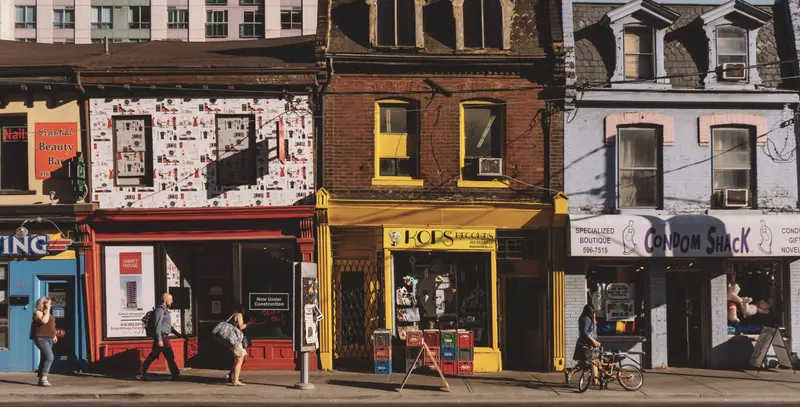
Ossington Avenue's roaster bars, Trinity Bellwoods Park and the galleries of West Queen West.
71 cafés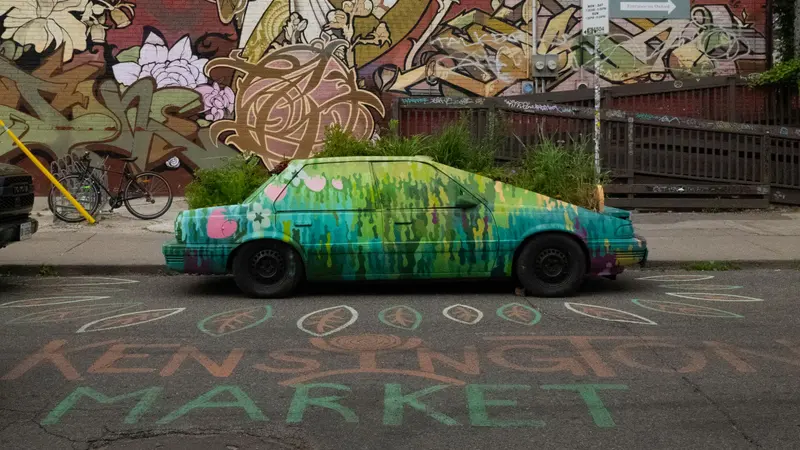
Augusta Avenue, Baldwin Street and Chinatown on Spadina Avenue, with bubble tea next to espresso.
70 cafés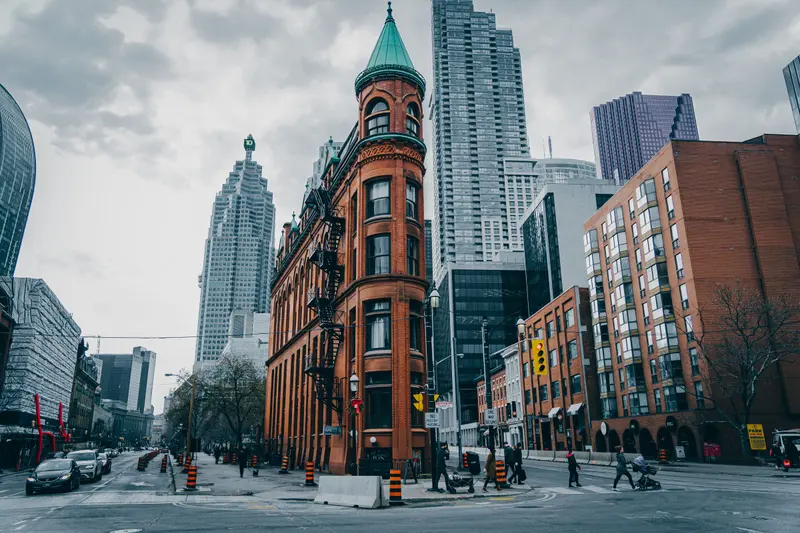
Office-tower espresso bars along the PATH, St. Lawrence Market and the lanes of the Distillery District.
67 cafés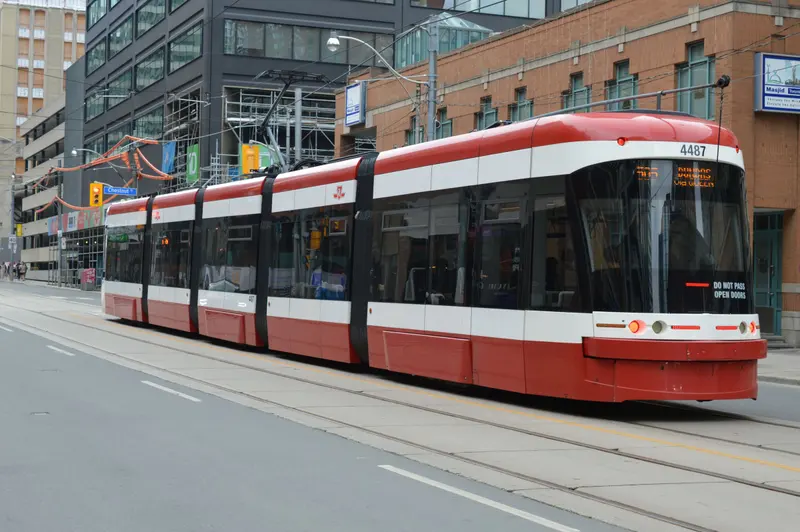
The warehouses of King West, Liberty Village's converted factories and the condo towers around Fort York.
38 cafés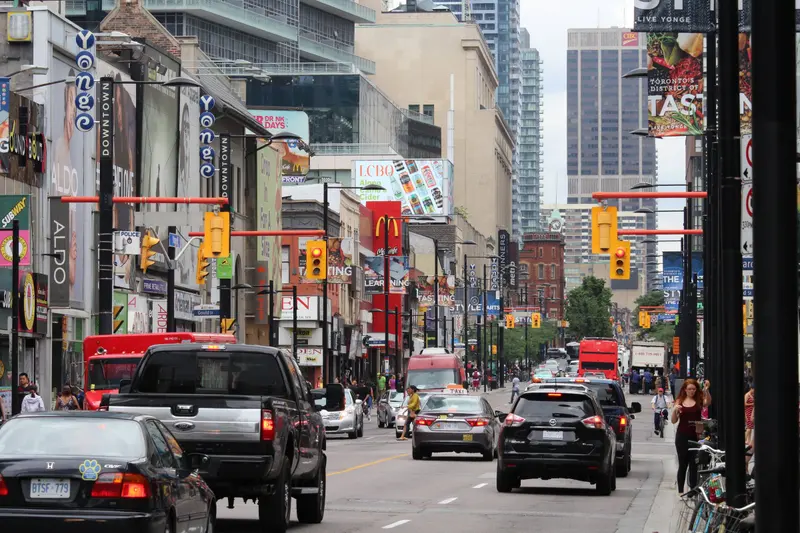
Yonge Street from Sankofa Square to Wellesley, the Church Street village and the TMU campus.
63 cafés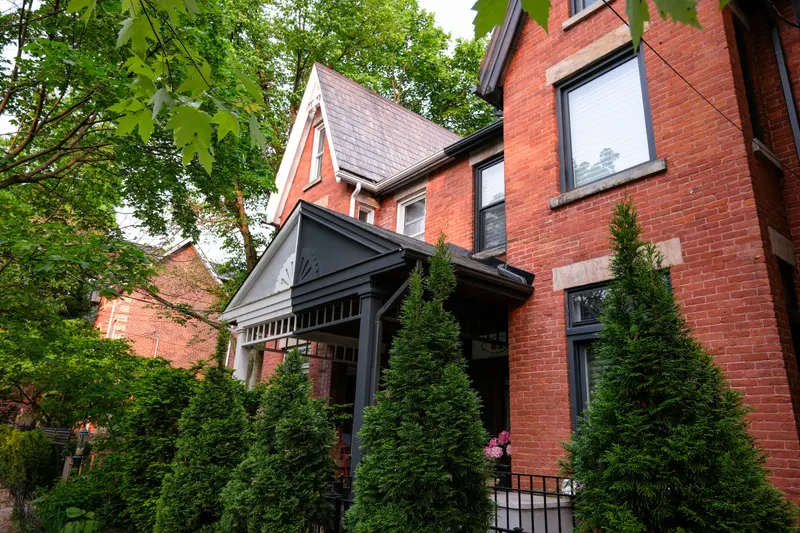
Bloor Street West from St. George to Christie, Koreatown dessert cafés and the University of Toronto.
57 cafés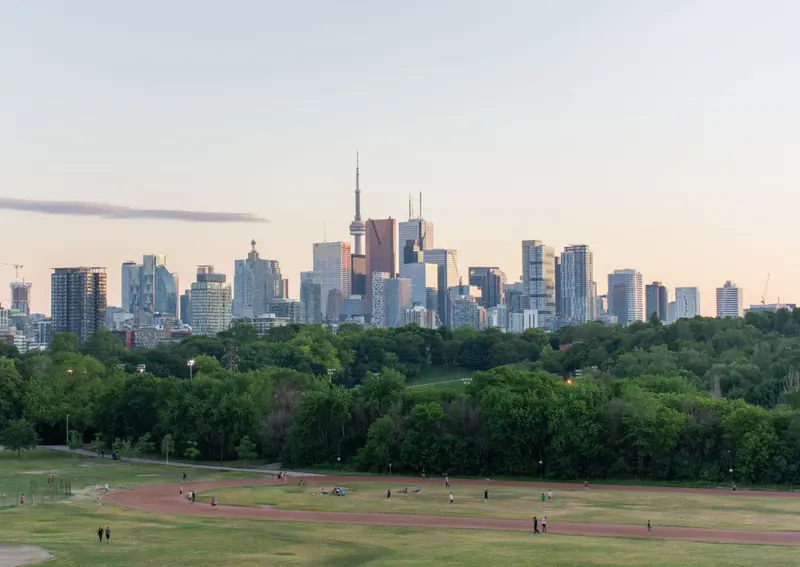
Queen Street East from Riverside to Leslieville, with Broadview Avenue and Gerrard Street East.
28 cafés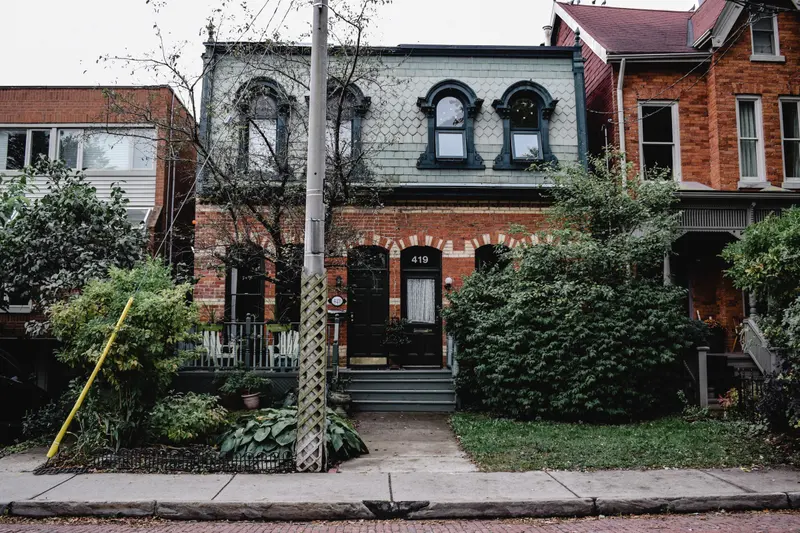
Roncesvalles Avenue's espresso bars, Parkdale's Little Tibet on Queen Street West and the edge of High Park.
40 cafés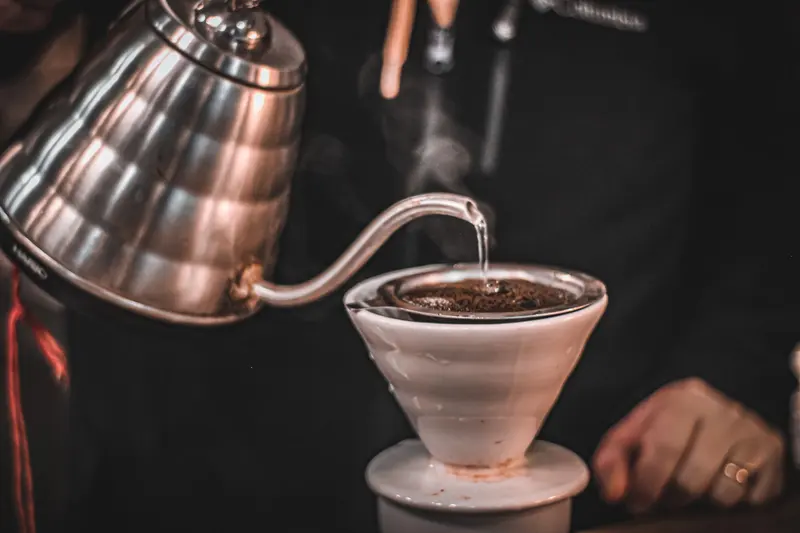
C$8 single-origin pour-overs on Sterling Road, roaster bars on Cawthra and Roncesvalles.
18 cafés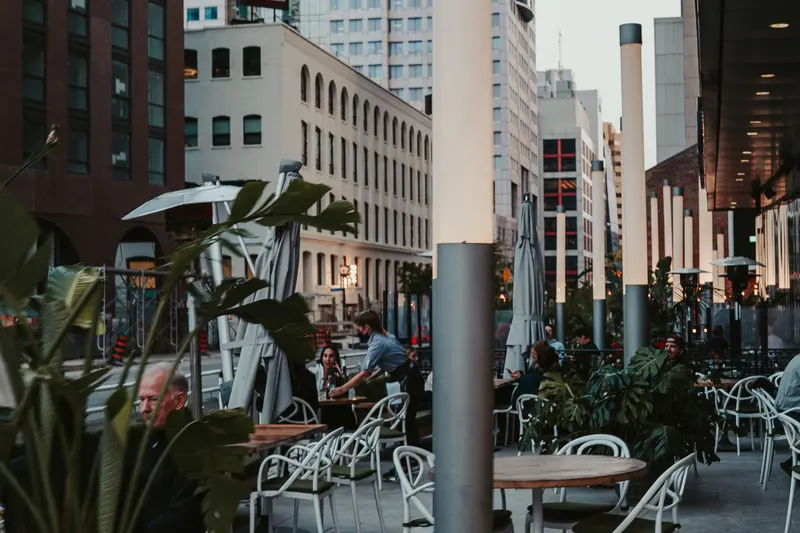
CaféTO curb lanes from May to mid-October, sidewalk tables on St. Clair West and Queens Quay.
52 cafés
Baldwin Street, laptop-free evenings at some cafés and C$6-an-hour tables in Harbord Village.
53 cafés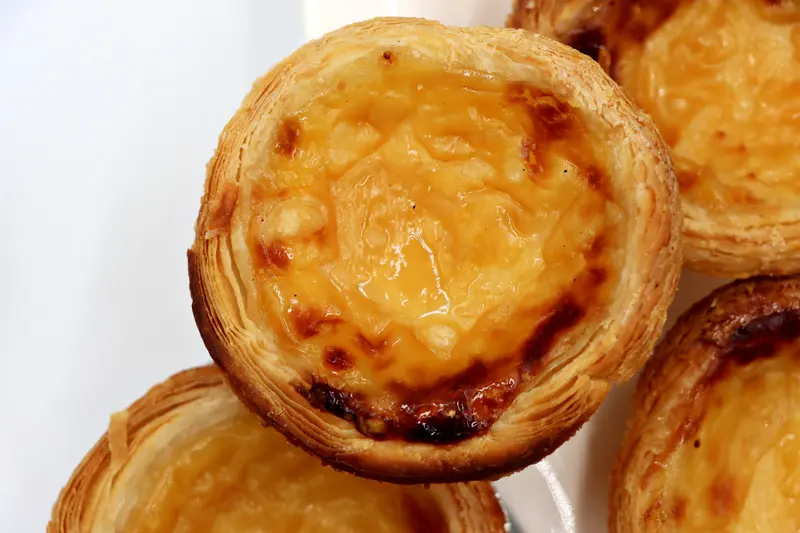
Cannoli on St. Clair West, pastéis de nata from Dundas West and donuts from 05:00.
55 cafés
Board games near Yonge and Dundas until 01:00, crepes on the Danforth, tea on Bloor.
34 cafésRecently opened and recently added
More about cafés in Queen West & Trinity Bellwoods
More about cafés in Kensington Market & Chinatown
More about cafés in Financial District & St. Lawrence
More about cafés in King West & Liberty Village
More about cafés in Downtown Yonge & Church-Wellesley
More about cafés in The Annex & Koreatown
More about cafés in Leslieville & Riverside
More about cafés in Parkdale & Roncesvalles
Showing up to 6 cafés per area. Each area page has the full list.
No café matches all of those filters. Try removing one, or tell us about a café we're missing.
Branches by area
Ask for "a coffee" and you get drip, ordered by size. A double-double means two creams and two sugars; the term belongs to Tim Hortons, though you will hear it outside the chain too.1 Independents can be cheap for drip: Sam James Coffee Bar charged $2.99 for any size from January 2026, after a fall 2025 offer at $2.49.6
Espresso drinks cost more. A regular cappuccino typically cost C$5.70 in Toronto in October 2026, across a range of C$3 to C$8.7 Flavored lattes sit at the top: a lavender latte at Isabella's in Union Station was $7 in September 2025, and a small black coffee at Dual Citizen in the Sheraton Centre $5.8
Menu prices exclude tax. Ontario charges 13% HST on top,9 but the 8% provincial part is rebated at the till when prepared food and drinks total $4 or less before tax, so a cheap drip carries only the 5% federal part.10
Card terminals often ask for a tip, even for a takeaway cup. Canadians are lukewarm about that: in a 2024 survey for Lightspeed, only 22% supported tipping at coffee shops, and 77% said they disliked tip prompts on payment terminals.11
| Drink | Typical price |
|---|---|
| Drip coffee Filter coffee, any size | C$2.99 Sam James Coffee Bar, from January 2026 |
| Large drip Large filter coffee | C$3.25 Daily Ritual, King St W, September 2025 |
| Cappuccino Regular size, typical C$5.70 | C$3–8 Toronto cafés, October 2026 |
| Lavender latte Flavored latte | C$7 Isabella's, Union Station, September 2025 |
Menu prices, before tax. The Sam James price is from blogTO in January 2026;6 the Daily Ritual and Isabella's prices are from a September 2025 tour of downtown cafés.8 The cappuccino range is Numbeo's crowd-sourced figure for October 2026.7 Ontario adds 13% HST at the till, less the 8% provincial rebate on orders of $4 or less.910
In Toronto, drip coffee often costs about C$3: Sam James Coffee Bar charged C$2.99 for any size from January 2026, and Daily Ritual C$3.25 for a large in September 2025. A regular cappuccino typically cost C$5.70 in October 2026, within a range of C$3 to C$8, and flavored lattes reach C$7. Menu prices exclude Ontario's 13% HST, which falls to the 5% federal part on orders of C$4 or less.
Queen West & Trinity Bellwoods and Kensington Market & Chinatown have the most cafés, followed by Financial District & St. Lawrence. Several Financial District cafés keep office hours: Sam James at 150 King Street West and Mos Mos at 25 King Street West close at weekends. In Queen West, cafés gather on Ossington Avenue and along Queen Street past Trinity Bellwoods Park.
A double-double is a coffee with two creams and two sugars. The term comes from Tim Hortons, the doughnut and coffee chain founded in Hamilton, Ontario, in 1964, and has appeared in print since 1985. The Canadian Oxford Dictionary marks it as a Canadian word, and it is still mostly tied to Tim Hortons, though you will hear it elsewhere.
Card terminals in Toronto coffee shops often prompt for a tip, but support for tipping at the counter is low. In a 2024 survey for Lightspeed, only 22% of Canadians supported tipping at coffee shops, and 77% said they disliked tip prompts on payment terminals. Ontario adds 13% HST to menu prices before any tip, or 5% on orders of C$4 or less.
Toronto's independent espresso scene is usually traced to Bulldog Coffee, which Stuart Ross opened near Church and Granby streets in 2003; it was the first café in the city to offer latte art. Cherry Bomb followed in 2005, Mercury Espresso Bar and Dark Horse in 2006, and Sam James Coffee Bar and Pilot Coffee Roasters, first called Te Aro, in 2009.
Your free listing is probably already on this page. Claim it in two minutes, or turn it into a featured page in your own design, with photos, a menu and your own link.