Brazil
Cafés in Rio de Janeiro cafezinho and confeitarias
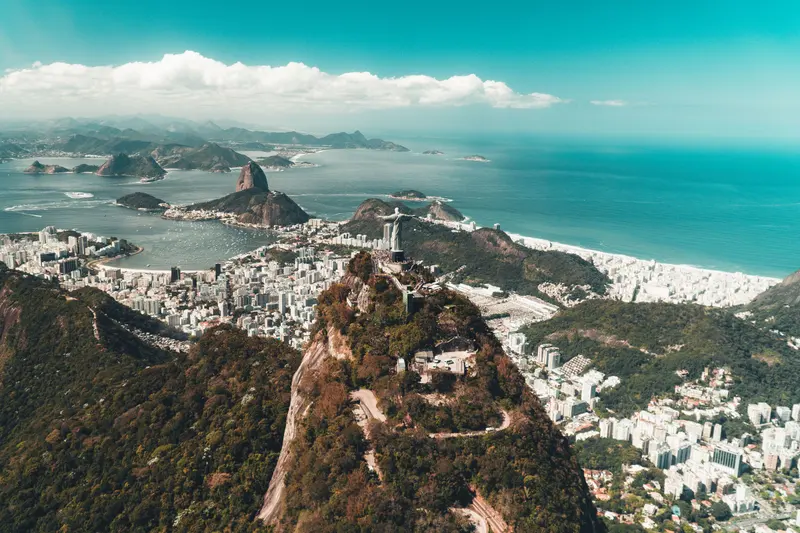
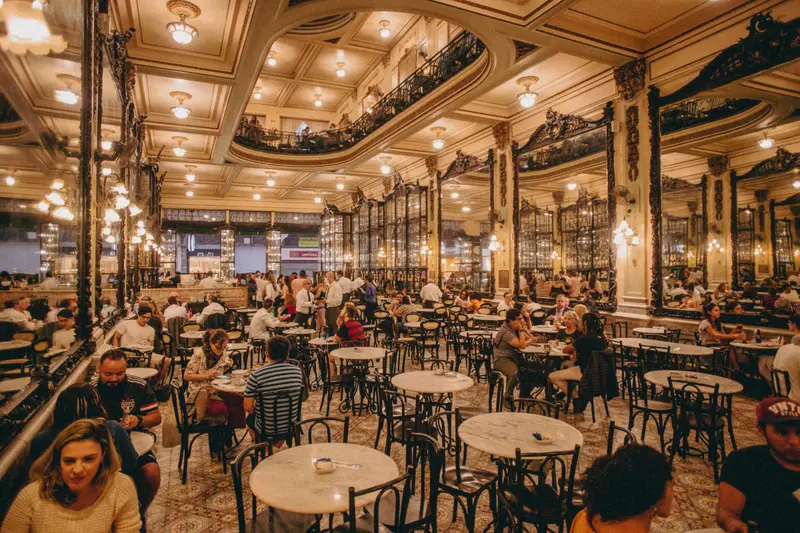
A cafezinho under the Antwerp mirrors of Confeitaria Colombo on Rua Gonçalves Dias, a 06:00 padaria (bakery) on Rua Conde de Bonfim and a late table on Avenida Nossa Senhora de Copacabana.
- Map and “near me”
- “Open now” filter
- Paid placements always labeled
Photo: Evandro Kluge, Pexels License
240Cafés listed
3Open by 6am
7Open past 10pm
4Specialty & roasters
Coffee seedlings came to Rio from Pará around 1760, and the first trees grew in the valleys of the hills that ring it.1 In the 1700s the Tijuca slopes were cleared for coffee, fuel and cattle, which harmed the water supply of what was then the capital; from 1861, Major Manuel Gomes Archer had the forest replanted by six enslaved people, and more than 100,000 trees went in by 1887.2 Rio stayed the leading coffee port until Santos overtook it in 1894.1
The café culture that outlived that era is the confeitaria (pastry shop). Casa Cavé, opened on 5 March 1860 by the French immigrant Auguste Charles Felix Cavé, is the oldest in the city.3 Confeitaria Colombo followed in 1894 on Rua Gonçalves Dias; between 1912 and 1918 its rooms were refitted in Art Nouveau style with crystal mirrors from Antwerp, and its regulars included Olavo Bilac, Villa-Lobos and Rui Barbosa.45
Specialty coffee came late. In 2016 Sprudge wrote that Rio had never been known for its coffee, blaming the heat and bitter, over-extracted espresso, and picked out Curto Café in Centro, which let customers set their own price.6 Ten years on, cafés pour espresso tônica (espresso over tonic) and cold brew next to the cafezinho, and Shopping Nova América in Del Castilho reported coffee-shop sales up 27% in the first quarter of 2026.7
Start with a bairro
Rio de Janeiro by area
Rio is divided into 166 bairros (neighborhoods) grouped in 33 administrative regions, and its people are cariocas.12 Cafés gather in Centro, in Botafogo and Flamengo and along the beaches from Leme to Leblon, all stops on Metro Line 1, which reached Copacabana in 1998.13
Leblon
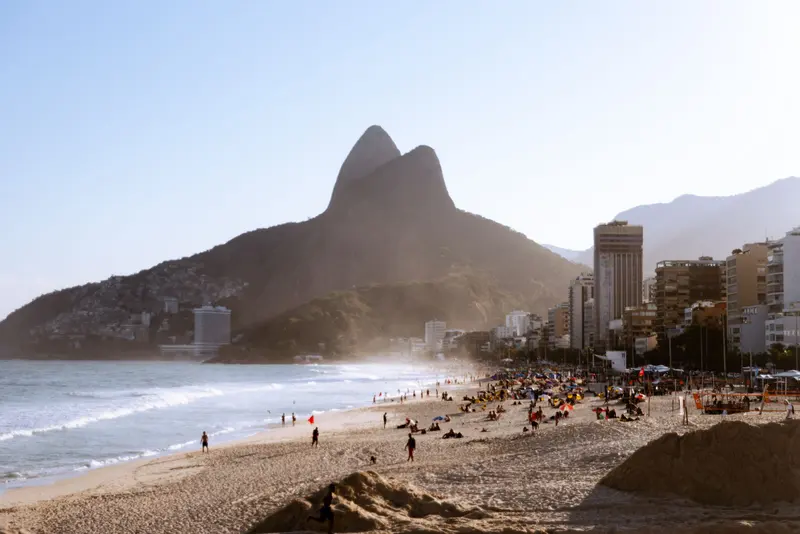
Rua Dias Ferreira and Avenida Ataulfo de Paiva, German baking at Confeitaria Kurt and the bar corner of Baixo Leblon.
16 cafés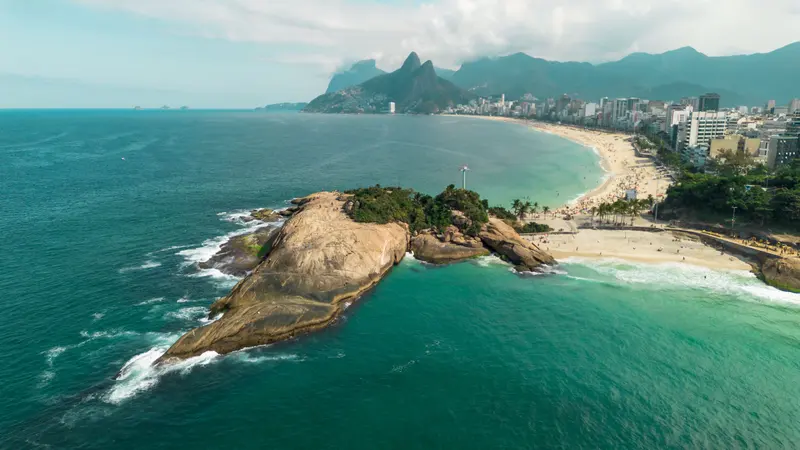
Ipanema & Arpoador
Cafés along Rua Visconde de Pirajá, Rua Vinícius de Moraes and Farme de Amoedo, and sunset on the Arpoador rock.
16 cafés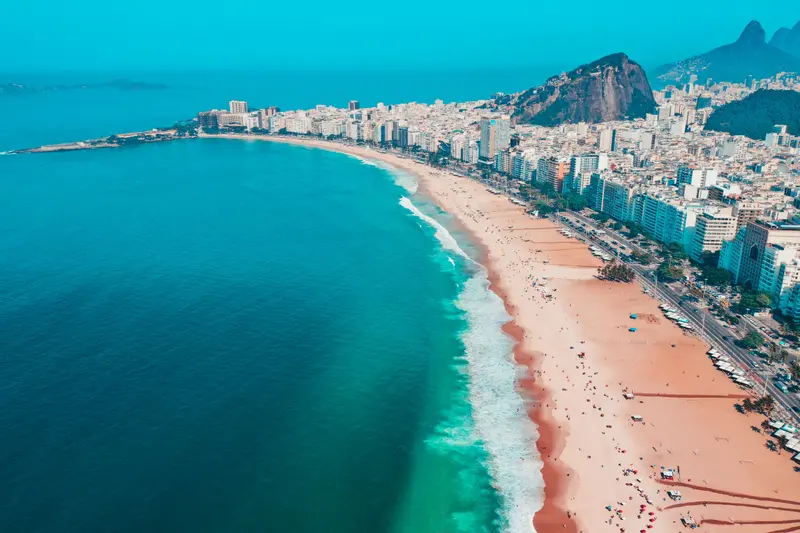
Copacabana & Leme
Cafés along Avenida Nossa Senhora de Copacabana, a 24-hour counter at Stalos and coffee inside the Forte de Copacabana.
35 cafés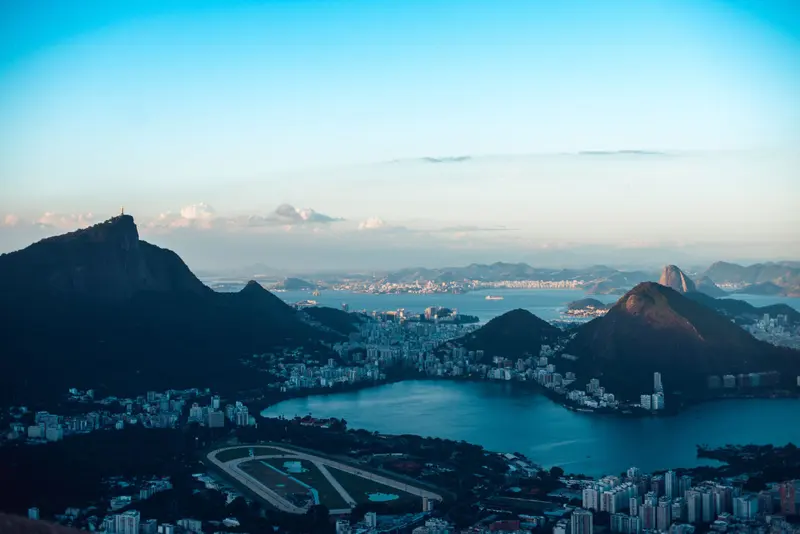
Lagoa, Jardim Botânico & Gávea
Cafés on Rua Jardim Botânico by the garden and Parque Lage, Jojô on Rua Pacheco Leão, and Gávea’s Rua Marquês de São Vicente.
13 cafés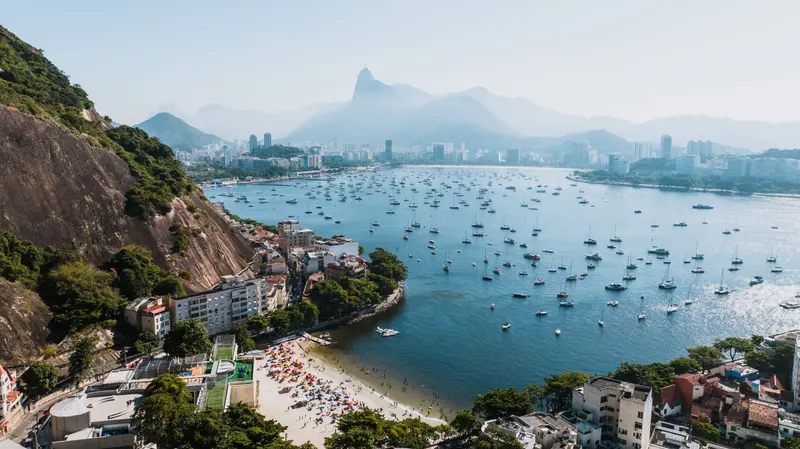
Botafogo, Humaitá & Urca
Rua Voluntários da Pátria from Botafogo up to the Cobal do Humaitá, with Sugarloaf across the cove in Urca.
30 cafés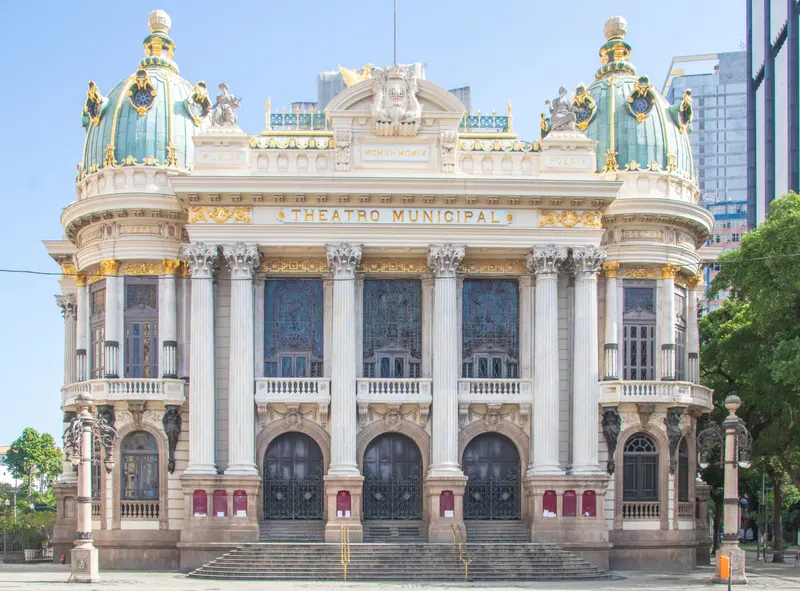
Centro & Lapa
Confeitaria Colombo on Rua Gonçalves Dias, espresso bars on Travessa do Ouvidor and Rua da Quitanda, and Café do MAR on Praça Mauá.
72 cafés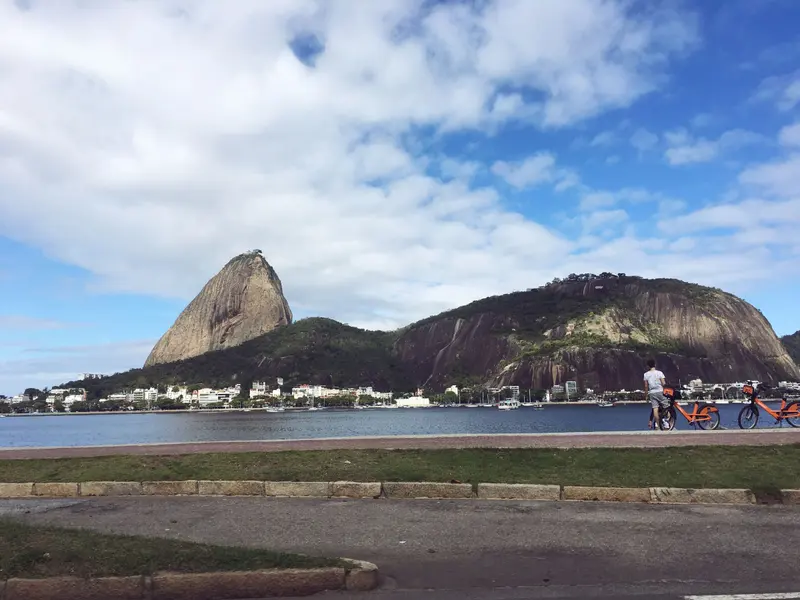
Flamengo, Catete & Laranjeiras
Cafés on Rua Senador Vergueiro and Rua do Catete, the Museu da República, and Cosme Velho below the Corcovado train.
21 cafés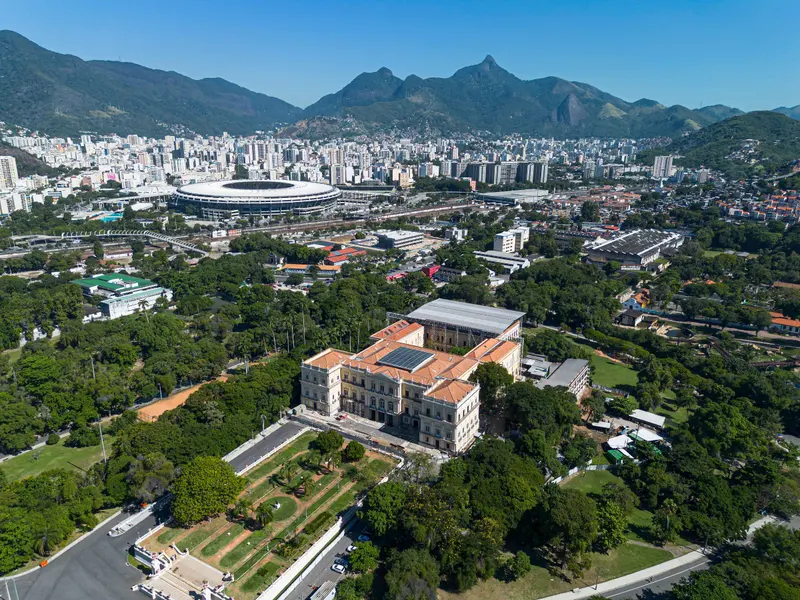
Tijuca, Vila Isabel & Maracanã
Early padarias on Rua Conde de Bonfim around Praça Saens Peña, Noel Rosa’s Vila Isabel and the Maracanã.
25 cafés
Or start with what you need
Browse by mood and hour
Padarias e confeitarias
Bakery cafés
Confeitarias from 1860 and 1894 in Centro, German biscuits in Leblon and cake counters from Copacabana to Tijuca.
15 cafés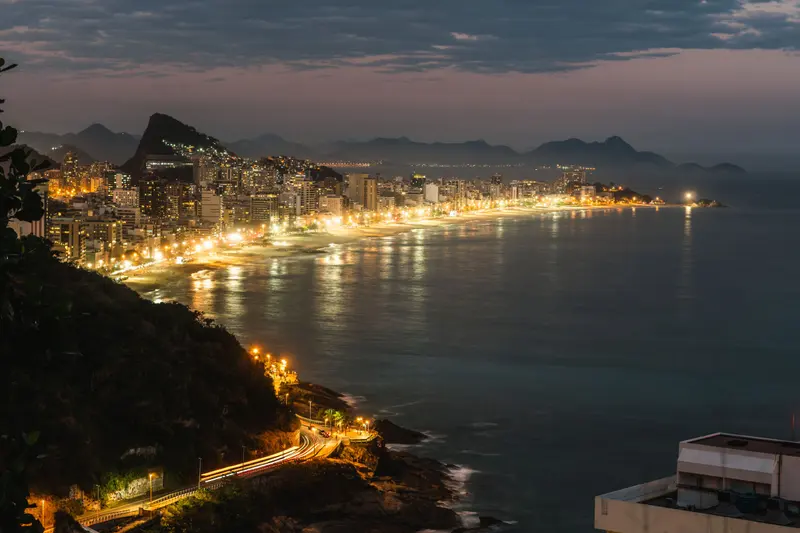
Aberto até tarde
Open late
A 24-hour counter on Avenida Nossa Senhora de Copacabana, Jojô until 01:00 and late tables in Botafogo and Tijuca.
7 cafés
Wi-Fi
Wi-Fi
Wi-Fi on Rua da Quitanda, Rua Siqueira Campos and Rua Fernandes Guimarães, and a free network at the Copacabana beach kiosks.
5 cafésLeblon 16 cafés
Café do Frei
Café Expresso Brasil
Café Severino
Coffeetown
All 16 cafés in Leblon
See the full listIpanema & Arpoador 16 cafés
More about cafés in Ipanema & Arpoador
Emporio Jardim la Praia
Emporio Jardim na Praia
- Brunch
AS Cafe
Aussie Coffee
Café com fé
Café Mais Bistrô
All 16 cafés in Ipanema & Arpoador
See the full listCopacabana & Leme 35 cafés
More about cafés in Copacabana & Leme
Apetite Café e Delicatessen
Drop
Stalos
- 24 hours
- Open by 6am
Armazém Terra Mineira
Galleria Café & Bistrô
- Bakery café
- Open late
- Brunch
All 35 cafés in Copacabana & Leme
See the full listLagoa, Jardim Botânico & Gávea 13 cafés
More about cafés in Lagoa, Jardim Botânico & Gávea
Jojô
Carioquices Café
Enredo Cafe
Garagem Das Letras da Rocinha
Green Garden
All 13 cafés in Lagoa, Jardim Botânico & Gávea
See the full listBotafogo, Humaitá & Urca 30 cafés
More about cafés in Botafogo, Humaitá & Urca
Café Botanica
Cake & Co.
- Smoke-free indoors
- Bakery café
Fica Café
- Wi-Fi
- Smoke-free indoors
Le Dépanneur Delicatessen
BARIO Cafés Especiais
- Specialty
All 30 cafés in Botafogo, Humaitá & Urca
See the full listCentro & Lapa 72 cafés
More about cafés in Centro & Lapa
Casa Cavé
Curto Café
- Smoke-free indoors
Move Coffee
- Air-con
- Indoor seating
- Card payment
- Partial wheelchair access
- Smoke-free indoors
Bistrô do Paço
- Smoke-free indoors
Café com Afeto
- Card payment
- Bakery café
All 72 cafés in Centro & Lapa
See the full listSanta Teresa 5 cafés
Cultivar
café do armazém
Cafecito
Livraria Largo das Letras
Mô Café
Flamengo, Catete & Laranjeiras 21 cafés
More about cafés in Flamengo, Catete & Laranjeiras
Metiers Café
Mimo Café
- Indoor seating
- Card payment
- Bakery café
Café flamengo
Café Ipiranga
Capitu Café
All 21 cafés in Flamengo, Catete & Laranjeiras
See the full listSão Cristóvão 7 cafés
Café Dellas
Cafe Lindo Rio Ltda
Café Outlet
Café Viajantes
Jardim Imperial Bistrô e Café
Tijuca, Vila Isabel & Maracanã 25 cafés
More about cafés in Tijuca, Vila Isabel & Maracanã
Allegra Caffè
Casa do bolo de pão de queijo
- Outdoor seating
Padelli Tijuca
- Open by 6am
Banana Tropical
Betoni
All 25 cafés in Tijuca, Vila Isabel & Maracanã
See the full listShowing up to 6 cafés per area. Each area page has the full list.
No café matches all of those filters. Try removing one, or tell us about a café we're missing.
Coffee chains in Rio de Janeiro
Branches by area
Chain
Cheirin Bão
Show 21 locations
Chain
The Coffee
Show 12 locations
- Botafogo, Humaitá & Urca
- Praia de Botafogo, 340
- R. Voluntários da Pátria, 368
- Centro & Lapa
- Centro & Lapa
- Centro & Lapa
- Copacabana & Leme
- R. Figueiredo de Magalhães, 00598 - Lj C
- Flamengo, Catete & Laranjeiras
- R. das Laranjeiras, 371
- Rua Marquês de Abrantes, 66
- Ipanema & Arpoador
- R. Vinícius de Moraes, 80 - Lj a
- Lagoa, Jardim Botânico & Gávea
- R. Jardim Botânico, 568
- Leblon
- Av. Afrânio de Melo Franco, 290 - Piso Novo - 0. Loja 15
- R. Rainha Guilhermina, 90C
- Tijuca, Vila Isabel & Maracanã
- Av. Maracanã, 987
Chain
Mais1 Café
Show 9 locations
- Botafogo, Humaitá & Urca
- Botafogo, Humaitá & Urca
- Centro & Lapa
- Rua Santa Luzia, 651
- Copacabana & Leme
- Copacabana & Leme
- Mais1 Café - Copacabana, Rua Barata Ribeiro, 611
- Flamengo, Catete & Laranjeiras
- R. do Catete, 346
- Ipanema & Arpoador
- R. Henrique Dumont, 68
- Tijuca, Vila Isabel & Maracanã
- Blvd. Vinte e Oito de Setembro, 134
- Mais1 Café - Tijuca, Rua Conde de Bonfim 10, lj. O
- Mais 1 café - Saens Peña, Rua Soares da Costa, 58
Chain
Starbucks
Show 9 locations
- Botafogo, Humaitá & Urca
- Praia de Botafogo, 400 - Terceiro Piso Botafogo Praia Shopping
- Rua Voluntários da PátriaDaily 07:00–21:00
- Centro & Lapa
- Praca Floriano 7 CentroMon–Fri 06:30–21:00 · Sat 09:00–20:00
- Praça Senador Salgado Filho
- Rua do Carmo, 11
- Rua do Rosário, 100
- Rua Gonçalves Dias, 50
- Rua Rodrigo Silva, 25
- Leblon
- Avenida Afrânio de Melo Franco, 290
Chain
Armazém do Café
Show 6 locations
- Centro & Lapa
- Rua do Carmo, 71
- Ipanema & Arpoador
- R. Vde. de Pirajá, 595
- R. Visc. de Pirajá, 261
- Rua Maria Quitéria, 77
- Leblon
- Avenida Ataulfo de Paiva, 375Mon–Thu 09:00–22:00 · Fri–Sat 09:00–23:30 · Sun 10:00–22:00
- R. Rita Ludolf, 87, Lj. B
Chain
California Coffee
Show 5 locations
- Botafogo, Humaitá & Urca
- Botafogo, Humaitá & Urca
- Centro & Lapa
- Rua México, 158
- Rua Santa Luzia, 651
- Lagoa, Jardim Botânico & Gávea
- Lagoa, Jardim Botânico & Gávea
- Tijuca, Vila Isabel & Maracanã
- Tijuca, Vila Isabel & Maracanã
Chain
Café Baroni
Show 4 locations
- Centro & Lapa
- Centro & Lapa
- Praça Quinze de Novembro, 20
- Travessa das Belas Artes, 5
- Flamengo, Catete & Laranjeiras
- Flamengo, Catete & Laranjeiras
Chain
Havanna
Show 4 locations
- Botafogo, Humaitá & Urca
- R. Voluntários da Pátria, 110
- Centro & Lapa
- Av. Alm. Silvio de Noronha, 365 - Loja 102
- Lagoa, Jardim Botânico & Gávea
- R. Marquês de São Vicente, 52
- Tijuca, Vila Isabel & Maracanã
- Havanna Brasil Oficial, Maracá Hostel, Rua Ribeiro Guimarães, 367
Chain
Casa do Pão de Queijo
- Centro & Lapa
- Centro & Lapa
- Rua da Quitanda, 190
- Tijuca, Vila Isabel & Maracanã
- RUA CONDE DE BONFIM 406 TIJUCA
Chain
Confeitaria Colombo
- Centro & Lapa
- R. Primeiro de Março, 66
- Rua Gonçalves Dias, 32Mon–Fri 09:00–19:30 · Sat 09:00–17:30
- Copacabana & Leme
- Praça Coronel Eugênio Franco, 1
Chain
Fran's Café
Chain
Sterna Café
Chain
Gato Café
- Botafogo, Humaitá & Urca
- Rua das Palmeiras, 16
- Copacabana & Leme
- Gato Café Copacabana, Av. Nossa Sra. de Copacabana, 400 - Lj D
Chain
Go Coffee
- Botafogo, Humaitá & Urca
- GoCoffee, Rua Lauro Müller, 16
- Tijuca, Vila Isabel & Maracanã
- Go Coffee Saenz Pena, Pr. Saenz Peña, 45 - Lj 204 (shopping 45
Before you sit down
How to order coffee in Rio de Janeiro
The cafezinho is the default order: a small, strong black coffee. Made the traditional way, water and sugar are brought to the boil, fine grounds are stirred in, and the coffee is strained through a cloth filter with a wooden handle.8 It is drunk black and sweet, from an espresso cup, a small glass or even a plastic one, and Brazilians pour it for guests as a matter of course, at a hairdresser or a dentist as much as at home.8
With milk, the words change. A pingado is a glass of hot milk with just a drop of coffee, sweetened after it is made; a média is espresso with steamed milk and a thin layer of foam, with more body than a café com leite (coffee with milk) and less than a cappuccino.9 The usual thing to eat with either is pão de queijo, the cheese bread of Minas Gerais, made with cassava flour instead of wheat, so it contains no gluten.10
Prices depend on the kind of place. In April 2026, Dianna Bakery in Tijuca charged R$13 for a café coado (filter coffee), R$14 for a café com leite and R$18 for an espresso tônica or a cold brew. The Porto do Sabor chain, with 26 shops in Rio, sold a mocaccino for R$13.90, and Zazá Bistrô in Shopping Leblon a café gelado (iced coffee) for R$22.7
A bill for table service often includes a taxa de serviço (service charge) of 10%. Paying it is optional, though leaving it off usually invites a question about the service. Since Lei 13.419 of 2017, the charge is shared among staff under rules set by a collective agreement or, failing that, a workers’ assembly.11
What coffee costs in Rio de Janeiro
| Drink | Typical price |
|---|---|
| Café coado Filter coffee | R$13 Dianna Bakery, Tijuca, April 2026 |
| Café com leite Coffee with milk | R$14 Dianna Bakery, Tijuca, April 2026 |
| Espresso tônica, cold brew Espresso over tonic, cold brew | R$18 Dianna Bakery, Tijuca, April 2026 |
| Mocaccino Mocha with milk | R$13.90 Porto do Sabor chain, April 2026 |
| Café gelado Iced coffee | R$22 Zazá Bistrô, Shopping Leblon, April 2026 |
Menu prices at individual cafés as of April 2026, from Diário do Rio’s survey of coffee in Rio cafés and shopping centers.7
Sources
- Ciclo do café, Wikipedia (Portuguese), accessed October 2026
- Tijuca Forest, Wikipedia, accessed October 2026
- Casa Cavé, Wikipedia (Portuguese), accessed October 2026
- Confeitaria Colombo, Wikipedia, accessed October 2026
- Confeitaria Colombo, Wikipedia (Portuguese), accessed October 2026
- 5 Coffee Destinations In Rio de Janeiro, Sprudge (July 25, 2016), accessed October 2026
- Do cafézinho ao tiramisu: cafeterias e restaurantes no Rio exploram a bebida em receitas e drinks, Diário do Rio (April 14, 2026), accessed October 2026
- When It Comes To Coffee In Brazil The Cafézinho Reigns Supreme, Tasting Table (December 17, 2022), accessed October 2026
- Pingado, expresso, curto: conheça os principais tipos de café, TudoGostoso (May 9, 2017), accessed October 2026
- Pão de queijo, Wikipedia, accessed October 2026
- Gorjeta, Wikipedia (Portuguese), accessed October 2026
- Rio de Janeiro, Wikipedia, accessed October 2026
- Rio de Janeiro Metro, Wikipedia, accessed October 2026
FAQ
Cafés in Rio de Janeiro: common questions
How much does a coffee cost in Rio de Janeiro?
In April 2026, Dianna Bakery in Tijuca charged R$13 for a café coado (filter coffee), R$14 for a café com leite and R$18 for an espresso tônica or a cold brew. The Porto do Sabor chain, with 26 shops in Rio, sold a mocaccino for R$13.90, and Zazá Bistrô in Shopping Leblon an iced coffee for R$22.
Which neighborhood of Rio de Janeiro has the most cafés?
Centro & Lapa and Copacabana & Leme have the most cafés, followed by Botafogo, Humaitá & Urca. Centro & Lapa has the most cafés, roughly twice as many as Copacabana & Leme in second place, with Botafogo third; Tijuca leads the North Zone.
What is the oldest confeitaria in Rio de Janeiro?
Casa Cavé, opened on 5 March 1860 by the French immigrant Auguste Charles Felix Cavé, is the oldest confeitaria (pastry shop) in Rio. Confeitaria Colombo came next, in 1894, on Rua Gonçalves Dias in Centro, and was refitted between 1912 and 1918 with crystal mirrors brought from Antwerp.
What is the difference between a pingado and a média in Rio de Janeiro?
A pingado is a glass of hot milk with just a drop of coffee, sweetened after it is made. A média is espresso with steamed milk and a thin layer of foam, with more body than a plain café com leite and less than a cappuccino. Both go well with pão de queijo, the gluten-free cheese bread of Minas Gerais.
What is a cafezinho in Rio de Janeiro?
A cafezinho is a small, strong black coffee, traditionally made by boiling water with sugar, stirring in fine grounds and straining it through a cloth filter. It is drunk black and sweet from a small cup or glass, and Brazilians offer it to guests as hospitality, even at the hairdresser or the dentist.
Do you tip in cafés in Rio de Janeiro?
Bills for table service in Rio often include a 10% taxa de serviço (service charge). Paying it is optional, although leaving it off usually prompts a question about the service. Under Lei 13.419 of 2017, the money is shared among staff according to a collective agreement or a workers’ assembly.
For café owners
Run a café in Rio de Janeiro?
Your free listing is probably already on this page. Claim it in two minutes, or turn it into a featured page in your own design, with photos, a menu and your own link.