San José · Guadalupe, Tibás & Moravia
Cafés in Guadalupe, Tibás & Moravia
A small-batch roaster in Tibás, Entre Migas' breakfasts from around the world and Moravia's coffee-mill past.
Photo: Luis Alberto Arias, Pexels License
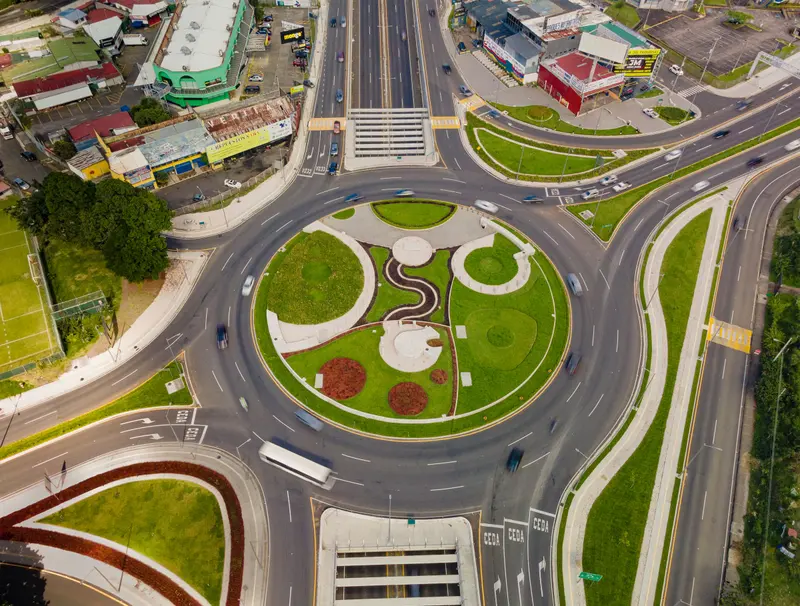
Guadalupe, San Juan de Tibás and San Vicente de Moravia, the head towns of the cantons of Goicoechea, Tibás and Moravia, sit just north of central San José. In colonial times all three belonged to the Valle del Murciélago (bat valley), and the bat is still the emblem of Tibás.4
Tibás covers just 8.15 km², the smallest canton in the province and the most densely populated in the country.4 Cafés are spread thin: two on Avenida 7, three on the streets numbered 45 (Avenida 45, Avenida 45A and Calle 45), and the rest scattered through the barrios, some with addresses given from landmarks rather than house numbers.
Local tip: For a morning coffee, go to Caferettia y Heladería JEF, which opens daily at 09:00, rather than Café República, which does not open until 12:00 on weekdays and 14:00 on Saturdays.
At a glance
16Cafés listed
2With opening hours
09:00Earliest opening
19:00Latest closing
- Opens earliest: Caferettia y Heladeria JEF, from 09:00 (Daily 09:00–18:00).
- Closes latest: Café República, until 19:00 (Mon–Fri 12:00–19:00 · Sat 14:00–19:00).
- Most common features: wheelchair access (13%), wi-fi (6%), bakery café (6%).
Café Hijo del Viejo
El Mundo De Sofia
Kaldi Cafetería y Pastelería
- Wheelchair access
- Bakery café
Lilly's Restaurante & Cafetería
Antojitos de Mi Tierra
Caferettia y Heladeria JEF
Cafetear
D'Kaffee
El Sabor de Gis
L'incontro Caffe
- Wheelchair access
La Promesa
Entre Migas
Las Delicias
Letys Café
Panda House
Nothing matches those filters here. See all cafés in San José.
Moravia: coffee mills and a canton
When San Vicente's residents petitioned again for their own canton in 1914, they counted 3,071 inhabitants, more than ten shops, two beneficios (coffee-processing mills) and two trapiches (sugar-cane mills).1 They asked for the name Valencia, birthplace of their patron, Saint Vincent Ferrer. Congress created the canton on 31 July 1914 but named it Moravia, after the former president Juan Rafael Mora Porras.15
In the 1927 census, 62.7% of San Vicente's working men were in agriculture.1 Mélida Berrocal, interviewed in 1993, remembered picking coffee as a girl: men shoveled, women stripped moss from the coffee stems and were paid by the plant, and at harvest time everyone picked, with afternoons spent sorting beans at the mill.1 The town's semi-Gothic church, begun in 1907, stands on a metal frame shipped from Germany.5
San Juan de Tibás and a small-batch roaster
The name Tibás first appears in a document of 29 July 1687, and one reading traces it to the Huetar Tí-Bás, "hot or beautiful river".4 Before that, people called the place San Juan del Murciélago, and during the War of the League in 1835 it was briefly named capital of Costa Rica.4 Municipal records first mention the barrio of San Vicente, under the Cuartel del Murciélago, in 1824.2
Café Hijo del Viejo roasts in small batches in San Juan, 100 m north and 25 m east of the Más x Menos supermarket. Its founder, Edgar Hernandez, earned a Coffee Brewing Academy certification in Cuenca, Ecuador, and runs courses on roasting and brewing.6 All its beans come from Costa Rican producers, among them a peaberry from the Los Santos region; a bag of ground Tradicional cost ₡3,500 as of 2026.6
Guadalupe, Goicoechea and the afternoon cafés
Guadalupe took its name in 1851, when the old cuartel of San José was renamed for the Virgin of Guadalupe.3 Residents asked in 1890 for a canton called Guadalupe, but Congress chose Goicoechea in 1891 to honor the friar José Antonio de Liendo y Goicoechea; Guadalupe stayed as the head town's name and became a city in 1920.3
El Mundo de Sofía is 50 m north of the Novacentro entrance in Guadalupe. Entre Migas, La Boutique del Pan, builds its breakfasts around dishes from different countries, from a French croque madame to Mexican chilaquiles. Its Bowl Tico of gallo pinto (rice and beans), egg, fried cheese, ripe plantain, natilla (sour cream) and avocado cost ₡5,300 as of 2026.7
Café República, with Wi-Fi, opens at 12:00 on weekdays and 14:00 on Saturdays and closes at 19:00; L'incontro Caffe is at Avenida 45A 205. Kaldi Cafetería y Pastelería, a bakery café on Calle Damiana, has step-free access.
Sources
- San Vicente de Moravia a la luz del censo de 1927 (Francisco Enríquez Solano), Revista de Ciencias Sociales, Universidad de Costa Rica, accessed November 2026
- Acerca del cantón, Municipalidad de Moravia, accessed November 2026
- El cantón: historia del cantón, Municipalidad de Goicoechea, accessed November 2026
- Cantón de Tibás, Wikipedia (Spanish), accessed November 2026
- Cantón de Moravia, Wikipedia (Spanish), accessed November 2026
- Café Hijo del Viejo: Specialty Coffee Roaster, Café Hijo del Viejo, accessed November 2026
- Entre Migas La Boutique del Pan, Entre Migas, accessed November 2026
Keep exploring
More of San José
Barrio Amón & Otoya
18 cafésBarrio Aranjuez
7 cafés
Barrio Escalante & La California
22 cafés
Centro
30 cafés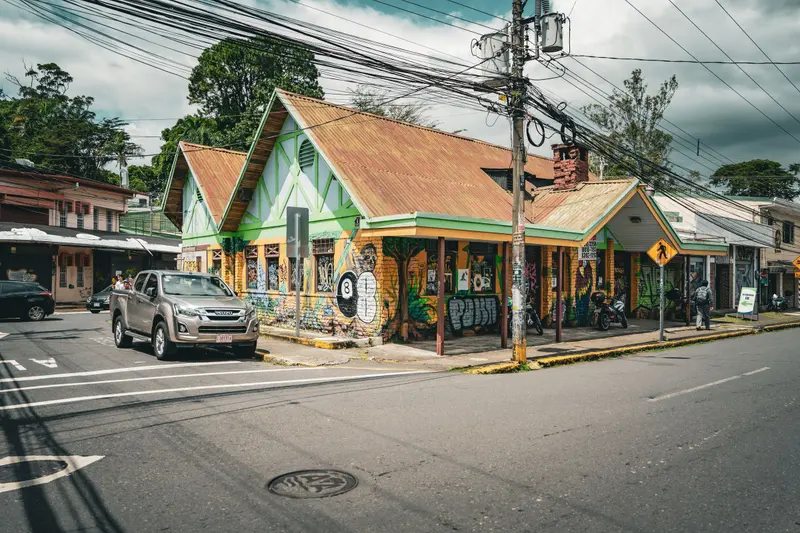
Los Yoses & San Pedro
22 cafés
La Sabana & Rohrmoser
11 cafésCurridabat & Zapote
13 cafésHatillo & the south
9 cafésIn Guadalupe, Tibás & Moravia, also browse: Wi-Fi Bakery cafés
FAQ
Guadalupe, Tibás & Moravia cafés: questions
Where can you buy freshly roasted coffee in Guadalupe, Tibás and Moravia, San José?
Café Hijo del Viejo roasts in small batches in San Juan de Tibás, 100 m north and 25 m east of the Más x Menos supermarket. It sells whole-bean and ground Costa Rican coffee, including a peaberry from Los Santos, and runs roasting and brewing courses.
What is the coffee history of Moravia in San José, Costa Rica?
When San Vicente de Moravia asked to become a canton in 1914, it had two coffee-processing mills and two sugar-cane mills. In the 1927 census, 62.7% of its working men were in agriculture, and local women recalled picking coffee and sorting beans at the mill.
Which café in Guadalupe, Tibás and Moravia, San José has Wi-Fi?
Café República, on Diagonal 45 at Avenida 45, has Wi-Fi. It opens at 12:00 on weekdays and 14:00 on Saturdays and closes at 19:00, so it suits an afternoon coffee rather than breakfast.
For café owners
Own a café in Guadalupe, Tibás & Moravia?
Free listings are free for good. A featured page gives you photos, a menu and your own URL, in your café's own design, for less than a coffee a day.