
Cafés in Laos Luang Prabang
Bolaven Plateau robusta and arabica, iced kafe yen with condensed milk, and Luang Prabang's Mekong cafés and wood-fired baguettes.
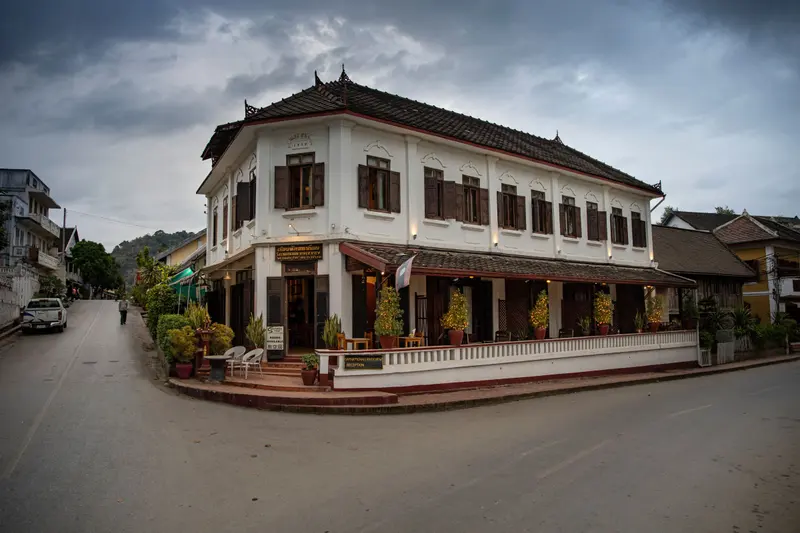
Photo: Dick Hoskins, Pexels License
Laos sells coffee to more than 20 countries, with Thailand, France, Japan, Belgium and Finland among the main buyers.3 In 2024 exports passed 50,000 tons and earned more than US$100 million, according to the Lao News Agency, and over 25,000 households grow coffee and tea on small farms.4 Thailand leans on the crop most: from January to July 2025, Lao beans made up 51% of Thai coffee imports, up from 28% a year earlier.5
Coffee covers about 97,400 hectares in 11 provinces, and the farmers even appear on money: the 500 kip note shows a coffee harvest.3 Robusta makes up about 80% of the crop.2 At home it goes mostly into the sweet, milky glass sold at street stalls, while arabica is kept for espresso.1
From French planters to the Bolaven Plateau
French colonists planted the first coffee in Laos around 1915. Early attempts in the north failed, and the planters turned to the south, where an ancient volcanic eruption had left mineral-rich soils.1 They settled on the Bolaven Plateau in Champasak province, at about 1,000–1,350 m, and planted both arabica and robusta. The harvest fell during the war years and has since recovered.2
The plateau still yields about 95% of the national crop, much of it from the area around Paksong, where the vegetation stays green all year.1 Champasak alone has more than 50,000 hectares of plantations.3 Robusta here grows at around 1,300 m, higher than in most robusta-growing countries, and for two decades the government has worked with growers to plant more arabica, which fetches a better price.1
Coffee instead of opium in the north
Northern Laos came to coffee later and for a different reason. Hmong, Yao (Mien), Gasak and Khmu villages had long grown opium poppy on slopes too steep for rice, and when eradication programs arrived in the early 2000s they were left with few alternatives.7 Coffee became the replacement cash crop; former poppy growers now export to countries including France, and many have formed cooperatives.8
Saffron Coffee was founded in Luang Prabang in 2006 to buy cherries from those villages and roast them in town; its farmers grow Catimor and Typica arabica at about 800–1,300 m.7 The shift continues. In Houaphanh province about 900 families have moved from poppy to coffee since 2015 under a project backed by the UN Office on Drugs and Crime.6
Kafe lao: condensed milk, ice and a tea chaser
The everyday Lao coffee is strong, made by pour-over or French drip and stirred into sweetened condensed milk. It is sold from street-side stands and small family shops with simple seating.9 Order ກາເຟເຢັນ (kafe yen, iced coffee) and the same strong brew and condensed milk come over ice.10
It often arrives in a glass rather than a cup, with a glass of jasmine tea served alongside as a chaser, a pairing recorded at a family-run coffee shop beside the Mekong in Luang Prabang in 2008.11 For a plain black cup, ask for ກາເຟດໍາ (ka fe dam); ກາເຟນ້ຳນົມ (ka fe nam nom) adds milk.10
Luang Prabang: baguettes, the Mekong and Lao beans
The Kingdom of Luang Prabang came under a French protectorate at the end of the 19th century, and bread and coffee are among the plainest traces of that period.12 One bakery in town still bakes baguettes by hand in a wood-fired oven, and crusty loaves are piled on roadside carts. UNESCO's 1995 listing singled out the town's fusion of traditional architecture and Lao urban structures.12
Cafés here stand among colonial-era mansions and heritage hotels along the Mekong. Their menus pair coffee with almond croissants and khao jee pâté (ເຂົ້າຈີ່, the local baguette sandwich), and the Lao latte comes thickened with condensed milk.8 Beans arrive from the Bolaven Plateau, from northern hill farms and from Xaisomboun province in central Laos, and the busiest months are December to February, the peak of the tourist season.8
Sources
- Coffee production in Laos, Wikipedia, accessed October 2026
- Bolaven Plateau, Wikipedia, accessed October 2026
- From soil to cup: Laos earns its place on the world coffee map, The Star / Xinhua (January 18, 2026), accessed October 2026
- Luang Prabang Brews Success at International Coffee and Tea Day 2025, KPL Lao News Agency (October 7, 2025), accessed October 2026
- Viet Nam is Thailand's second largest coffee supplier, Nhân Dân Online (September 29, 2025, citing International Trade Centre data), accessed October 2026
- Laos transitions from backpackers haven to global coffee producer, The Star (May 29, 2026), accessed October 2026
- Saffron Coffee's Brendan Pont: "Not many people know about northern Lao coffee", Mekong Tourism (November 22, 2022), accessed October 2026
- The Sprudge Guide To Coffee Shops In Luang Prabang, Laos, Sprudge (Zinara Rathnayake, March 11, 2024), accessed October 2026
- Slow brews and highland beans: how Laos is quietly building a coffee identity, Seasia.co (Mohammad Reiza, September 27, 2025), accessed October 2026
- 6 Interesting Lao Words For Coffee, Ling (October 6, 2023), accessed October 2026
- Things I like about Laos #4: coffee, Austin Bush (July 21, 2008), accessed October 2026
- Legacies of Luang Prabang, Champa Meuanglao, Lao Airlines inflight magazine (Anita Preston, June 24, 2024), accessed October 2026
Cafés in Laos: questions
Where is coffee grown in Laos?
Mostly on the Bolaven Plateau in Champasak province, southern Laos, which yields about 95% of the national crop at roughly 1,000–1,350 m. French colonists planted coffee there after trials in the north failed. Hill villages in northern Laos also grow arabica, often as a replacement for opium poppy.
How is Lao coffee traditionally served in Laos?
Strong, made by pour-over or French drip and mixed with sweetened condensed milk, often in a glass with jasmine tea on the side. Kafe yen is the iced version with the same condensed milk, and ka fe dam is black coffee. Robusta goes mostly into these sweet drinks, while arabica is used for espresso.
How much coffee does Laos export?
In 2024 Laos exported more than 50,000 tons of coffee worth over US$100 million, according to the Lao News Agency, to more than 20 countries including Thailand, France, Japan, Belgium and Finland. From January to July 2025, Lao beans made up 51% of Thailand's coffee imports. About 80% of the crop is robusta.
Your café deserves better than a pin someone else dropped
Free listings are free for good. A featured page gives you photos, a menu and your own URL, in your café's own design, for less than a coffee a day.