Miraflores
Cofaine
- Wi-Fi
- Outdoor seating
- Card payment
- Wheelchair access
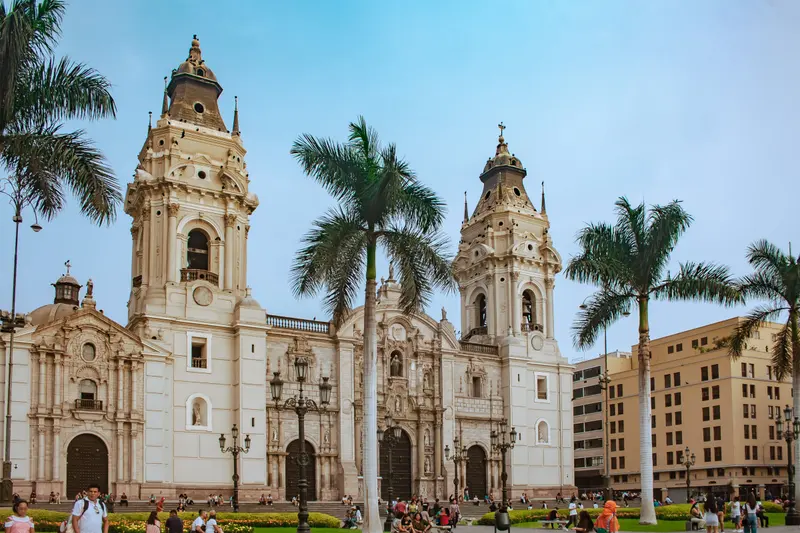
Specialty bars on Calle Alcanfores, churros on Avenida Larco, chocolate shops in the Centro.
Photo: Cristian Loayza, Pexels License
Lima drinks coffee in two registers. The older one is domestic and quick: café pasado, the slow-dripped house coffee, a late-afternoon lonche, and emoliente from a street cart. The newer one is the specialty bar. In 2019 the Cámara Peruana del Café y Cacao, the national coffee and cocoa chamber, put Lima's specialty coffee shops at more than 180, most of them run by enthusiasts rather than national chains.1
The chamber also estimated that bakeries, restaurants and cafés account for 75% of the coffee drunk outside the home.1 Recognition has followed the growth. When the South American edition of The World's 100 Best Coffee Shops was announced in Bogotá on 25 October 2025, Lima had 16 of the 23 Peruvian entries.2
It almost never rains here: most of Peru's desert coast receives under 10 mm a year.3 Winter brings the garúa instead, a cold, damp sea fog that is heaviest from July to September, the coolest months, at about 17 °C.3 In July and August the city averages less than an hour of sunshine a day.3
Lima Province is divided into 43 districts.11 Specialty coffee took root first in three of them, Miraflores, San Isidro and Barranco, and has since reached districts such as San Juan de Lurigancho and Ventanilla.1
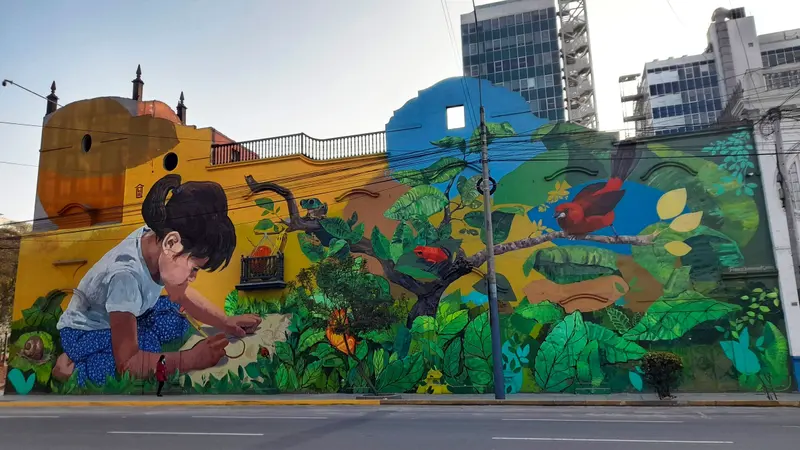
Lima's bohemian district: the Puente de los Suspiros, Tostaduría Bisetti and evening emoliente.
39 cafés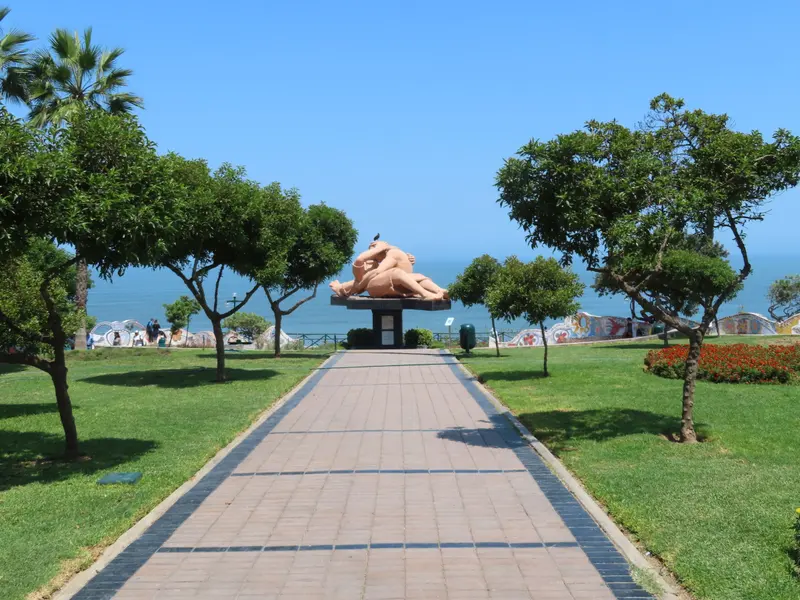
Parque Kennedy, Avenida Larco and the specialty bars on Alcanfores, Recavarren and Enrique Palacios.
134 cafés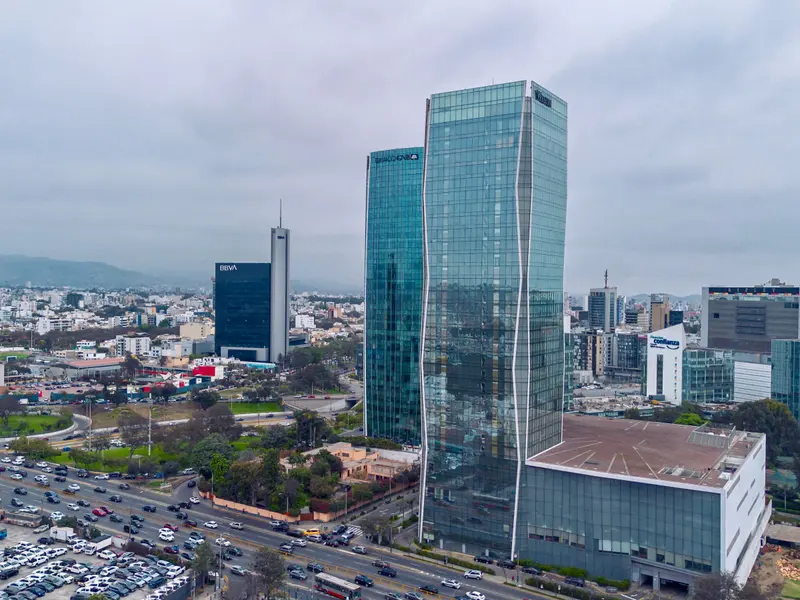
Lima's financial district: weekday coffee on Rivera Navarrete, Miguel Dasso and around El Olivar.
44 cafés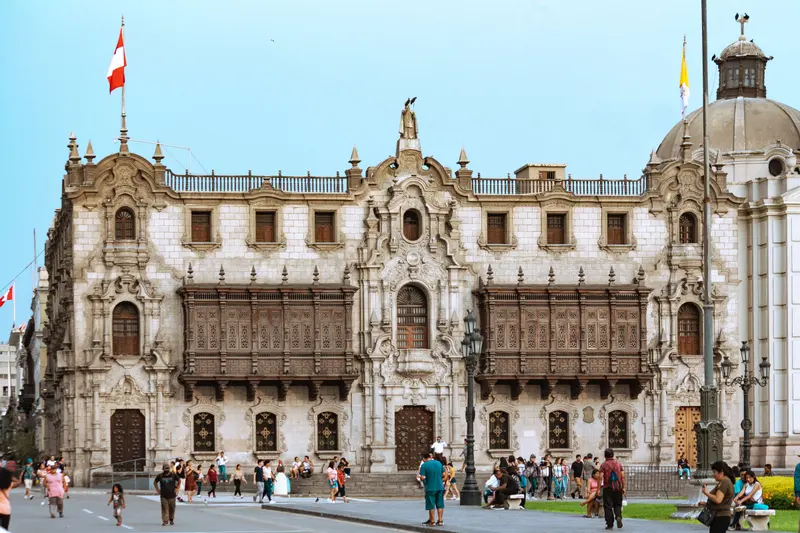
Plaza Mayor, Jirón de la Unión and the chocolate shops, churrerías and bodegas of the old city.
54 cafés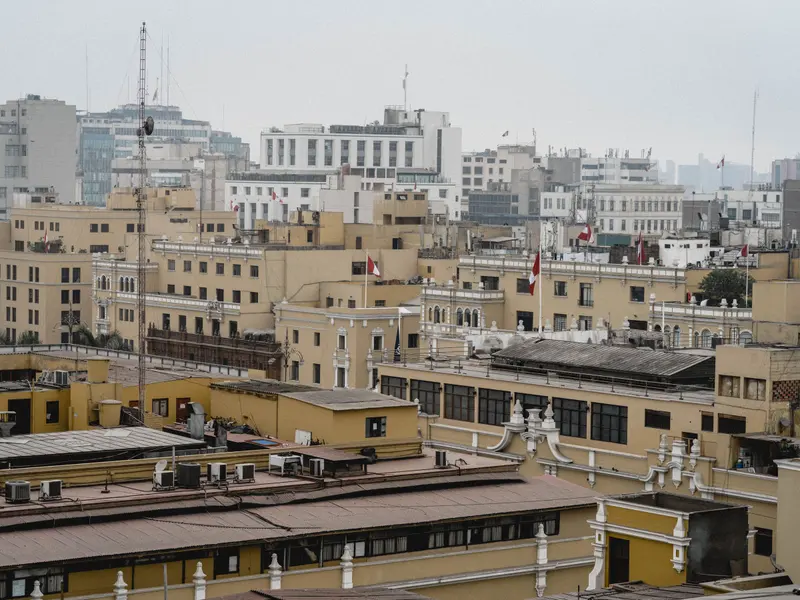
Two residential districts between the Centro and San Isidro: Campo de Marte, Avenida Arenales and corner pastelerías.
39 cafés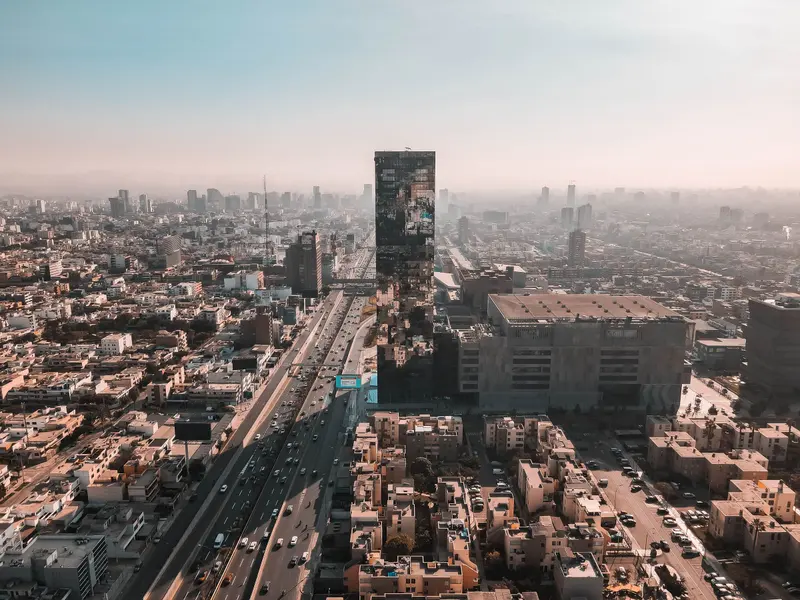
A large residential district: cafés off Javier Prado Este, along Avenida Primavera and on Benavides.
39 cafés
Roasters and espresso bars brewing Villa Rica, Cusco and Cajamarca beans, above all in Miraflores.
9 cafés
Fiber-fast cafés for a working day, clustered in Miraflores and San Isidro.
29 cafés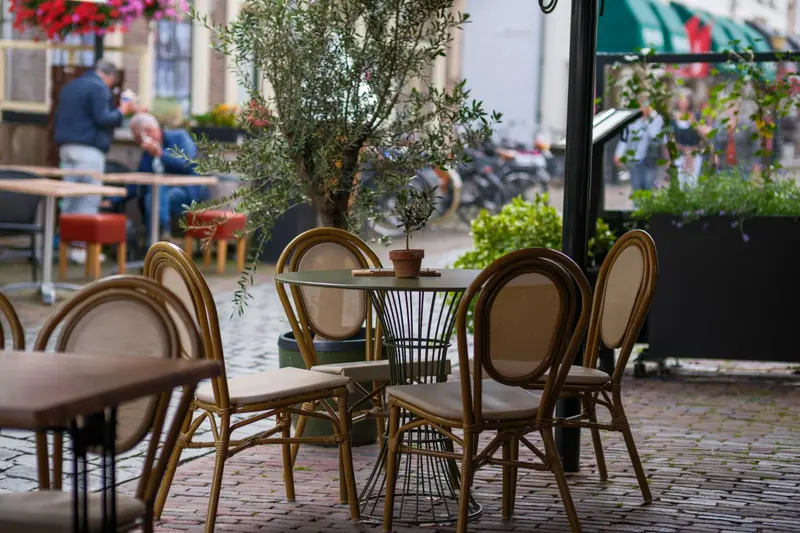
Terraces for Lima's sunny summer, most of them on Miraflores side streets.
27 cafés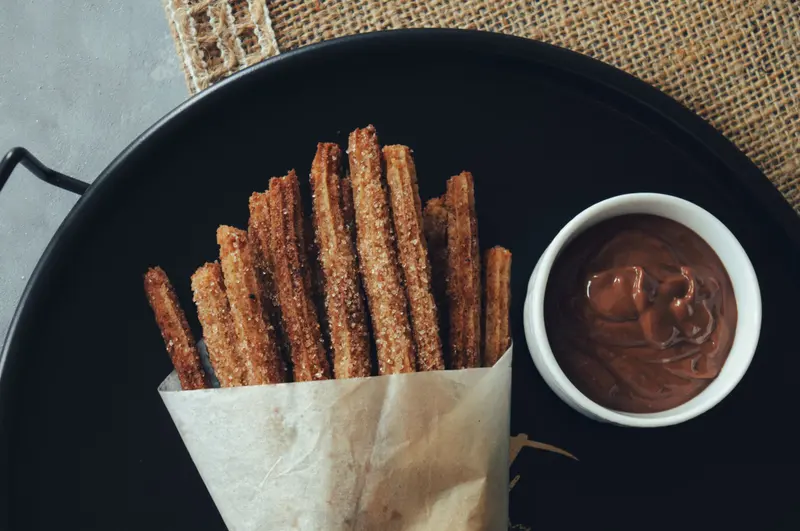
Churros until 01:00, Barranco evenings and emoliente from the cart.
26 cafés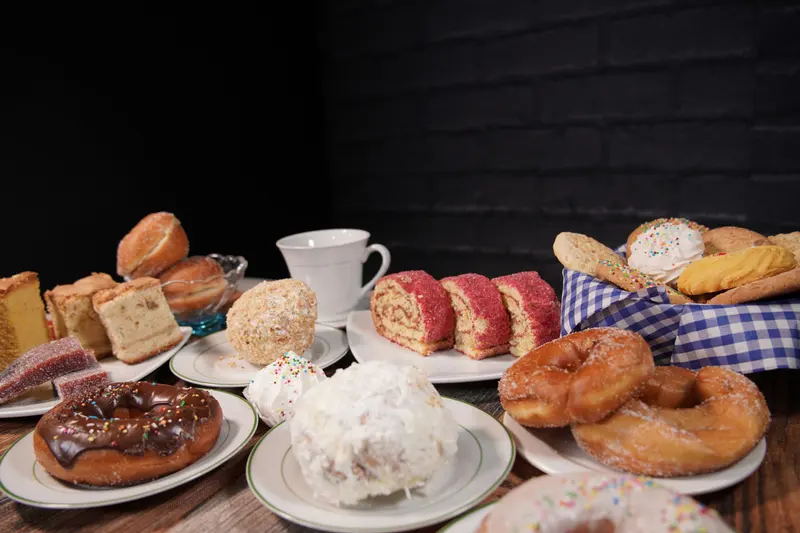
Pastelerías for lonche, alfajores and October's turrón.
30 cafésRecently opened and recently added
El Bigote Coffee and Waffles
More about cafés in Miraflores
More about cafés in San Isidro
More about cafés in Centro de Lima
More about cafés in Jesús María & Lince
More about cafés in Santiago de Surco
Showing up to 6 cafés per area. Each area page has the full list.
No café matches all of those filters. Try removing one, or tell us about a café we're missing.
Branches by area
Café pasado is the household method: water is poured over grounds in the upper half of a two-chamber pot, and the extract that drips through can be added to a cup of hot milk.4 Specialty bars use the international names, from espresso and americano to cappuccino and latte. On Café de Lima's 2026 menu in Miraflores, the list runs from an espresso at S/ 7 to a cold brew at S/ 19.5
Lonche, a word borrowed from the English lunch, is the Peruvian name for a light afternoon meal of tea or coffee with something to eat.6 Pastelerías (pastry shops) and bakery-cafés serve it with cakes and sandwiches. In the Centro, the snack can be a churro: on Jirón Lampa in 2022, one filled with manjar blanco (milk caramel) or crema pastelera (custard) cost S/ 2.50–3.7
Emoliente belongs to the street. Emolienteros (emoliente sellers) make it on mobile carts from toasted barley and herbs such as Andean horsetail, flaxseed and boldo, sweetened and sharpened with lemon juice, and it is drunk in the morning or at night.8 In August 2022 a glass cost S/ 1.50 at almost every stall in Lima, up from S/ 1 a year earlier.9
Tipping is voluntary in Peru. The usual figure at table service is 10%, or 5–7% after poor service, according to José Miguel Gamarra, a former president of the hospitality association AHORA Perú, speaking in 2020.10
| Drink | Typical price |
|---|---|
| Emoliente Hot barley-and-herb drink, street cart | S/ 1.50 Most Lima stalls, August 2022 |
| Churro Filled churro | S/ 2.50–3 Jirón Lampa, Centro, 2022 |
| Espresso Espresso | S/ 7 Café de Lima, Miraflores, 2026 |
| Americano / cappuccino Black coffee / cappuccino | S/ 11–12 Café de Lima, Miraflores, 2026 |
| Latte Latte | S/ 13 Café de Lima, Miraflores, 2026 |
Café prices are from Café de Lima's 2026 menu for its Miraflores branches.5 The churro range comes from El Popular's September 2022 round of Jirón Lampa churrerías, and the emoliente price from RPP's August 2022 report, when stallholders were already weighing a rise to S/ 2.79
Café Wi-Fi abroad: public-network safety, eSIM and SIM registration in Vietnam, Thailand and Peru, mobile vs fixed speeds for 2026, and plug types by country.
Coffee travelCoffee harvest months in Vietnam, Thailand, Indonesia, Colombia, Mexico and Peru, with Brazil and Ethiopia: when to visit farms and when new crop arrives.
How to orderTinto in Bogotá, americano in Mexico, café pasado in Lima, cocido in Asunción: the coffee words, sugar, sizes, the bill and tipping in four countries.
On Café de Lima's 2026 menu in Miraflores, an espresso costs S/ 7, an americano S/ 11, a cappuccino S/ 12 and a latte S/ 13. Street drinks cost far less: in August 2022 a glass of emoliente cost S/ 1.50 at almost every stall, and a filled churro on Jirón Lampa in the Centro cost S/ 2.50–3 that year.
Miraflores and Centro de Lima have the most cafés, followed by San Isidro. Miraflores has about two and a half times as many cafés as the Centro, the next district, and nearly three in four of them are within a kilometer of Parque Kennedy.
Emoliente is a traditional Peruvian drink of toasted barley and herbs such as Andean horsetail, flaxseed and boldo, sweetened and finished with lemon juice. Emolienteros sell it from mobile carts, and it is drunk in the morning or at night. In August 2022 a glass cost S/ 1.50 at almost every stall in Lima, up from S/ 1 a year earlier.
Lonche is the Peruvian name for a light afternoon meal of tea or coffee with something to eat; the word is borrowed from the English lunch. In the Centro, a churro filled with manjar blanco (milk caramel) or crema pastelera (custard) cost S/ 2.50–3 on Jirón Lampa in 2022.
Tipping is voluntary in Peru. The usual figure at table service is 10%, dropping to 5–7% if the service was poor, according to José Miguel Gamarra, a former president of the hospitality association AHORA Perú, speaking in 2020.
Lima barely gets rain: most of Peru's desert coast receives under 10 mm a year. Winter brings the garúa instead, a cold, damp sea fog that is heaviest from July to September, the coolest months, at about 17 °C. In July and August the city averages less than an hour of sunshine a day.
Your free listing is probably already on this page. Claim it in two minutes, or turn it into a featured page in your own design, with photos, a menu and your own link.