Huế · Gia Hội & Đông Ba
Cafés in Gia Hội & Đông Ba
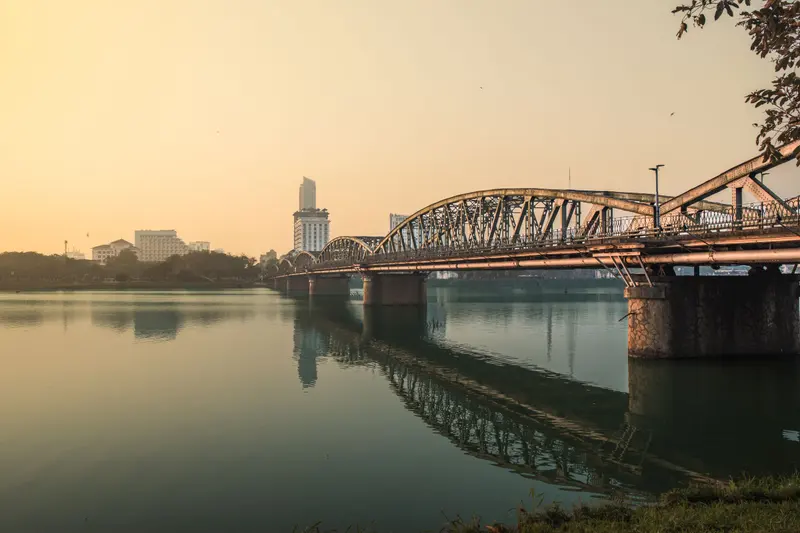
Chi Lăng's old Chinatown, cafés on Bạch Đằng by the Đông Ba river, Diệu Đế pagoda, the market and the road out to Bao Vinh.
Photo: Tuấn Vũ, Pexels License
Gia Hội lies east of the Citadel, inside two curves of water, the Hương (Perfume) River and the Đông Ba river, and runs from Đông Ba market toward Bao Vinh.4 In the early 19th century Gia Hội–Chợ Dinh was one of the busiest parts of Huế: Chinese merchants moved here from the Thanh Hà–Bao Vinh port to be nearer the Citadel.2 A French map of 1886 labels the district "ville marchande", a merchant town.4
Chi Lăng, the long street through the old quarter, has the most cafés. Bạch Đằng, along the Đông Ba river, and Huỳnh Thúc Kháng come next, with single cafés at the market, on Trịnh Công Sơn by the Hương, and out on the road to Bao Vinh.
At a glance
19Cafés listed
1With opening hours
06:00Earliest opening
22:00Latest closing
- Opens earliest: Cafe ĐÒ CỒN, from 06:00 (Daily 06:00–22:00).
- Most listed streets: Chi Lăng (2), Đ. Chi Lăng (2), Huỳnh Thúc Kháng (2).
- Most common features: open late (5%), open by 6am (5%).
Cà Phê Dạ Thảo
Cà phê hè
Cà Phê Khoảng Khắc
Cà Phê Mắt Biếc
Cafe Hàng Bè
Coffee Phố Trịnh Huế
Đề-Pô Cafe
Giao Cafe
GP Coffee
PaPa coffee
Rich Coffee
T.A. Coffee
The Corner Coffee
Timothy Studio and Coffee
Trong cafe
Vũ Café
Vườn Tùng coffee
159 Cafe
Nothing matches those filters here. See all cafés in Huế.
Chi Lăng, the old Phố Tàu
Chi Lăng began as Dinh thị phố, the market street from Gia Hội bridge to Chợ Dinh, laid out by Chinese traders in the mid-19th century.4 Also called Phố Tàu (Chinatown), it became the spine of the Chinese quarter around 1900.3 The Fujian assembly temple, Chùa Phúc Kiến, went up in 1854; Đền Chiêu Ứng, from 1887, honors 108 Hainanese settlers killed by pirates under Emperor Tự Đức; the Cantonese built Chùa Quảng Đông for Quan Công late in the century.3
The cafés run the length of the street, from Giao Cafe at No. 118 and Cà Phê Dạ Thảo at No. 139 to The Corner Coffee at No. 393, with Cà phê hè down kiệt (alley) 271. Timothy Studio and Coffee is on Ngô Nhân Tịnh, an old lane off Chi Lăng.
Bạch Đằng and the princes' houses
Bạch Đằng was once Hàng Đường street, following the Đông Ba river from Gia Hội bridge to Đông Ba bridge.4 Diệu Đế pagoda, on this bank, stands where Emperor Thiệu Trị was born; he had it built in 1844, made it Huế's third quốc tự (national pagoda) and named it one of the capital's twenty scenic sights.4 Back on Chi Lăng, the palace of Prince Nguyễn Phúc Hồng Y honors the man from whose line came emperors Dục Đức, Thành Thái and Duy Tân.4
Late in Minh Mạng's reign the quarter was rebuilt against fire, with 637 brick, tile-roofed shophouses in three rows and brick railings along the Đông Ba bank.2 GP Coffee sits on that bank at 134 Bạch Đằng, PaPa coffee at No. 12, and Trong cafe down kiệt 56.
Đông Ba market and Huỳnh Thúc Kháng
Emperor Thành Thái moved Đông Ba market to its present site in 1899, with 48 tiled bays around a three-story clock tower.1 A rebuilding begun in 1967 was hit by bombs during the Tết Offensive of 1968, and the market had a major renovation in 1987.1 By 2020 it held more than 2,700 stalls in about 60 trades, with 7,000 to 10,000 people coming each day.1
Đề-Pô Cafe trades from the market itself, at 02 Trần Hưng Đạo, and the market grounds, 47,614 m² in all, run from the foot of Trường Tiền bridge to Gia Hội bridge.1 On Huỳnh Thúc Kháng, Cafe Hàng Bè and T.A. Coffee sit side by side at Nos. 197 and 199.
Toward Bao Vinh
Downriver, Thanh Hà–Bao Vinh was, with Hội An, the biggest foreign-trade gateway of Đàng Trong, the southern realm of the Nguyễn lords; Chinese, Spanish, Portuguese and French ships anchored at Thanh Hà, about 5 km northeast of central Huế.5 Bao Vinh was the port's last stage, after Thanh Hà silted up.5 Cà Phê Mắt Biếc, at 66 Bao Vinh, is on the road there.
About 83 old buildings survive in Gia Hội, from officials' mansions to nhà rường (wooden-frame houses), but weather and new building have worn them down.2 An earlier plan to make Gia Hội "the Hội An of Huế" failed, and in February 2025 officials were calling for a detailed conservation plan tied to the Citadel's.2
Sources
- Chợ Đông Ba, Wikipedia (Vietnamese), accessed November 2026
- Hồi sinh phố cổ Gia Hội, Báo Đại Đoàn Kết, 17 February 2025, accessed November 2026
- Giải bí ẩn trăm năm trong khu phố Tàu đặc biệt ở Huế, Kiến Thức, 21 April 2019, accessed November 2026
- Khu phố cổ sầm uất giữa miền Trung được mệnh danh là 'vùng đất 4 vua', Người Quan Sát, 22 February 2024, accessed November 2026
- Cảng thị Thanh Hà – Bao Vinh, Wikipedia (Vietnamese), accessed November 2026
Keep exploring
More of Huế
Imperial Citadel
142 cafés
Phạm Ngũ Lão & Phú Hội
81 cafés
Lê Lợi & Vĩnh Ninh
119 cafésKim Long & Thiên Mụ
33 cafésVỹ Dạ & Xuân Phú
100 cafés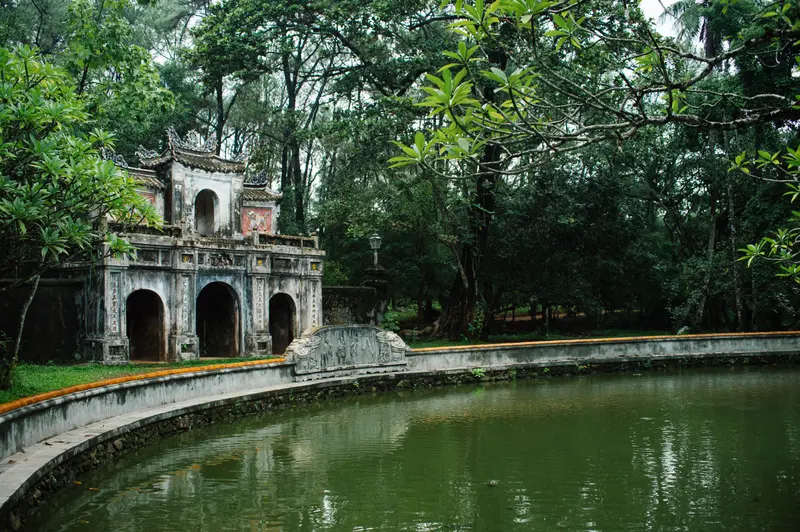
Thủy Xuân & Phường Đúc
39 cafés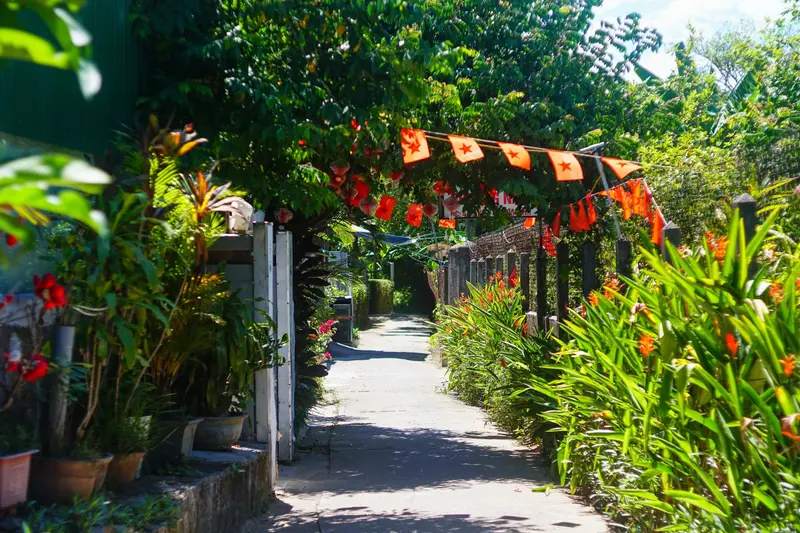
An Cựu & Trường An
105 cafésIn Gia Hội & Đông Ba, also browse: Open by 6am Open late
FAQ
Gia Hội & Đông Ba cafés: questions
Which street in Gia Hội, Huế has the most cafés?
Chi Lăng, the old Chinatown street that starts at Gia Hội bridge, has the most, from Giao Cafe at No. 118 to The Corner Coffee at No. 393. Bạch Đằng along the Đông Ba river and Huỳnh Thúc Kháng come next.
What is there to see near the cafés in Gia Hội, Huế?
Chi Lăng has Chinese temples such as Chùa Phúc Kiến from 1854 and Đền Chiêu Ứng from 1887. On Bạch Đằng, Diệu Đế pagoda stands on the site where Emperor Thiệu Trị was born, and Đông Ba market is where the district begins.
How old is Đông Ba market, at the edge of Gia Hội in Huế?
Đông Ba market moved to its present site in 1899 under Emperor Thành Thái. It was bombed during the 1968 Tết Offensive, renovated in 1987, and by 2020 held more than 2,700 stalls.
For café owners
Own a café in Gia Hội & Đông Ba?
Free listings are free for good. A featured page gives you photos, a menu and your own URL, in your café's own design, for less than a coffee a day.