Allee Restoran
- Outdoor seating
- Indoor seating
- Open late
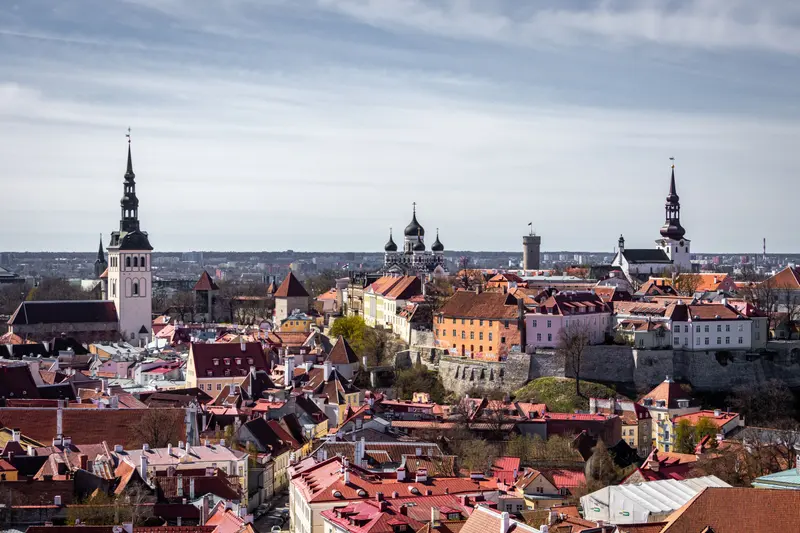
Marzipan at Maiasmokk on Pikk, sourdough buns in Rotermann's old wheat mill, a roastery at Telliskivi 60 and cafés by Kadriorg's Swan Pond.
Photo: Vish Pix, Pexels License
Tallinn, Estonia's capital, sits on the southern shore of the Gulf of Finland about 80 km south of Helsinki, and went by the name Reval for much of the 13th to early 20th centuries.1 The two capitals are tied by ferry: in 2025 the Tallinn–Helsinki route carried about 7.3 million passengers on seven ships run by Tallink, Viking Line and Eckerö Line.2
The Old Town, a UNESCO World Heritage Site since 1997, keeps an intact 13th-century street plan across 113 hectares.3 Its best-known café is Maiasmokk at Pikk 16, whose ground-floor room, with rust-colored wooden display cases and a painted glass ceiling, has looked much the same since 1913.4 West of the walls, Telliskivi Creative City occupies the old Baltic Railway Company factory, and at Telliskivi 60 The Brick Coffee Roastery, Fika and Nihe Kohvik share a block.5
East of the center, the palace Peter the Great began in 1718 for his wife Catherine now holds the Kadriorg Art Museum.6 Light changes the café year: daylight lasts under 6 hours 5 minutes at the winter solstice and more than 18 hours 40 minutes at midsummer, and July averages 17.6 °C.1
Toompea, the limestone hill of the Upper Town, rises 20 to 30 m above the Lower Town and takes its name from the German Domberg, Cathedral Hill.16 Northwest of the center, Kalamaja is a preserved wooden-house district of about 12,930 residents (2022).17 The Rotermann Quarter began as a timber depot Christian Abraham Rotermann opened on Mere puiestee in 1829.18
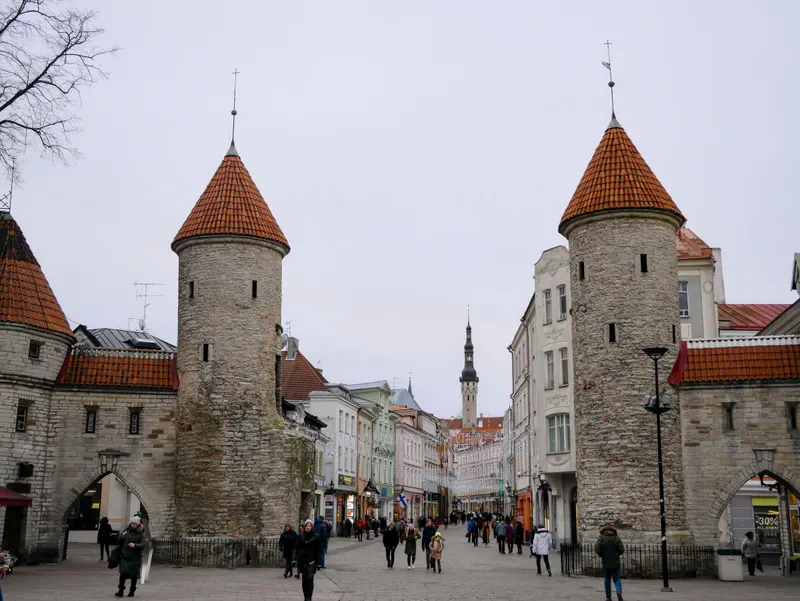
Maiasmokk on Pikk, Kehrwieder off Town Hall Square, Pierre in the Masters' Courtyard and cafés along the wall on Müürivahe.
47 cafés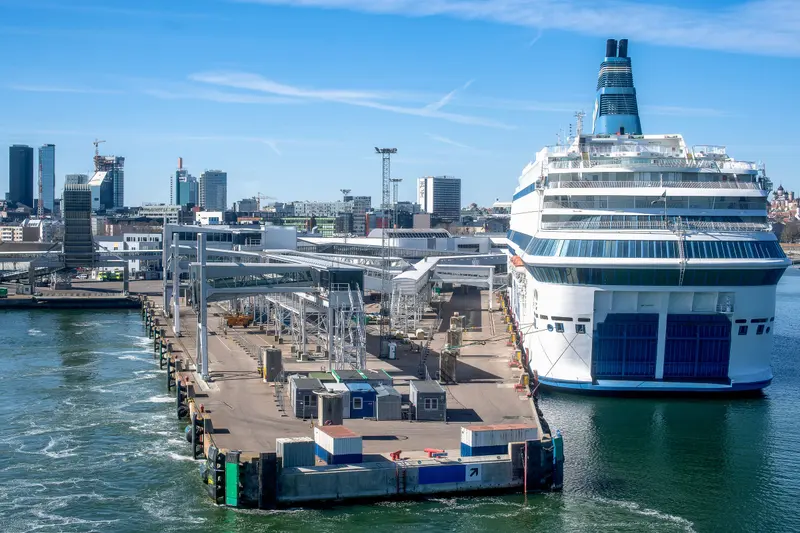
RØST's sourdough in an old wheat mill, brunch at Orangerie and Levier on Rotermanni, and coffee by the ferry terminals.
26 cafés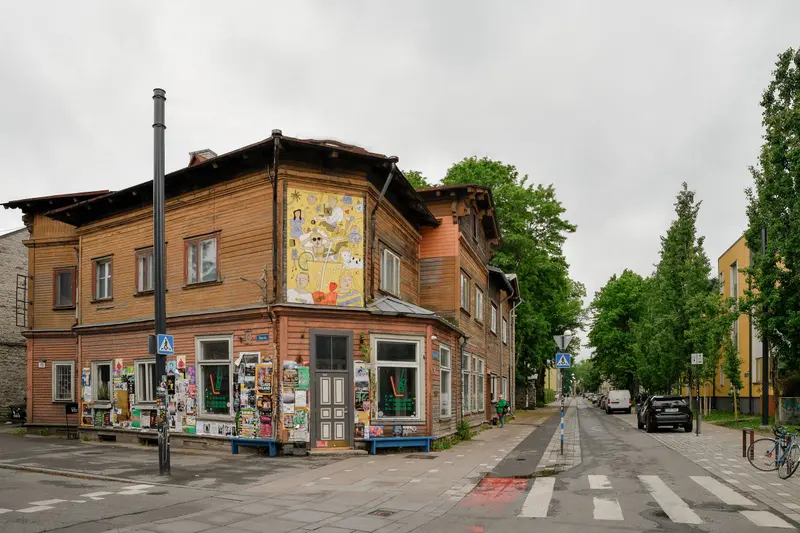
The Brick, Fika and Nihe at Telliskivi 60, the market cafés of Balti Jaama Turg, Vana-Kalamaja coffee shops and Maru at the Seaplane Harbour.
38 cafés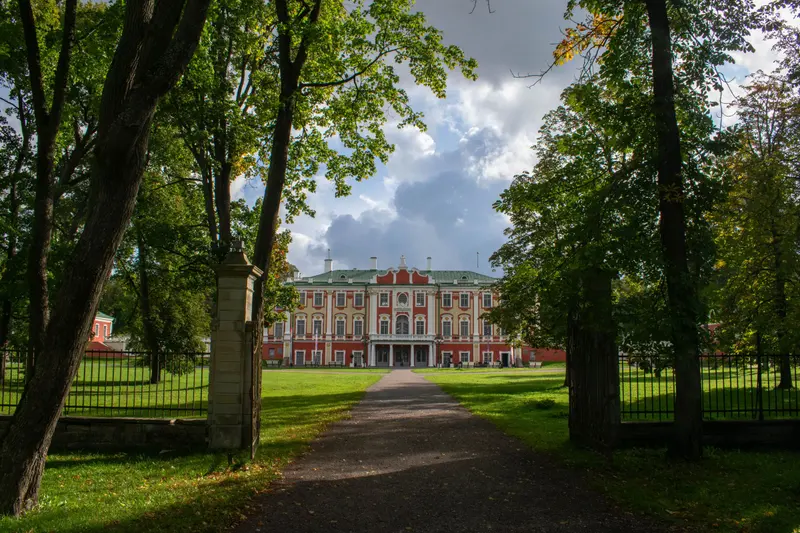
Katharinenthal by the Swan Pond, NOP's wooden house on Köleri, the palace café at Maarjamäe and Vigri by the Olympic marina.
15 cafés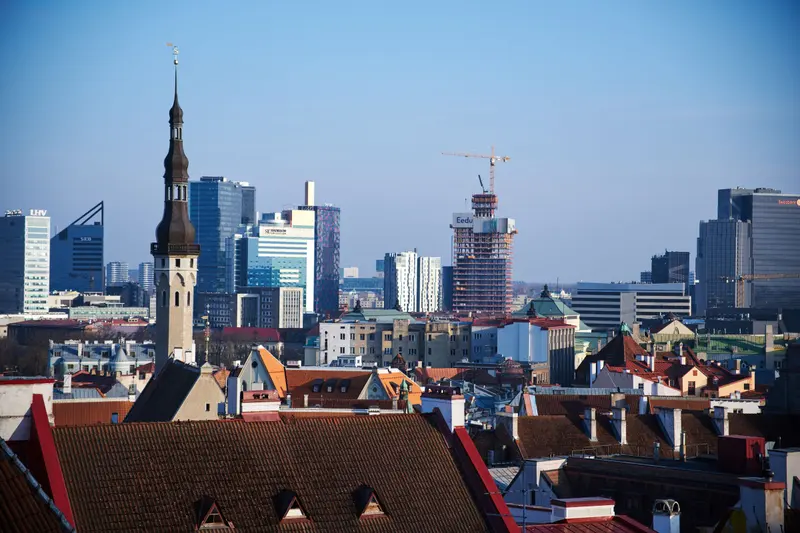
KuKu's art-club basement on Freedom Square, early coffee on Rävala, Kringel in Uus Maailm and a tennis-court terrace on Herne.
64 cafés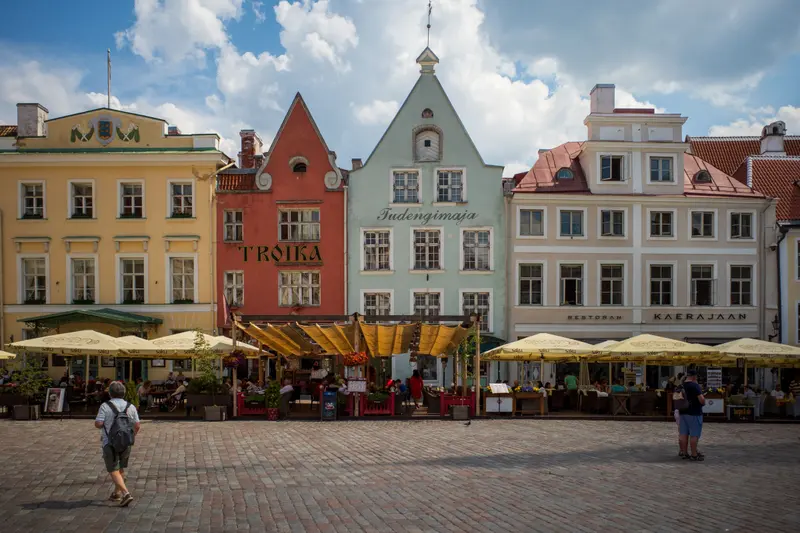
Town Hall Square tables, courtyards in Kalamaja and Telliskivi, park cafés in Kadriorg and seaside seats in Pirita.
31 cafés
A roastery at Telliskivi 60, long days on Kopli, Old Town coffee shops and weekday cafés in the center.
22 cafés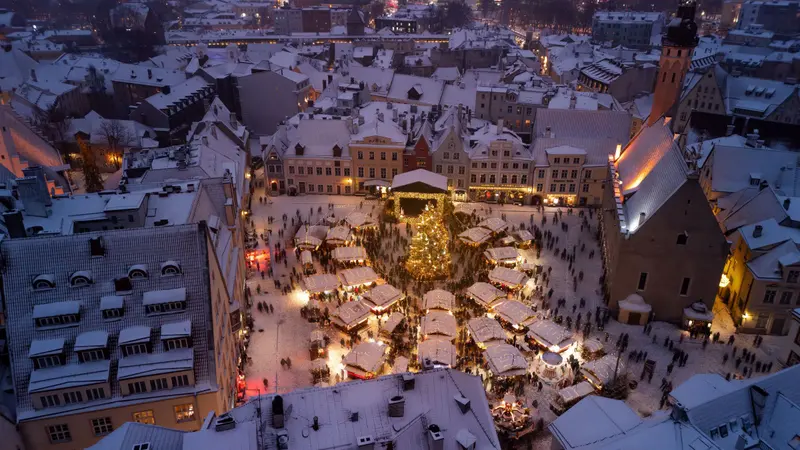
Kehrwieder off Town Hall Square past midnight at weekends, art cafés on Müürivahe and neighborhood kohvikud on Koidu and Endla.
19 cafés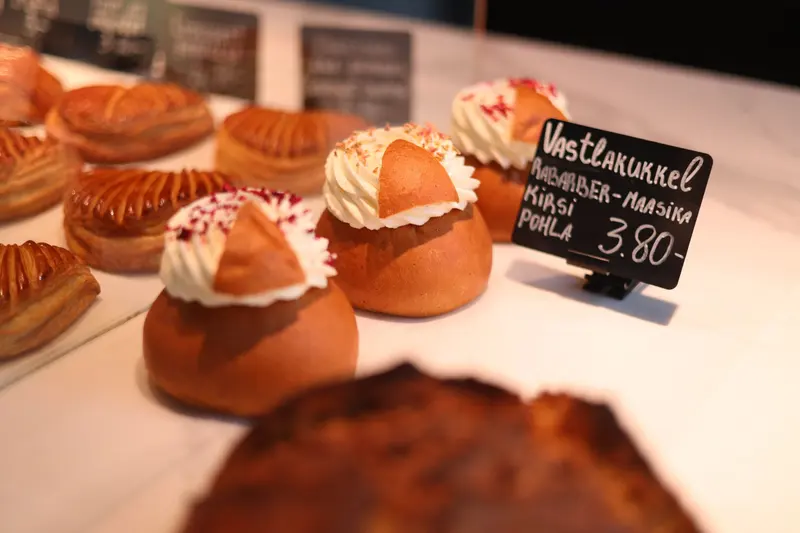
Sourdough at RØST in Rotermann, cakes and kringel by the Swan Pond, pontšik doughnuts and pancake houses.
18 cafés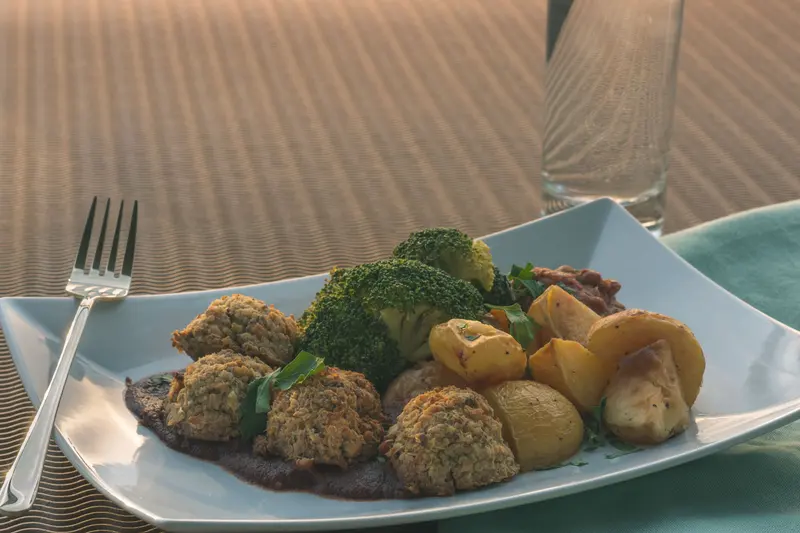
All-vegan Nihe and Rohe, Kringel in Uus Maailm, raw cakes in Balti Jaama Turg and vegan breakfasts at NOP.
14 cafésMore about cafés in Rotermann & the Port
More about cafés in Kalamaja & Telliskivi
More about cafés in Kadriorg & Pirita
More about cafés in City Center
Showing up to 6 cafés per area. Each area page has the full list.
No café matches all of those filters. Try removing one, or tell us about a café we're missing.
Branches by area
Kohv means coffee, and kohvik, built from it, means café; the word came into Estonian from Middle Low German koffe.7 At Maiasmokk a small coffee costs €3.00 and a large one €4.00, a cappuccino €4.00 and a caffe latte €4.50, as of 2026.8 Across the city, a regular cappuccino cost €2.00–5.00 in October 2026, about €3.89 on average.9
Coffee usually comes with something baked. Kringel, a sweet twisted bread, first appears in written Estonian in 1660, in pastor Heinrich Göseken's Manuductio ad linguam Oesthonicam; the word arrived through Baltic German.10 The everyday partner is the kaneelisaiake (cinnamon bun): RØST, a sourdough bakery in the Rotermann Quarter, sells it and a cardamom bun for €3.50 each, and Levier, on the same street, charges €3.50 for its own, as of 2026.1112
Plenty of kohvikud also cook a weekday lunch. Purée in Rotermann serves lunch from 12:00, with a soup of the day at €6.20 and a main course at €8.20 as of 2026, and Kringel, a vegan café in Uus Maailm, runs daily offers from 11:00 on weekdays.1314
Tipping is not compulsory, but about 10% is appreciated for good service in restaurants and cafés, and some card terminals let you add it.15 Cards and contactless payments are accepted almost everywhere, so cash is rarely essential, and free Wi-Fi is common in cafés and shopping centres.15
| Drink | Typical price |
|---|---|
| Kohv Small coffee at Maiasmokk on Pikk; a large one is €4.00 | €3.00 Maiasmokk menu, 2026 |
| Cappuccino Regular cappuccino, citywide range (average €3.89) | €2.00–5.00 Crowd-sourced, October 2026 |
| Caffe latte Latte at Maiasmokk; a cappuccino there is €4.00 | €4.50 Maiasmokk menu, 2026 |
| Kaneelisaiake Cinnamon bun at RØST and Levier in the Rotermann Quarter | €3.50 Bakery price lists, October 2026 |
| Päevasupp Soup of the day at Purée; a main course is €8.20 | €6.20 Purée menu, October 2026 |
Prices in euros, as of 2026. Coffee prices are from Maiasmokk's drink menu, the cappuccino range is Numbeo's crowd-sourced figure updated 28 October 2026, and the bun and lunch prices are from RØST's, Levier's and Purée's own sites, checked in October 2026.89111213
In October 2026 a regular cappuccino in Tallinn cost €2.00–5.00, about €3.89 on average, by Numbeo's crowd-sourced figures. At Maiasmokk on Pikk, a small coffee is €3.00, a cappuccino €4.00 and a caffe latte €4.50. A kaneelisaiake (cinnamon bun) costs €3.50 at RØST and Levier in the Rotermann Quarter.
City Center and Old Town have the most cafés, followed by Kalamaja & Telliskivi. In the City Center they cluster on Viru väljak, Rävala puiestee and Pärnu maantee; in the Old Town, Müürivahe and Pikk have the most.
Kringel is a sweet twisted bread. The word came into Estonian through Baltic German and first appears in written Estonian in 1660, when pastor Heinrich Göseken described it as a sweet, twisted bun. A kaneelisaiake, the cinnamon bun, costs €3.50 at RØST and Levier in the Rotermann Quarter.
No. Tipping is not compulsory in Tallinn, but about 10% is appreciated for good service in restaurants and cafés, and some card terminals let you add it. Cards and contactless payments are accepted almost everywhere, so cash is rarely essential.
Kohvik is the Estonian word for café, built from kohv, coffee, which came into the language from Middle Low German. Many Tallinn café names carry it, such as Nihe Kohvik at Telliskivi 60 and Kohvik Kadriorg on Poska.
Your free listing is probably already on this page. Claim it in two minutes, or turn it into a featured page in your own design, with photos, a menu and your own link.