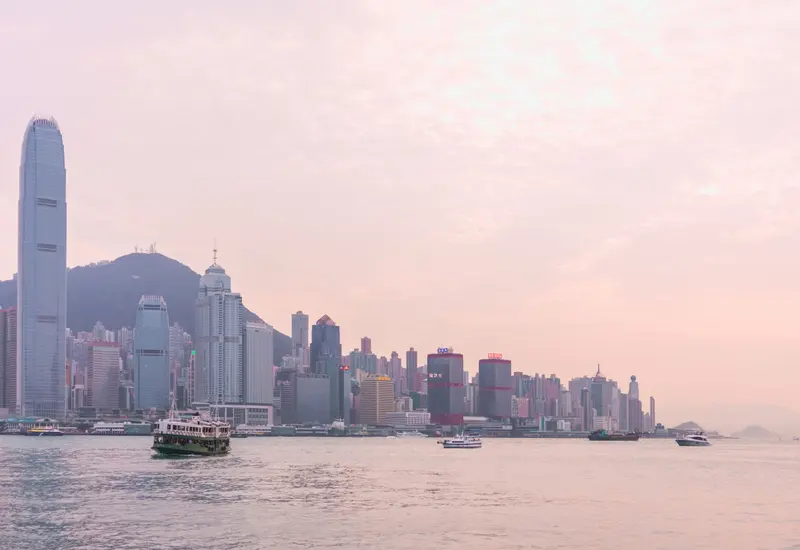
Hong Kong · Lam Tin & Yau Tong
Cafés in Lam Tin & Yau Tong
Cha chaan teng on Kai Tin Road, a coffee room in Lei Yue Mun's seafood village and Healman Coffee.
Photo: Ana Benet, Pexels License
Lam Tin (藍田) and Yau Tong (油塘) cover the southeastern tip of Kowloon in Kwun Tong District, where housing estates climb a coastal knoll below Black Hill and drop to Victoria Harbour.12 Lam Tin alone has about 130,000 residents, a fifth of the district's population.1 Yau Tong is public housing in the north and industrial buildings along the shore, and the old fishing village of Lei Yue Mun sits at its southern end.2
Expect cha chaan teng (茶餐廳, tea restaurants) more than espresso bars. Kai Tin Road, by Lam Tin station, and the waterfront lane of Lei Yue Mun each have one, and the rest sit among the estates and malls between the two MTR stations.
Local tip: The lighthouse at the far end of Lei Yue Mun village stands on a rock that you can only reach at low tide, so check the tide before setting out from Exit A2 of Yau Tong station.3
At a glance
6Cafés listed
1With opening hours
11:00Earliest opening
18:00Latest closing
- Opens earliest: Healman Coffee, from 11:00 (Daily 11:00–18:00).
Healman Coffee
大少燒味茶餐廳 - 啟田店
銀龍咖啡茶座
Dragon City Cafe
錫蘭
Nothing matches those filters here. See all cafés in Hong Kong.
Coffee chains in Lam Tin & Yau Tong
Chain
Antoshimo
From salt fields to blue fields
Lam Tin was once Ham Tin Shan (鹹田山, "salty field hill"), part of the Kowloon Bay salt fields that the Song dynasty began operating officially in 1163.1 When the fields were reclaimed for Kai Tak Airport, the village took a name of similar sound, borrowed from Lantian in Shaanxi and the phrase 藍田生玉, "from the blue fields comes jade"; it was officially endorsed on 1 September 1970.1
Lam Tin Estate went up in the 1960s for migrants from the mainland, and Block 15 carried a painted dragon because it was Hong Kong's 500th public housing block.1 The estate was demolished between 1997 and 2002 and rebuilt as Kai Tin, Tak Tin and Ping Tin estates and Hong Yat Court.1 On Kai Tin Road, 大少燒味茶餐廳 (siu mei means roast meats) runs its Kai Tin branch from the ground floor of Kai Tin Towers.
Around Lam Tin station
Sceneway Garden stands on the podium above Lam Tin station: 17 towers with about 20,000 residents, completed in 1992 together with the Sceneway Plaza mall.1 Laguna City, finished a year earlier on the site of a former Shell oil depot, lines the waterfront with 38 towers, and since an influx of Japanese residents in the 1990s it has had a Japanese kindergarten.1 Stage 3 of the Wilson Trail starts at Exit A of the station and follows Kai Tin Road east before climbing Black Hill.1
On Sin Fat Road, near the station, Sai Tso Wan Recreation Ground covers 2.7 hectares of a restored landfill that took east Kowloon's rubbish from 1978 to 1981.5 It opened officially on 2 October 2004 as Hong Kong's first permanent recreation ground on a landfill, with the city's first standard baseball field, used for national squad training.5
Yau Tong, the oil pond
Yau Tong means "oil pond" in Cantonese; an older spelling, 游塘, simply meant "pond".2 The government's 1963 annual report described the area as used only for ship repairing and shipbuilding, and the first public estates, Yau Tong Estate and Ko Chiu Road Estate, went up along Lei Yue Mun Road in 1964.2 An oil depot had been built at Cha Kwo Ling, just to the north, in the 1950s.2
Yau Tong station opened on 4 August 2002 as the interchange between the Kwun Tong and Tseung Kwan O lines, and Lei Yue Mun Plaza, above Exit A1, had opened the year before.2 Smaller places such as Healman Coffee, Dragon City Cafe and 錫蘭 ("Ceylon") are spread across the area; Healman opens daily 11:00–18:00.
Lei Yue Mun's seafood village
Lei Yue Mun is the channel between Victoria Harbour and Tseung Kwan O, and on the Kowloon side it names a fishing village whose first part, Sam Ka Tsuen, holds the seafood markets.3 From Exit A2 of Yau Tong station, Cha Kwo Ling Road leads to the village entrance, marked by two carp statues.3 You pick seafood from a stall's tanks, agree a price and take it to a restaurant, which charges a modest cooking fee.4 銀龍咖啡茶座 is on the same waterfront, at 31B Lei Yue Mun Praya Road Middle.
Past the restaurants, the Tin Hau Temple dates from 1753 and draws thousands at Lunar New Year and on Tin Hau's birthday in April, when Cantonese opera is staged.4 The old village school, closed in 2008, reopened in 2010 as Jockey Club Plus, partly a museum of the Hakka workers who quarried Lei Yue Mun's granite.4 The old quarry past the temple and some of Hong Kong's last stilt houses are a few minutes further on.3
Sources
- Lam Tin, Wikipedia, accessed November 2026
- Yau Tong, Wikipedia, accessed November 2026
- Lei Yue Mun: Your guide to the fishing village, Honeycombers Hong Kong, accessed November 2026
- How the Lei Yue Mun waterfront reflects old-time Hong Kong, Cathay Pacific, accessed November 2026
- Sai Tso Wan Recreation Ground officially opened, Hong Kong Government press release, 2 October 2004, accessed November 2026
Keep exploring
More of Hong Kong
Central, Soho & Lan Kwai Fong
65 cafés
Sheung Wan
71 cafésKennedy Town & Sai Ying Pun
70 cafés
Wan Chai
71 cafés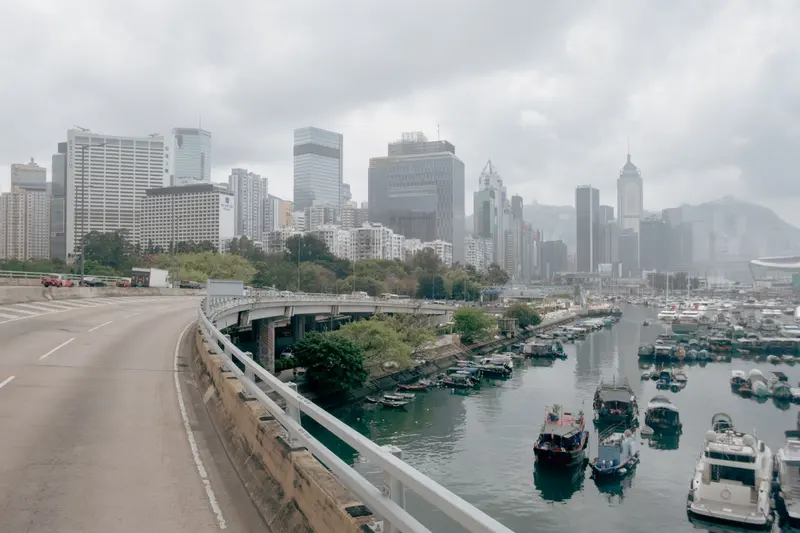
Causeway Bay, Tai Hang & Tin Hau
100 cafésNorth Point & Quarry Bay
49 cafés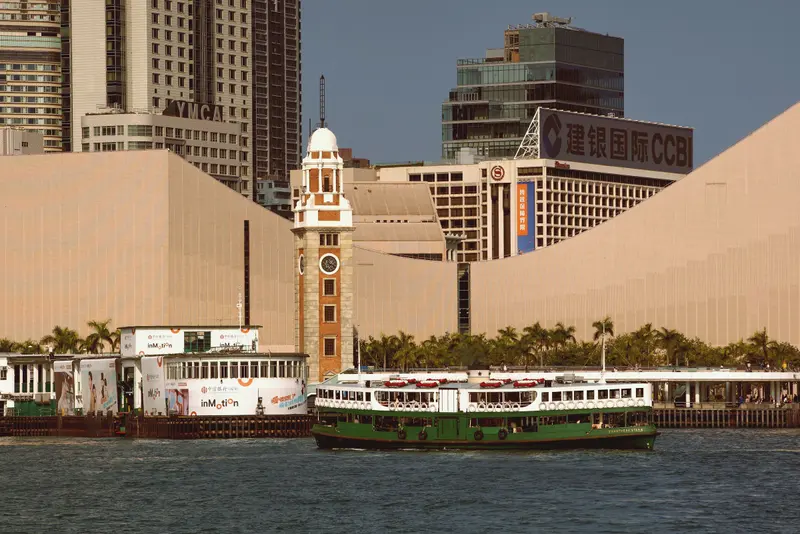
Tsim Sha Tsui & Jordan
84 cafés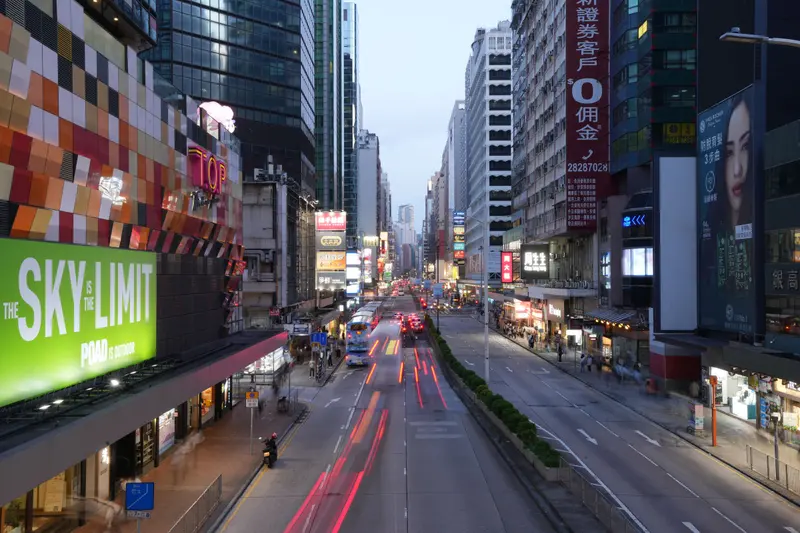
Mong Kok & Yau Ma Tei
141 cafés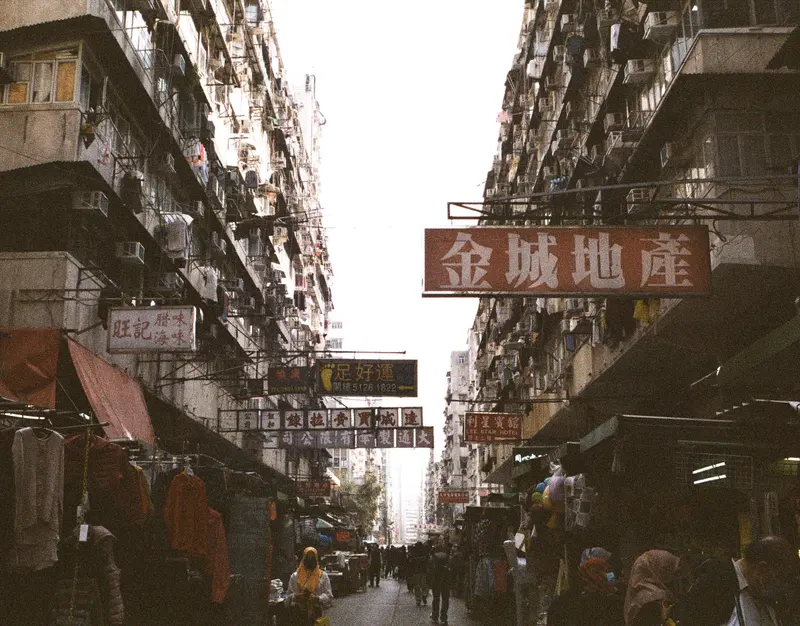
Sham Shui Po
84 cafés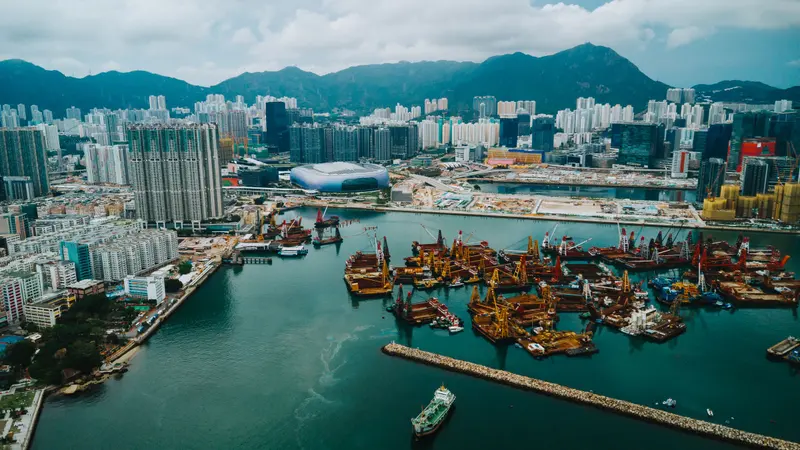
Kowloon City & Kai Tak
71 cafésKowloon Bay & Kwun Tong
86 cafésAberdeen & Southern District
20 cafésChai Wan & Shau Kei Wan
14 cafés
FAQ
Lam Tin & Yau Tong cafés: questions
Where are the cafés in Lam Tin and Yau Tong, Hong Kong?
Most are cha chaan teng rather than espresso bars. One sits on Kai Tin Road near Lam Tin station, another on the Lei Yue Mun waterfront at 31B Lei Yue Mun Praya Road Middle, and the others are spread among the estates and malls between Lam Tin and Yau Tong stations.
How do you get to Lei Yue Mun seafood village from Yau Tong station in Hong Kong?
Leave Yau Tong station by Exit A2 and follow Cha Kwo Ling Road to the village entrance, marked by two carp statues. Sam Ka Tsuen, with the seafood stalls and restaurants, comes first, and the Tin Hau Temple, the old quarry and the lighthouse lie beyond it.
How did Lam Tin in Hong Kong get its name?
Lam Tin was originally Ham Tin Shan, salty field hill, part of the Kowloon Bay salt fields. After the fields were reclaimed for Kai Tak Airport it took a name of similar sound from Lantian in Shaanxi, meaning blue fields, which was officially endorsed in 1970.
For café owners
Own a café in Lam Tin & Yau Tong?
Free listings are free for good. A featured page gives you photos, a menu and your own URL, in your café's own design, for less than a coffee a day.