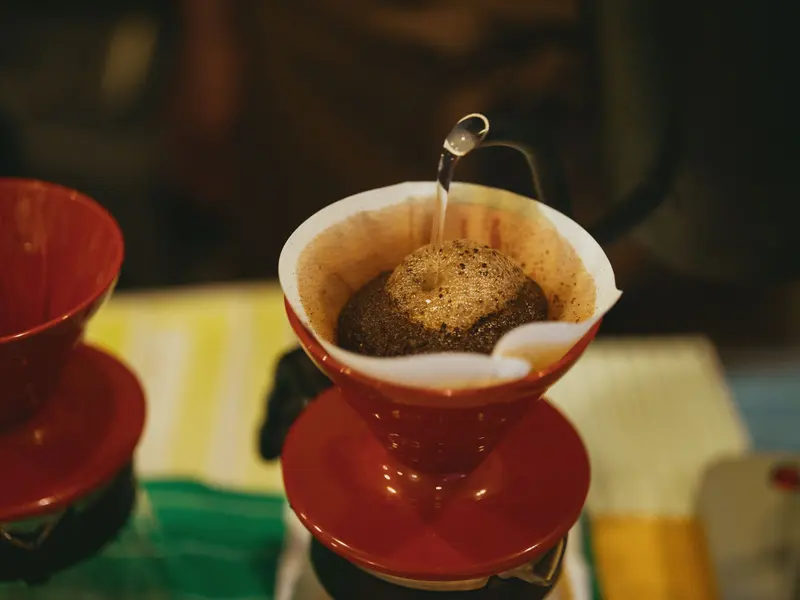
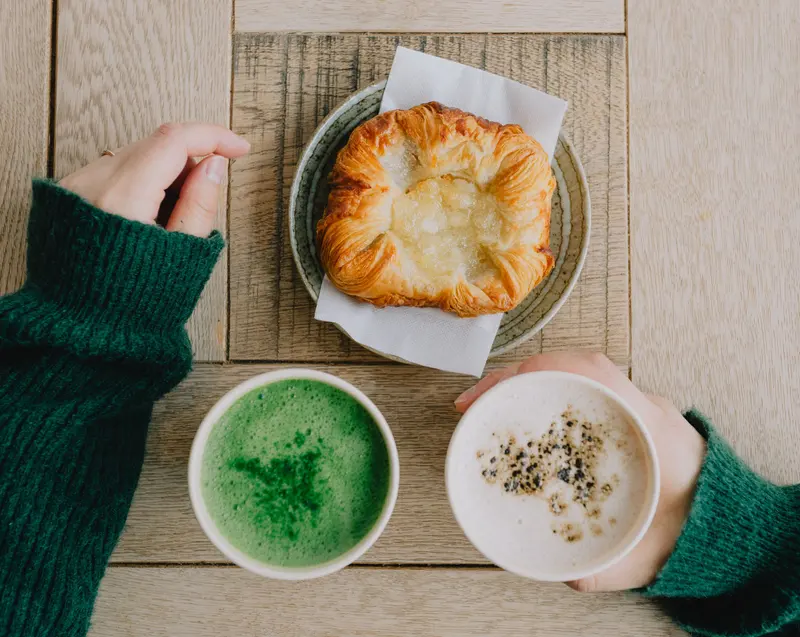
カフェラ 大丸神戸店
CAFFERA
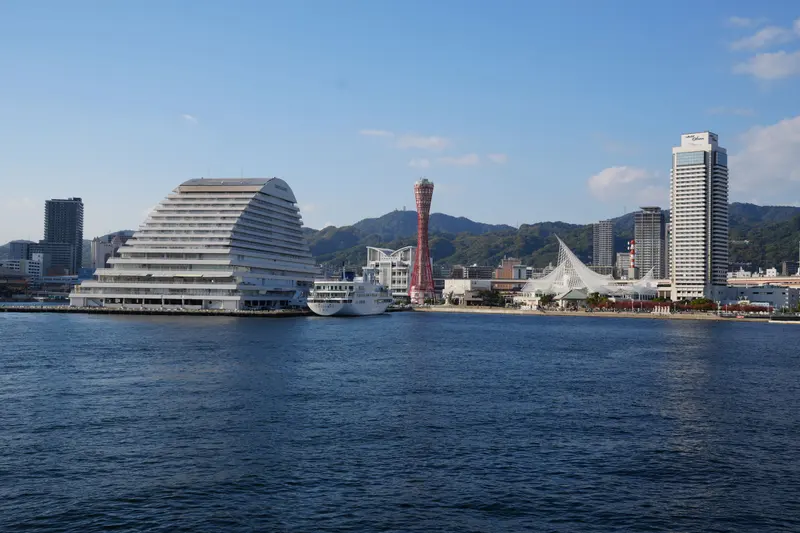
Stone-ground coffee on the Motomachi arcade, cake in a Kitano foreign house above Sannomiya, and charcoal-roasted blends on the side streets of Suidōsuji.
Photo: Dmitry Romanoff, Pexels License
Kobe opened to foreign trade on 1 January 1868, and the settlement built for foreign merchants about 3.5 km east of old Hyōgo became the city's first Western quarter.1 Coffee arrived through the same harbor. Hōkōdō, a tea wholesaler from Yamashiro, the province around Kyoto, set up a Kobe trading house in 1874 and began importing beans from India; its café at Motomachi-dōri 3-10-6 still grinds coffee on a stone mill.2
The city kept the roasting trade. Ueshima Tadao founded the business that became UCC in 1933,3 and the company's head office is now on Port Island, at Minatojima Nakamachi 7-7-7.4 Its coffee museum, also on Port Island, opened in 19873 and runs 10:00–17:00 by advance booking, closed Mondays and Tuesdays.5
At home, Kobe drinks more black tea than most of Japan. In 2023–2025 its households bought 370 g of black tea a year, more than any other prefectural capital or major city and nearly twice the national 192 g, and spent ¥9,641 on coffee beans and ground coffee, fifth of 52 cities.6 Café and coffee-shop bills came to ¥10,625 a year, 14th, just above the national ¥10,261.7
Central Kobe is a narrow strip between the mountains and the port. Foreign residents began building houses on the Kitano slope around 1869,14 Kobe Station marks the point where the Tōkaidō Line ends and the San'yō Line begins,15 and to the east Hankyu has stopped at Okamoto since 1920.16
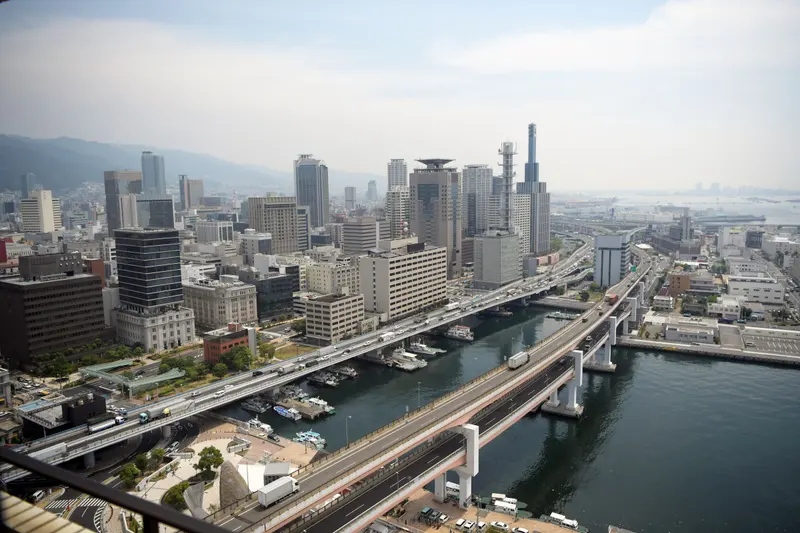
The 1868 settlement grid: an 1880 consulate turned tea salon, a 1929 bank in Daimaru, and Luminarie in winter.
23 cafés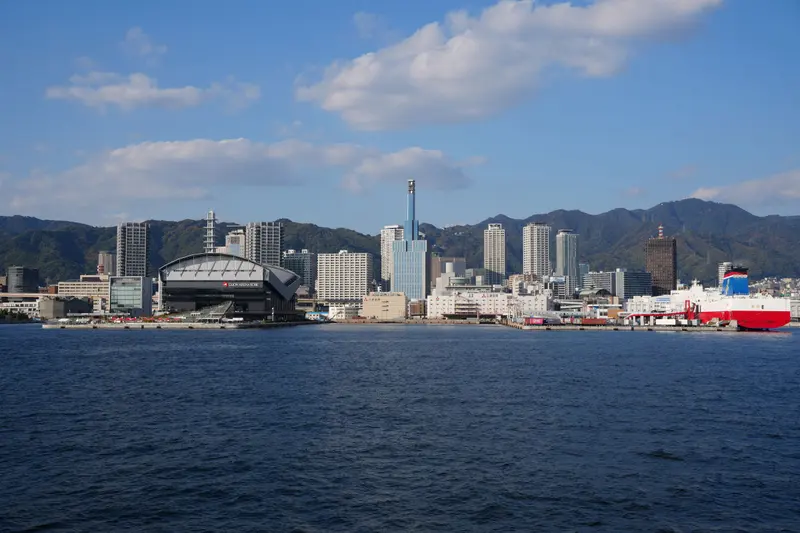
Merchants' houses on the Kitano slope, a bakery in a 1929 church and a teahouse above Nunobiki falls.
53 cafés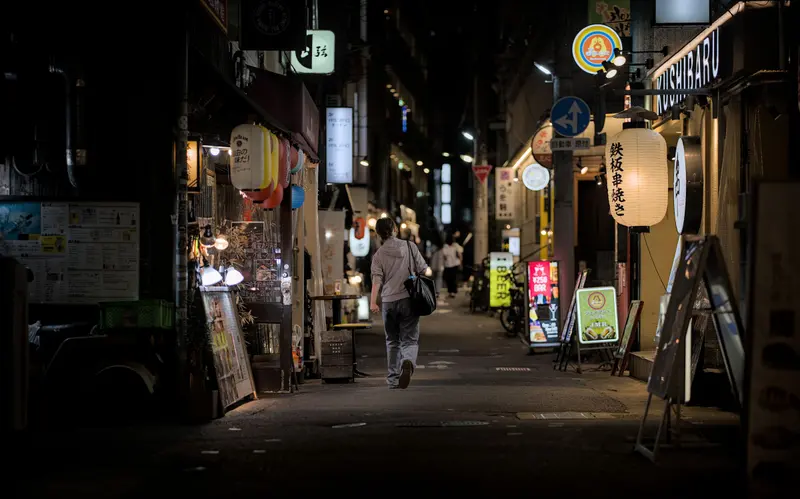
A 1.2 km arcade on the old Saigoku Kaidō, Nankinmachi's Chinese street and the shipping offices of Otsunaka-dōri.
114 cafés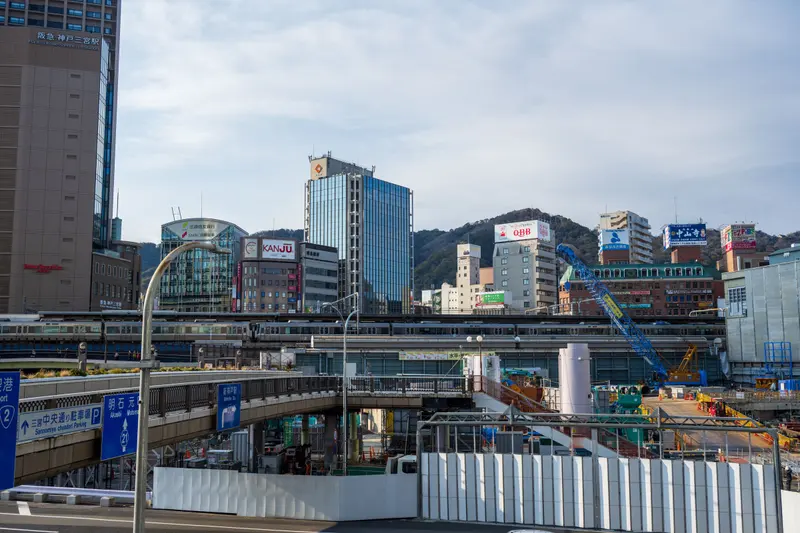
Kobe's rail hub: Akaneya's counter of 200 cups, siphons in Sannomiya-chō and roasters by the station.
145 cafés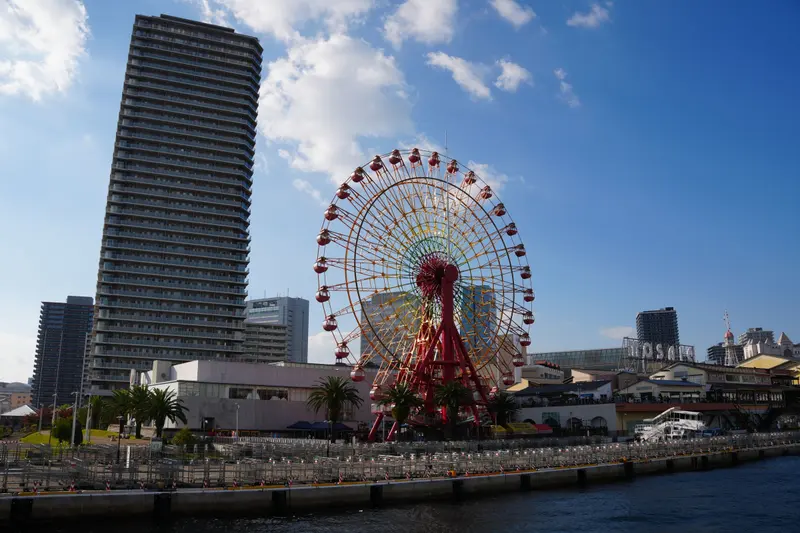
A 1992 waterfront on an old freight yard, Kobe Station's 1930 building and kissaten west of Minatogawa Shrine.
32 cafés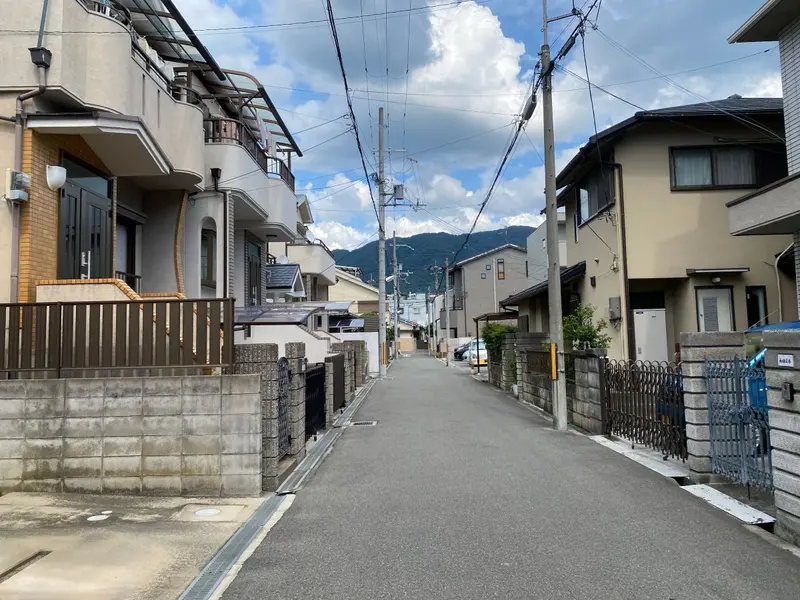
Stone-paved slopes between Hankyu Okamoto and JR Settsu-Motoyama, patisseries and Konan students' kissaten.
43 cafés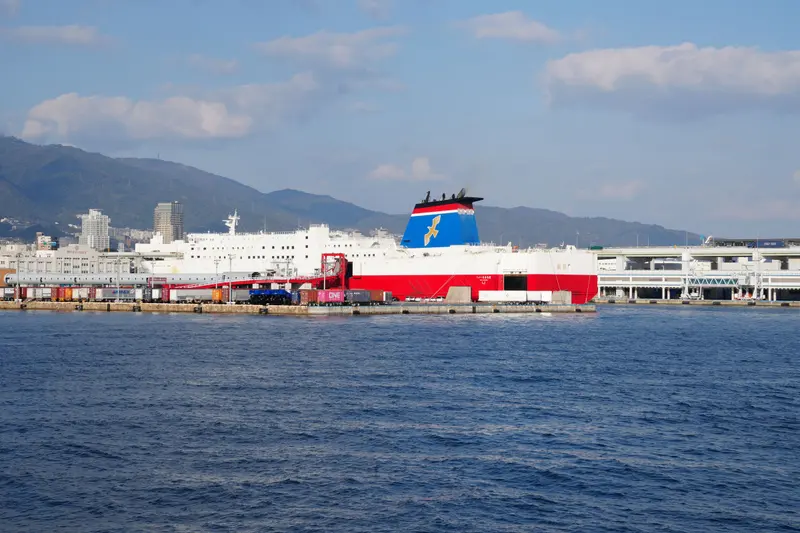
Suidōsuji's kilometer of markets, Hagiwara's charcoal roastery and cup-collecting kissaten below Kobe University.
117 cafésMore about cafés in Kyū-kyoryūchi
CAFFERA
More about cafés in Kitano & Shin-Kobe
More about cafés in Motomachi & Nankinmachi
ANGIE
EVIAN COFFEE SHOP
More about cafés in Harborland & Kobe Station
More about cafés in Okamoto & Motoyama
More about cafés in Nada & Rokkōmichi
NINOVAL COFFEE
Showing up to 6 cafés per area. Each area page has the full list.
No café matches all of those filters. Try removing one, or tell us about a café we're missing.
Branches by area
Kissaten (喫茶店, traditional coffee shops) put the house burendo (ブレンド, blend) at the top of the menu and the sutorēto (ストレート, "straight" single origins) below it. At Nishimura Coffee in October 2026 the six-bean house blend cost ¥780, most single origins ¥880 and Blue Mountain No. 1 ¥1,030; iced coffee from its own deep-roast blend was also ¥780.8
Siphons are part of the local habit. Evian Coffee on Motomachi-dōri opened in 1952 as the café arm of a coffee importer and is described as the first café in the Kansai region to serve siphon coffee, each pot heated over an alcohol lamp. In 2016 it served about 250 cups a day.9
A table-service kissaten coffee averaged ¥490 in Kobe in 2025, against ¥448 in Osaka and ¥613 in Tokyo's 23 wards, and a small cup at a self-service chain cost ¥330 all year.10 Food comes as a set. Nishimura's breakfast sets of open toast with salad or fruit and a drink cost ¥1,150, and its cake sets ¥1,400 or ¥1,500, with cakes delivered daily from Secession, its patisserie in Mikage.8
Since April 2020 Hyōgo's ordinance has required restaurants and cafés to be smoke-free indoors. Sealed smoking rooms are allowed, and existing small shops with no more than 100 m² of seating may stay smoking if they post a sign; under-20s may not enter smoking areas.11 Pay the price on the bill and leave no tip: Japan's national tourism organization says tipping in cafés is not common.12
| Drink | Typical price |
|---|---|
| コーヒー (kōhī) Hot coffee at a table-service kissaten | ¥483–504 Kobe city monthly averages, 2025 |
| コーヒー(セルフ) Small coffee at a self-service chain | ¥330 Kobe city, 2025 |
| ミックスサンド (mikkusu sando) Mixed sandwich at a café | ¥727–800 Kobe city monthly averages, 2025 |
| ブレンド (burendo) House blend at an old-line kissaten | ¥780–900 Nishimura and Akaneya, 2026 |
| ケーキセット (kēki setto) Cake with a drink | ¥1,400–1,500 Nishimura Coffee, 2026 |
The first three rows are Kobe city figures from the national Retail Price Survey for 2025, published in April 2026.10 Nishimura's prices are from its menu as of October 2026,8 and Akaneya's ¥900 blend from Rurubu & more, May 2026.13
Roasted vs green coffee at US, EU, UK, Australian, NZ and Japanese customs, carry-on powder rules, roast dates, and what to buy in Vietnam or Ethiopia.
Coffee travelWhen cafés open and close: 06:00 coffee in Vietnam, Italian bars shut by 20:00, Melbourne cafés done by 15:00, Sundays in Berlin, Ramadan in Dubai.
How to orderTipping in cafés from Tokyo to Lima, counter and table prices in Italy and Lisbon, paying at the till, Vietnam's free trà đá and indoor smoking rules.
A hot coffee at a table-service kissaten averaged ¥490 in Kobe in 2025, a little more than in Osaka (¥448) and well below Tokyo's 23 wards (¥613). A small cup at a self-service chain cost ¥330. Old-line kissaten charge more: Nishimura's house blend was ¥780 in October 2026, and Akaneya's ¥900.
Sannomiya and Nada & Rokkōmichi have the most cafés, followed by Motomachi & Nankinmachi. Sannomiya has the widest choice, from the Center Gai arcade to the side streets of Kitanagasa-dōri; Nada & Rokkōmichi and Motomachi follow almost level.
Sutorēto, or straight coffee, is a single-origin coffee brewed on its own, listed under the house blend. At Nishimura Coffee in October 2026 most straight coffees cost ¥880 and Blue Mountain No. 1 cost ¥1,030, against ¥780 for the six-bean house blend.
Mostly not. Since April 2020 Hyōgo Prefecture has required restaurants and cafés to be smoke-free indoors. Sealed smoking rooms are allowed, and existing small shops with up to 100 m² of seating may allow smoking if they post a sign at the door. People under 20 may not enter smoking areas.
The UCC Coffee Museum is on Port Island, where UCC also has its head office; Ueshima Tadao founded the company in 1933. The museum opened in 1987 and runs 10:00–17:00 by advance booking. It is closed on Mondays and Tuesdays.
Your free listing is probably already on this page. Claim it in two minutes, or turn it into a featured page in your own design, with photos, a menu and your own link.