Extramurs
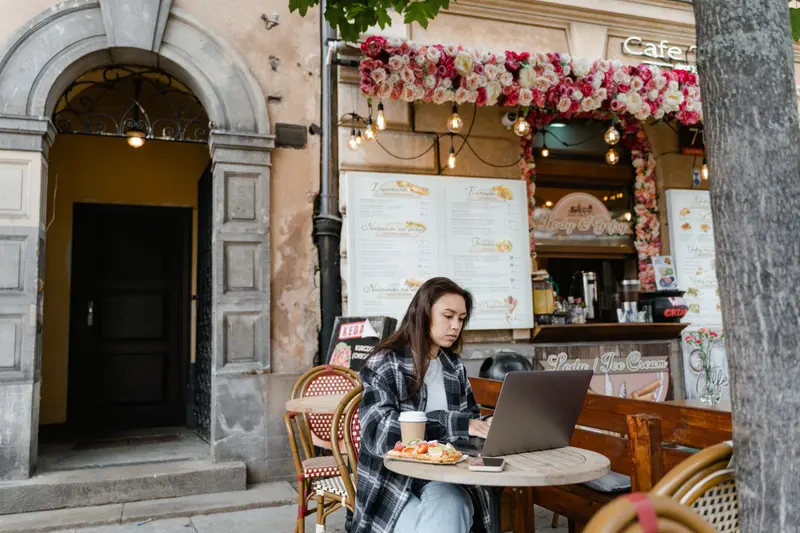
Café La Placita
- Outdoor seating
- Vegetarian options
- Toilets
- Smoke-free indoors
- Bakery café
- Open late
- Brunch
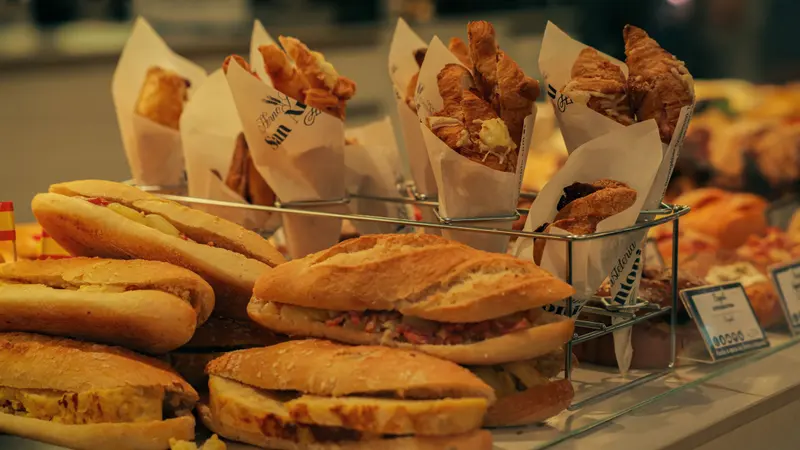
Hornos and pastry counters with a coffee machine, from Carrer de Quart to Avinguda del Port.
Photo: TBD Traveller, Pexels License
A horno (forn in Valencian) is the neighborhood bakery, and many keep a coffee machine and a few tables. Valencian baking follows the festival calendar more closely than baking elsewhere: coquetes for Sant Blai, panquemaos (sweet breads) and monas at Easter, and rosquilletas all year.1
Two everyday pieces turn up on most counters. Coca de llanda, a sponge cake with plenty of lemon zest and cinnamon, is the classic merienda (afternoon snack), and in L’Horta Nord any horno sells it.2 Rosquilletas are thin, crisp sticks of bread dough seasoned with anise seed, which locals call llavoretes, and they are often dipped in chocolate or horchata.3
Local tip: For fartons, go to an horchatería rather than an horno: the buns are made to be dipped and soak up horchata from end to end.5
Where these cafés are: Extramurs (4), Pla del Real & Algirós (3), Camins al Grau (3), Ciutat Vella (3), El Cabanyal & Malvarrosa (2), Ruzafa (2), Patraix, Jesús & L'Olivereta (1), Rascanya & Benicalap (1).
Nothing matches those filters here. See all cafés in Valencia.
The fartó, a long glazed bun, exists to be dipped. The Polo family, who moved to Alboraya, the town most tied to horchata, developed it in the 1960s from the dough of the Valencian panquemao, shaped long so it would fit a glass. The traditional dough is flour, sugar, sunflower oil, fresh yeast, eggs, salt and water, and the buns are glazed after baking.4 The name comes from the Valencian word for a glutton, since it soaks up the drink from end to end.5
Horchatería Daniel, which has made horchata and fartons since 1949 and opened on what became Alboraya’s Avenida de la Horchata in 1979, bakes about 3,000 fartons a day in summer and serves them warm against the cold drink.56
Dulce de leche, the Argentine milk caramel, has its own place in the city’s cafés. Alfajores, cookies sandwiched with it, became common after Argentines settled in Valencia following their country’s 2001 economic crisis.7
Dulce de Leche, on Avinguda de França, builds its counter around the caramel, with dulce de leche croissants and a chocolate sponge filled with it.8 It opens daily 08:30–21:30. Espresso Pastel, on Carrer de Manolo Taberner in Patraix, opens at 08:00 every day.
Extramurs has the most. Pastisseria Tarteria Mocholí and Bycia Cafetería are both on Carrer de Quart, Café La Placita is on Plaça de Sant Sebastià, and CLEM CAFÉ is on Carrer de Conca.
Pla del Real, Camins al Grau and Ciutat Vella share second place. Pablo’s breads on Carrer de Jaume Roig opens at 07:00 Monday to Friday, and Café Malbec on Carrer del Batxiller stays open until 22:00 every day. Portobello is on Avinguda del Port, and Felix Coffee & Bakery is a few doors from Dulce de Leche on Avinguda de França.
In the old town, Federal on Carrer de l’Ambaixador Vich and Vuka on Carrer dels Juristes both pair baking with coffee, and Mayan Coffees on Carrer de Murillo opens at 08:00 on weekdays. Cafe Pasteleria Pons is on Gran Via de les Germanies in Ruzafa, and Cafè al Forn, the café at the oven, is on Carrer de la Barraca in the Cabanyal.
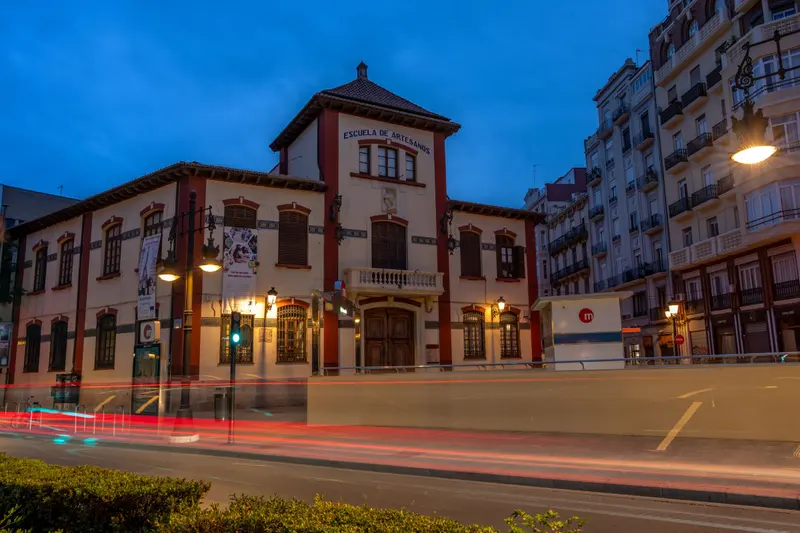
By area: Ciutat Vella Ruzafa Extramurs El Cabanyal & Malvarrosa Pla del Real & Algirós
Look for coca de llanda, a lemon and cinnamon sponge cake eaten as an afternoon snack, and rosquilletas, crisp anise breadsticks often dipped in chocolate or horchata. At Easter, hornos bake panquemaos and monas. With horchata, order fartons, long glazed buns made for dipping.
Fartons are long glazed buns made for dipping in horchata. The Polo family developed them in Alboraya in the 1960s from panquemao dough, shaped long to fit a glass, and the name comes from the Valencian word for a glutton. Horchatería Daniel bakes about 3,000 a day in summer and serves them warm.
Extramurs has the most, with Pastisseria Tarteria Mocholí and Bycia Cafetería on Carrer de Quart. Pla del Real, Camins al Grau and Ciutat Vella follow: Pablo’s breads on Carrer de Jaume Roig opens at 07:00 on weekdays, and Dulce de Leche on Avinguda de França is open daily 08:30–21:30.
Free listings are free for good. A featured page gives you photos, a menu and your own URL, in your café's own design, for less than a coffee a day.