Cafe Mondegar
- Toilets
- Open late
Irani chai under the ceiling fans of Colaba, filter coffee in steel tumblers around Matunga's King's Circle, roasters on Bandra's Chapel Road and Irish coffee at Prithvi Café in Juhu.
Photo: Saloni Panchal, Pexels License
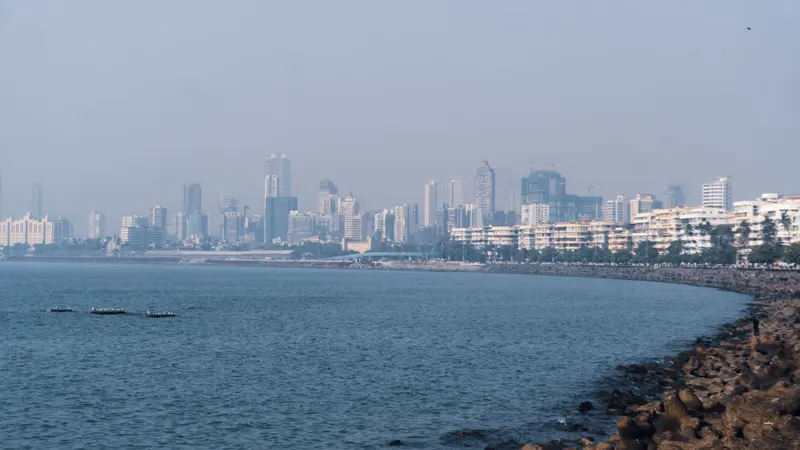
Mumbai was Bombay in English until November 1995. It grew out of an archipelago of seven islands, and most of its 2,213 mm of yearly rain falls from June to the end of September.1 The everyday drink is tea: roadside stalls pour cutting chai, a full cup "cut" in half.2 In August 2026 the Tea-Coffee Association, with about 2,600 members in the city, set ₹15 as its reference price for a cutting after retail sugar went from ₹42–45 a kilo to ₹75–80.3
Zoroastrian immigrants from Iran opened cafés across British India in the 19th century, and Mumbai had about 350 Irani cafés in the 1950s.4 By 2014 no more than 25 survived; in 1998 one of them, New Empire, had made way for one of the first McDonald's in the city.5 Kyani & Co., open since 1904 near Dhobi Talao, was then the oldest still trading.5 In Colaba, Leopold dates from 1871 and Café Mondegar from 1932, when it started in the reception of the Apollo Hotel.67
South Indian migrants brought filter coffee. Café Madras opened near King's Circle in Matunga in August 1940, charging 15 paise for a coffee, and is run by the third generation of the Kamath family.89 Specialty roasting is newer: Subko launched in Bandra in 2020, during the lockdowns; its Mary Lodge café on Chapel Road is a restored bungalow, and it has since added a cacao mill in Colaba.10 Prithvi Café opened with Prithvi Theatre in Juhu in 1978 and is known for its Irish coffee.11
Since 8 October 2025 the underground Aqua Line has run 33.5 km along the city, from Cuffe Parade through Churchgate, Worli, Dadar and Santacruz to Aarey, with interchanges to the suburban railway.16 Coffee bunches on a few streets: Colaba Causeway, Rope Walk Lane in Kala Ghoda, King's Circle in Matunga, Chapel Road in Bandra and the lanes of Aram Nagar in Versova.
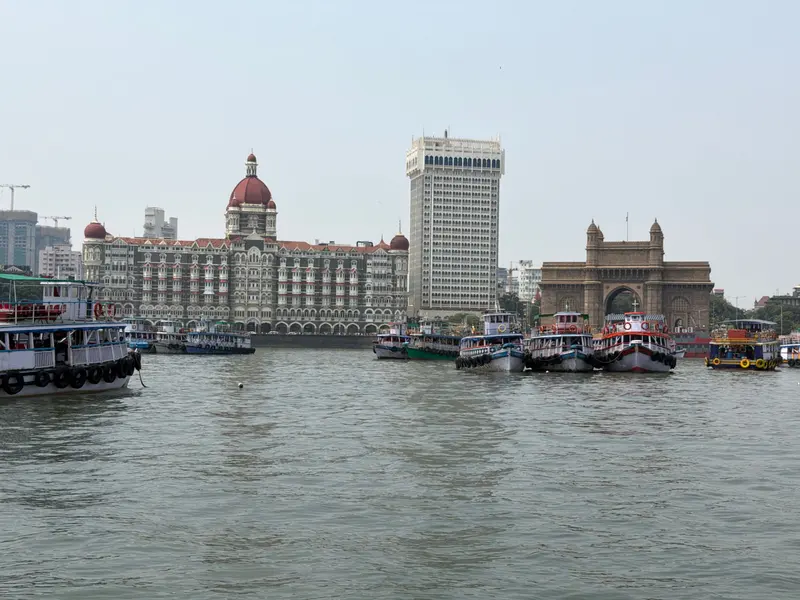
Leopold and Café Mondegar on the Causeway, and specialty coffee and cacao in the lanes off it.
9 cafés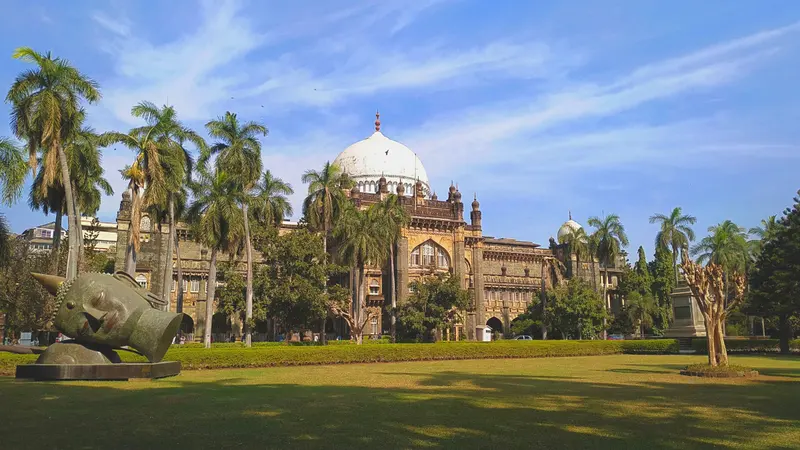
Kala Ghoda Café and the Rope Walk Lane cluster, Irani bakeries and coffee houses toward Ballard Estate.
15 cafés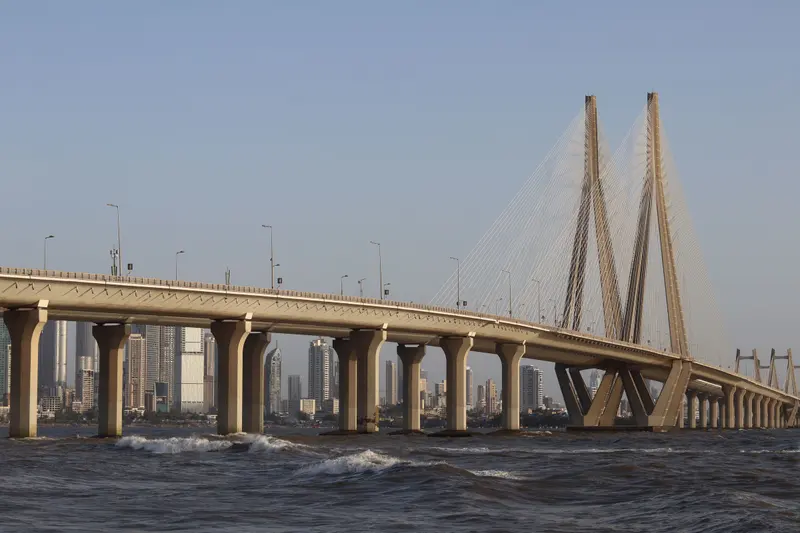
Cafés in former mill compounds, Palladium and late coffee on Worli's Annie Besant Road.
13 cafés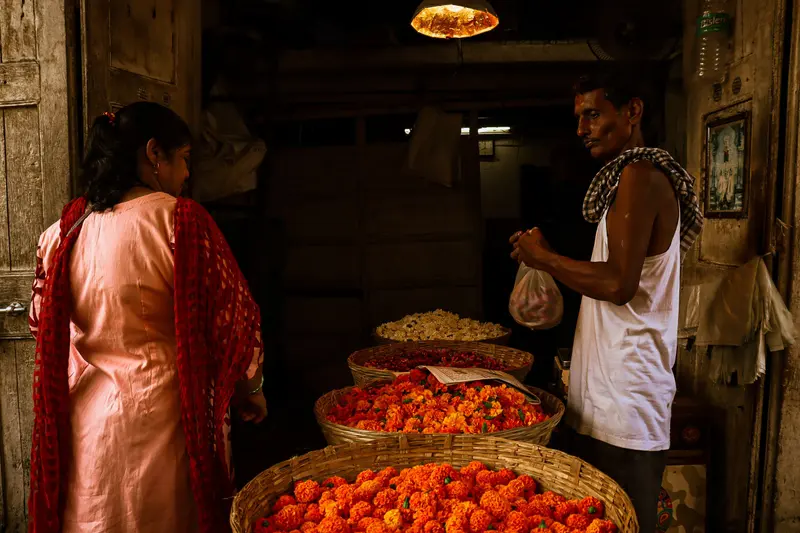
Filter coffee near Matunga's King's Circle, tea counters in Dadar and cafés around Shivaji Park.
13 cafés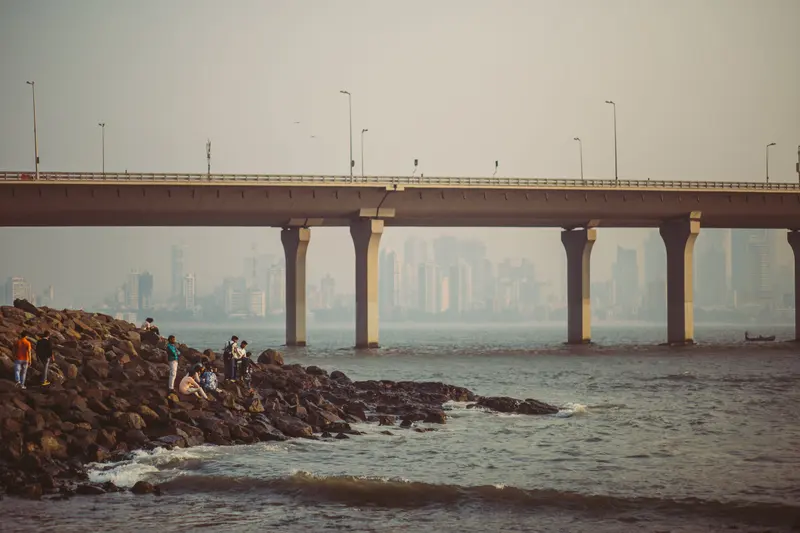
Roasters and murals on Chapel Road, a bagel bungalow on Pali Mala Road and coffee until 02:00.
46 cafés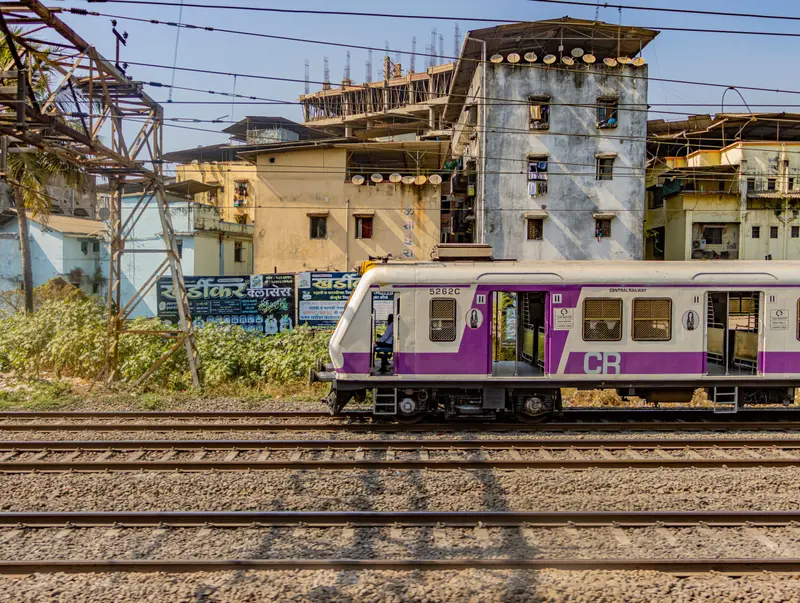
A roastery in Chuim Village, cafés on Khar West's numbered roads and breakfast spots in Santacruz.
15 cafés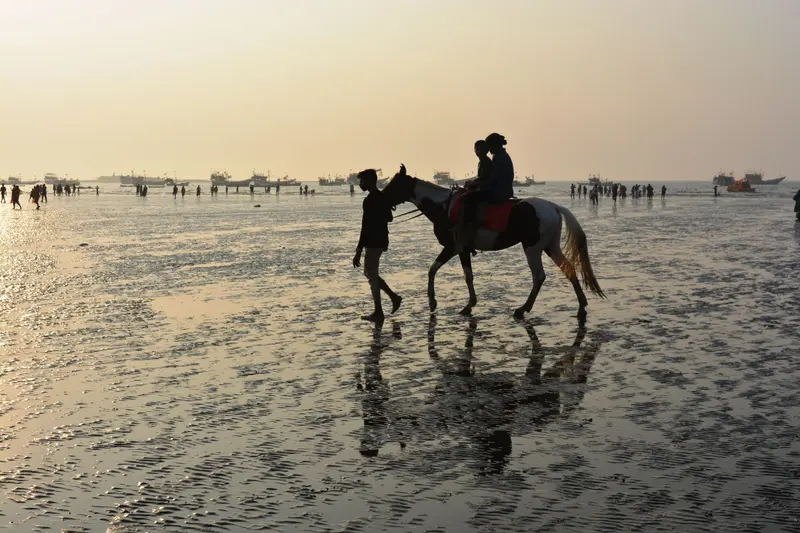
Prithvi Café's open-air tables and Irish coffee, South Indian beans on Juhu Road and cafés in Vile Parle.
21 cafés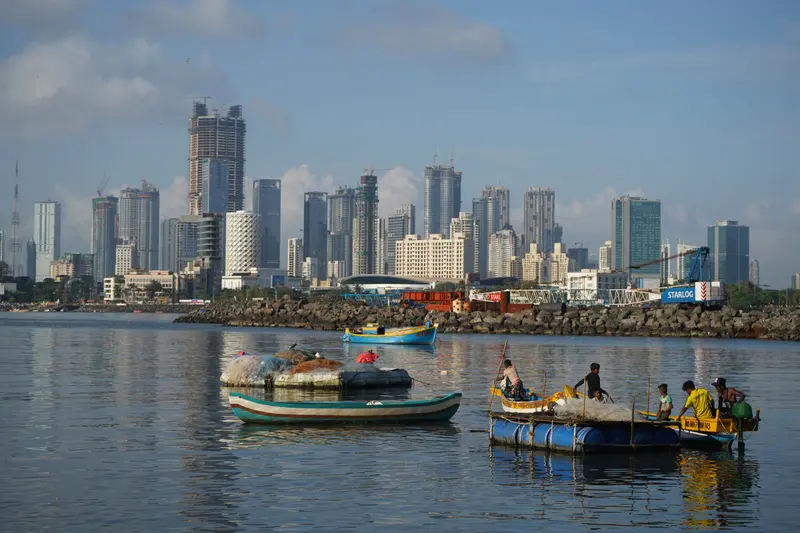
Aram Nagar's film-office lanes, a comics café off Yari Road, a cat café and coffee open all night.
36 cafés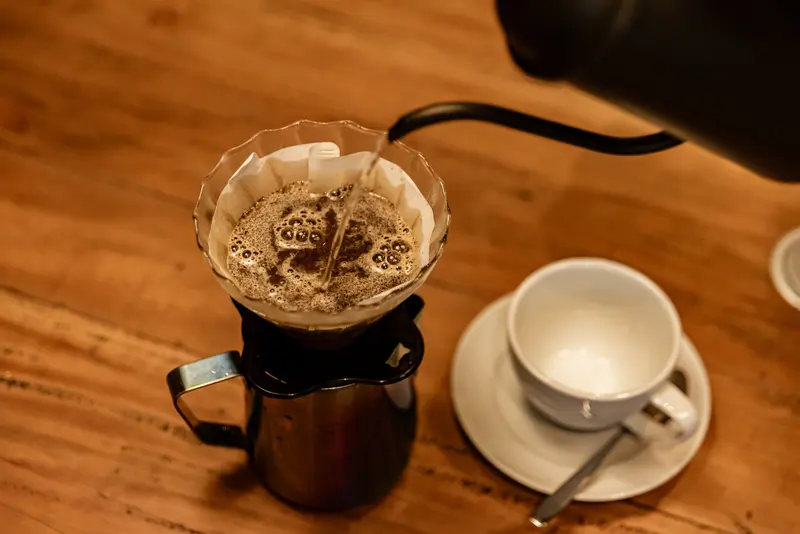
Roasteries in Bandra bungalows, Chuim Village and Versova, and pour-over bars in Colaba and Fort.
11 cafés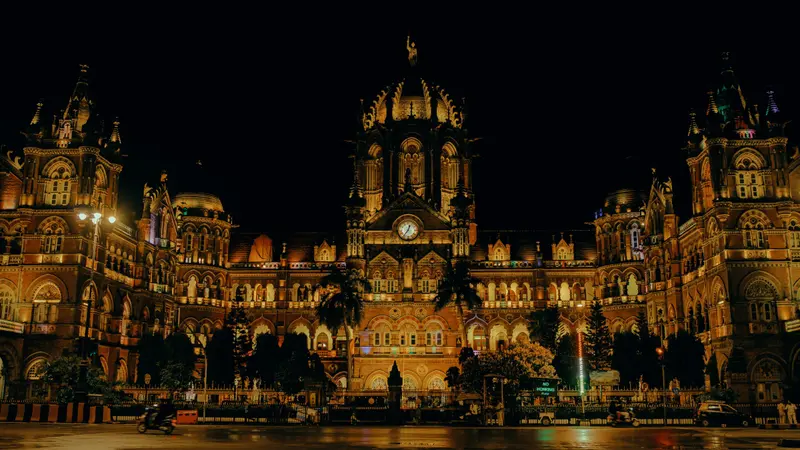
Chapel Road until 02:00, Colaba's 1930s café, Worli's Annie Besant Road and an evening-only espresso bar in Lokhandwala.
32 cafés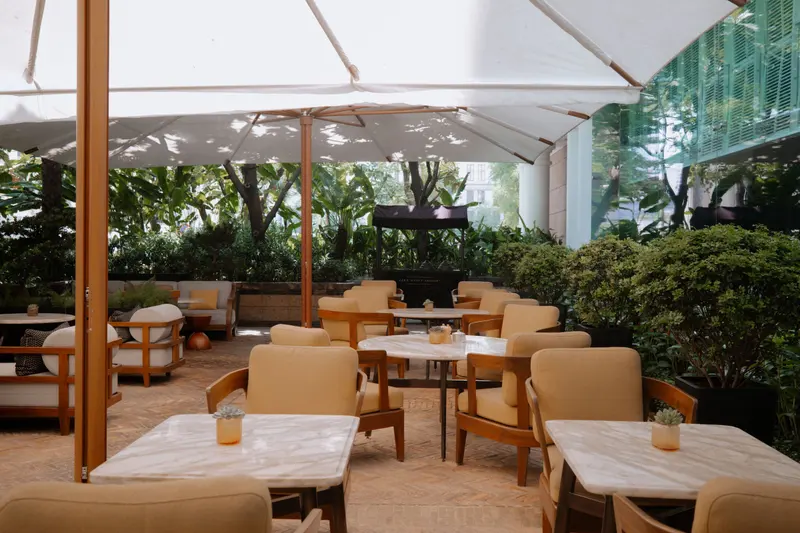
Garden and pavement tables in Bandra and Andheri West, a tea stall on Malabar Hill, and the dry months to use them.
20 cafés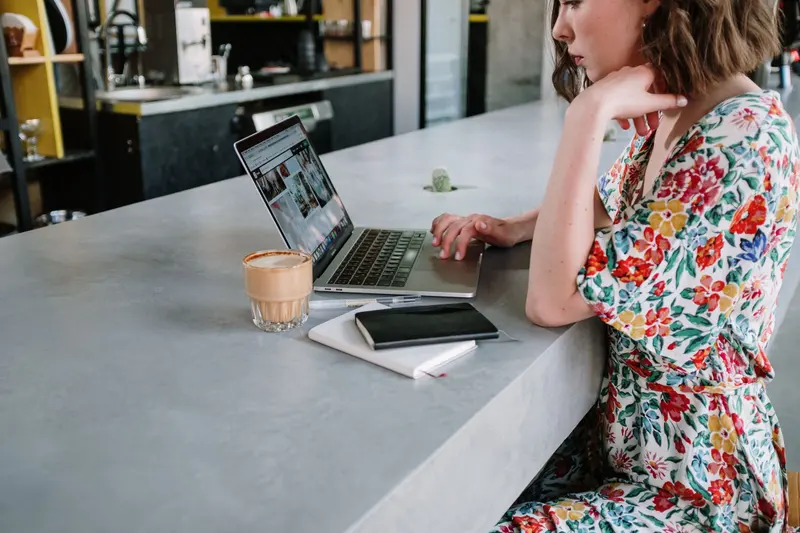
Wi-Fi tables on Chapel Road and Pali Mala Road, in Andheri West's lanes and in the BKC office district.
13 cafésMore about cafés in Fort & Kala Ghoda
More about cafés in Lower Parel & Worli
More about cafés in Dadar & Matunga
More about cafés in Bandra West
More about cafés in Khar & Santacruz
More about cafés in Juhu & Vile Parle
More about cafés in Andheri & Versova
Showing up to 6 cafés per area. Each area page has the full list.
No café matches all of those filters. Try removing one, or tell us about a café we're missing.
Branches by area
At a tapri (street tea stall), ask for "one cutting" and drink it where you stand. The association's ₹15 is a reference rather than a fixed price; rent, quality and clientele move it, and its own estimate had a ₹7 cutting going to ₹8–9 and a ₹10 one to ₹12–15. In hotels and upmarket cafés a cup of tea can cost ₹200–300 or more.3
An Irani café runs on strong tea and its own bakery. Order paani kam chai ("tea with less water") and bun maska (bread and butter), and sit at a marble-topped table on a black bentwood chair under a high ceiling.4 Boards of house rules hang on the walls, and the first rule is usually a ban on laptops; Kyani & Co. at Marine Lines is one of the cafés that keeps it.12
Filter kaapi (coffee) is brewed from freshly ground beans and chicory, then served in a steel tumbler set in a dabarah, a wide saucer-cup that lets it cool before you drink it.9 Ettarra lists a filter kaapi at ₹140 and a cappuccino at ₹225 on its online menu.13
A service charge should not appear on the bill by default. Consumer-protection guidelines issued on 4 July 2022 bar restaurants and cafés from adding one automatically, and the Delhi High Court upheld them on 28 March 2025: a tip is voluntary, and the amount is up to you.14
| Drink | Typical price |
|---|---|
| Cutting chai Half a glass of tea at a tapri (street stall) | ₹8–16 Tapris, August 2026 |
| Chai Tea at a hotel or upmarket café | ₹200–300+ Hotels and cafés, August 2026 |
| Filter kaapi South Indian filter coffee | ₹140 Ettarra, October 2026 |
| Cappuccino Cappuccino or latte | ₹225 Ettarra, October 2026 |
Tea prices as of August 2026, from Lokmat's report on the Tea-Coffee Association's new reference rate; coffee prices from Ettarra's online menu in October 2026.313 On 17 October 2026 AHAR, the Indian Hotel and Restaurant Association, said Mumbai menu prices could rise 10–15% in the following weeks.15
In August 2026 Mumbai's Tea-Coffee Association set ₹15 as the reference price for a cutting chai, after retail sugar prices nearly doubled. The price is not binding: the association expected a ₹7 cutting to go to ₹8–9 and a ₹10 one to ₹12–15, depending on rent and clientele. In hotels and upmarket cafés a cup of tea can cost ₹200–300 or more.
Bandra West and Andheri & Versova have the most cafés, followed by Juhu & Vile Parle. In Bandra they cluster on Chapel Road and Pali Mala Road; in Versova, around Aram Nagar, JP Road and Yari Road.
Irani cafés were opened by Zoroastrian immigrants from Iran in the 19th century. They serve paani kam chai, a strong tea made with less water, with bun maska, at marble-topped tables under high ceilings. Mumbai had about 350 of them in the 1950s and no more than 25 by 2014, when Kyani & Co., open since 1904, was the oldest still trading.
Go to Matunga, near King's Circle, where Café Madras has served filter coffee since August 1940; a cup cost 15 paise when it opened. The coffee is brewed from freshly ground beans with chicory and served in a steel tumbler and dabarah. Ettarra also serves filter kaapi, listed at ₹140 on its online menu in October 2026.
Not automatically. Consumer-protection guidelines issued in July 2022 bar restaurants and cafés from adding a service charge by default, and the Delhi High Court upheld them in March 2025. A tip is voluntary, and the amount is left to the customer.
Usually not. Irani cafés hang boards of house rules on their walls, and the first rule is usually a ban on laptops. Kyani & Co. at Marine Lines is one of the cafés that keeps the custom, so plan to drink your chai and eat your bun maska without a screen.
Your free listing is probably already on this page. Claim it in two minutes, or turn it into a featured page in your own design, with photos, a menu and your own link.