Porta Venezia
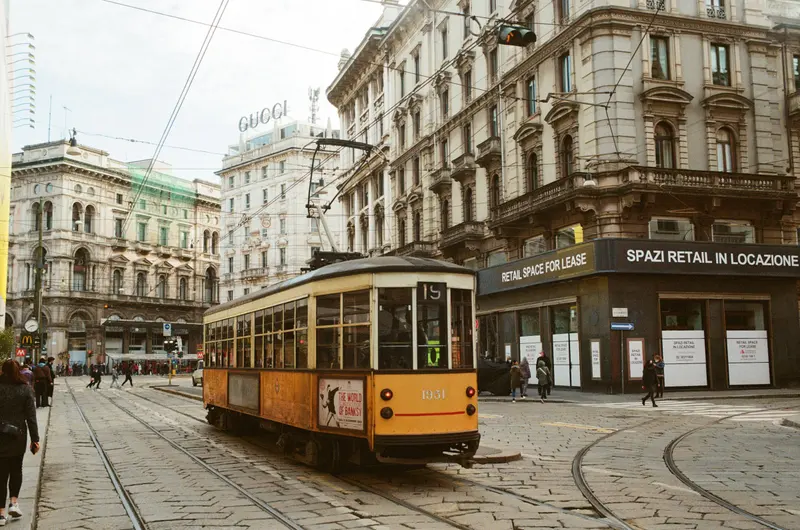
Milano
Cafés in Milan brioche at the banco
A brioche standing at the banco by the Duomo, filter coffee on Via Broggi, bubble tea on Via Paolo Sarpi and Campari e seltz in the Galleria.
- Map and “near me”
- “Open now” filter
- Paid placements always labeled
Photo: Maria Borisenko, Pexels License
1485Cafés listed
23Open by 6am
72Open past 10pm
9Specialty & roasters
Milan took its coffeehouses seriously early. From June 1764 to May 1766, Pietro Verri's journal Il Caffè framed its essays as talk among the customers of a coffeehouse kept by a Greek named Demetrio, and had them printed in Venetian Brescia to escape Austrian censors.1 The espresso bar owes the city something too: Luigi Bezzera of Milan filed his first patent for an improved espresso machine in December 1901, and Desiderio Pavoni bought it in 1903 and built one machine a day in a workshop on Via Parini.2
The grand cafés are pastry shops first. Antonio Cova opened his beside La Scala in 1817; after the 1943 bombing it moved to Via Montenapoleone in 1950.3 Paolo Biffi, confectioner to the king, took a shop in the new Galleria in 1867 and made his name with panettone.4 Specialty coffee came much later: Orsonero opened on Via Broggi in late 2016.5 Starbucks waited until September 2018 to open its first store in Italy, a roastery in Milan.6
Evenings belong to the aperitivo. Davide Campari opened the Camparino in the Galleria in 1915, opposite his father Gaspare's café, and its stand-up bar still pours Campari e seltz, Campari with soda water.7 On Via Plinio, Bar Basso gave the city the Negroni sbagliato, a Negroni with sparkling wine where the gin should be.89 A 1985 Amaro Ramazzotti advert called the place Milano da bere, "drinkable Milan", and the phrase came to stand for the money and fashion of the 1980s.10
Start with a quartiere
Milan by area
Milan has nine municipi (boroughs), but its quartieri (neighborhoods) have no official borders, and several still carry the names of gates in the Spanish walls begun in 1548: Porta Ticinese, Porta Romana, Porta Nuova.1819 Pasticcerie are commonest in the center and the east, bubble-tea counters gather around Via Paolo Sarpi, and NoLo and Città Studi have the most bars open by 06:00.
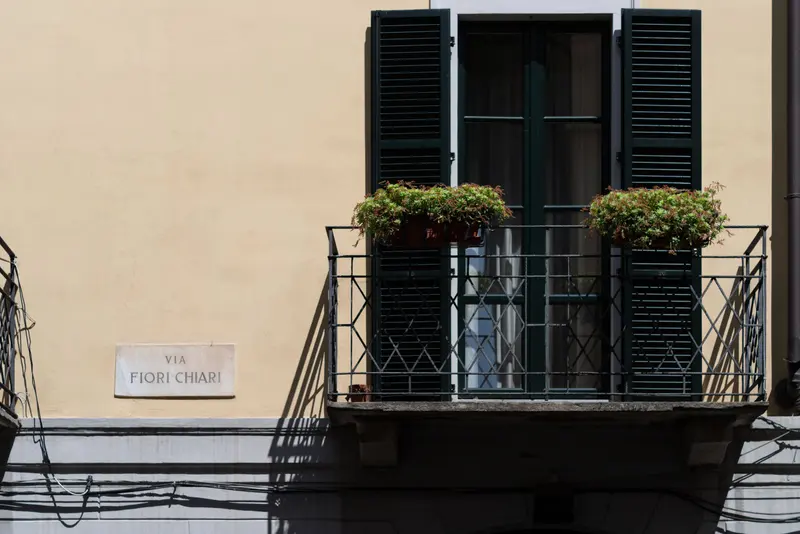
Brera
The artists' bars of Via Brera, the bakeries of Via della Moscova and late cafés off Corso Garibaldi.
93 cafés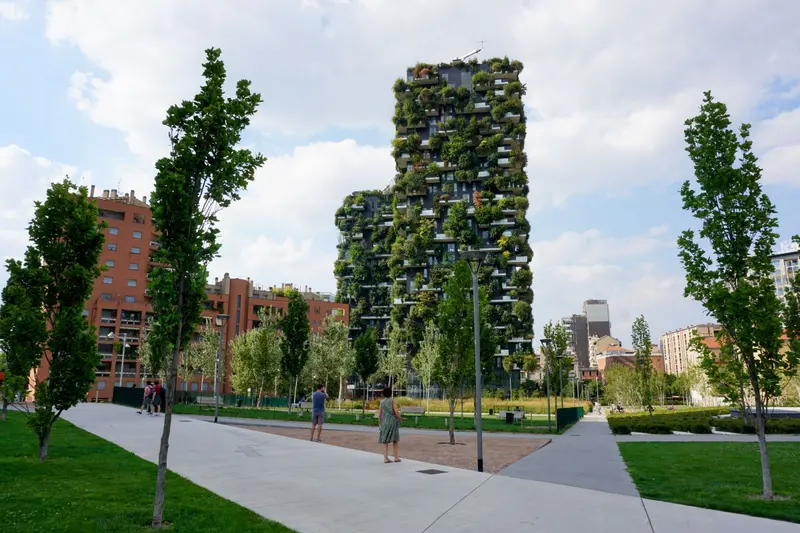
Isola
Neighborhood bars on Via Borsieri and Via Carlo Farini, in the shadow of the Bosco Verticale.
52 cafés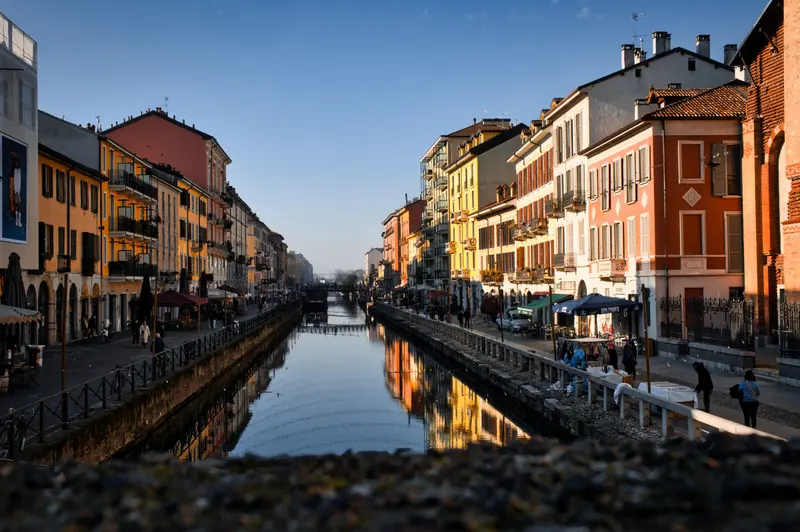
Navigli & Ticinese
The Darsena, the towpaths of the Naviglio Grande and Naviglio Pavese, and Corso di Porta Ticinese.
83 cafés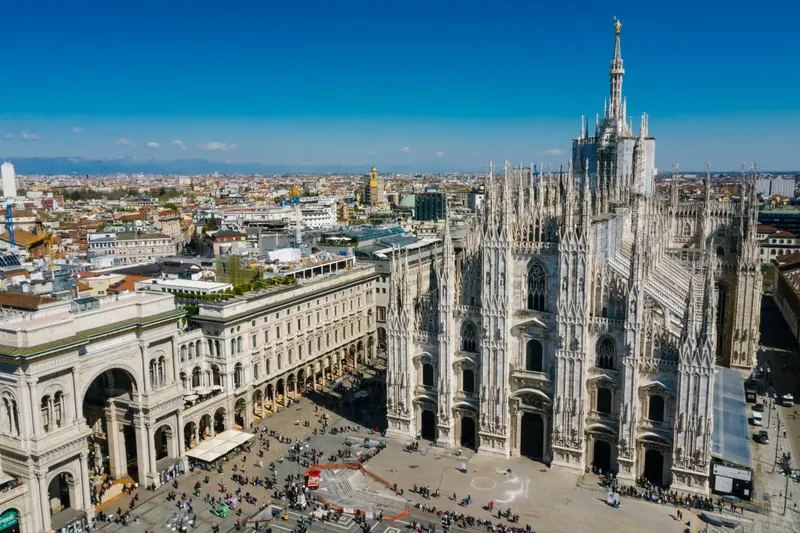
Duomo & Centro
The cathedral square, the cafés of the Galleria and the bars along Via Festa del Perdono.
161 cafés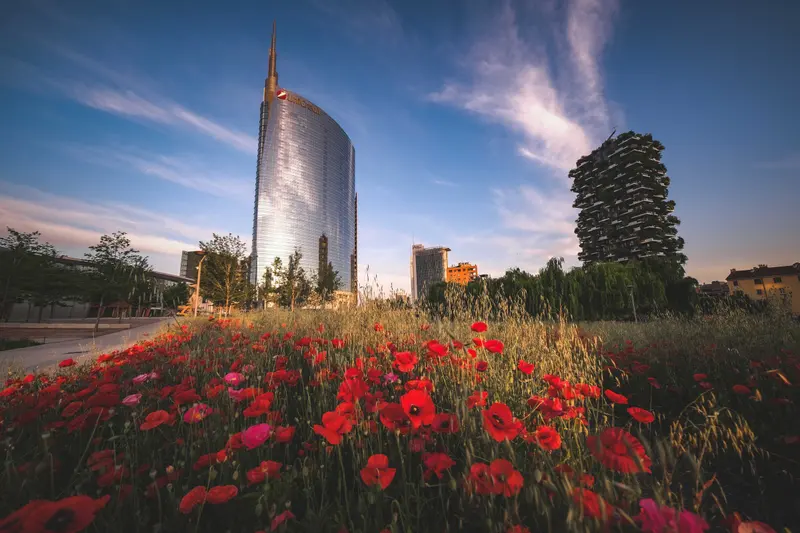
Porta Nuova & Centrale
Station cafés on Piazza Duca d'Aosta, the towers of Piazza Gae Aulenti and Pavé on Via Felice Casati.
94 cafés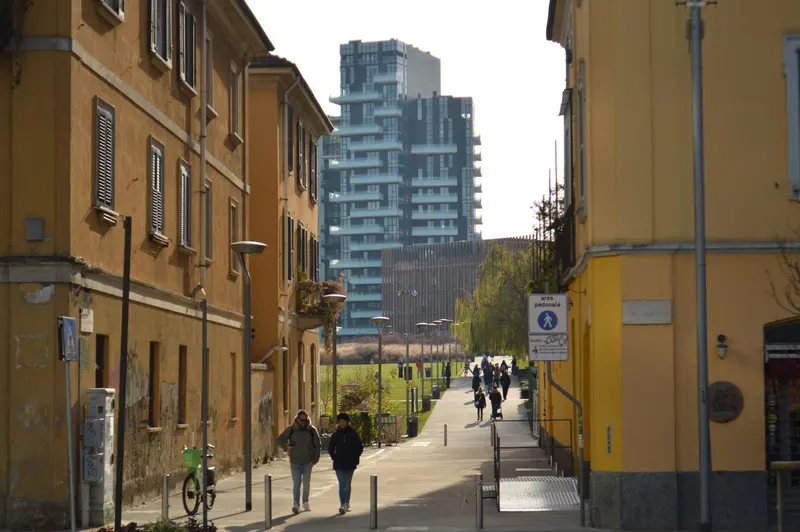
Paolo Sarpi & Chinatown
Milan's Chinatown on pedestrian Via Paolo Sarpi: bubble tea, matcha, taiyaki and a roaster nearby.
63 cafés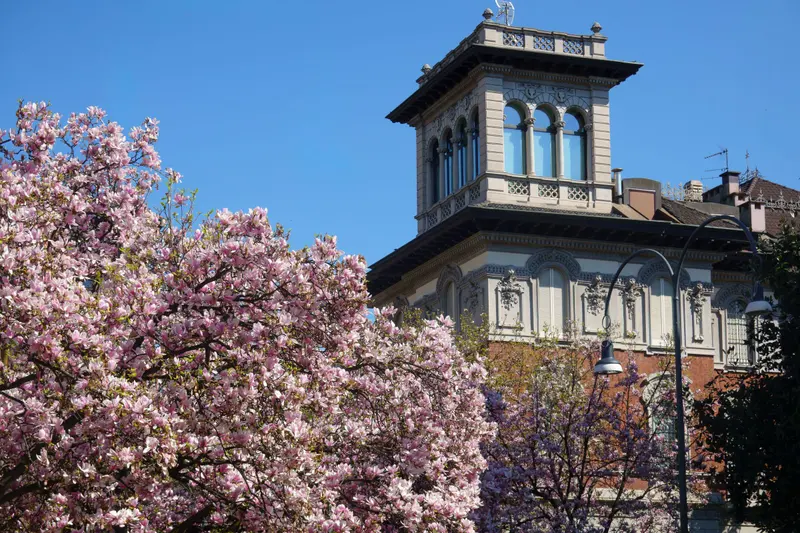
Porta Venezia
Filter coffee on Via Broggi, Eritrean bars on Via Lecco and the Negroni sbagliato's home on Via Plinio.
110 cafés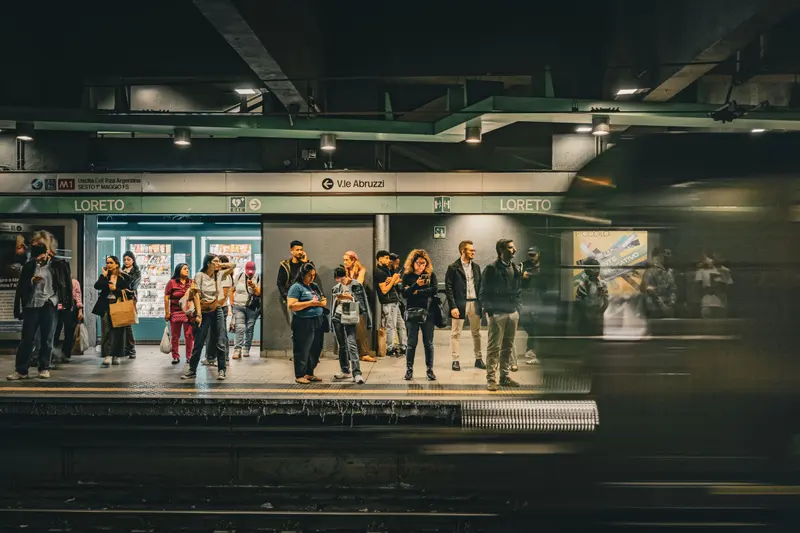
NoLo & Loreto
North of Piazzale Loreto: early bars on Via Padova and Viale Monza and the cafés of NoLo.
125 cafés
Or start with what you need
Browse by mood and hour
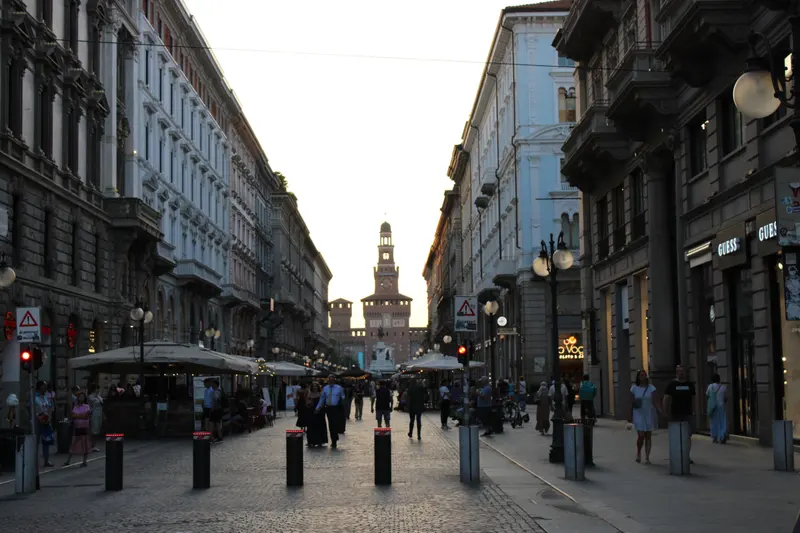
Dehors
Outdoor seating
Dehors on sidewalks, piazzas and parking lanes, from Porta Venezia to Via Savona.
201 cafés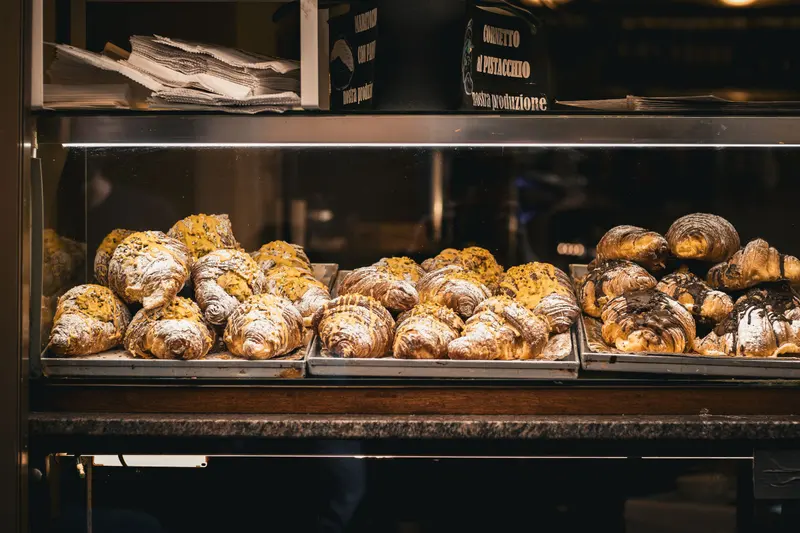
Pasticcerie
Pasticcerie
Pastry shops and bakery-cafés for a brioche, a cappuccino and panettone.
44 cafés
Aperto presto
Open by 6am
Bars open by 06:00, from the station concourses to Piazzale Gabrio Piola.
23 cafés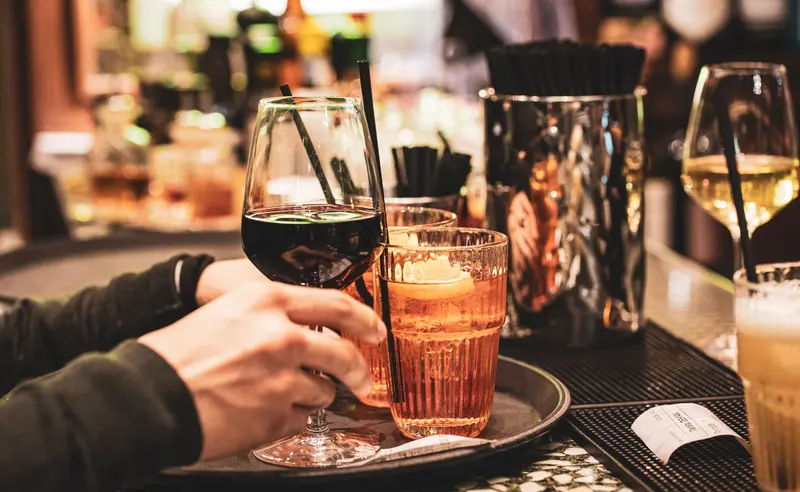
Aperto la sera
Open late
Bars that carry on through aperitivo and past midnight, from Città Studi to NoLo.
72 cafés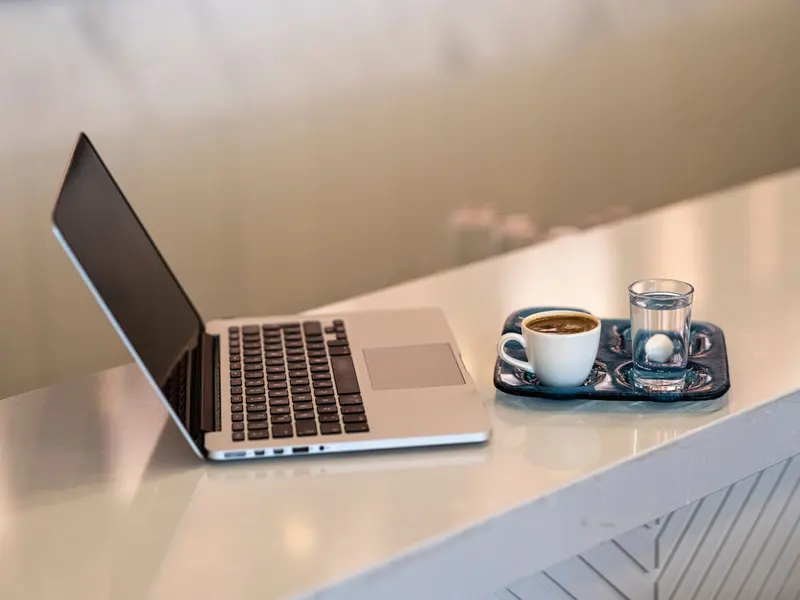
Wi-Fi
Wi-Fi
Bars and bistrots with Wi-Fi, from the center to NoLo, and the house rules for laptops.
28 cafés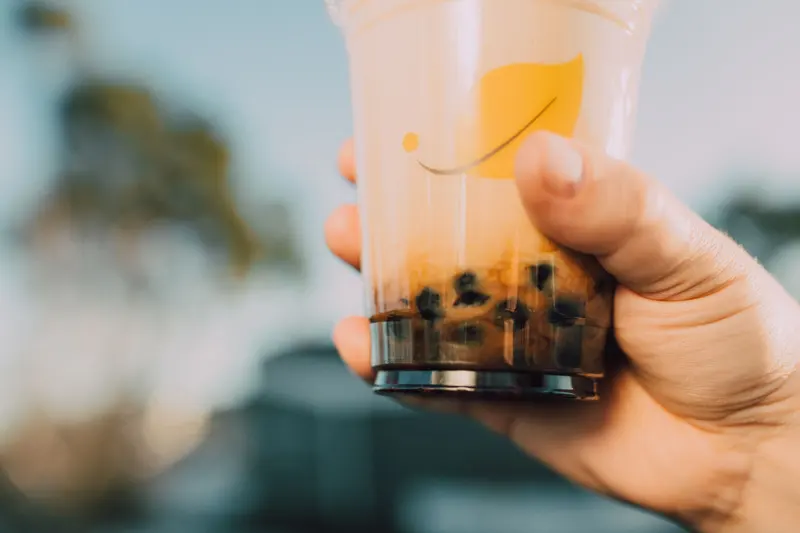
Bubble tea
Bubble tea
Milk tea and tapioca pearls, mostly along pedestrian Via Paolo Sarpi.
13 cafésNew in Milan
Recently opened and recently added
Porta Nuova & Centrale
Bar Atlantic
- Wheelchair access
- Smoke-free indoors
Brera
Casa Turati
De Angeli & the west
Lab Café
Magenta & Sant’Ambrogio
Larky Milano
NoLo & Loreto
Milano Cafè
Sempione & Pagano 40 cafés
Bastianello Columbus
Caffetteria triennale
- Outdoor seating
- Air-con
- Indoor seating
- Wheelchair access
Panarello
- Outdoor seating
- Indoor seating
- Bakery café
Brera 93 cafés
Art Cafe
Panarello
- Outdoor seating
- Indoor seating
- Card payment
- Bakery café
Pandenus
- Partial wheelchair access
- Open late
All 93 cafés in Brera
See the full listTortona 23 cafés
Isola 52 cafés
Aroma Napoletano
- Outdoor seating
- Indoor seating
- Brunch
Dolcevita Bistrot
Melò
- Card payment
- Brunch
All 52 cafés in Isola
See the full listPorta Romana 58 cafés
Bar trattoria Devoti Domenico
Marlà Pasicceria
- Outdoor seating
- Takeaway
- Indoor seating
- Wheelchair access
- Bakery café
Potafiori
Navigli & Ticinese 83 cafés
More about cafés in Navigli & Ticinese
Bar Tabacchi Luce
Caffè Giugni
Chà Tea Atelier
All 83 cafés in Navigli & Ticinese
See the full listDuomo & Centro 161 cafés
More about cafés in Duomo & Centro
Actors' Studio Cafe
Bar Mercato
Bar Mercurio
All 161 cafés in Duomo & Centro
See the full listPorta Vittoria & XXII Marzo 138 cafés
cafe Victum
Grand Cafè & Tre Marie
Loste Cafè
Magenta & Sant’Ambrogio 38 cafés
Daniel e il Caffè
- Indoor seating
- Vegetarian options
Elegant coffee
Le Grazie
- Smoke-free indoors
- Brunch
Porta Nuova & Centrale 94 cafés
More about cafés in Porta Nuova & Centrale
Caffè Panzera
- Wheelchair access
- Open late
- Bakery café
Cin-Cin...Nato
- Partial wheelchair access
Crazy Cat Café
All 94 cafés in Porta Nuova & Centrale
See the full listPaolo Sarpi & Chinatown 63 cafés
More about cafés in Paolo Sarpi & Chinatown
oTTo
- Outdoor seating
- Indoor seating
- Partial wheelchair access
- Smoke-free indoors
- Open late
Bistrot 66
Matchatelier
All 63 cafés in Paolo Sarpi & Chinatown
See the full listDe Angeli & the west 125 cafés
Bar Cosmo
Bottega dei Pasticci
Caffè Mania
Porta Venezia 110 cafés
More about cafés in Porta Venezia
Bar All'Angolo
- Outdoor seating
- Smoke-free indoors
- Bakery café
- Open late
Bar Sallas
La Jungle De Plein - Bistrot & Garden
All 110 cafés in Porta Venezia
See the full listMaciachini & the north 112 cafés
Bakery Armagni Milan
Bausan Cafe
Civico 39 Food & Drink
Città Studi & Lambrate 73 cafés
Bar Mida
- Outdoor seating
- Air-con
- Indoor seating
- Vegetarian options
- Smoke-free indoors
Beverly
- Outdoor seating
- Card payment
- Vegetarian options
- Partial wheelchair access
- Open late
- Open by 6am
Caffé Scaringi
- Outdoor seating
- Indoor seating
- Card payment
- Smoke-free indoors
Corvetto & the south 97 cafés
NoLo & Loreto 125 cafés
More about cafés in NoLo & Loreto
Drogheria Sociale
Fòla
La Siciliana dal 1956
All 125 cafés in NoLo & Loreto
See the full listShowing up to 6 cafés per area. Each area page has the full list.
No café matches all of those filters. Try removing one, or tell us about a café we're missing.
Coffee chains in Milan
Branches by area
Chain
Caffè Napoli
Show 20 locations
- Brera 2
- De Angeli & the west 2
- Duomo & Centro 6
- Isola 1
- Magenta & Sant’Ambrogio 1
- Navigli & Ticinese 1
- Porta Nuova & Centrale 4
- Porta Romana 1
- Porta Vittoria & XXII Marzo 2
Chain
Starbucks
Show 9 locations
- Brera
- Corso Giuseppe Garibaldi, 118Mon–Fri 07:30–20:00 · Sat–Sun 08:00–20:00
- Duomo & Centro
- Milano piazza del Duomo 20122
- Starbucks Reserve Milano, Piazza Cordusio, 1Daily 07:00–22:00
- Via Borgogna, 2a
- Via Lentasio 1
- Via Torino, 21Daily 07:30–20:00
- Isola
- Viale Francesco Restelli, 5Mon–Fri 07:30–18:30 · Sat–Sun 08:00–19:00
- Porta Nuova & Centrale
- Piazza Luigi di Savoia, 1
- Sempione & Pagano
- Piazzale Francesco Baracca, 10
Chain
Il Caffè Ambrosiano
Show 6 locations
- De Angeli & the west
- Via Michelangelo Buonarroti, 8
- Via Washington 51
- Duomo & Centro
- Via Orefici 10
- Isola
- Piazzale Lagosta, 4
- Porta Vittoria & XXII Marzo
- Corso Ventidue Marzo, 16
- Sempione & Pagano
- Via Francesco Ferrucci, 22
Chain
12oz Coffee Joint
Show 4 locations
- Corvetto & the south
- Corvetto & the south
- Duomo & Centro
- Duomo & Centro
- PIAZZA DEL DUOMO 4
- Porta Nuova & Centrale
- PIAZZA GAE AULENTI 6
Chain
Cafezal
Show 4 locations
- Brera
- Cafezal Torrefazione Specialty Coffee, Via Solferino, 27
- Magenta & Sant’Ambrogio
- Corso Magenta, 96
- Porta Venezia
- Cafezal Specialty Coffee Roasters, Via San Gregorio, 29AMon–Fri 09:00–17:00 · Sat–Sun 09:00–18:00
- Porta Vittoria & XXII Marzo
- Viale Premuda, 14Mon–Fri 08:30–18:00 · Sat–Sun 09:00–20:00
Chain
Caffè Vergnano
- Duomo & Centro
- Via Speronari, 3
- Porta Nuova & Centrale
- Caffè Vergnano 1882, Piazza 25 Aprile, 10
Chain
EL&N
- Duomo & Centro
- Duomo & Centro
- Porta Nuova & Centrale
- piazza Gae Aulenti, 1
Chain
Gud
- Porta Nuova & Centrale
- Piazza Luigi di Savoia, 1/15
- Porta Venezia
- Via Francesco Redi, 31
Chain
Puro Gusto
- Brera
- Via Meravigli nr. 2
- Duomo & Centro
- Piazza del Duomo 10
Chain
Ditta Artigianale
- Magenta & Sant’Ambrogio
- Ditta Artigianale Specialty Coffee Roasters, Corso Magenta, 31
Chain
illy
- Sempione & Pagano
- Piazza Tre Torri 2, Piastra Nord
Chain
Lavazza
- Duomo & Centro
- Piazza San Fedele, 2
Before you sit down
How coffee works in Milan
Breakfast is the bar's busiest hour, and the order is a cappuccino with a pastry. In northern Italy that pastry is a brioche; central and southern Italians call the same thing a cornetto.11 Northern bars sell it almost only in the morning, while some bakeries further south bake it through the night.12 Un caffè means an espresso; after lunch, a cappuccino marks you as a visitor.13
In a busy Milanese bar the sequence is fixed: order and pay at the cassa (till), hand the scontrino (receipt) to the barista, and drink at the banco (counter).14 The espresso comes with a little glass of fizzy water and is gone in under a minute.14 Standing is the cheap option. Taking a table, above all on a famous piazza or a terrace, can add a service charge or a cover that turns a €1.20 espresso into €4 or €5.13
An espresso at the counter cost €1.27 on average in Milan in June 2026, against €1.04 five years earlier.15 The 2026 Assoutenti study ranked the city 34th among 60 provincial capitals, a little under the Italian average of €1.29.16 The new breakfast bakeries charge more: across ten of them surveyed in April 2026, a cappuccino ran €2–3 and a plain croissant or brioche €1.80–3.17
Tipping is not expected at the bar; a few small coins left on the counter count as generous.13 Takeaway cups belong mostly to chains and station kiosks, since coffee here is drunk on the spot.13
What coffee costs in Milan
| Drink | Typical price |
|---|---|
| Caffè Espresso at the counter, city average | €1.27 Milan bars, June 2026 |
| Cappuccino Cappuccino at the counter | €1.50–2 Ordinary bars, 2026 |
| Caffè Espresso at bakery-cafés and specialty bars | €1.30–2.50 Ten breakfast addresses, April 2026 |
| Cappuccino Cappuccino at bakery-cafés and specialty bars | €2–3 Same ten, April 2026 |
| Brioche Plain croissant or brioche | €1.80–3 Same ten, April 2026 |
Counter prices. The city average comes from June 2026 data of the price observatory run by the Ministry of Enterprises, in a comparison by the consumer group Altroconsumo, and from the 2026 Assoutenti study.1516 The ordinary-bar cappuccino range is from Milan Tourism Guide, May 2026.13 Bakery and specialty prices are from Affaritaliani's April 2026 round-up of ten breakfast addresses, including Pavè, Loste Café and Nowhere.17 Tables cost more than the counter.13
Sources
- Il Caffè, Wikipedia, accessed October 2026
- Espresso machine, Wikipedia, accessed October 2026
- Caffè-Pasticceria Cova, Wikipedia, accessed October 2026
- Our history, Biffi Galleria, accessed October 2026
- Orsonero Coffee, third wave coffee in Milan (Michela Becchi), Gambero Rosso International (December 26, 2016), accessed October 2026
- Starbucks ventures into Italy, opening Europe's biggest cafe, Euronews (September 6, 2018), accessed October 2026
- Camparino, la storia del bar simbolo dell'aperitivo milanese (Federico Silvio Bellanca), Forbes Italia (December 20, 2023), accessed October 2026
- Bar Basso owner Maurizio Stocchetto tells the story of the legendary Milan bar (Brad Turner), Dezeen (May 5, 2010), accessed October 2026
- RIP Mirko Stocchetto, the barman responsible for the Negroni sbagliato (Livia Montagnoli), Gambero Rosso International (November 16, 2016), accessed October 2026
- Milano da bere, Wikipedia (Italian), accessed October 2026
- Croissant, brioche e cornetto: le differenze (Chiara Cajelli), Dissapore (August 22, 2021), accessed October 2026
- Che mangino croissant, o cornetti, o brioche, Il Post (November 16, 2023), accessed October 2026
- Milan Coffee Guide: Order Like a Local, Milan Tourism Guide (May 29, 2026), accessed October 2026
- Il caffè italiano spiegato agli stranieri (Francesca Tagliabue), Sale&Pepe (July 17, 2026), accessed October 2026
- Prezzo del caffè, espresso sempre più caro al bar e a casa: la mappa degli aumenti, Sky TG24 (October 2, 2026, citing Altroconsumo and the Osservatorio Prezzi e Tariffe), accessed October 2026
- La Lombardia? È il posto giusto per un caffè (Michele Mezzanzanica), Il Giorno (August 19, 2026, citing Assoutenti and the Centro di formazione e ricerca sui consumi), accessed October 2026
- Milano, la colazione è il nuovo aperitivo. Tra matcha e lievitati: i prezzi (aggiornati) dei locali più in hype, Affaritaliani (April 2, 2026), accessed October 2026
- Municipalities of Milan, Wikipedia, accessed October 2026
- Mura spagnole di Milano, Wikipedia (Italian), accessed October 2026
FAQ
Cafés in Milan: common questions
How much does an espresso cost in Milan in 2026?
An espresso at the counter cost €1.27 on average in Milan in June 2026, up from €1.04 in 2021, which placed the city 34th of 60 provincial capitals, just under the Italian average of €1.29. At ten bakery-cafés and specialty bars surveyed in April 2026, an espresso cost €1.30–2.50 and a cappuccino €2–3. A table, especially on a famous piazza, costs more than the counter.
Which neighborhood of Milan has the most cafés?
Duomo & Centro and Porta Vittoria & XXII Marzo have the most cafés, followed by De Angeli & the west. In Duomo & Centro, Via Festa del Perdono has the densest run of bars; farther out, Via Padova in NoLo has more cafés than any other street in Milan.
What is a brioche in a Milan café?
In Milan and the rest of northern Italy, a brioche is the croissant-shaped breakfast pastry that central and southern Italians call a cornetto. Northern bars sell it almost only in the morning, usually with a cappuccino at the counter. At ten Milan bakery-cafés surveyed in April 2026, a plain croissant or brioche cost €1.80–3.
Where did the Milanese aperitivo start?
Milan's best-known aperitivo address is the Camparino in the Galleria Vittorio Emanuele II, opened by Davide Campari in 1915 opposite his father Gaspare's café, where Campari with soda water is still served at a stand-up bar. Bar Basso on Via Plinio gave the city the Negroni sbagliato, made with sparkling wine instead of gin.
Do you pay before ordering coffee in a Milan bar?
Usually, yes. In busy Milan bars you order and pay at the cassa (till), then hand the scontrino (receipt) to the barista and drink at the counter, where the espresso comes with a little glass of fizzy water. Tipping is not expected; a few small coins left on the counter count as generous.
For café owners
Run a café in Milan?
Your free listing is probably already on this page. Claim it in two minutes, or turn it into a featured page in your own design, with photos, a menu and your own link.