Liljeholmen & Hägersten
Konditorier & bagerier · Stockholm
Konditorier and bakeries in Stockholm
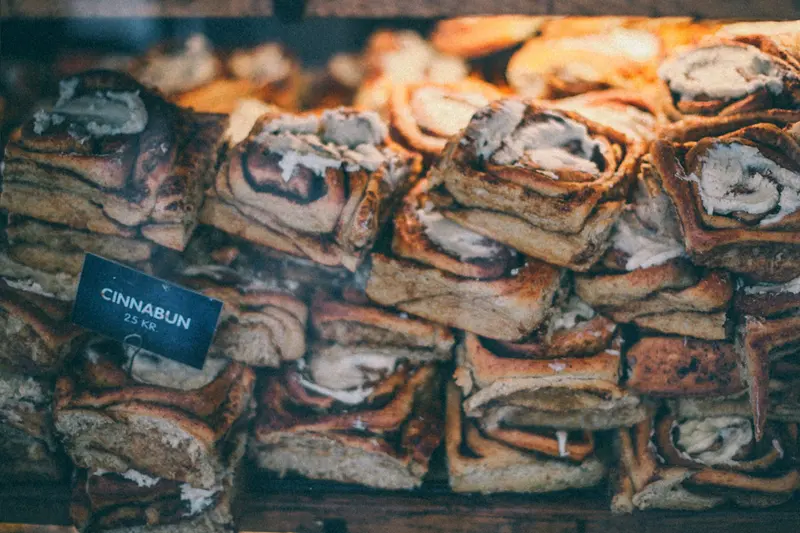
Cardamom buns, green princess cake and semlor from Östermalm to Vasastan.
Photo: Maria Orlova, Pexels License
A konditori is a business that makes and sells finer pastries and confectionery, usually with a room where they are served with coffee, tea or other drinks; Swedes shorten it to kondis, and the older word was sockerbageri.1 A bageri (bakery) is mainly about bread, though in Stockholm many bakeries double as cafés, from Stora Bageriet on Sibyllegatan to Haga bageri on Torsgatan.
Three pastries anchor the counter. The kanelbulle (cinnamon bun) is the year-round staple, the semla takes over in late winter, and the green prinsesstårta (princess cake) turns up at birthdays, office celebrations and farewells.5 Norrmalm has the most bakery cafés, nearly a fifth, ahead of Östermalm, then Vasastan and Södermalm.
Local tip: In semla season, take Roy Fares's advice and pick a counter that fills them to order; Lillebrors Bageri on Rörstrandsgatan opens at 08:00 from Tuesday to Sunday.
Where these cafés are: Norrmalm (10), Östermalm (7), Södermalm (6), Vasastan (6), Liljeholmen & Hägersten (5), Johanneshov, Årsta & Hammarbyhöjden (4), Gärdet & Norra Djurgården (4), Gamla stan (4), Kungsholmen (3), Solna (3), Djurgården & Skeppsholmen (1).
At a glance
53Cafés listed
33With opening hours
06:00Earliest opening
22:00Latest closing
- Opens earliest: Lilla Mamsens Bageri, from 06:00 (Mon–Fri 06:00–15:00 · Sat 08:00–16:00 · Sun 09:00–16:00).
- Closes latest: Årstabo, until 22:00 (Mon–Tue 08:00–17:00 · Wed–Sat 08:00–22:00 · Sun 08:00–17:00).
- Most common features: outdoor seating (30%), indoor seating (26%), vegetarian options (19%).
Johanneshov, Årsta & Hammarbyhöjden
Årstabo
- Wi-Fi
- Outdoor seating
- Indoor seating
- Wheelchair access
- Bakery café
- Open late
Södermalm
Åsö konditori & bageri
- Outdoor seating
- Indoor seating
- Vegetarian options
- Wheelchair access
- Bakery café
Kungsholmen
Bageriet Bulleboden
Östermalm
Bageriet Kringlan
Johanneshov, Årsta & Hammarbyhöjden
Bonne Femme Stenugnsbageri
Liljeholmen & Hägersten
Bonne Femme Stenungsbageri
Gärdet & Norra Djurgården
Bullar & Bröd
- Outdoor seating
- Indoor seating
- Card payment
- Vegetarian options
- Wheelchair access
- Smoke-free indoors
- Bakery café
Vasastan
Café Koya
Gamla stan
Cafe Schweizer
- Wi-Fi
- Takeaway
- Indoor seating
- Bakery café
- Brunch
Norrmalm
Café Vólta
- Bakery café
- Brunch
Södermalm
Chic Konditori
- Outdoor seating
- Indoor seating
- Card payment
- Vegetarian options
- Partial wheelchair access
- Smoke-free indoors
- Bakery café
Gärdet & Norra Djurgården
Fosch Artisan Pâtisserie
- Outdoor seating
- Takeaway
- Card payment
- Vegetarian options
- Wheelchair access
- Toilets
- Bakery café
Vasastan
Fosch Artisan Pâtisserie
- Indoor seating
- Bakery café
Vasastan
Haga bageri
Djurgården & Skeppsholmen
Konsthallen Butik & Bageri
Kungsholmen
Lilla Mamsens Bageri
- Bakery café
- Open by 6am
Vasastan
Lillebrors Bageri
- Outdoor seating
- Indoor seating
- Bakery café
Liljeholmen & Hägersten
Lundbergs konditori
Östermalm
Mr Cake
- Outdoor seating
- Indoor seating
- Bakery café
Norrmalm
NK Art Bakery
Vasastan
Nybergs konditori
- Indoor seating
- Vegetarian options
- Bakery café
Norrmalm
Oolong Tea House
- Card payment
- Wheelchair access
- Bubble tea
- Bakery café
Gärdet & Norra Djurgården
Östra Bageriet
- Smoke-free indoors
- Bakery café
- Open by 6am
Södermalm
Pascal
- Card payment
- Vegetarian options
- Bakery café
Norrmalm
RC Café & Patisserie
Södermalm
Sankt Pauls bageri
- Outdoor seating
- Indoor seating
- Bakery café
Östermalm
Stora Bageriet
- Outdoor seating
- Takeaway
- Indoor seating
- Toilets
- Bakery café
Södermalm
Weindels Konditori
- Takeaway
- Wheelchair access
- Bakery café
Norrmalm
RC Café & Patisserie
Norrmalm
Bageri Norrmalm
Liljeholmen & Hägersten
Bageri Pomona
Östermalm
BodyBuddy Café & Bakery
Johanneshov, Årsta & Hammarbyhöjden
Bonne Femme Stenugnsbageri
Södermalm
Bullbon Hantverksbageri
Östermalm
Eken Kökscafé & Bageri
Nothing matches those filters here. See all cafés in Stockholm.
Kanelbulle: cardamom in the dough
The Swedish kanelbulle took its modern form after the First World War, and its dough usually contains cardamom, ground or as whole seeds, which gives it a flavor distinct from cinnamon rolls elsewhere.2 October 4 is Kanelbullens dag (Cinnamon Bun Day). Kaeth Gardestedt, then project manager at Hembakningsrådet, the Home Baking Council, set it up in 1999 to draw attention to Sweden's home-baking tradition, and chose a date that would not clash with other autumn customs.3
For an early bun, Östra Bageriet at Valhallavägen 77 and Lilla Mamsens Bageri on Essinge Brogata both open at 06:00 on weekdays. Åsö konditori & bageri on Åsögatan, Sankt Pauls bageri on Sankt Paulsgatan and Cafe Schweizer on Västerlånggatan in Gamla stan follow at 07:00.
Prinsesstårta, a Stockholm cake
Prinsesstårta is layers of sponge cake, pastry cream and a dome of whipped cream under a sheet of marzipan, usually green, dusted with powdered sugar and often topped with a pink marzipan rose.4 The recipe was published by Jenny Åkerström, who taught the daughters of Prince Carl, Duke of Västergötland, in Prinsessornas kokbok (The Princesses' Cookbook); the cake was first called grön tårta, green cake.4
About half a million are sold each year, which makes it Sweden's best-selling cake by a wide margin; at Vete-Katten it accounts for about 40 percent of cake sales.5 The color matters. The same cake in yellow or pink goes by another name, Carl Gustaf cake or opera cake.5
Semla season, January to Easter
The semla is a cardamom-flavored wheat bun, cut open, hollowed out and filled with mandelmassa (almond paste) and whipped cream, with the lid dusted in powdered sugar.6 It belongs to fettisdagen (Shrove Tuesday), but many bakeries start just after New Year and some carry on until Easter; Sweden eats around 40–50 million a year.6 Served in a bowl of hot milk it becomes hetvägg, an older style a few bakeries still make.6
Pastry chef Roy Fares, who opened Mr Cake on Rådmansgatan in 2017, advises choosing a smaller café that fills its semlor to order over one that leaves them on the counter all day.7 His picks include Lillebrors Bageri on Rörstrandsgatan, known for a slightly saltier almond filling, and Stora Bageriet, which shares a building with the Swedish Museum of Performing Arts.7 Many bakeries also sell nut-free semlor with vanilla custard, and vegan ones.6
Where the bakery cafés are
Östermalm mixes old names and new. Stora Bageriet at Sibyllegatan 2 revives the name locals gave Kronobageriet, which baked up to 60,000 loaves a day and closed in 1958 after more than 300 years of bread-making on the site.8 Tössebageriet is at Karlavägen 77 and Bageriet Kringlan at Linnégatan 26.
In Norrmalm the bakery cafés sit on the shopping streets: NK Art Bakery on Regeringsgatan, Café Vólta and Muffin Bakery on Drottninggatan, and RC Café & Patisserie on both Kungsgatan and Sveavägen. Vasastan has Lillebrors and Haga bageri, plus a Fosch Artisan Pâtisserie at Birger Jarlsgatan 63; the other Fosch, on Löjtnantsgatan in Gärdet, opens every day, from 07:30 on weekdays.
Sources
- Konditori, Wikipedia (Swedish), accessed October 2026
- Cinnamon roll, Wikipedia, accessed October 2026
- Kanelbullens dag, Wikipedia (Swedish), accessed October 2026
- Princess cake, Wikipedia, accessed October 2026
- A fika evergreen: the Princess cake (16 September 2026), Visit Stockholm, accessed October 2026
- Fat Tuesday: the day of the Semla 2026, Visit Stockholm, accessed October 2026
- Roy Fares: my top 5 places to eat semla (21 August 2024), Visit Stockholm, accessed October 2026
- About, Stora Bageriet, accessed October 2026
Keep exploring
Other ways to browse Stockholm
Uteservering
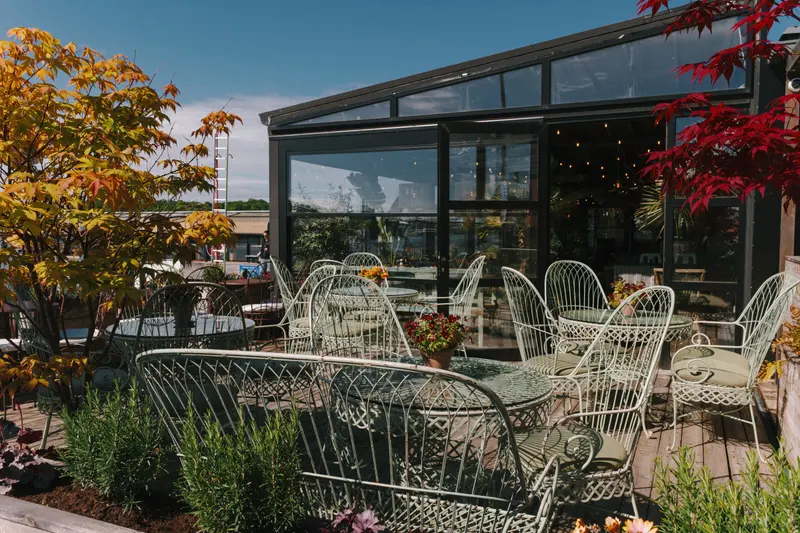
Outdoor seating
119 cafés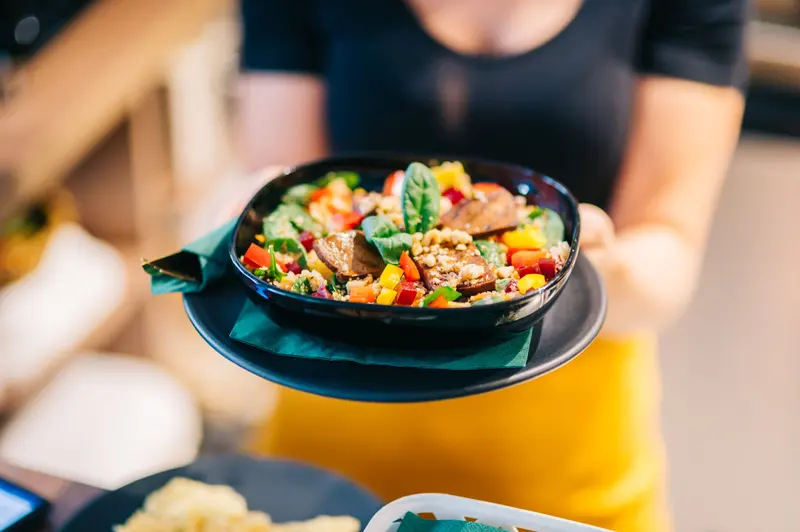
Veganskt
Vegan options
63 cafés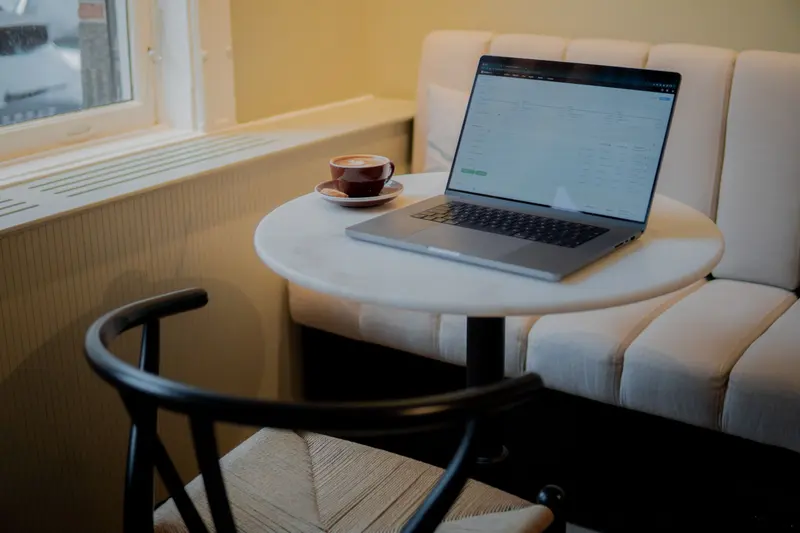
Wi-Fi
Wi-Fi
27 cafés
Öppet sent
Open late
22 cafés
Specialkaffe
Specialty coffee
5 cafésBy area: Gamla stan Djurgården & Skeppsholmen Norrmalm Vasastan Östermalm Kungsholmen Södermalm
FAQ
Konditorier & bakeries in Stockholm: questions
What is a konditori in Stockholm?
A konditori is a business that makes and sells finer pastries and confectionery, usually with a room where they are served with coffee or tea. Swedes call it kondis, and the old word was sockerbageri. Stockholm's konditorier sell kanelbullar all year, semlor from January to Easter, and prinsesstårta.
When is semla season in Stockholm bakeries?
The semla belongs to Shrove Tuesday, fettisdagen, but many Stockholm bakeries and cafés start making them just after New Year and some sell them until Easter. Sweden eats around 40–50 million a year. Many bakeries also offer nut-free semlor filled with vanilla custard, and vegan ones.
What is in a prinsesstårta from a Stockholm konditori?
Prinsesstårta has layers of sponge cake, pastry cream and a dome of whipped cream under green marzipan, with powdered sugar and often a pink marzipan rose. Jenny Åkerström published the recipe, first called green cake, in The Princesses' Cookbook. About half a million are sold in Sweden each year.
For café owners
Your café deserves better than a pin someone else dropped
Free listings are free for good. A featured page gives you photos, a menu and your own URL, in your café's own design, for less than a coffee a day.