Tbilisi · Didube
Cafés in Didube
Coffee by Tbilisi's busiest marshrutka hub, a 24-hour counter, and cafés on Tsotne Dadiani Street and the Kosmonavtebi embankment.
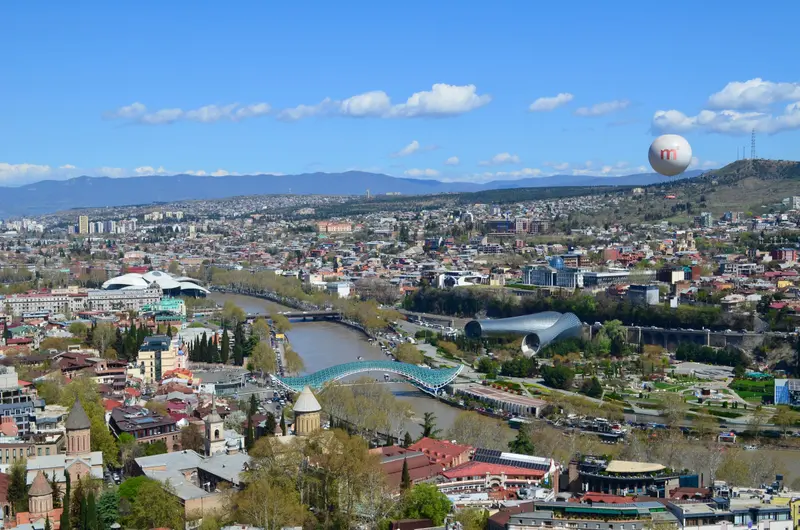
Photo: Ercan Evcimen, Pexels License
Didube (დიდუბე) lies on the northwest bank of the Mtkvari, has been part of Tbilisi since the 1870s, and covers Akaki Tsereteli Avenue and the streets around it.1 Its name, from didi ube, "great plain" or low-lying ground, appears in sources from the 11th and 12th centuries.1
Cafés follow the long roads. Tsotne Dadiani Street and Nikoloz Khudadovi Street have two each, with others on Tsereteli Avenue, the Kosmonavtebi embankment and side streets such as Stanislavski Street. Expect small neighborhood cafés and a 24-hour coffee counter rather than specialty bars.
Local tip: Didube metro station has two entrances: one on Akaki Tsereteli Avenue next to the bus station, reached through an underpass, and one from Tornike Eristavi Street, over a bridge across the first track.5
At a glance
11Cafés listed
2With opening hours
10:00Earliest opening
18:00Latest closing
- Opens earliest: Bean Bot, from 10:00 (Daily 10:00–18:00).
- Most common features: takeaway (9%), 24 hours (9%), open by 6am (9%).
Espresso
Siesta
კოფერო
Kopero
ქოფი სთორი
Coffee Store
Ska
ბესთ ქოფი
Best Coffee
- Takeaway
- 24 hours
- Open by 6am
იმერლები
Imerlebi
ლა ფარინა
La Farina
პატარა კაფე
Little Cafe
სისაური
Sisauri
Nothing matches those filters here. See all cafés in Tbilisi.
Coffee chains in Didube
Chain
Costa Coffee
Queen Tamar's plain
According to the chronicle Kartlis Tskhovreba, the kings kept a summer residence here, and in 1188 Queen Tamar married David Soslan at Didube.1 In the 12th century it was a royal domain with a palace and a court church, though no one now knows where the palace stood.1 The area later emptied, was resettled under King Vakhtang V in the 17th century, and grew produce for the city.1
In 1817–1818, German families from Württemberg and Baden founded a colony here named Alexanderdorf, after Tsar Alexander I.1 The Tbilisi–Poti railway cut Didube in two in 1872; railway workers who settled on the far side without permission gave that part its name, Nadzaladevi, roughly "taken by force".1 Siesta is at Archil Kereselidze Street 12, and Coffee Store at Evgeni Mikeladze Street 9.
Tsereteli Avenue, the metro and the bus station
Didube's main road was named after Elisabeth on the city plans of 1867 and 1910, became Brdzola (Struggle) Street under Soviet rule, and has been Akaki Tsereteli Avenue since 16 October 1958.1 The metro opened on 11 January 1966 with six stations on 6.5 km of line, Didube among them.2 Its architects, G. Modzmaniashvili and N. Lomidze, set it above ground, and it was the line's northern terminus until 1985.45
Next door, the bus station is a couple of squares packed with hundreds of marshrutkas (minibuses) to and from the west and north: Batumi, Poti, Zugdidi, Kutaisi, Gori, Kazbegi (Stepantsminda) and Vladikavkaz in Russia.3 The station and the surrounding bazaars make this one of the busiest and most crowded parts of the network.5 Espresso is on the avenue at No. 114, and ბესთ ქოფი (Best Coffee), a takeaway counter, is open 24 hours.
Horses, a flight and a pantheon
Didube's open fields were used for riding long before the houses came: jirit (a Georgian mounted game) and parades were held here in the 19th century, and Emperor Nicholas I attended one in 1837.1 The first official horse race took place in 1848, a hippodrome followed in the 1880s, and in November 1910 the Russian aviator Sergei Utochkin took off from it, flew around Tbilisi and landed there again.1
The Church of the Mother of God holds in its churchyard the pantheon of Georgian writers and public figures.1 Before the Vakhushti Bridge opened, an aerial cableway also linked Didube with Saburtalo.2 Bean Bot, at Stanislavski Street 1B, opens daily 10:00–18:00.
Older than the city: Dadiani, Khudadovi and the embankment
People lived here long before the city: excavations in 1930 led by G. Nioradze found a settlement of the Kura–Araxes culture from the end of the 4th millennium BC, with hand-shaped clay bowls, obsidian blades and arrowheads, left by farmers and herders who also hunted and fished.1
Today the cafés are strung along the long streets instead. Tsotne Dadiani Street has კოფერო (Kopero) at No. 34 and ლა ფარინა (La Farina) at Nos. 110–112; on Nikoloz Khudadovi Street, პატარა კაფე (Little Cafe) at No. 138 has Wi-Fi, and სისაური (Sisauri) is at No. 169. იმერლები (Imerlebi, "people from Imereti") is on the Kosmonavtebi embankment at No. 93, and Ska on Marshal Gelovani Avenue.
Sources
- დიდუბე, Wikipedia (Georgian), accessed November 2026
- History, Tbilisi Transport Company, accessed November 2026
- Didube (bus station), Tbilisi In Your Pocket, accessed November 2026
- Metro station Didube, Tbilisi Municipal Portal, Tbilisi City Hall (archived 2013), accessed November 2026
- Didube (Tbilisi Metro), Wikipedia, accessed November 2026
Keep exploring
More of Tbilisi
Old Tbilisi & Sololaki
81 cafés
Rustaveli & Mtatsminda
93 cafés
Vera
45 cafés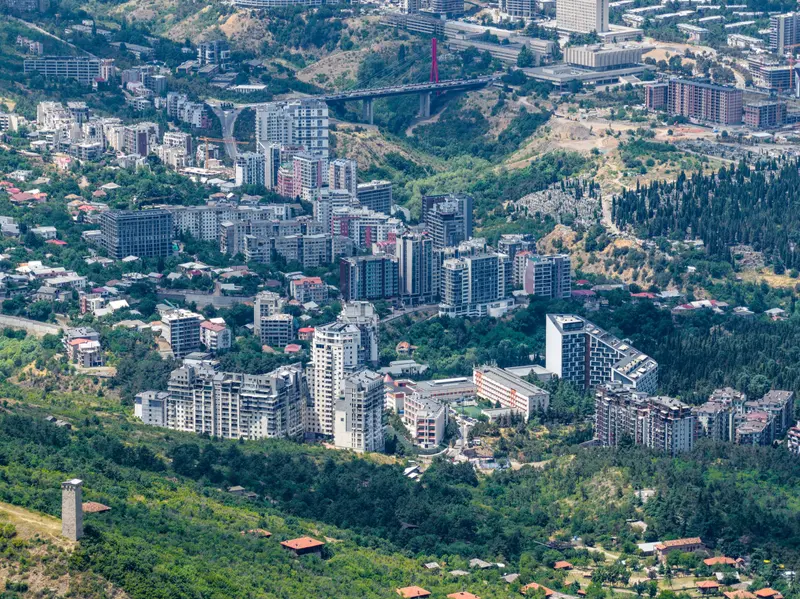
Vake
101 cafés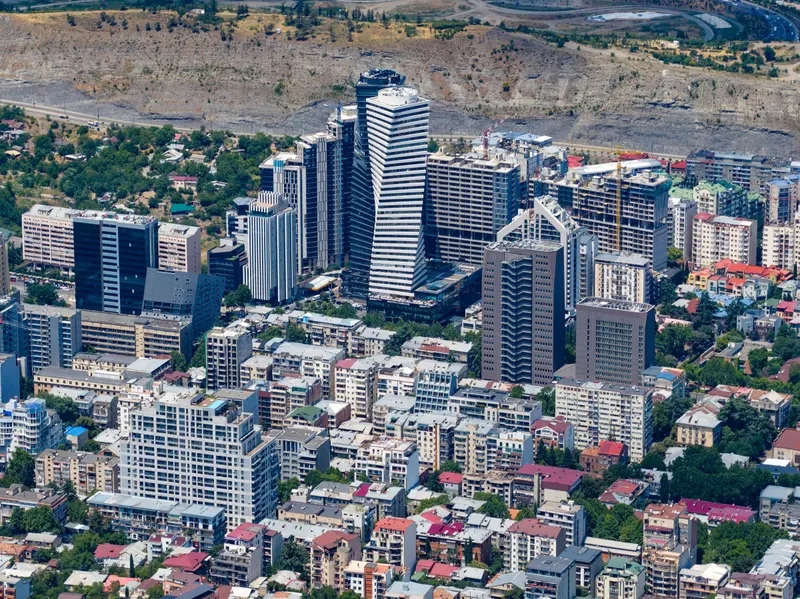
Saburtalo
83 cafés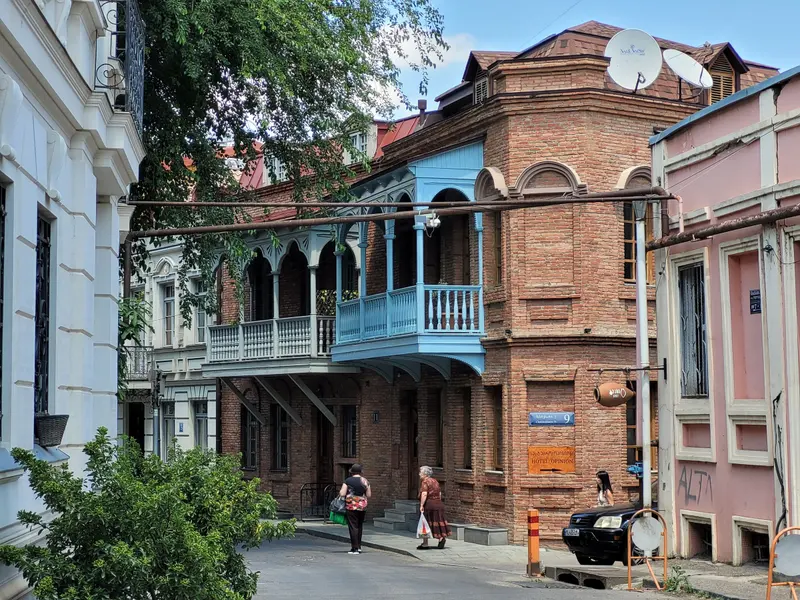
Marjanishvili & Chugureti
58 cafés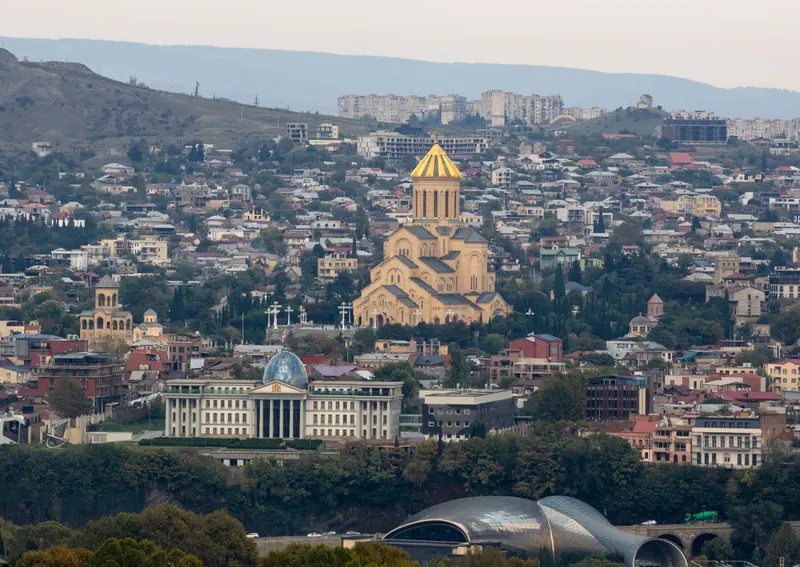
Avlabari
20 cafésIsani & Samgori
5 cafésIn Didube, also browse: Wi-Fi Open by 6am
FAQ
Didube cafés: questions
Where can you get coffee near Didube bus station in Tbilisi?
Espresso is on Akaki Tsereteli Avenue at No. 114, the road that runs past Didube metro and the bus station, and Best Coffee is a takeaway counter in Didube that is open 24 hours.
Which streets in Didube, Tbilisi have the most cafés?
Tsotne Dadiani Street, with Kopero and La Farina, and Nikoloz Khudadovi Street, with Little Cafe and Sisauri, have two each. Others are on Tsereteli Avenue, the Kosmonavtebi embankment and Stanislavski Street.
How do you get to Didube in Tbilisi by metro?
Didube station is on the First Line and was one of the six stations that opened in January 1966. It sits above ground next to Didube bus station, with entrances on Akaki Tsereteli Avenue and Tornike Eristavi Street.
For café owners
Own a café in Didube?
Free listings are free for good. A featured page gives you photos, a menu and your own URL, in your café's own design, for less than a coffee a day.