ハニー珈琲
Hanī Coffee
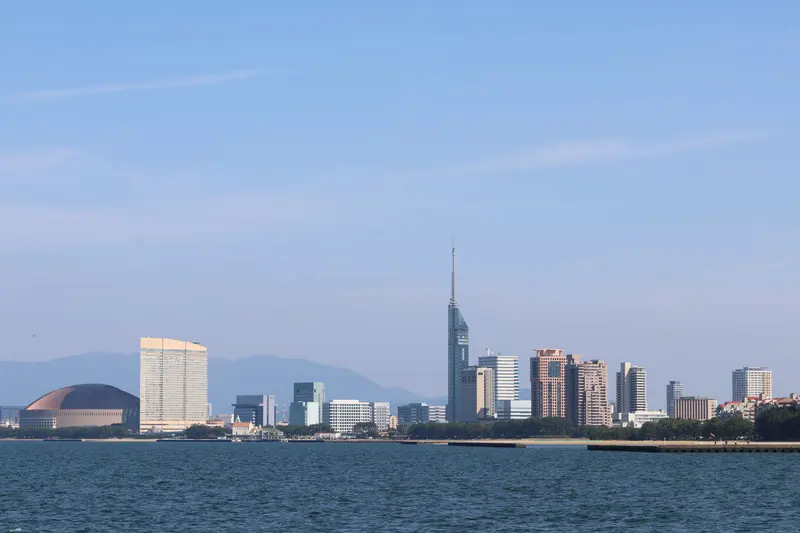
Flannel-drip coffee by Ōhashi station, a bean roaster in Ōgusu, Japanese black tea in Tamagawa and a 1990 bakery in Noma.
Photo: arnaud audoin, Pexels License
Takamiya and Ōhashi are neighboring stops in Fukuoka's Minami Ward on the Nishitetsu Tenjin Ōmuta Line, which raised its tracks onto a viaduct through both in 1978.12 Ōhashi is the ward's central station, with the ward office, the ward library and several colleges around it, while Takamiya's streets are mostly houses and small shops.12
Ōgusu (大楠), the blocks around Takamiya station, has the most cafés. Shiobaru (塩原) east of Ōhashi comes next, then smaller pairs in Noma, Tamagawa-machi and Mukaino. Several of them are bean shops, tea specialists and bakeries rather than espresso bars.
Local tip: Bring a book for the train rather than the café: Tenon opens 11:00–20:00 daily and currently asks guests to stay no longer than an hour inside.4
Hanī Coffee
Hopi Coffee
Iwakuma
Cafe Bonkurāju
Furōman
Norari
Nothing matches those filters here. See all cafés in Fukuoka.
Takamiya station, in Ōgusu 3-chōme, opened on 12 April 1924 with the original Kyushu Railway and now handles about 22,691 passengers a day, seventh among Nishitetsu stations in fiscal 2025.2 When the line was raised, trains ran for a while on temporary tracks beside it; that strip became the side road lined with zelkova trees that runs north-west of the viaduct toward Hirao.2
伽楽 (Karaku), at Ōgusu 3-26-18, is a specialist in home-roasted beans that takes orders by phone or fax and also serves coffee in the shop.3 Nearby, Koimari Cafe is at Ōgusu 3-7-16, Loop kitchen is upstairs inside Food Studio Loop at 3-20-1, and 詩州乎 is two doors away at 3-20-18. SharkFellowsCoffee has a branch at Ōgusu 1-15-31.
Ōhashi station opened the same day as Takamiya, moved to its present site in 1978, and became a limited-express stop on 26 August 2017.1 At 43,453 passengers a day in fiscal 2025, it is Nishitetsu's third-busiest station, and its building, renamed Rairia Ohashi in 2019, holds 39 shops.1
手音 (Tenon), a three-minute walk from the station at Shiobaru 4-12-10, roasts its own beans and makes coffee by nel drip (ネルドリップ, flannel-filter brewing).4 Further into Shiobaru, ホピ珈琲 (Hopi Coffee) at 3-3-13 pairs European-style spice curry with coffee made mostly from JAS-certified organic beans, sold by weight from 100 g.5 It sits on a quiet tree-lined residential street, seven minutes on foot from both Nishitetsu Ōhashi and JR Takeshita.5
The Kyushu Institute of Design opened in Shiobaru in April 1968 on the former site of a Fukuoka University of Education branch, as Japan's first national university devoted to design; even its faculty name, geijutsu kōgaku (芸術工学, art engineering), was new.6 It merged with Kyushu University in October 2003, and the site, Shiobaru 4-9-1, is now the Ōhashi campus.6
Manly runs a café on the ground floor of the campus's Design Common building at that address, and Coffee and Cake Mieux is closer to the station at Shiobaru 1-19-20.
Boulangerie Froment, at Noma 1-27-7 about ten minutes on foot from Takamiya station, has baked since 1990 with Hokkaido wheat; it has 19 seats, pours coffee free for anyone eating in, and sold its baguette for ¥380 in 2026.7 Honey Coffee's Takamiya shop is also in Noma, at 1-1-1.
In Tamagawa-machi, きごころ (Kigokoro) specializes in wakōcha (和紅茶, Japanese-grown black tea) from tea districts across Japan, which it describes as mild, low in astringency and clean on the finish.8 On a hilltop in Ōike, 喫茶去 草の庵 (Kissako Kusa no Iori) combines an Enshū-school tea-ceremony classroom with a small café serving matcha with wagashi and black tea from Ukiha.9
In Takamiya & Ōhashi, also browse: Wi-Fi Bakery cafés Specialty coffee
Tenon, at Shiobaru 4-12-10, three minutes on foot from Nishitetsu Ōhashi station, roasts its own beans and brews by nel drip, through a flannel filter. It is open daily 11:00–20:00 and asks guests to keep their stay to about an hour.
Boulangerie Froment at Noma 1-27-7, founded in 1990 and about ten minutes on foot from Takamiya station, pours coffee free for customers who eat in. It bakes with Hokkaido wheat and has 19 seats.
Kigokoro in Tamagawa-machi specializes in wakōcha, black tea grown in Japan's tea districts. Kissako Kusa no Iori in Ōike also serves black tea from Ukiha alongside matcha and wagashi.
Free listings are free for good. A featured page gives you photos, a menu and your own URL, in your café's own design, for less than a coffee a day.