Karasuma
Iolite
Iolite Coffee Roasters
- Takeaway
- Indoor seating
- Specialty
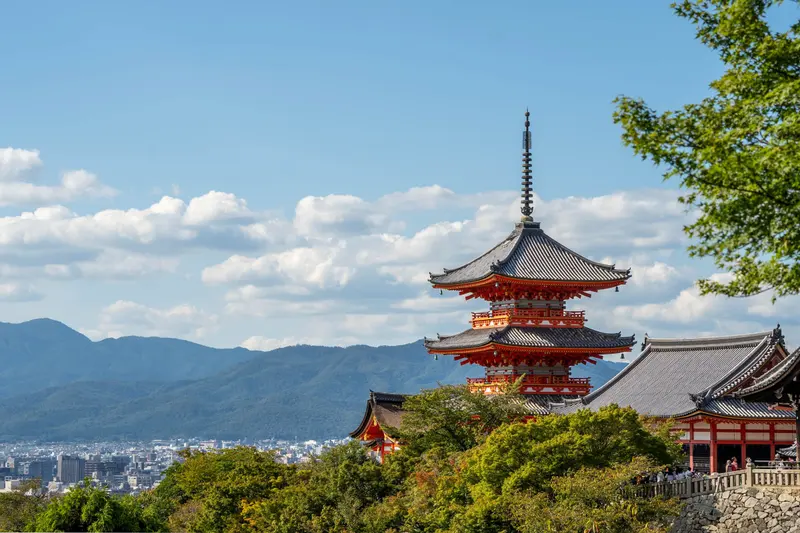
Roasters from Kitaōji to Fushimi, a champion barista's bar on Shijō-Karasuma, beans by the 100 g and a Meiji townhouse roastery.
Photo: Mateusz Walendzik, Pexels License
Kyoto's newer coffee shops tend to roast where they pour. Jika baisen (自家焙煎, house roasting) appears on more signs here than the word specialty does, and Kitaōji and Kitayama have the largest group of these roaster-cafés, ahead of Karasuma, Kawaramachi and the streets around Kyoto Station. Fushimi and Ukyō follow, which puts good beans within reach of Fushimi Inari and the Saiin crossroads as well as downtown.
One owner set the bar for the city's competition baristas. Okada Akihiro joined the Kyoto roaster Ogawa Coffee in 2004 to work on espresso and won the Japan Barista Championship 2008–2009, then left to open Okaffe Kyoto at Shijō-Karasuma in November 2016.1
Local tip: Buying beans to roast at home? Nishinaya sells green, unroasted beans at 10% off the price of the same bean roasted.7
Where these cafés are: Kitaōji & Kitayama (6), Karasuma (5), Kyoto Station & Shichijō (5), Kawaramachi & Teramachi (5), Fushimi (4), Ukyō (4), Nishijin & Kitano (3), Demachiyanagi & Kyoto University (3), Nijō (2), Arashiyama & Saga (2), Imperial Palace (2), Gion & Higashiyama (2).
Iolite Coffee Roasters
オモフ
Walden Woods
Kaikado Cafe
Goodman Coffee
Vermillion Cafe
Kopinooto Coffee Baisenjo
Sākasu Coffee
Jika Baisen Coffee Garo
Saiin Roasting Factory
Nothing matches those filters here. See all cafés in Kyoto.
Okada then took up roasting, and more than ¥5.5 million came in from supporters across Japan in a crowdfunding round for a roastery. Okaffe Roasting Park, at 51 Kameyachō in Karasuma, fills a renovated corner of an old lumber business that a childhood friend ran.1 Its counter serves the house roasts with desserts from a pastry chef and, later in the day, cocktails.1
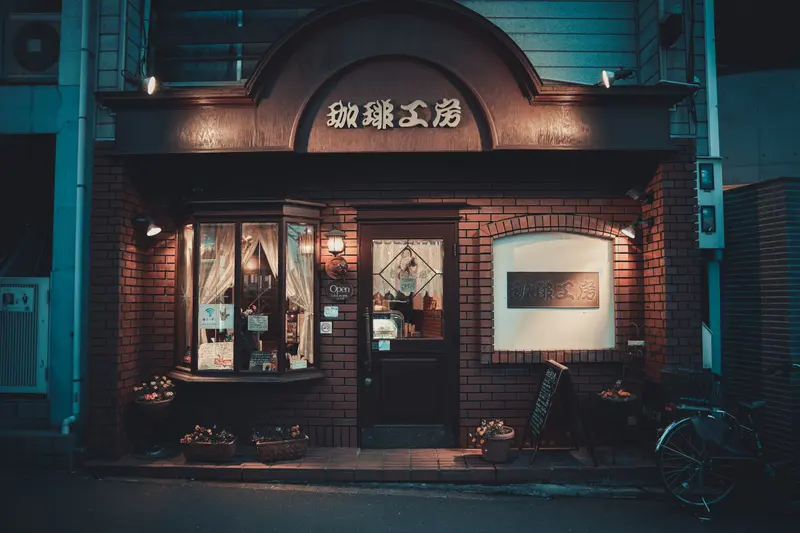
A few blocks away, Iolite Coffee Roasters keeps a short list: four single origins, two seasonal blends and one house blend, roasted by the owner, who is also the barista. It sells beans wholesale too, starting from small amounts.2 The café opens Monday to Saturday, 07:30–16:00.
Goodman Roaster, on Yadachō in Shimogyō, came to Kyoto by way of Taiwan. Its owner, Itō Atsuomi, a Tokyo native, began in 2013 selling beans from Taiwan's Alishan and opened four cafés in Taiwan and one in Hong Kong before buying a 5 kg Diedrich roaster and opening in Kyoto in 2020.3 Sprudge's writer drank an Alishan hand drip there with oolong notes.3 The café has outdoor tables and is smoke-free.
Dunstan Coffee Roasters, on Higashinotōin-Takatsuji, roasts every bean to the same medium-dark level, and the beans are washed in water before roasting, which the company says keeps the coffee smooth after it cools.4
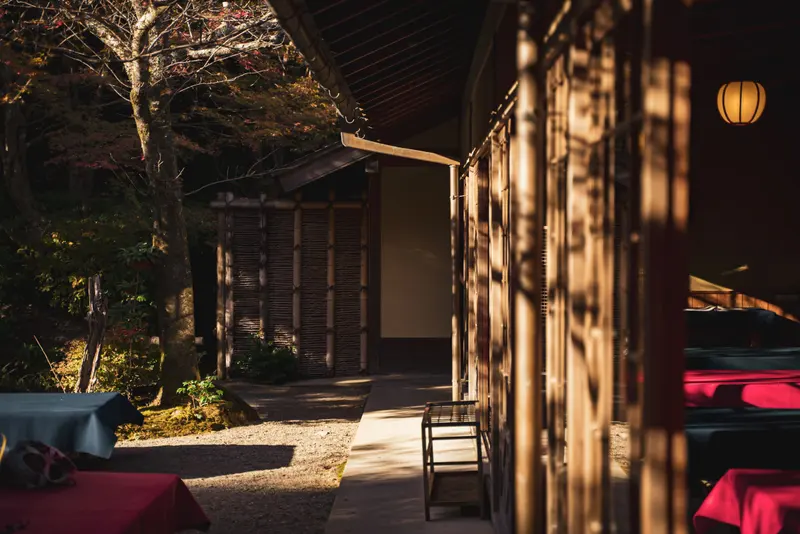
Fuku Coffee Roastery in Higashiyama works out of a townhouse built in the mid-Meiji period, a type known as an ajiki roji omoya, the main house of a narrow alley lane. The owner grew up there with a grandmother; fuku (福) means good fortune, and the shop takes the name from the owner's cat.5
Walden Woods, on Hanayachō-dōri west of the station, roasts its single origins on a Probat machine from the 1960s and borrows its name from Thoreau's cabin in the woods.6 Nishinaya Coffee goes back further: the company started in Hiroshima in 1933 and opened its Senbon-Marutamachi roastery in February 2017. It stocks about 70 kinds of bean and roasts them to any of eight levels, from light to Italian, about 7–8 minutes a batch.7
North of Kitaōji-dōri, Amano Coffee Roasters in Shichiku has roasted since 1983 and buys through direct ties with farms.8 Kitaōji Roastery Lab, a short walk away, calls its green beans gemstones and roasts custom blends for cafés and shops.9 In Nishijin, noki noki is run by KINO, an architecture firm based in the weaving district, from a counter under the eaves on Jōfukuji-dōri.10
Weekenders Coffee shows how fast a café can become a roaster. It opened in Sakyō in 2005 as a café, switched to house roasting in 2011, opened its Tominokoji stand in 2016 and moved its roastery to Ishifudōnochō, south of Shijō, in 2019.11 A Shinmachi shop followed on 30 September 2026.12
Bean prices run wide. At Nishinaya most beans cost ¥950–1,500 per 100 g, a house blend ¥1,000, and lots of Panama's Esmeralda Geisha ¥8,000–25,000.7 Kitaōji Roastery Lab listed a Brazil natural from ¥1,080 and co-fermented Colombian lots from ¥2,376 in late 2026.9
In the cup, noki noki charged ¥500 for a blend drip, ¥600 for an Ethiopian single origin, ¥350 for an espresso and ¥700 for an espresso tonic as of 2026.10
By area: Kawaramachi & Teramachi Karasuma Gion & Higashiyama Kyoto Station & Shichijō Fushimi Demachiyanagi & Kyoto University Kitaōji & Kitayama Imperial Palace Nijō Nishijin & Kitano Ukyō Arashiyama & Saga
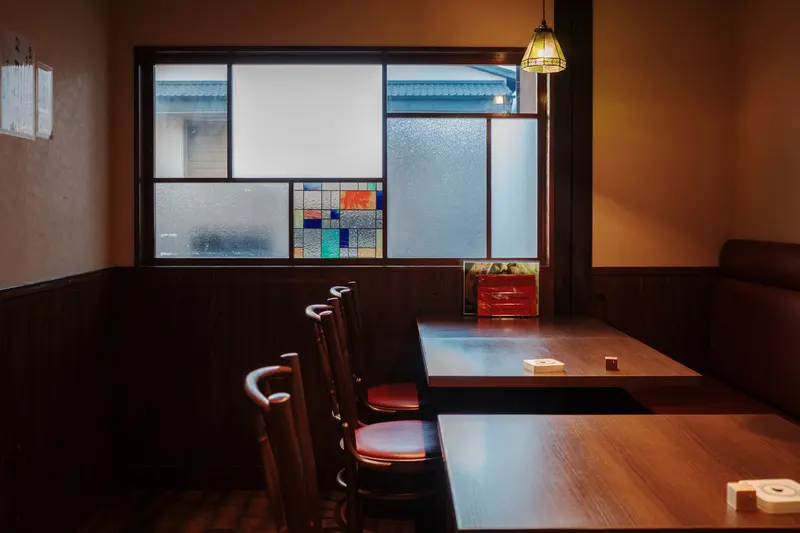
Okaffe Kyoto, which Okada Akihiro opened at Shijō-Karasuma in November 2016 after leaving Ogawa Coffee. He won the Japan Barista Championship 2008–2009. His Okaffe Roasting Park, in Kameyachō, fills a corner of a former lumber store and was funded by more than ¥5.5 million in crowdfunding.
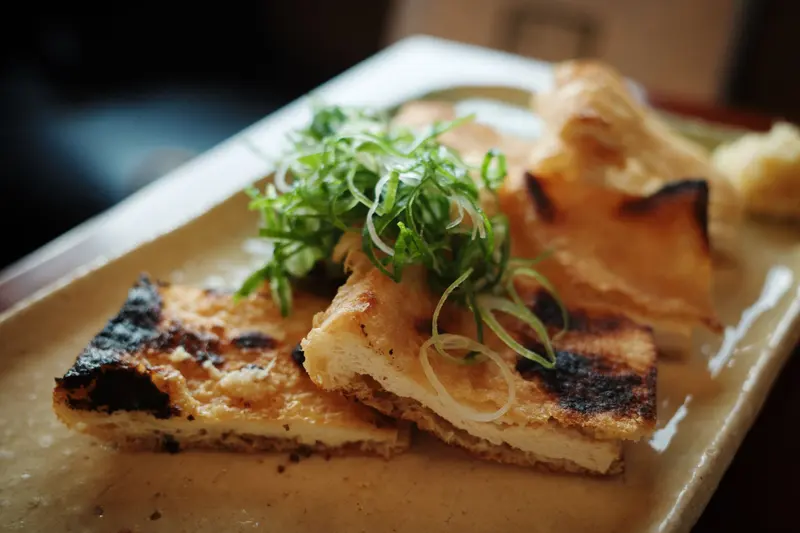
At Nishinaya Coffee's Senbon-Marutamachi roastery most beans cost ¥950–1,500 per 100 g, with Panama Esmeralda Geisha at ¥8,000–25,000. Kitaōji Roastery Lab listed beans from ¥1,080 in late 2026. A blend drip at noki noki in Nishijin cost ¥500 as of 2026.
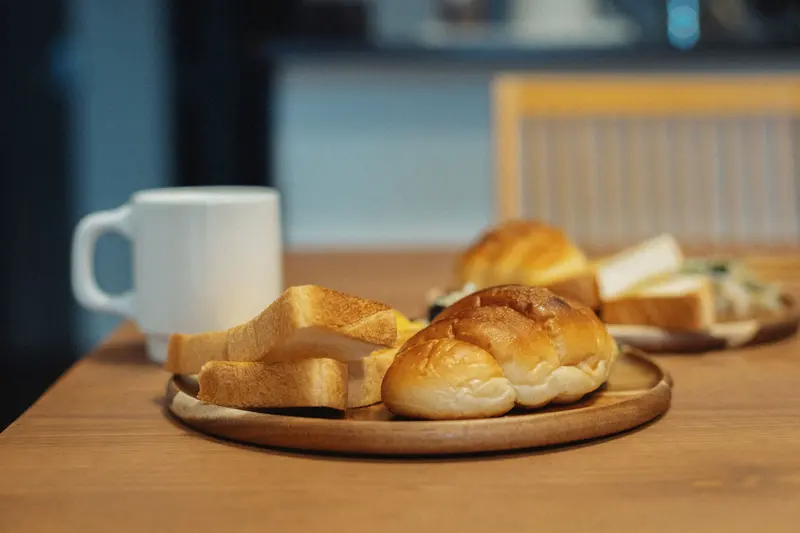
Fuku Coffee Roastery in Higashiyama uses a mid-Meiji townhouse at the head of an alley lane, Okaffe Roasting Park a corner of an old lumber store, and Walden Woods west of Kyoto Station roasts on a 1960s Probat.
Free listings are free for good. A featured page gives you photos, a menu and your own URL, in your café's own design, for less than a coffee a day.