Shinsaibashi, Amerikamura & Horie
Melbourne Coffee
- Indoor seating
- Card payment
- Vegetarian options
Plant milk in Honmachi, macrobiotic lunch by Utsubo Park, rescue cats and vegan plates in Tanimachi.
Photo: Guohua Song, Pexels License
Vegan in an Osaka café usually means a few plant-based plates on a mixed menu. Japan's national tourism board warns that vegetarian, an imported word, is understood loosely, and that bonito flakes or fish stock can hide in dishes that look meat-free.1 Most cafés with vegan options sit in the office streets around Honmachi and Minamisenba, with a second group on the Uehonmachi side, between Hōenzaka and Tanimachi.
The older plant-based tradition is temple food. Shōjin ryōri (精進料理, Buddhist temple cooking) is tied to Zen monks, and Emperor Tenmu banned killing and eating meat in 675, a rule that lasted about a century and was largely ignored.1 The same guide says the cooking is traditionally vegan and leaves out garlic and onion, though modern monks occasionally use dairy.1
Local tip: For a vegan breakfast before the shops open, Asakara Good Store on Hōenzaka starts serving at 07:00 on Saturdays and Sundays; it closes on Tuesdays and on some other days.6
Where these cafés are: Shinsaibashi, Amerikamura & Horie (4), Karahori & Uehonmachi (2), Utsubo & Kyōmachibori (1), Umeda & Kita (1).
Asakara Good Store
Cosme Kitchen Adaptation
CAT & VEGAN neu。
Nothing matches those filters here. See all cafés in Osaka.
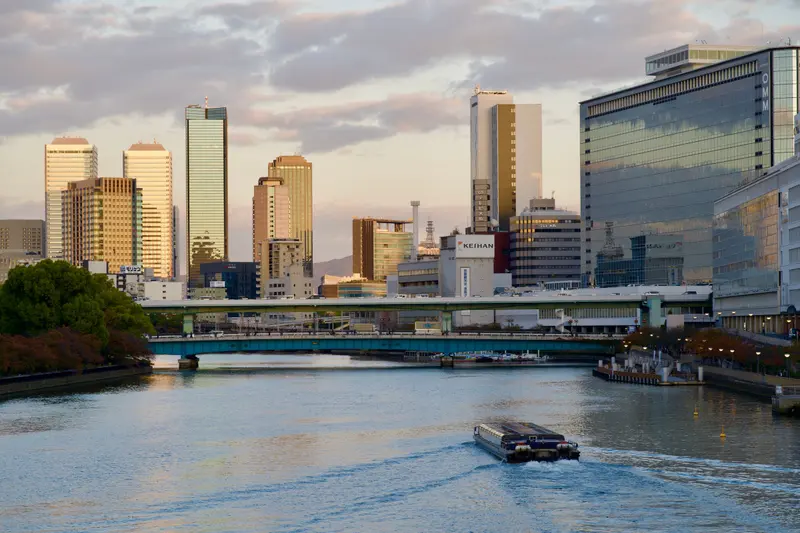
Melbourne Coffee, on the ground floor of a building on Minamisenba 3-chōme, pours coffee roasted in Melbourne and lists soy, almond and oat milk beside the flat white, long black and magic.2 Its smashed avocado on the breakfast menu carries a (V), and the lamington and banana bread are marked gluten-free.2 It opens daily from 09:00 to 14:00, so the plant-milk flat white is a morning plan.
Cafe Tales, on Kyūtarōmachi 2-chōme, imports Colombian specialty coffee directly and sells beans by farm, among them a Geisha from the Santa Bárbara estate.3 It gives the walk as four minutes from Hommachi and Sakaisuji-Hommachi stations on the Osaka Metro.3 For an earlier cup, Cafe Morning Box in the same district opens daily at 08:00. GENMAI Cafe, whose name is the Japanese word for brown rice (玄米, genmai), is on Minamikyūhōjimachi 3-chōme.
Prana is a macrobiotic cooking school with an organic café attached, and it places itself near Utsubo Park, Higobashi, Edobori and Honmachi.4 Its lessons work with brown rice and with vegetables and grains grown without pesticides, and they promise desserts made without sugar, eggs or butter.4 The café lists terrace seats, dogs, vegan and vegetarian dishes, allergy care and takeout among what it offers.4
The kitchen is particular about its equipment: every pot and pan is Silargan from the German maker Silit, and the plates come from Fukagawa Seiji in Arita, a kiln that won a gold medal at the Paris Exposition of 1900.4 Utsubo Park, a 700-meter strip with a rose garden and a tennis center, is closest to Higobashi Station on the Yotsubashi Line.5
アサカラグッドストア (Asakara Good Store) on Hōenzaka calls its menu a versatile American diner: burgers, sandwiches, salads and smoothie bowls beside vegetarian and vegan dishes, seasoned with traditional Japanese condiments that suit plant-based cooking.6 Vegetables come daily from farmers in Osaka, the beans from its sister roastery, Doors Coffee Roastery, and the tea from Uf-fu in Ashiya.6 It opens at 07:00 on weekends and at 08:00 on Monday and from Wednesday to Friday.
Further south, 保護ねこカフェneu。 (CAT & VEGAN neu。) pairs vegan food with a room of rescue cats in a back lane of Tanimachi 6-chōme.7 The cat room costs ¥1,800 an hour plus ¥300 for each extra 15 minutes as of 2026, and it takes no reservations.8 Anyone who has visited another cat café beforehand or touched stray cats outside is turned away at the door.8
The tourism board's advice is to be specific: ask for no meat, no seafood and no animal products, dashi and other stocks included, and spell out that no meat also covers chicken, pork and fish.1 Some restaurants display stickers from the Japan Vegan Society, VegeProject Japan or the Japan Vegetarian Association.1
Not every stock is a problem. Konbu dashi is made by heating dried kombu (kelp) in cold water to just below the boil, and it was kombu broth that led the chemist Kikunae Ikeda to identify umami in 1908.9 Between cafés, convenience-store onigiri (rice balls) often come with umeboshi (pickled plum) or kombu fillings, but the sauce packed with natto is often made with fish dashi.1
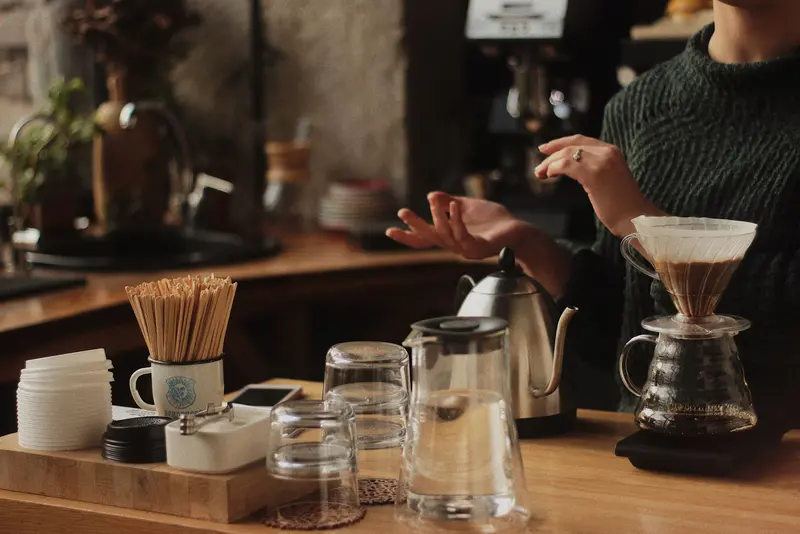
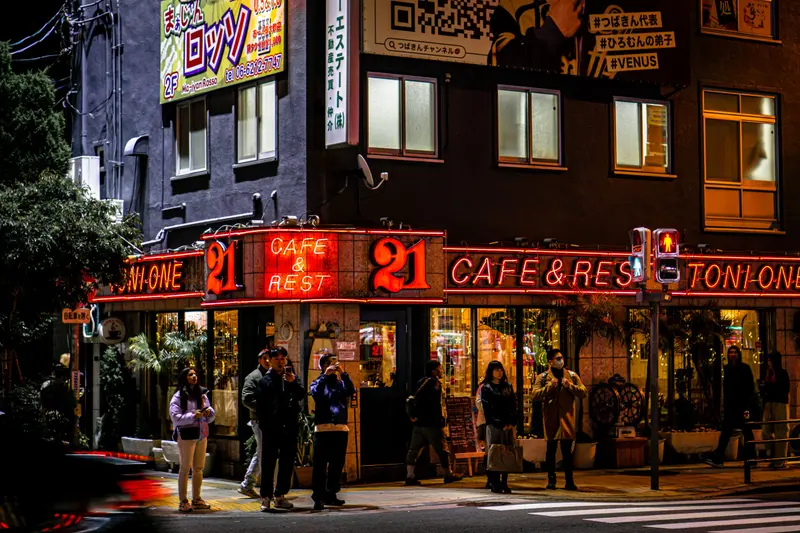

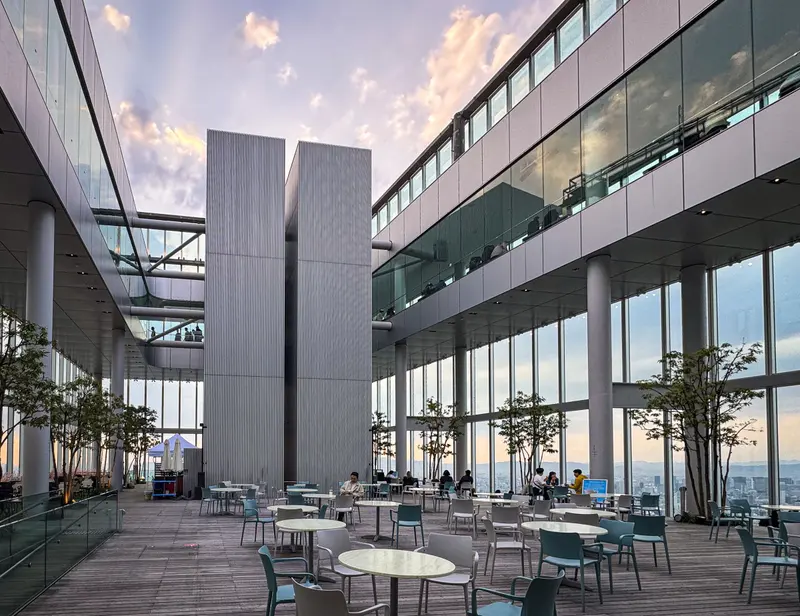
By area: Utsubo & Kyōmachibori Shinsaibashi, Amerikamura & Horie Umeda & Kita Karahori & Uehonmachi
Most are in the office streets around Honmachi and Minamisenba, among them Melbourne Coffee and Cafe Tales. Prana, a macrobiotic cooking school with an organic café, is near Utsubo Park, while Asakara Good Store on Hōenzaka and CAT & VEGAN neu。 in Tanimachi 6-chōme cover the Uehonmachi side.
Be specific: ask for no meat, no seafood and no animal products, including dashi and other stocks, and make clear that no meat also covers chicken, pork and fish. Vegetarian is understood loosely in Japan, and bonito flakes or fish stock can hide in dishes that look meat-free.
CAT & VEGAN neu。 in a back lane of Tanimachi 6-chōme serves vegan food beside a room of rescue cats. The cat room costs ¥1,800 an hour plus ¥300 for each extra 15 minutes as of 2026, and it takes no reservations.
Free listings are free for good. A featured page gives you photos, a menu and your own URL, in your café's own design, for less than a coffee a day.