Sapporo · Higashi-Naebo
Cafés in Higashi-Naebo
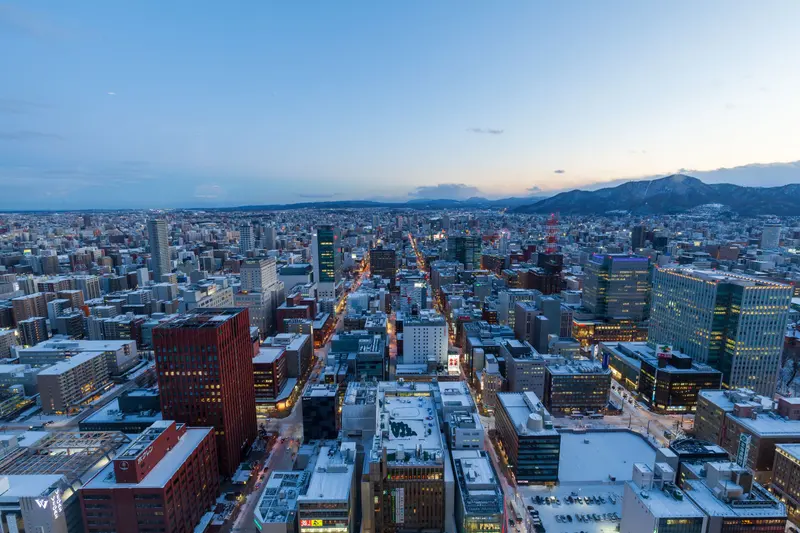
Small cafés in the house-lined blocks of Fushiko, east of the Fushiko River, on farmland that once led Hokkaido in onions.
Photo: jason hu, Pexels License
Higashi-Naebo (東苗穂) is in the northeast of Higashi-ku. Its name comes from the Ainu nai-po, "small river": the district held the source of the Fushiko River, a former channel of the Toyohira, along with many small streams and springs.1 Settlers came from Kashiwazaki prefecture in 1870, and the following year their village was renamed Naebo.1
The cafés are actually just west of Higashi-Naebo proper, in Fushiko (伏古), which was part of Higashi-Naebo-chō until it became a district of its own in 1975 and 1976.2 Fushiko lies on the east bank of the Fushiko River and had 18,517 residents in January 2017, when Higashi-Naebo had 30,335.21
Local tip: If a menu in Higashi-ku offers Sapporo-ki, order it cooked: the onion is thick and soft, its bite disappears with heat, and the city recommends it for stews such as soup curry, pot-au-feu and nikujaga (肉じゃが, meat and potatoes).3
At a glance
5Cafés listed
0With opening hours
–Earliest opening
–Latest closing
カフェ あかり
Cafe Akari
たまねぎ倉庫
来留美
ビッグフォレスト
Bigguforesuto
Nothing matches those filters here. See all cafés in Sapporo.
Coffee chains in Higashi-Naebo
Chain
Starbucks
- スターバックス, 東苗穂2条 1-1Daily 09:00–22:00
Chain
Doutor Coffee Shop
Chain
Kahisakan
Chain
Miyataya Coffee
- 宮田屋, 東苗穂5条 11-18Daily 10:00–00:00
From pasture to housing
In 1902 the villages of Naebo, Sapporo, Okadama and Kariki merged into a larger Sapporo village.1 It stayed a farming village on the city's edge until 1955, when it joined Sapporo together with Kotoni and Shinoro; land readjustment followed as the population climbed.4 Higashi-Naebo was mostly fields and pasture, much of it ranchland, until house building took off around 1975, and jō-and-chōme numbering began in 1982, starting with 8-jō.1
Fushiko filled in the same way, and by the early 2000s its farmland had all turned into housing.2 The cafés follow that grid: Cafe Akari is at Fushiko 6-jō 4-chōme, 来留美 at 8-jō 5-chōme and Angemignon at 11-jō 1-chōme. Fushiko Elementary and Sapporo Junior High both stand on 8-jō.2
The onion growers of Sapporo village
Japan's onion growing began in 1871 with imported seed tried at Sapporo Kan'en (札幌官園), a government farm. William P. Brooks of the Sapporo Agricultural College coached farmers nearby, and in 1880 Nakamura Isokichi of Sapporo village brought in a crop from about 1 ha.3 He shipped it to Tokyo, where nobody knew the vegetable, and is said to have dumped the lot and gone home; another village farmer, Takei Sōzō, later made it pay by selling through merchants.3
Fertile soil and strong, drying winds suited the crop.3 Fushiko in particular was once the biggest onion-growing area in Hokkaido,2 and a café at Fushiko 9-jō 3-chōme carries the name たまねぎ倉庫, "onion warehouse".
Sapporo-ki, the phantom onion
The local variety descends from Yellow Globe Danvers, which Brooks is said to have brought from his home state of Massachusetts; before the Second World War, enough was grown to export to Russia and the Philippines.3 From about 1975 farmers switched to disease-resistant F1 hybrids, and Sapporo-ki now fills about 3% of the city's roughly 300 ha of onions.3
It is prone to disease, grows in uneven shapes and keeps poorly, so little of it reaches the shops, and Sapporo calls it the maboroshi (幻, phantom) onion.3 In July 2013 JA Sapporo, local businesses, consumers and the city set up a council to build it into a brand, and the onion and its products are now Sapporo hometown-tax gifts.5
Getting to Higashi-Naebo
No railway crosses Higashi-Naebo. You take a bus to a subway station or to JR Naebo station, and Hokkaido Chūō Bus runs the local routes from its Sapporo East depot inside the district.1 The Tōhō subway line opened through Higashi-ku in 1988.4
The district did once carry subway trains. In the 1960s Sapporo tested cars for the Namboku Line on a test track at Higashi-Naebo 7-jō 2-chōme.1
Sources
- 東苗穂, Wikipedia (Japanese), accessed November 2026
- 伏古, Wikipedia (Japanese), accessed November 2026
- 札幌黄とは, City of Sapporo, Higashi Ward, accessed November 2026
- 東区の歴史, City of Sapporo, Higashi Ward, accessed November 2026
- 東区特産のたまねぎ札幌黄, City of Sapporo, Higashi Ward, accessed November 2026
Keep exploring
More of Sapporo
Susukino
39 cafés
Odori & Tanukikoji
96 cafés
Sōsei East & Nijō Market
54 cafésSapporo Station
29 cafésHokkaido University & Kita 18
46 cafésHigashi-ku
20 cafés
Odori West
47 cafés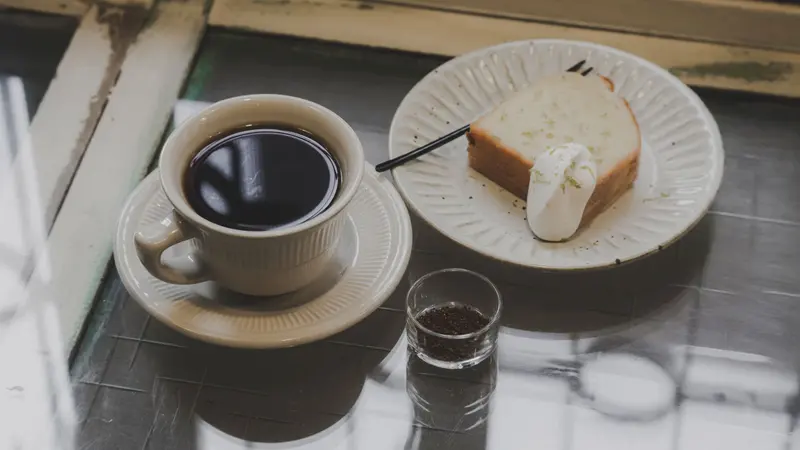
Maruyama
90 cafésNakajima Park
20 cafésYamahana & Fushimi
34 cafésKotoni & Nijūyonken
20 cafésMiyanomori & Yamanote
6 cafésHiragishi & Nakanoshima
9 cafésMisono & Tsukisamu
24 cafésKikusui & Higashi-Sapporo
12 cafésKita 24-jō
29 cafés
FAQ
Higashi-Naebo cafés: questions
Where are the cafés in Higashi-Naebo, Sapporo?
Most are in Fushiko, the district just west of Higashi-Naebo proper, spread across Fushiko 6-jō to 11-jō. Fushiko was part of Higashi-Naebo-chō until 1975 and 1976.
How do you reach the cafés in Higashi-Naebo, Sapporo, by public transport?
No railway runs through Higashi-Naebo, so take a bus from a subway station or from JR Naebo station. Hokkaido Chūō Bus runs the local routes from its Sapporo East depot in the district.
Why is the Sapporo-ki onion from Higashi-ku, Sapporo, called the phantom onion?
It is prone to disease, grows in uneven shapes and keeps poorly, so little reaches the shops. Since F1 hybrids took over from about 1975, it fills only about 3% of Sapporo's onion fields.
For café owners
Own a café in Higashi-Naebo?
Free listings are free for good. A featured page gives you photos, a menu and your own URL, in your café's own design, for less than a coffee a day.