40 Love Padel & Café
- Wi-Fi
- Bakery café
A padel-club café open from 07:00, coffee named for saffron and embers, and a Circassian village grid from the 1880s.
Photo: AXP Photography, Pexels License
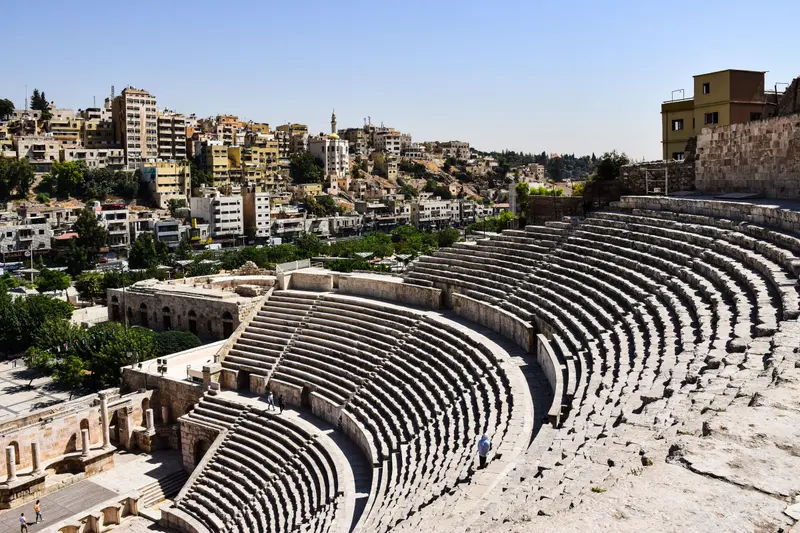
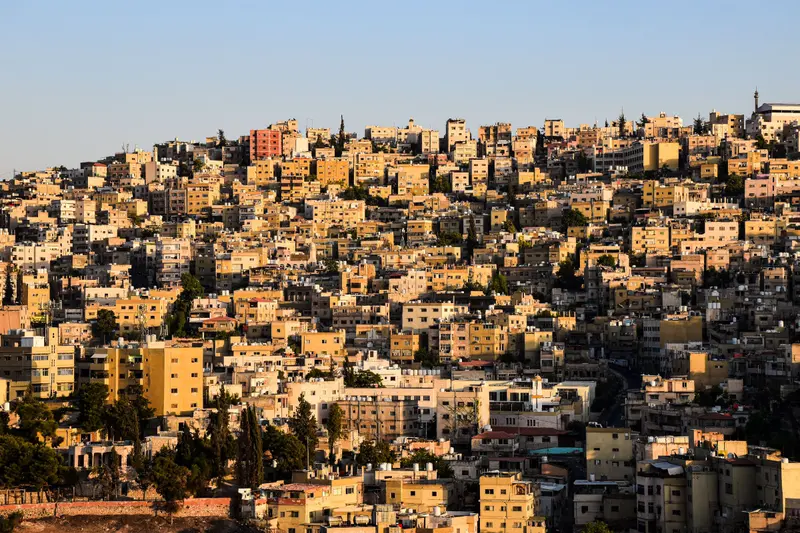
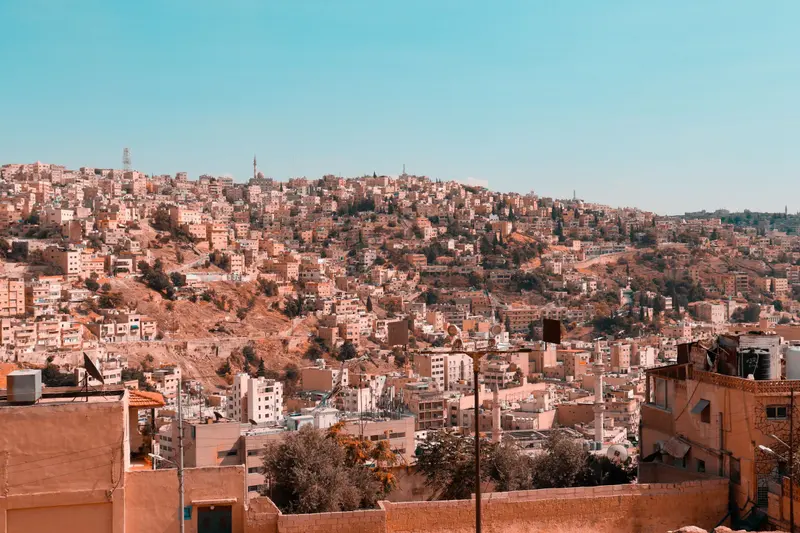
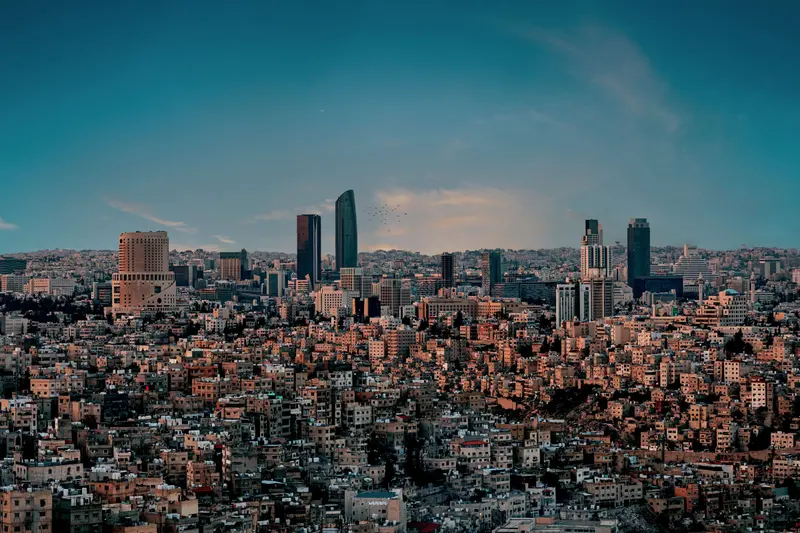
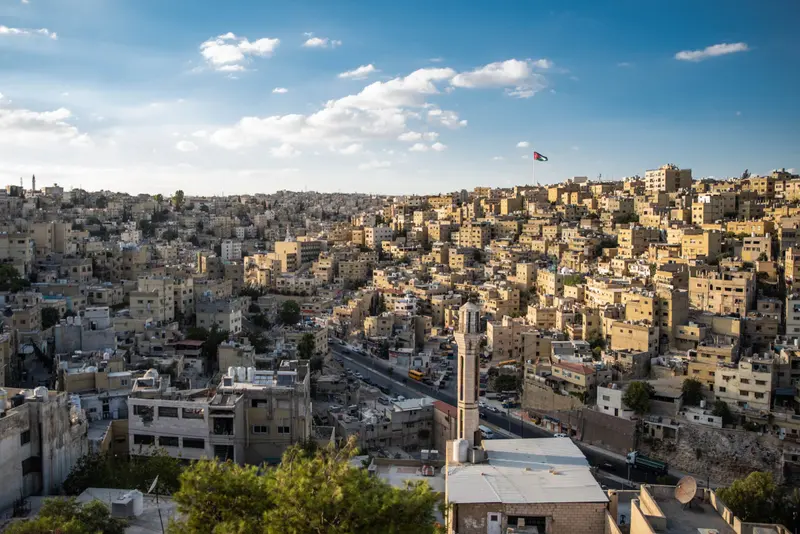
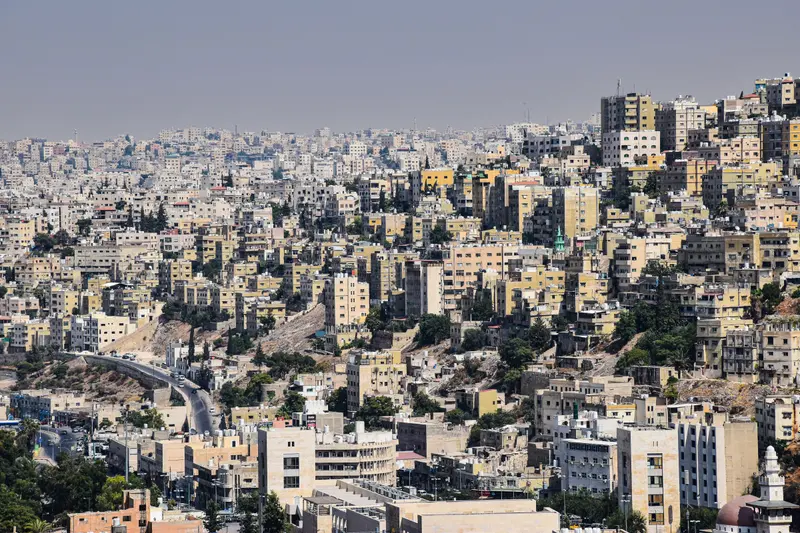
Wadi al-Seer (وادي السير), "valley of the orchards", runs west from Amman toward the Jordan Rift and gives its name to one of the 22 districts of Greater Amman.1 The district has ten neighborhoods, Sweifieh, Al-Rawabi and Al-Kursi among them; Bayader, whose full name means roughly "threshing floor of the valley of the orchards", is the old core on the western edge, looking out over the hills the city is built on.1
The district splits into two landscapes: a green, flat plain called Al-Bayader and the valley below it, wooded with oak and fed by springs.2 The coffee is up on the plain. Jana's Coffee House is in Building 19, beside Zayan Restaurant and across from Biolab, and كفتريا أبو جعفر (Abu Jaafar cafeteria, a kafteria being a simple snack-and-coffee counter) is at No. 56 on Jamal Qaitouqah Street.
Local tip: Breakfast at 40 Love from 07:00 sets up a day on Jordan Trail section 302, which leaves Iraq al-Amir for Husban: 20.7 km, rated difficult, five to six hours on foot.5
Nothing matches those filters here. See all cafés in Amman.
Circassians forced out of the North Caucasus by the Russian Empire's wars began settling in Amman in 1878.2 A second group moved to Wadi al-Seer in 1880: only 25 families, arriving at what was then a watering place for Bedouin herds.2 More followed in waves of 36, 53 and 42 families, then 10 Tatar families, and by 1933 the Circassian population had reached 2,000.2
The Ottoman government allotted the land so the settlers would farm it and hold the frontier, and Sultan Abdul Hamid granted the western lands free of tax.2 Elders interviewed by architects from Al-Balqa Applied University and the University of Jordan recalled each family receiving four dunums; the newcomers planted orchards and vineyards, kept pastures for their animals and built many mills.2
The village was laid out on a grid, with a mosque at its center, one commercial street and residential streets crossing it at right angles.2 By 1893 nearly every house stood in a yard walled with stone.2 Builders swapped the steep cane roofs of the Caucasus for flat ones, worked first in sun-dried mud brick and later in stone, and painted some roofs red or green.2
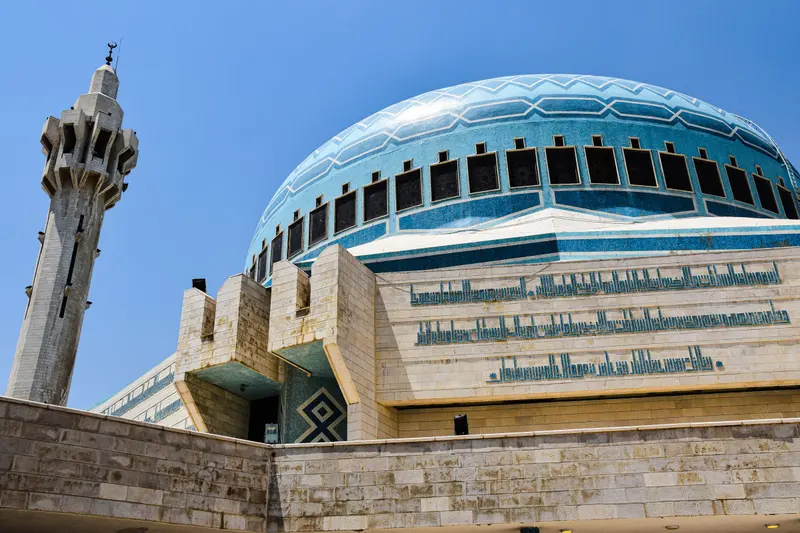
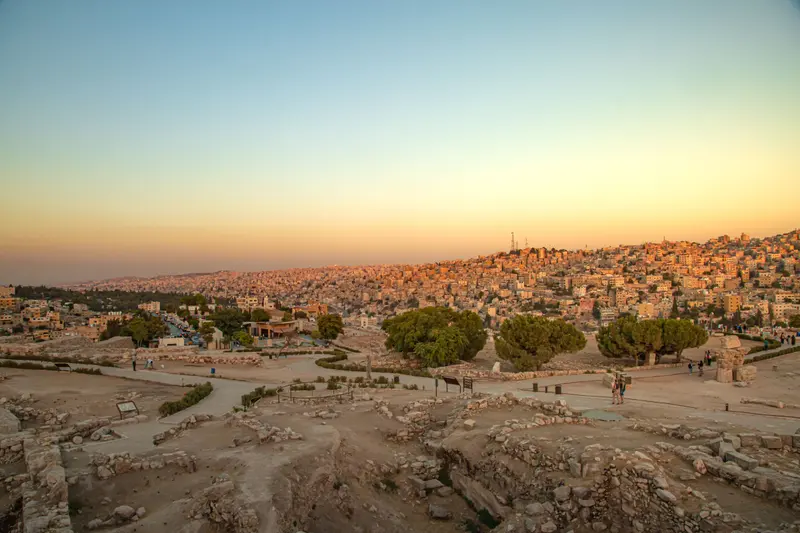
Ottoman-era buildings and early-20th-century mosques still stand in Bayader, along with an old courthouse and an old fort, and the oldest lanes climb steep slopes on the western side.1 The village was a landmark in three British attacks in 1918, during the Sinai and Palestine campaign, when British maps called it Ain es Sir.1
The café names read like a spice shelf. Za3fran o hel spells out za'faran w hel, "saffron and cardamom", in the Latin letters and numerals of Arabic texting; Bun Wa Hal (بن و هال) pairs coffee beans with cardamom; and أهوة جمرتين means "two-ember coffee", using ahwe, the local pronunciation of qahwa. Kooz Cafe rounds out the set.
The early start belongs to 40 Love, a café inside a tennis sports club that now calls itself 40 Love Padel & Café on its Instagram profile.6 It opens daily from 07:00 to 15:00, serves baked goods and has Wi-Fi for guests, which makes it the place for breakfast before a match.
The road west follows the valley down to Iraq al-Amir (عراق الأمير, "caves of the prince"), a town of about 6,000 people, mostly of the Abbadi tribe, in country known for its springs and olive trees.3 People lived in its hillside caves in the Copper Age, about 5,000 years ago.4
About 500 m south of the town stands Qasr al-Abd, a palace of white local limestone from the late 2nd century BCE that most scholars attribute to the Tobiads; it measures 18 by 37.5 m and rises about 14 m.3 The site charges no entry fee and stays open all day, and the village has a women's craft cooperative and homestays.4
In Bayader Wadi al-Seer, also browse: Wi-Fi
They are on the flat plain of Bayader rather than in the valley. Jana's Coffee House is in Building 19 beside Zayan Restaurant, across from Biolab, and Abu Jaafar cafeteria is at 56 Jamal Qaitouqah Street. 40 Love is a café inside a tennis and padel club, open daily 07:00–15:00.
The first 25 Circassian families arrived in Wadi al-Seer in 1880, two years after Circassians began settling in Amman. Later waves and a group of Tatar families followed, and by 1933 the Circassian population had reached 2,000.
Iraq al-Amir has caves lived in during the Copper Age and Qasr al-Abd, a Hellenistic limestone palace from the late 2nd century BCE, usually attributed to the Tobiads. The site has no entry fee, and the village has a women's craft cooperative and homestays.
Free listings are free for good. A featured page gives you photos, a menu and your own URL, in your café's own design, for less than a coffee a day.