 By Yannick Schroth
Coffee cultures · 5 min read · October 2026
Coffee in Sweden, Finland, Norway and Denmark is mostly filter coffee, drunk often and at set points in the day. A 2023 ranking of per-capita consumption put Finland first at 12 kg a year, with Norway at 9.9 kg, Denmark at 8.7 kg and Sweden at 8.2 kg.27 Much of it is drunk at work: Norwegian coffee drinkers take 1.9 of their 4.3 daily cups at work or school.14
Each country has its own words for the break and the brew, from fika in Sweden to kahvitauko in Finland and kokekaffe in Norway. Norway and Denmark also won six of the first seven World Barista Championships, from 2000 to 2006,15 and their roasters pushed specialty coffee toward lighter roasts.17
Fika and the kanelbulle
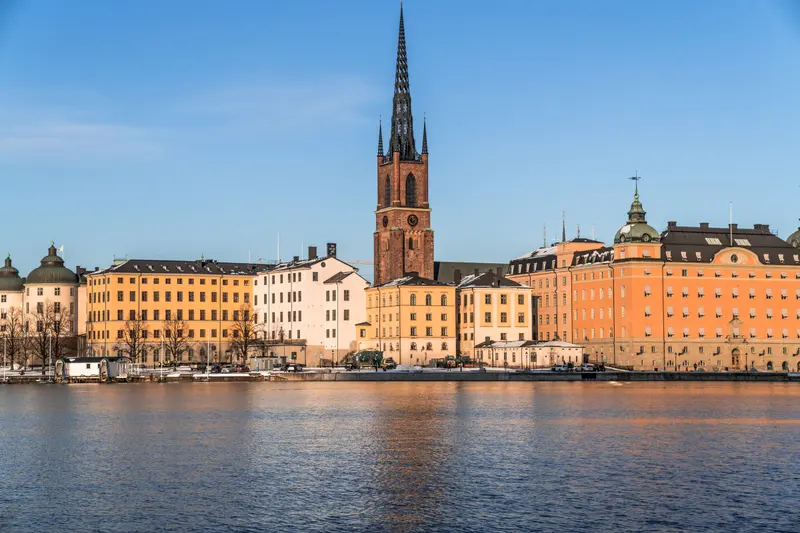
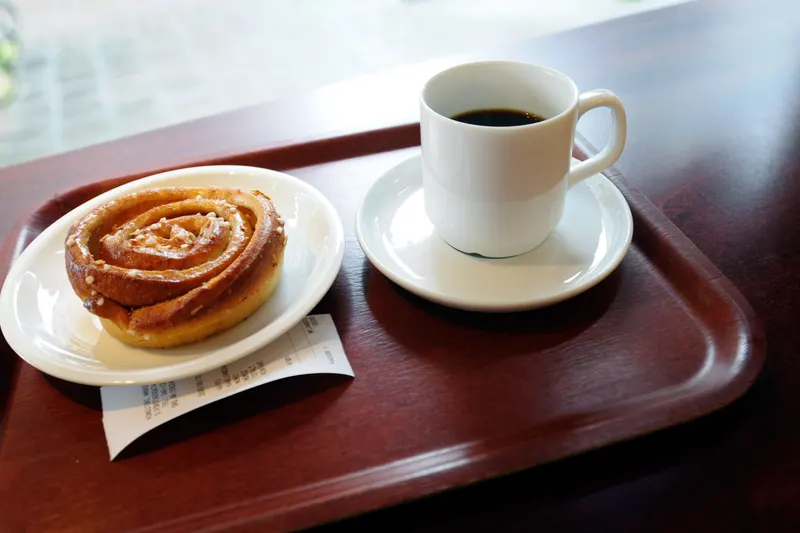
Fika, the Swedish coffee break, works as a verb and a noun: you can fika, or take a fika.2 The word is thought to swap the syllables of kaffi (coffee), and at first it meant the coffee itself; later it came to mean meeting up and eating something small with it.2 Traditionally it falls mid-morning and mid-afternoon.1
Many workplaces keep a morning and an afternoon fika in a shared room, and the regulated breaks of factory work helped the custom spread.2 Swedish employers generally provide the coffee and tea free, and some employment contracts write the breaks in.1 Since the 1980s, cafés have become the usual place to meet for one.2
The standard bun is the kanelbulle, a cinnamon bun whose dough usually carries cardamom.4 It shares the counter with the mazarin, a small almond tart with white icing, the green marzipan prinsesstårta (princess cake) and the dammsugare, a marzipan-wrapped roll dipped in chocolate at both ends.26 Since 1999, 4 October has been Kanelbullens dag, Cinnamon Bun Day.3 In 2025, a kanelbulle in Stockholm cost 44 kr on average.5
Bryggkaffe and påtår in Sweden
Swedes drink mostly brewed coffee and tend to prefer medium to dark roasts; in the north, kokkaffe (boiled coffee) is still common.1 Three brands, Gevalia, Zoégas and Löfbergs, hold roughly three quarters of the market between them.1
Påtår means a refill and is used almost only for coffee: you ask for en påtår when you want a second cup of filter coffee. Menus often list it at a set price, and some cafés refill cheaply or for free.6 If the pot stands within customers' reach, helping yourself is usually accepted. To check first, ask "Ingår påtår?" ("Is a refill included?"). A third cup is a tretår.6
Finland: kahvitauko and light roasts
Finns drink about four cups a day.7 At work, the kahvitauko (coffee break) is often guaranteed by collective agreements rather than by law.7 Coffee has been drunk in Finland since the 18th century,11 and in the 1940s, when real beans ran short, people brewed substitutes from barley and rye.7
The cup is traditionally pale. Paulig's Juhla Mokka, a light roast launched in 1929 under the name Juhlasekoitus, accounted for nearly every second cup drunk in Finland in 2019.10 Taste is shifting: dark roasts made up nearly 30% of the coffee Finns drank in 2022, and among young adults dark-roast filter coffee had become as common as light.9 In 2014, nearly one in every hundred of the world's coffee beans went to Finland.8
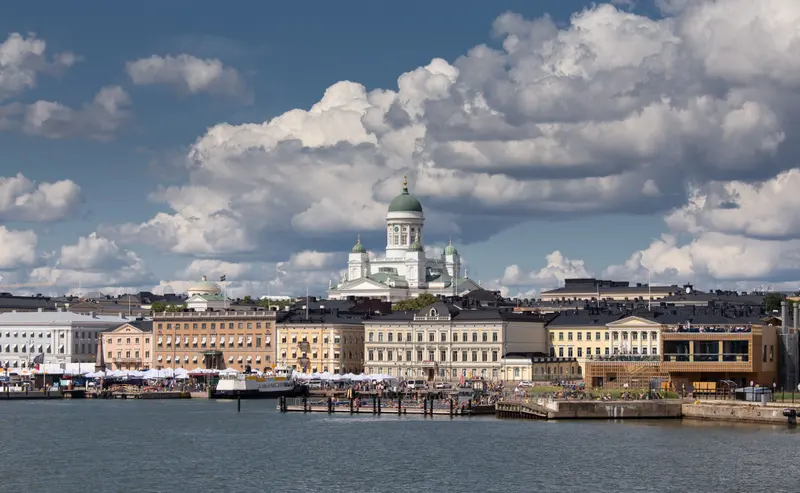
Coffee with a bun is pullakahvit, often with korvapuusti, the Finnish cinnamon roll.7 Its cardamom dough is usually topped with pearl sugar.4 Market squares have the torikahvila, a coffee tent with plain hot coffee and pastries, and summer brings the kesäkahvila, a seasonal pop-up café.7 Helsinki's oldest café, Ekberg, was founded in 1852.11
Norway: kokekaffe and light-roast bars
Kokekaffe, Norwegian boiled coffee, needs no filter. Bring water to the boil, take it off the heat, stir in coarse-ground coffee, let it steep for 6 to 8 minutes without boiling, then pour carefully so the grounds stay behind.12 The method dates from the time when households roasted, ground and boiled their own coffee.12
Norwegians still drink a lot, though the average has fallen below 10 kg per person a year.13 A 2026 survey found coffee drinkers averaging 4.3 cups a day, 2.0 of them at home; 60% usually drink coffee from a drip coffee maker.14
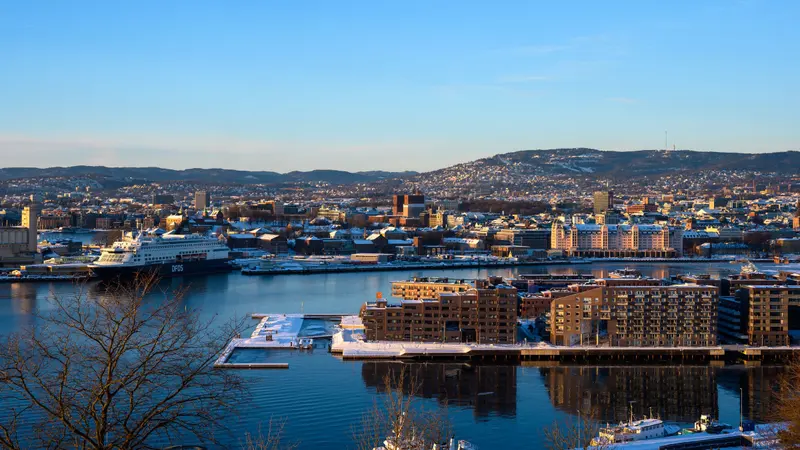
Oslo's specialty scene grew out of competition. Robert Thoresen won the first World Barista Championship in 2000, and Tim Wendelboe won in 2004.15 Wendelboe opened his espresso bar at Grünersgate 1 in Grünerløkka on 30 June 2007; it sells only coffee, with milk and sugar the only additions.16 He first roasted darker, then went lighter after an exporter's samples tasted better than his own. Solberg & Hansen had earlier bought Cup of Excellence lots and supplied many Oslo coffee shops.17
Denmark: filter, kanelsnegl and hygge
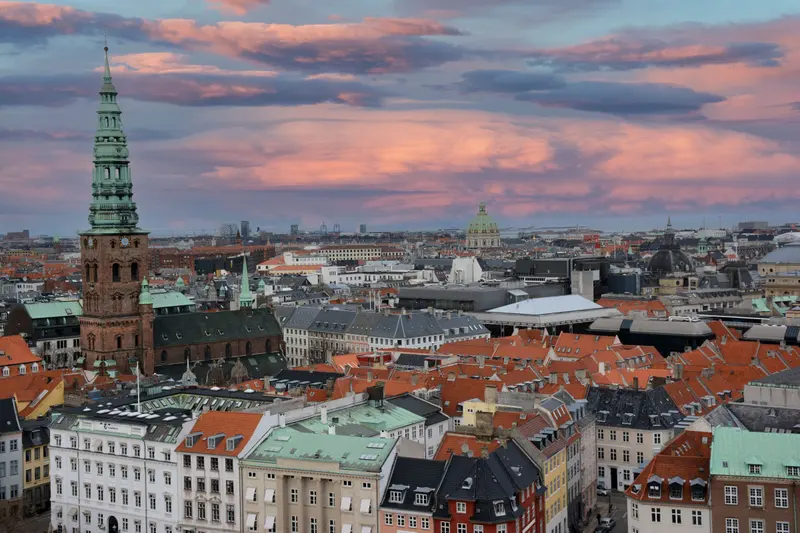
Danes drink 4.2 cups of coffee a day on average, and ground coffee is still the best seller in supermarkets.18 Danish baristas won the World Barista Championship four times between 2001 and 2006.15 One of them, Klaus Thomsen, set up Coffee Collective in Copenhagen in 2007 and describes its method as roasting as light as possible without underdeveloping the coffee.17
Thomsen ties that taste to buying habits: Scandinavian roasters bought more washed arabica than robusta for filter coffee, which built a public for clean-tasting cups, and Danish drinkers met aromatic, acidic Kenyan coffees earlier than most markets.17 The Danish cinnamon bun is the kanelsnegl.4 Hygge, which Collins defines as a Danish concept of creating cozy and convivial atmospheres, was the dictionary's runner-up word of the year in 2016.19
Paying and tipping
Cards and phones do most of the paying. Only 10% of Swedes paid cash at their latest in-store purchase,20 and many Stockholm restaurants, shops and hotels take no notes or coins.21 In Finland, a sign reading "Ei käteistä" means no cash, and contactless payment works almost everywhere.24
Two countries protect cash by law. In Denmark, a business that takes cards or mobile payments must generally accept cash from 06:00 to 22:00.22 In Norway, since 1 October 2024, a business selling regularly to consumers from its premises must offer cash payment for amounts up to 20,000 kr, with fines from 1 May 2025.23 Tips are optional: in Finland they are never expected,24 and Swedish café staff are more likely to be surprised by a tip than by none.25
Tip. At a Swedish café with a filter pot on the counter, ask "Ingår påtår?" when you pay: some cafés include the refill free, others list it at a set price.6