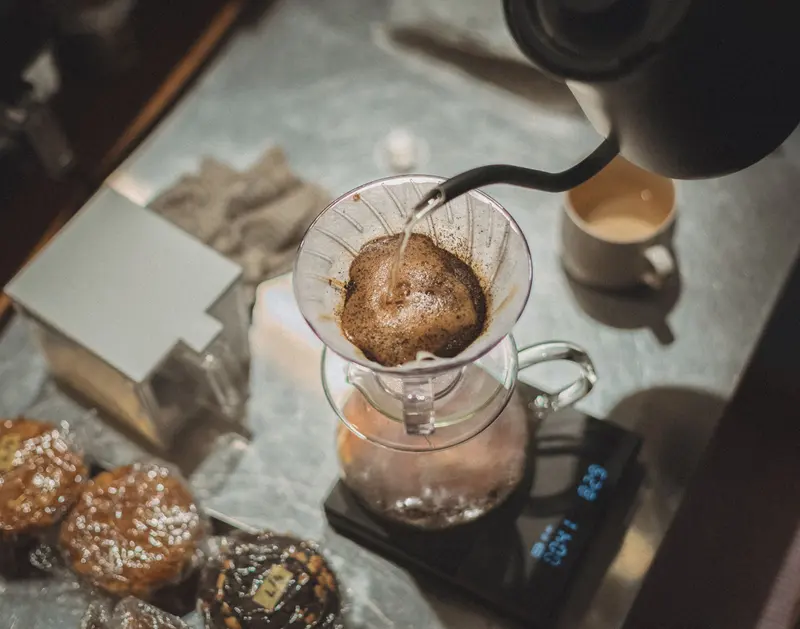
And KAKA
- Bakery café
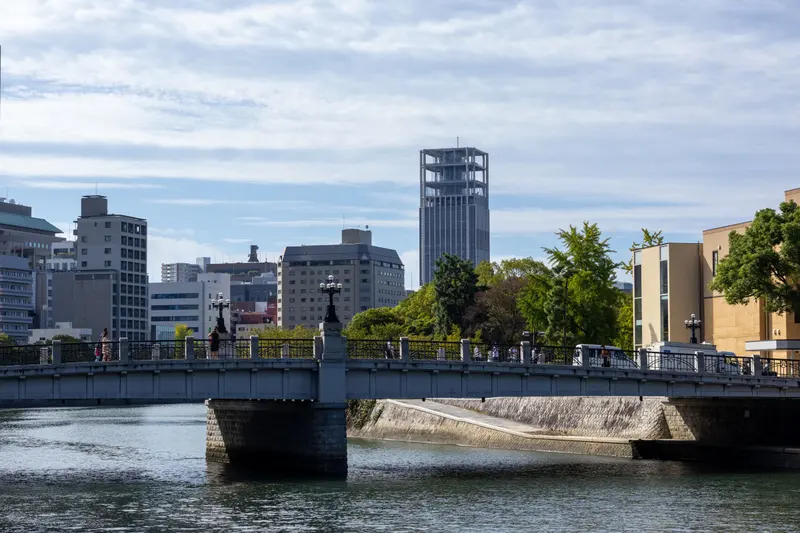
Morning sets in basement kissaten by Hatchōbori, roasters in the lanes of Fukuro-machi and terraces on the Kyōbashi and Motoyasu riverbanks.
Photo: Mauricio Ortiz, Pexels License
Hiroshima households get through more coffee than most of Japan. Over 2023–2025, households of two or more in the city bought 3,126 g of coffee a year, fourth among 52 major cities, and spent ¥9,549 on it, sixth; the national figures were 2,544 g and ¥8,389.1 Sprudge, writing in 2024, still found the city better known for oysters, okonomiyaki and momiji manjū than for coffee, and named young roasters such as Archive and Progress as the change.2
The kissaten (喫茶店, traditional coffee shop) trade is older. Asahi Coffee Salon (朝日珈琲サロン), in a basement on Horikawa-chō near Hatchōbori, dates from 1950.3 In 1952 a postwar canteen moved to the Takanobashi shopping street and reopened as Kissa Brazil; in 1955 it began selling coffee, toast and a fried egg together for ¥60, when a coffee alone cost ¥50. A 2015 Business Journal report set that against Aichi's claim to the morning set.4
Roasting followed. Matsu Coffee (松珈琲) has roasted its own beans in Hikari-machi, by the north exit of Hiroshima Station, since 1975, and Teranishi Coffee (てらにし珈琲), founded in 1978, roasts daily on a Probat and brews through flannel.56 The newer shops work in light roasts and single origins: Archive Coffee Roasters opened by the Honkawa in October 2022 with a Giesen roaster, five minutes on foot from Peace Memorial Park.7
Central Hiroshima is compact: Hondōri, Kamiya-chō and Hatchōbori run east from Peace Memorial Park. Since August 2025 trams leave Hiroshima Station from the second floor of the station building, about 70 seconds from the JR central gate, and reach Kamiya-chō and Hatchōbori about four minutes sooner than before.15
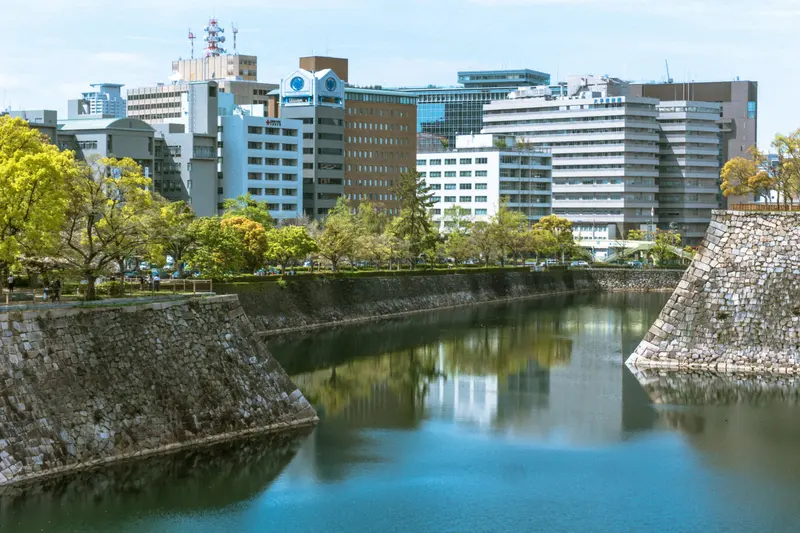
The covered Hondōri arcade, roaster cafés in Fukuro-machi and the Shareo mall under Kamiya-chō.
85 cafés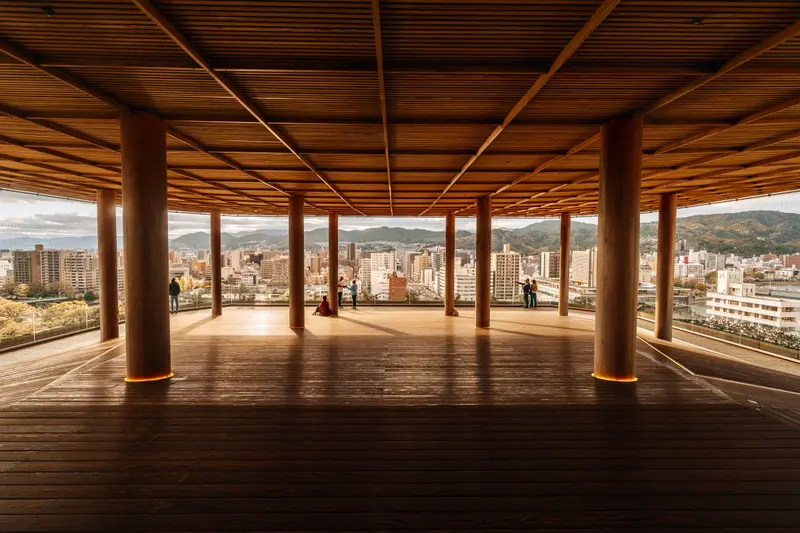
A 1950 basement kissaten, siphon coffee in Kanayama-chō and riverbank cafés on the Kyōbashi.
45 cafés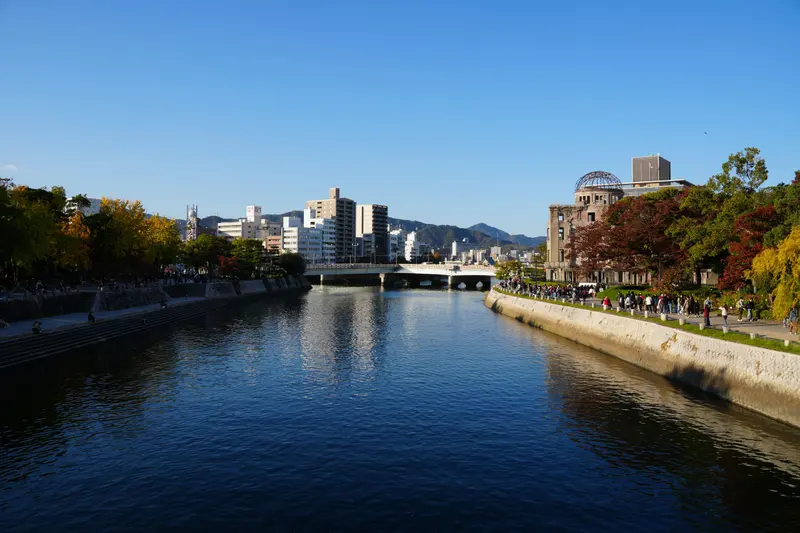
Peace Memorial Park and the streets west of it: a riverside roaster, Tōkaichi kissaten and a Dobashi book café.
29 cafés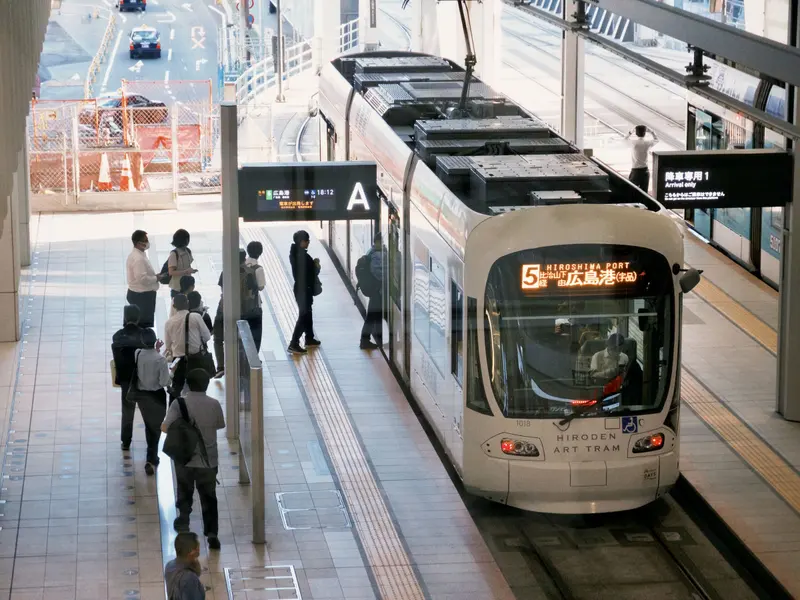
A new station building with trams on the second floor, a 1975 roaster in Hikari-machi and early breakfasts.
25 cafés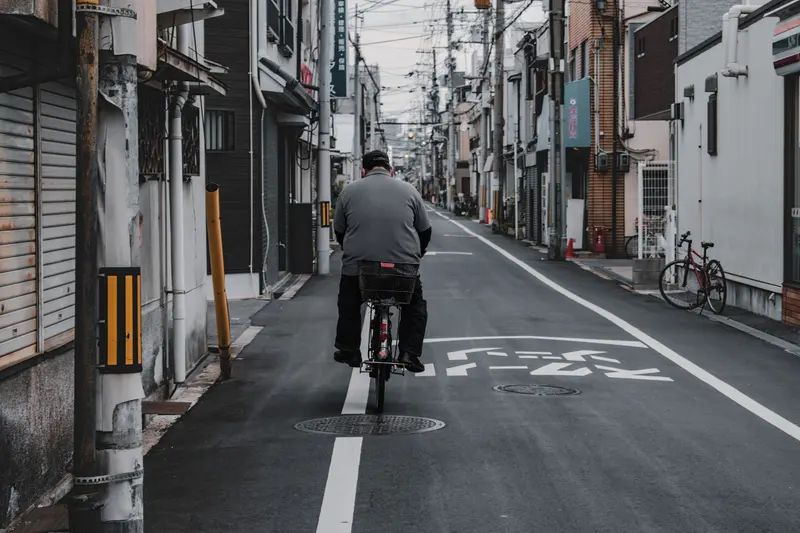
A rail junction with a 1903 bus replica, a roaster founded here in 1968 and kissaten along Yokogawa-chō.
21 cafés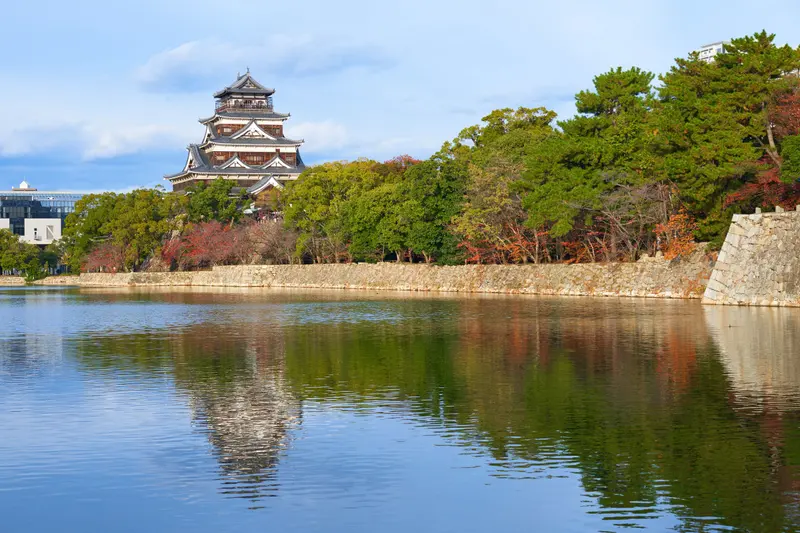
Hiroshima Castle and Shukkeien garden, with a tea house, a castle-grounds roastery and Hakushima's quiet streets.
21 cafésMore about cafés in Hondōri & Kamiya-chō
More about cafés in Hatchōbori & Nagarekawa
More about cafés in Peace Park & Tōkaichi
More about cafés in Hiroshima Station
More about cafés in Hakushima & Moto-machi
Showing up to 6 cafés per area. Each area page has the full list.
No café matches all of those filters. Try removing one, or tell us about a café we're missing.
Branches by area
Ask for burendo (ブレンド, the house blend) or plain kōhī (コーヒー). At a table-service kissaten a hot coffee averaged ¥494 in Hiroshima city in 2025: ¥490 from January to March, ¥495 from April. In Tokyo's 23 wards it was ¥613. Self-service chains run the other way: a small cup averaged ¥376 in Hiroshima against ¥295 in Tokyo, rising from ¥370 to ¥385 in August.8
Many kissaten add a mōningu (モーニング, morning set) to the drink. At Asahi Coffee Salon, Bus Trip's guide, last updated in March 2026, lists the otegaru set of a drink, toast and a boiled egg at ¥650 and a ¥750 set with ham, egg, vegetables, miso soup, fruit and bread, served 08:00–11:30.9 Teranishi Coffee's Kokutaiji-machi shop prices every one of its morning sets at ¥770.10
Plenty of shops sell beans as well as cups. Coffee Story, a bean shop in Tatemachi, keeps more than 50 green coffees on display and roasts each order in about six minutes; in October 2026 a 100 g bag cost ¥1,000–2,100.11 Check how to pay at smaller cafés: Hakushima R takes cash and PayPay only.12
Leave no tip. Japan's national tourism organization says tipping is not common in cafés, bars, restaurants, taxis or hotels.13 Hiroden trams connect most café districts, and since 1 February 2025 an adult ride costs a flat ¥240 on every line.14
| Drink | Typical price |
|---|---|
| コーヒー (kōhī) Hot coffee at a table-service kissaten | ¥490–495 Hiroshima city monthly averages, 2025 |
| コーヒー(セルフ) Small coffee at a self-service chain | ¥370–385 Hiroshima city monthly averages, 2025 |
| おてがるセット (otegaru setto) Morning set: drink, toast, boiled egg | ¥650 Asahi Coffee Salon, Hatchōbori, 2026 |
| モーニングセット (mōningu setto) Morning set at a 1978 roaster | ¥770 Teranishi Coffee, Kokutaiji-machi, 2026 |
| コーヒー豆 100 g (kōhī mame) Beans roasted to order, per 100 g | ¥1,000–2,100 Coffee Story, Tatemachi, October 2026 |
The first two rows are Hiroshima city's 2025 figures from the national Retail Price Survey, published in April 2026.8 Asahi Coffee Salon's set is from Bus Trip's guide as last updated in March 2026,9 Teranishi Coffee's price from its own menu page and Coffee Story's bean prices from its shop page, both as listed in October 2026.1011
Coffee in Tokyo: konbini and chain prices in yen for 2026, Okushibuya, Yanesen and Kuramae, the Nakameguro roastery, the coffee festival and where cups go.
Coffee travelRoasted vs green coffee at US, EU, UK, Australian, NZ and Japanese customs, carry-on powder rules, roast dates, and what to buy in Vietnam or Ethiopia.
Coffee travelWhen cafés open and close: 06:00 coffee in Vietnam, Italian bars shut by 20:00, Melbourne cafés done by 15:00, Sundays in Berlin, Ramadan in Dubai.
A hot coffee at a table-service kissaten in Hiroshima city averaged ¥494 in 2025, against ¥613 in Tokyo's 23 wards, while a small cup at a self-service chain averaged ¥376. Morning sets cost ¥650 for a drink, toast and boiled egg at Asahi Coffee Salon and ¥770 at Teranishi Coffee's Kokutaiji-machi shop.
Hondōri & Kamiya-chō and Hatchōbori & Nagarekawa have the most cafés, followed by Peace Park & Tōkaichi. Hondōri & Kamiya-chō has the most by a wide margin, nearly twice as many as Hatchōbori & Nagarekawa in second place, with Peace Park & Tōkaichi third.
Hiroshima has a claim. Kissa Brazil, on the Takanobashi shopping street, began selling coffee, toast and a fried egg together for ¥60 in 1955, when a coffee alone cost ¥50. Aichi has its own claim to the custom, and a 2015 Business Journal report set the two side by side.
Matsu Coffee has roasted its own beans in Hikari-machi, by the north exit of Hiroshima Station, since 1975, and Teranishi Coffee, founded in 1978, roasts daily on a Probat. Archive Coffee Roasters opened by the Honkawa in October 2022, and Coffee Story in Tatemachi roasts each bag of beans to order.
Over 2023–2025, households of two or more in Hiroshima city bought 3,126 g of coffee a year, fourth among Japan's 52 major cities, and spent ¥9,549 on it, sixth. The national averages were 2,544 g and ¥8,389.
No. Japan's national tourism organization says tipping is not common in cafés, bars, restaurants, taxis or hotels, so pay the menu price and leave nothing extra. Some smaller cafés take only cash or PayPay, so check how to pay before you order.
Your free listing is probably already on this page. Claim it in two minutes, or turn it into a featured page in your own design, with photos, a menu and your own link.