ププ キッチン
Pupu Kitchen
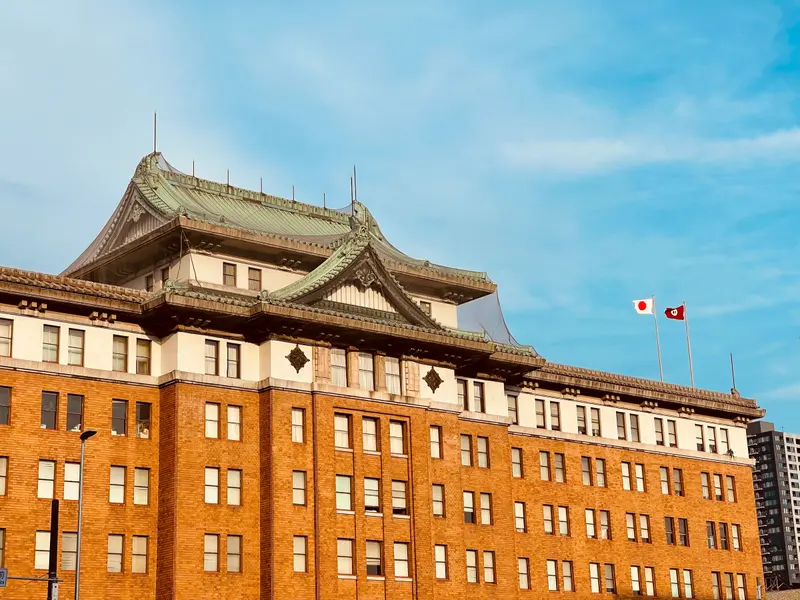
A model-railway café and a used-book kissa in Jōsai, Kinjō coffee north of the castle and cafés on the Kurokawa canal.
Photo: Heather Mallon, Pexels License
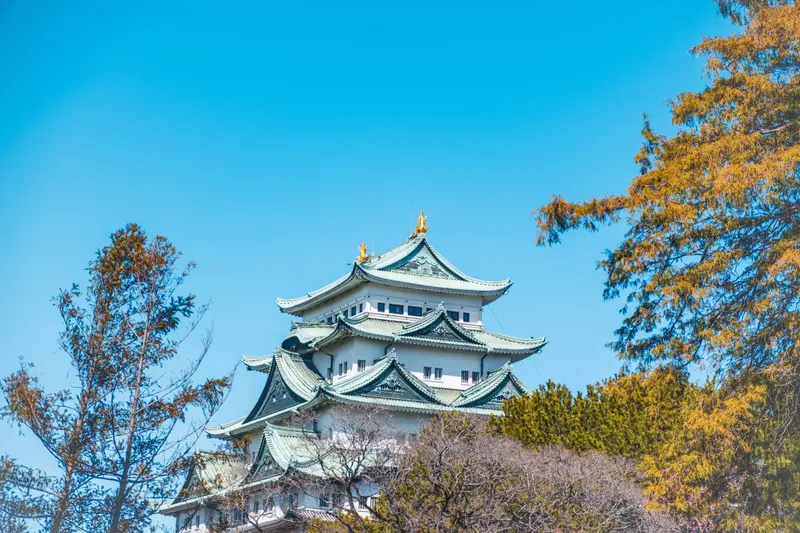
Tokugawa Ieyasu had Nagoya Castle built in 1615. Its main keep, topped with golden shachi (金鯱, the tiger-headed fish of the roof ridge), had the largest floor area of any keep, and it was the first castle designated a national treasure.1 Meijo Park (名城公園) runs from the castle grounds north into Kita Ward: it opened in 1931, covers 80.41 ha and holds about 2,800 cherry trees.4 Its northern half was marshland, filled in during the Meiji era for an army drill ground.4
Jōsai, west of the castle in Nishi Ward, has the most cafés, followed by Kinjō on the castle's north side. The rest are spread out: along the Kurokawa canal, around Shiga-hondōri and Ōzone, and east to Yada.
Pupu Kitchen
Wi Madan
Cafe De Popai
Karin
Sōne Cafe
Tamura
Puchitomato
Popai
Midori
Montoruiyu
Coffee Soufa
Ekumakuri Cafe
Cafe Mari
Nanahoshi
Nothing matches those filters here. See all cafés in Nagoya.
The main keep and towers are closed to visitors while the keep is rebuilt in wood.1 Since 1 October 2026 adult admission to the grounds has been ¥1,000, and children of junior-high age and younger enter free.3
Four tea houses stand in about 2,000 m² of the Ofuke-maru garden, though they are not normally open to the public.2 The oldest, the Sarumen tea room, is said to have been moved from Kiyosu Castle when Nagoya Castle was built; it was moved again to Tsurumai Park in 1929, burned in the war, and was rebuilt inside the castle in 1949 from drawings made before the fire.2 Outside the walls, 那古野茶屋 (Nagono Chaya) is at Sannomaru 1-2.
鉄道屋 (Tetsudōya), on the second floor at Jōsai 5-12-26, is a model-railway café: you rent time on an N-gauge layout that the owner calls one of the largest in Japan, with coffee on the side, and he bills it as the first café of its kind in the Chūbu region.12 古本喫茶 ShowRei, at Jōsai 3-10-5, is a used-book kissa stocked mainly with business books, plus history, geography and art.11 It cooks with organic vegetables from contract farms and bread from French bakers, and rents out shelves and space.11
ププ キッチン (Pupu Kitchen), at Jōsai 2-15-13, is the organic café of the natural-food store Healsing Ai, cooking macrobiotic lunches from ingredients the shop sells; its daily lunch has cost ¥1,500 since a price change in June 2024.10 プチトマト (Puchitomato) at Jōsai 1-5-17 and はちの巣Cafe at 5-18-13 round out the district.
Caffe CAMMELLO, at Kami-Nagoya 4-10-10 near Jōshin station, pairs its coffee with sandwiches on homemade bread and treats the room itself as part of what it sells, with music played quietly through good speakers.8 Mondays and Tuesdays are its scone days.8
On the castle's north side, Kinjō has three cafés within a few blocks: 金シャチ珈琲店 (Kinshachi Coffee) at Kinjō 2-5-11, whose name means "golden shachi", Cafe de BREATH at 2-10-16, and 喫茶 青時雨 (Kissa Aoshigure) upstairs at Kinjō-chō 2-2.
The Kurokawa (黒川) is a stretch of the Horikawa canal. In 1877 the Aichi engineer Kurokawa Harunori widened and extended the waterway toward Inuyama, taking it under the Yada River, and the section from Asahi Bridge up to the Kurokawa sluice still carries his name, as does the street Kurokawa-hondōri.5
稚児宮CAFE (Chigonomiya Cafe) opened on 3 March 2017 beside the cherry trees along the Kurokawa in Kita Ward.7 Up on Kurokawa-hondōri, the やば珈琲店 (Yaba Coffee) kissaten chain has a branch at 3-41-1; the chain's menu runs to Napolitan spaghetti on a hot iron plate, and its morning set can swap the toast for onigiri made with Aichi rice.13 Its shops offer free Wi-Fi, a terrace and separate smoking seats.13
Shiga-hondōri station, M10 on the Meijō Line, opened on 20 December 1971 and handled about 7,291 passengers a day in 2019, a quiet stop between Kurokawa and Heian-dōri.6 コノズコーヒー (Konos Coffee) has a branch in front of it, and 珈琲 そうふぁ (Coffee Soufa) is at Shikishima-chō 24-1.
Toward Ōzone, ソーネカフェ (Sōne Cafe) at Yamada 2-11-62 belongs to Sōne OZONE, which calls itself a café of "bread, everyone and resources" and also runs a recycling shop.9 Further east, タムラ (Tamura) is at Yada 1-22-15 and みどり (Midori) at Daikō 3-4-20, while LDK Book Cafe is upstairs at Tashiro-hondōri 2-1 in Chikusa Ward.
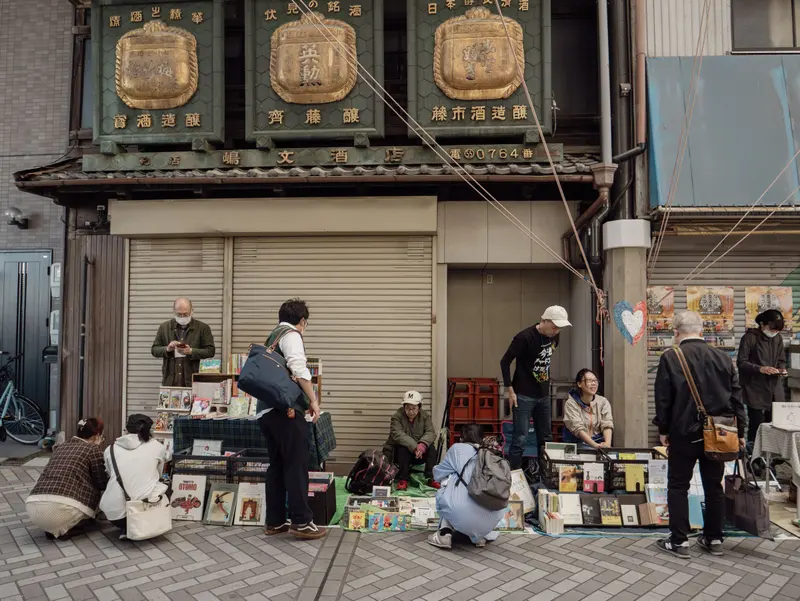
In Jōsai, west of the castle, Tetsudōya is a model-railway café where you rent time on a large N-gauge layout, and ShowRei is a used-book kissa with mostly business titles. Pupu Kitchen in the same district serves macrobiotic lunches.
Adult admission has been ¥1,000 since 1 October 2026, and children of junior-high age and younger enter free. The main keep and towers cannot be entered while the keep is rebuilt in wood.
Meijo Park, north of Nagoya Castle, has about 2,800 cherry trees. Chigonomiya Cafe sits beside the cherry trees on the Kurokawa canal in Kita Ward, and Kinshachi Coffee and Cafe de BREATH are in Kinjō, on the castle's north side.
Free listings are free for good. A featured page gives you photos, a menu and your own URL, in your café's own design, for less than a coffee a day.