Hanoi · Long Biên
Cafés in Long Biên
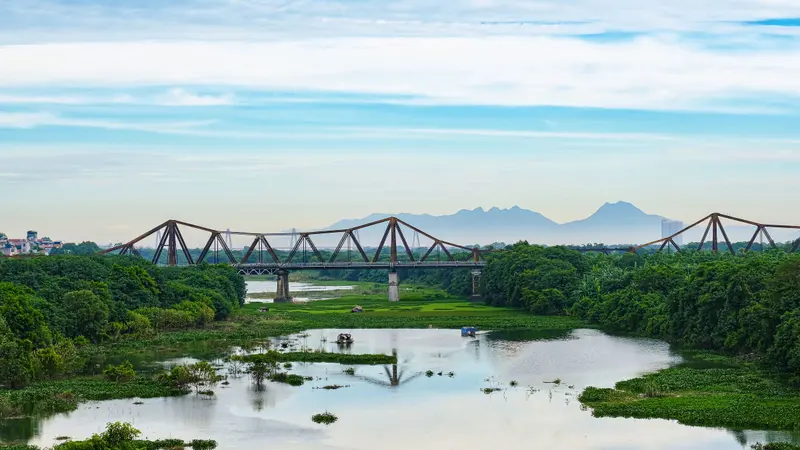
Across the Red River, past the 1902 Long Biên bridge.
Photo: tu nguyen, Pexels License
Long Biên is the part of Hanoi across the Red River, and it was the city's only urban district on the river's east bank.5 It was formed in 2003 from the north-western part of Gia Lâm district and covers 59.82 km², with 322,549 residents in 2019.5
The landmark most visitors know is the bridge that shares the area's name, and the cafés are spread from Long Biên 1 and Ngọc Thụy to Gia Thượng and Khai Sơn.
Local tip: Check for closures before you cross: the bridge's road lanes were shut for repairs from March to May 2026, and Chương Dương bridge was the advised detour.
At a glance
133Cafés listed
2With opening hours
08:30Earliest opening
23:00Latest closing
- Opens earliest: De Lavu cafe, from 08:30 (Daily 08:30–23:00).
- Most listed streets: Phố Ngọc Lâm (7), P. Hồng Tiến (6), Đường Nguyễn Văn Cừ (4).
- Most common features: wi-fi (2%), outdoor seating (2%), open late (2%).
TT Bit Board (Milk tea - Video game - Board game)
1985
52 Cafe
8 Trà & Cà Phê
ABA Cafe
Aladdin Tea & Coffee
Amita Cafe
An Nguyên Coffee
An Nhiên Cafe
Bảo Sơn Coffee
Berriver Cafe - Coffee & Tea
Bien Cafe
Bin Coffee 24 Hoa Lâm
Bobali
Boo Café
Cà Phê Hao
Cà Phê Linh Linh
Cà Phê Long Biên
Cà Phê Ngõ Nhỏ
Cafe Ban
Cafe Camel
Cafe Ham 15 Hat Cho Nhau Nghe Khiêu Vu
Cafe Hang 2/560
Cafe Hằng - Cs 449B Ngọc Lâm
Cafe kapukomi
Cafe My
Cafe My
Cafe Rang Xay 131
Café TICTACTOE
Cafe Trung
Cafe Tưởng
Chill - Tiệm Trà Chanh
Cleolatra Cafe
Coffee by Cook
Coffee Du lịch
Nothing matches those filters here. See all cafés in Hanoi.
Coffee chains in Long Biên
Chain
Highlands Coffee
Show 4 locations
Chain
Aha Cafe
Chain
The Coffee House
Chain
Trung Nguyên E-Coffee
Show 8 locations
- Trung Nguyên E-Coffee Nguyễn Văn Cừ, 1 Ng. 539 Đ. Nguyễn Văn Cừ
- 19 Phố Gia Thượng
- 21 Đ. Cổ Linh
- Trung Nguyên E-Coffee (38 Ngõ 85), 38 - ngõ 85 - Vũ Đức Thận - Việt Hưng Quận Long Biên, Hà Nội 10000
- 50 Đường Ngô Gia Tự
- 85 phố P. Vũ Đức Thận
- Trung Nguyên E-Coffee (183 Đông Hội), Số 183 - Đông Hội Huyện Đông Anh, Hà Nội 10000
- Trung Nguyên E-Coffee (50 Ngô Gia Tự), số 50 - Ngô Gia Tự - Đức Giang Quận Long Biên, Hà Nội 10000
Chain
Starbucks
Chain
Cộng Cà Phê
Chain
Trung Nguyên Coffee
Chain
80plus Coffee Roastery
Chain
Thái Yên Café
The Long Biên bridge
The bridge was built between 1899 and 1902 by the French firm Daydé & Pillé and was first named after Paul Doumer, the Governor-General of Indochina who championed railway building.12 Doumer attended its inauguration in February 1902, and the first train crossed on 28 February.23 It stretches nearly 2.3 km on 19 steel spans, with a single railway track between side lanes.13
American bombing hit it repeatedly. The central span fell in August 1967, cutting the rail link for about eight months, and Operation Linebacker in 1972 destroyed three more spans; trains were running again by March 1973.2 In all, seven spans and four support columns were destroyed during the war.2
The design came from the builders' own office after a competition among major construction firms, and the bridge cost just over 6 million francs.2
Crossing the bridge today
The bridge still carries trains, with lanes for motorbikes and bicycles and walkways for pedestrians.1 In February 2026 a steel connection plate fractured and train services were briefly suspended, and road traffic was then closed for urgent repairs from 28 March to 27 May 2026, with Chương Dương bridge as the detour.1
The bridge's future is under study. In January 2026 Hanoi asked the Ministry of Construction to end passenger services on the stretch between Hà Nội and Long Biên stations, and it is working with the French Embassy's economic agency on renovation options focused on traffic safety and heritage.4
Where Long Biên's cafés are
On Long Biên 1 are Pink Coffee at 66, Coffee 68 Long Biên at 68 and Bentinho coffee at 86. Cà Phê Le Ciel is at 476 Ngọc Thụy, Zaocha at 19 Gia Thượng has outdoor seats, and Tèo Coffee is on the shore of Tai Trâu lake.
De Lavu cafe in Khai Sơn opens 08:30–23:00, and TT Bit Board at 6 Hoàng Như Tiếp, a milk tea, video game and board game café, opens 09:00–22:00. Both have Wi-Fi, as does Cafe Trung at 106 Việt Hưng, and Cafe Rang Xay 131 at 26 Hồng Tiến serves specialty coffee.
Wards and the east bank
Since 1 July 2025 the former district has been covered by four wards, Long Biên, Bồ Đề, Việt Hưng and Phúc Lợi, while parts of Ngọc Thụy and Bồ Đề moved to Hồng Hà ward.6 Gia Lâm station, which would become the terminus for northbound trains under the city's proposal, is in the area, as is the old Gia Lâm airport.45
Sources
- Hanoi to close Long Bien Bridge to road traffic for 60 days for repairs, VOV, accessed October 2026
- The Long Bien Bridge: a misshapen but essential component of Ha Noi's heritage, Historic Vietnam (Tim Doling), accessed October 2026
- Long Bien Bridge tells stories about Hanoi, Bắc Ninh Newspaper and Radio-Television, accessed October 2026
- Hanoi proposes halting passenger trains through famous 'railway café street', Asia News Network / Viet Nam News, accessed October 2026
- Long Biên district, Wikipedia, accessed October 2026
- Danh sách 126 xã, phường mới của Hà Nội sau sắp xếp ĐVHC từ 01/7/2025, LuatVietnam, accessed October 2026
Keep exploring
More of Hanoi

Hoàn Kiếm
748 cafés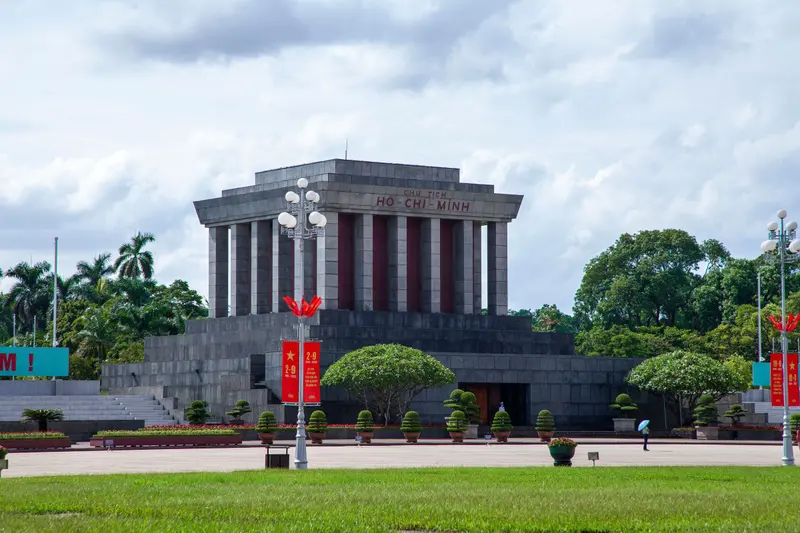
Ba Đình
301 cafés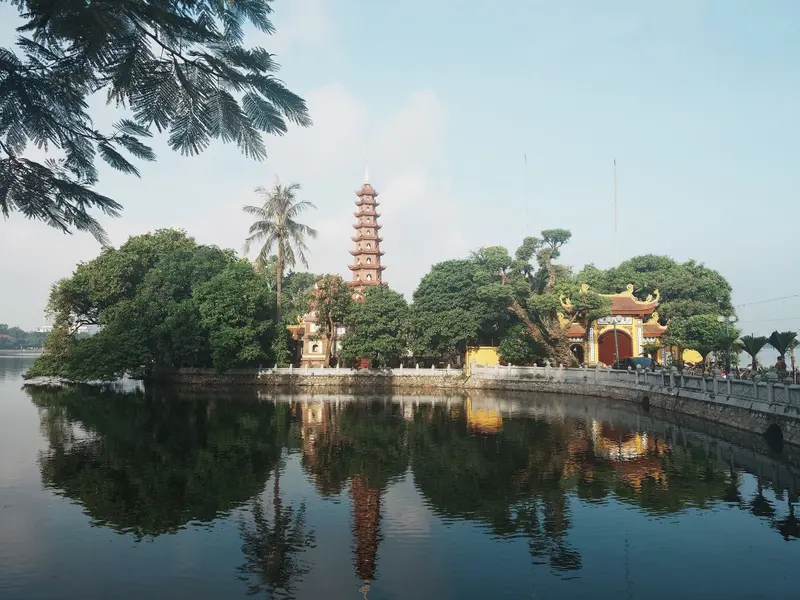
Tây Hồ (West Lake)
243 cafés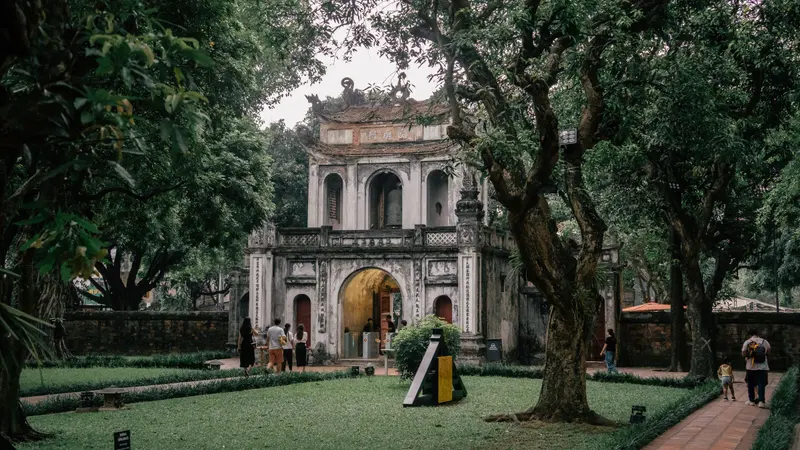
Đống Đa
367 cafés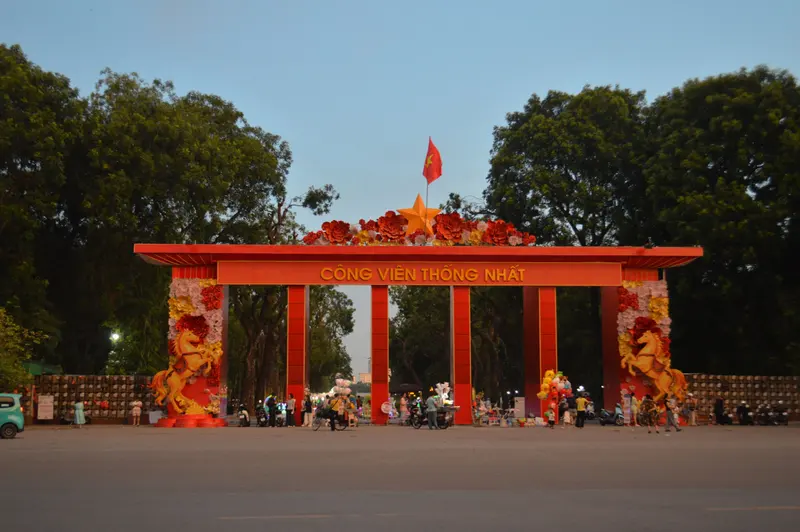
Hai Bà Trưng
233 cafés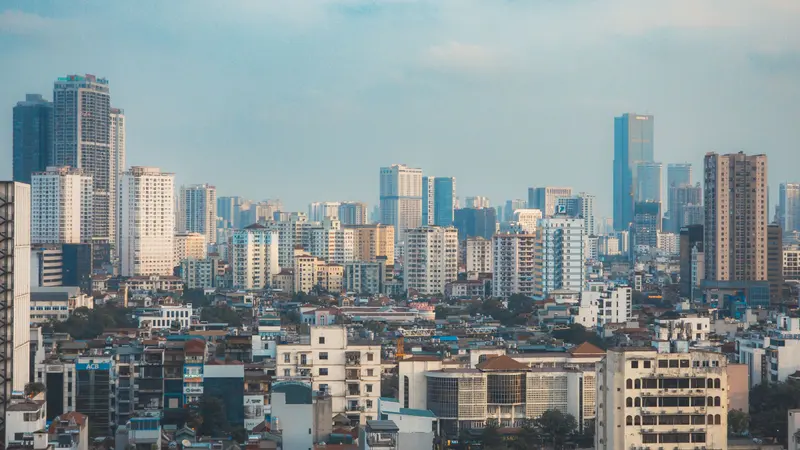
Cầu Giấy
342 cafés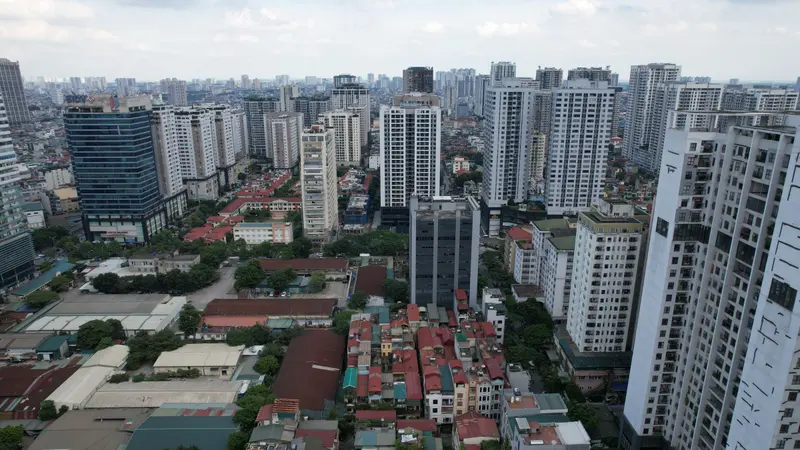
Thanh Xuân
191 cafés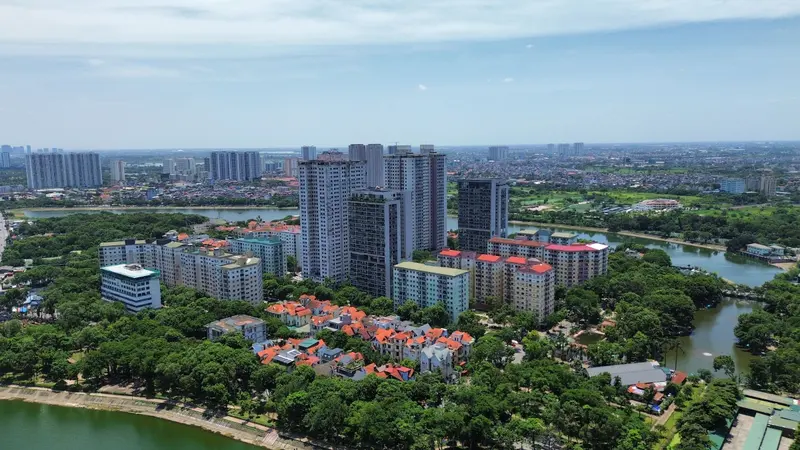
Hoàng Mai
54 cafésIn Long Biên, also browse: Specialty coffee Wi-Fi Open late Outdoor seating
FAQ
Long Biên cafés: questions
When was the Long Biên bridge in Hanoi built?
The Long Biên bridge was built between 1899 and 1902 by the French firm Daydé & Pillé and was first named after Paul Doumer, Governor-General of Indochina. The first train crossed on 28 February 1902. It stretches nearly 2.3 km on 19 steel spans and was rebuilt after American bombing in 1967 and 1972.
Can you cross the Long Biên bridge in Hanoi on foot or by motorbike?
The Long Biên bridge has a central railway track with lanes for motorbikes and bicycles and walkways for pedestrians. Road traffic was closed for urgent repairs from 28 March to 27 May 2026 after a steel plate fractured in February, with Chương Dương bridge as the detour, so check for current closures before you go.
Which wards make up Long Biên in Hanoi since 2025?
Since 1 July 2025 the former Long Biên district has been covered by Long Biên, Bồ Đề, Việt Hưng and Phúc Lợi wards, while parts of Ngọc Thụy and Bồ Đề moved to Hồng Hà ward. Long Biên itself was formed in 2003 from the north-western part of Gia Lâm district.
For café owners
Own a café in Long Biên?
Free listings are free for good. A featured page gives you photos, a menu and your own URL, in your café's own design, for less than a coffee a day.