Kotabaru & Cik Di Tiro
Simetri Cafe
- Takeaway
- Open late
Kopi joss at the angkringan by Tugu station, espresso in Prawirotaman, 24-hour study rooms on Jalan Kaliurang.
Photo: Rafli, Pexels License
Yogyakarta, usually shortened to Jogja, is still a sultan's city. Sultan Hamengkubuwono I built the Kraton (palace) in 1755–1756, after the Treaty of Giyanti recognized his sultanate, and the six-kilometer line that runs from the Tugu monument through the palace to Krapyak was inscribed as a UNESCO World Heritage site on 18 September 2023.21 Its best-known coffee comes from that northern end: kopi joss, black coffee with a glowing lump of charcoal dropped in, first served at an angkringan (roadside stall) by Tugu station.3
It is also a student city. Universitas Gadjah Mada opened on 19 December 1949 as Indonesia's first state university and had about 56,110 students in 2020, and its founding is credited with fixing Jogja's nickname, kota pelajar (city of students).45 Café life follows the students: a 2017 Gadjah Mada study found them using the city's kafe susu (milk cafés), which serve flavored milk, for coursework, meetings and Wi-Fi as much as for the drinks.6
Some of the beans are local. Farmers on the slopes of Mount Merapi, north of the city in Sleman regency, grow both robusta and arabica, and a Festival Kopi Merapi at Lapangan Denggung in Sleman brought together 40 coffee businesses that poured 5,000 free cups.7
Jogja's old center lies on the royal axis that runs south from the Tugu monument to the Kraton; the student districts spread north and east of it into Sleman, where UGM's main campus sits at Bulaksumur.14
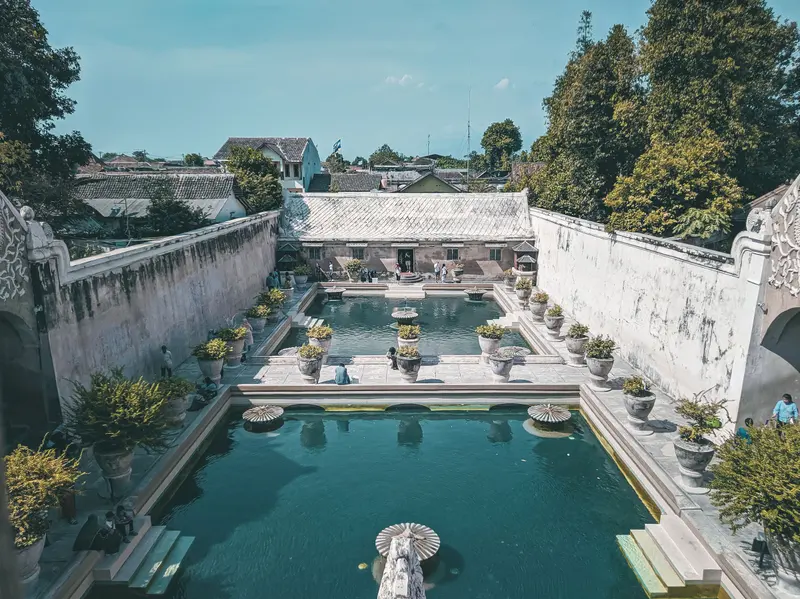
The palace quarter and the traveler streets south of it: Taman Sari, Prawirotaman espresso bars, late cafés.
72 cafés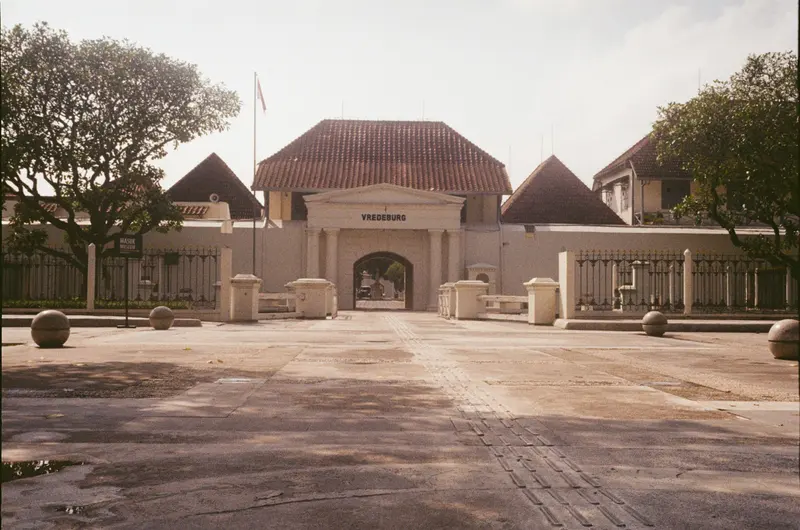
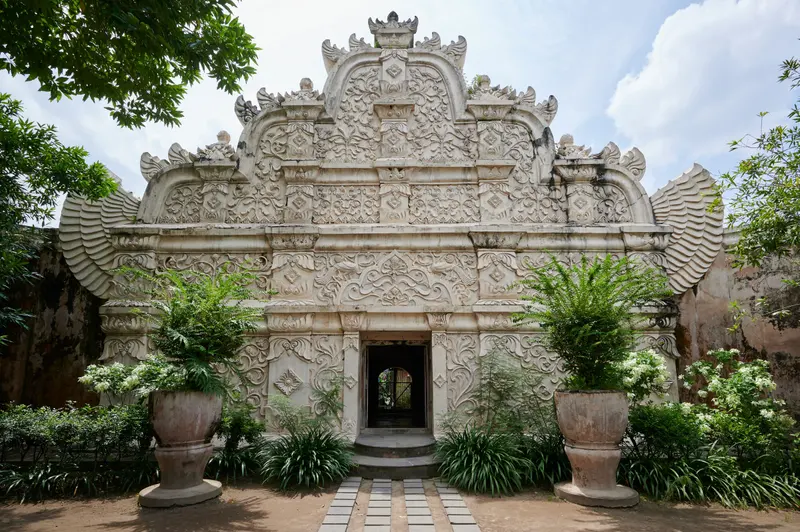
Tugu, the station and Malioboro: kopi joss at the angkringan, 24-hour cafés and an all-night stall.
54 cafés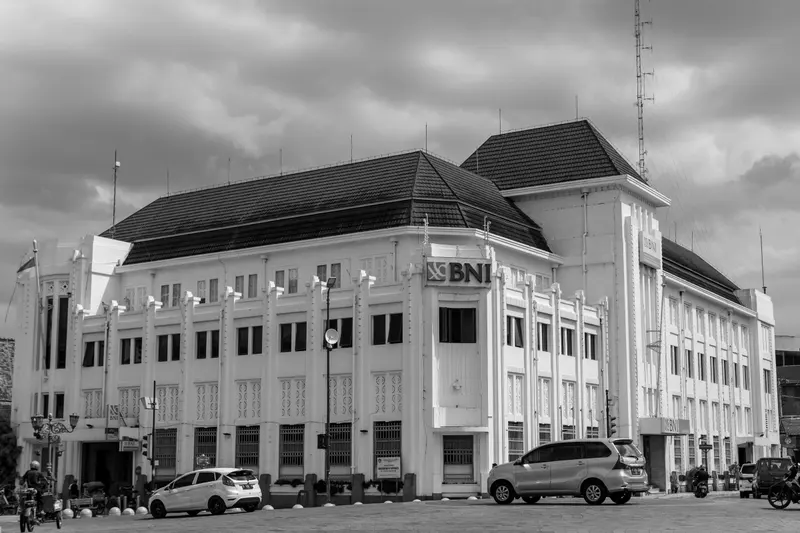
The Dutch-era garden city around Kridosono stadium, and the café row on Jalan Cik Di Tiro.
40 cafés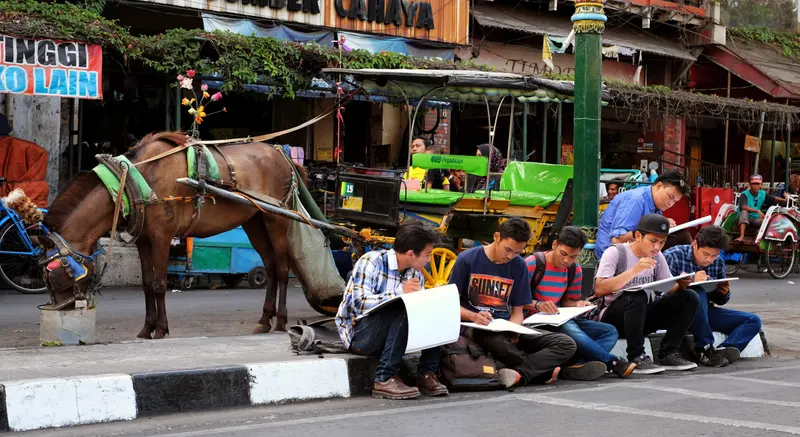
Campus lanes off Jalan Kaliurang: 24-hour cafés, work-friendly rooms and kilometer addresses.
39 cafés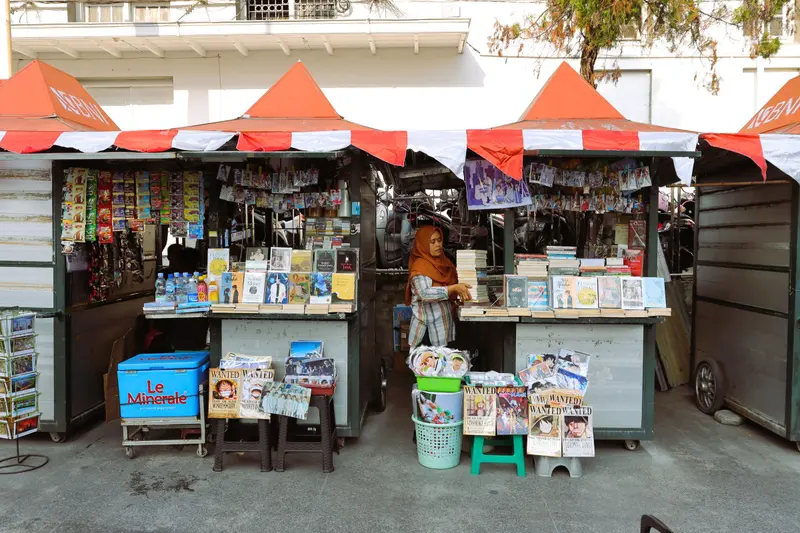
East of UGM on Jalan Affandi, the old Gejayan road: book cafés in Nologaten and late rooms.
71 cafés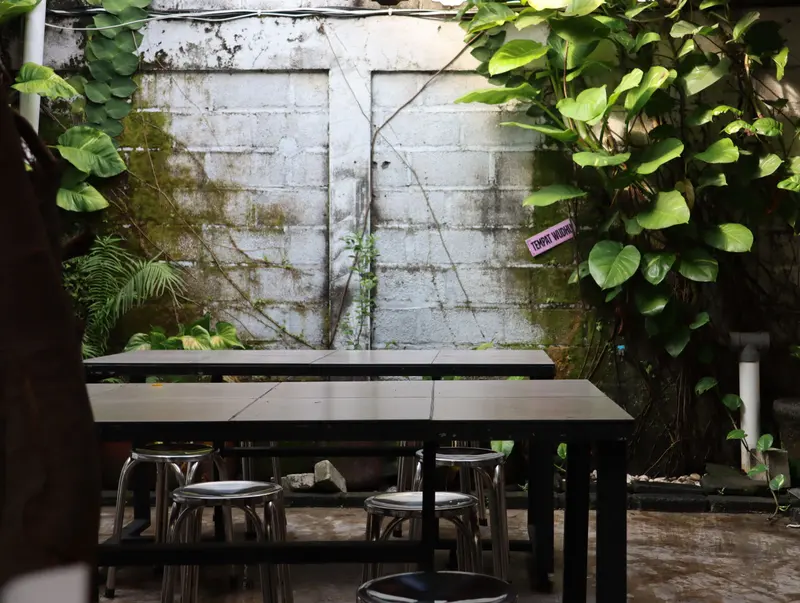
The student strip east of Gejayan: a 06:00 opener, a milk café and coffee near Ambarrukmo.
52 cafés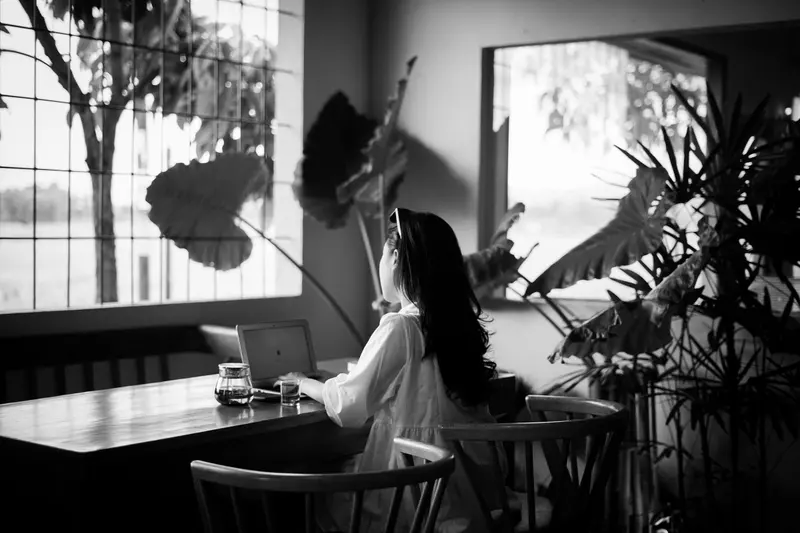
Where Jogja's students open their laptops, from Jalan Kaliurang by UGM to the lanes south of the Kraton.
35 cafés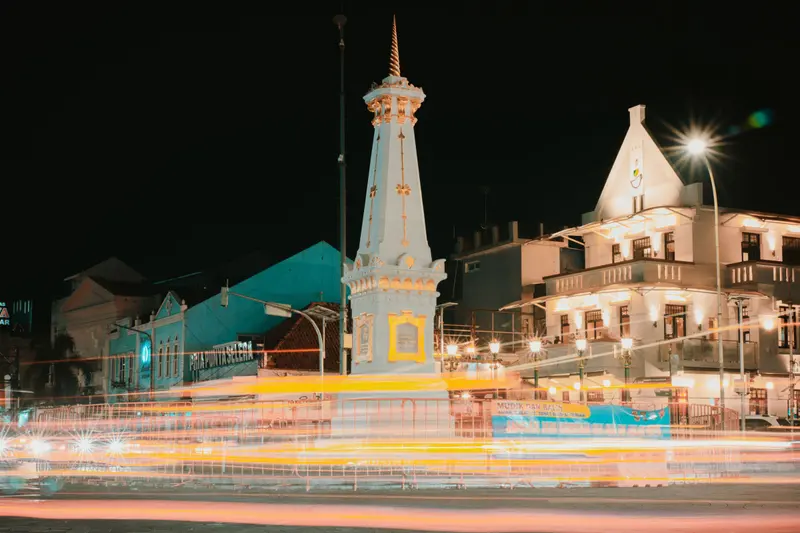
Open until 22:00 or later, in a city whose street stalls serve coffee into the small hours.
32 cafés
Tables outside, best from June to September before the monsoon returns.
17 cafésRecently opened and recently added
More about cafés in Kraton & Prawirotaman
More about cafés in Malioboro & Tugu
More about cafés in Kotabaru & Cik Di Tiro
Le Solé Café
More about cafés in UGM & Jalan Kaliurang
More about cafés in Gejayan & Demangan
More about cafés in Seturan & Babarsari
Showing up to 6 cafés per area. Each area page has the full list.
No café matches all of those filters. Try removing one, or tell us about a café we're missing.
Branches by area
The evening starts at the angkringan. These roadside stalls sell nasi kucing (small rice parcels), satay, fried snacks and hot ginger drinks, and their kopi joss is robusta brewed with sugar and finished with a piece of kesambi-wood charcoal.10 The best-known stalls around Tugu station open between 15:00 and 17:00 and close between 23:00 and 02:00; as of February 2026 a kopi joss there cost about Rp5,000–10,000.11
Coffee comes sweet unless you say otherwise. Kopi tubruk is strong coffee with the grounds in the cup, so let them settle before you drink, and Indonesians add plenty of sugar to both coffee and tea.9 To skip it, ask for kopi hitam pahit (black, bitter).12 Many Indonesians consider cold drinks unhealthy, so say dingin (cold) if you want ice.9 The café chains run on es kopi susu gula aren, iced coffee with milk and palm sugar, which Toko Kopi Tuku helped popularize after opening in Jakarta in 2015.13
Working from a café is normal, above all in the student districts. Jogja's 24-hour cafés serve late study as much as late talk; a 2025 guide notes that they usually go quiet after about 22:00 and advises bringing a charger and a long cable and picking a seat near a socket.14 At many cafés an attendant also collects parking for motorbikes: Rp2,000 at a café in Nologaten in 2024.19
Tipping is not required, though it is common in tourist areas; Indonesians usually tip only for exceptional service, handing the money over directly.9 Upmarket cafés and hotels add a 10% government tax plus a service charge, shown as "++" after the price.9 Kopi luwak, from coffee cherries eaten and excreted by palm civets, is opposed by conservationists because of how many of the animals are kept.9 A 2016 study of 16 civet-coffee plantations on Bali found all 48 caged civets in very poor housing.8
| Drink | Typical price |
|---|---|
| Kopi joss Black coffee with a charcoal ember | Rp5,000–10,000 Angkringan around Tugu station |
| Kopi klotok Coffee boiled in a pot over charcoal | about Rp5,000 Kopi Klotok, Jalan Kaliurang Km 16 (2024) |
| Cappuccino Regular cup | Rp11,000–35,000 Cafés citywide |
| Es kopi susu gula aren Iced coffee with milk and palm sugar | about Rp25,000 Coffee chains such as Tuku |
Prices as of 2026 unless noted: kopi joss from Kompas (February 2026), cappuccino from Numbeo (October 2026) and Tuku's iced palm-sugar coffee from IDN Times (April 2026); kopi klotok from a December 2024 Telkomsel guide.11151618 US$1 was about Rp18,000 on 21 October 2026.17
Coffee harvest months in Vietnam, Thailand, Indonesia, Colombia, Mexico and Peru, with Brazil and Ethiopia: when to visit farms and when new crop arrives.
Coffee culturesIndonesian kopi explained: unfiltered kopi tubruk, charcoal kopi joss in Yogyakarta, Aceh’s sanger, palm-sugar es kopi susu and the civet cages of kopi luwak.
Working from cafésWorking from cafés in Chiang Mai and Bali: Nimman and Canggu, the DTV and E33G visas, internet speeds, coworking prices, smoke season and rainy months.
As of 2026, a kopi joss at the angkringan around Tugu station costs about Rp5,000–10,000, a regular cappuccino Rp11,000–35,000, and Tuku's iced coffee with milk and palm sugar about Rp25,000. Kopi klotok, boiled coffee on upper Jalan Kaliurang, cost about Rp5,000 in December 2024. US$1 was about Rp18,000 in October 2026.
Kraton & Prawirotaman and Gejayan & Demangan have the most cafés, followed by Malioboro & Tugu. UGM & Jalan Kaliurang has more 24-hour cafés than any other area, and Kraton & Prawirotaman has the most specialty cafés.
Kopi joss is black robusta coffee brewed with sugar, with a glowing piece of kesambi-wood charcoal dropped into the glass. It began at an angkringan, a roadside stall, by Tugu station, and the stalls there open in the late afternoon and run until 23:00–02:00. As of February 2026 a glass cost about Rp5,000–10,000.
Ask for kopi hitam pahit, meaning black and bitter. Coffee and tea in Indonesia come with plenty of sugar unless you say otherwise. Say dingin if you want your drink cold, since many Indonesians consider cold drinks unhealthy. With kopi tubruk, let the grounds settle to the bottom of the cup before drinking.
Yes, above all in the student districts. Students use Jogja's cafés, including its milk cafés, for coursework and meetings, and Wi-Fi is part of the draw. The city's 24-hour cafés usually go quiet after about 22:00; bring a charger and a long cable and choose a seat near a socket.
On the slopes of Mount Merapi, north of the city in Sleman regency, where farmers grow both robusta and arabica. Sleman's Festival Kopi Merapi at Lapangan Denggung brought together 40 coffee businesses that served 5,000 free cups.
Your free listing is probably already on this page. Claim it in two minutes, or turn it into a featured page in your own design, with photos, a menu and your own link.