Kraton & Prawirotaman
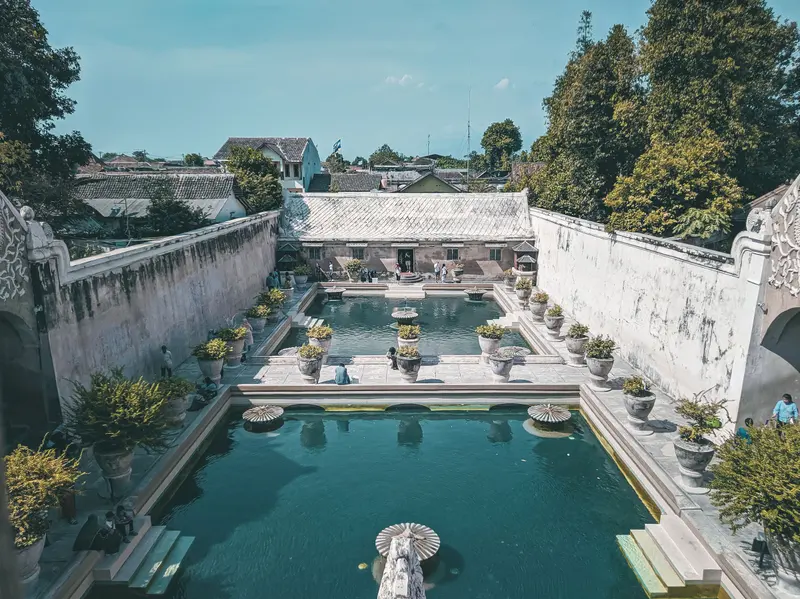
Kopi spesialti · Yogyakarta
Specialty coffee in Yogyakarta
Roasteries in a prince's pendopo and on Tirtodipuran, a coffee lab near the campuses and Java's long coffee history.
Photo: Rafli, Pexels License
Java's coffee goes back to the 1690s. In 1696 the Dutch governor in Malabar sent arabica seedlings to Batavia; floods killed the first batch, a second arrived in 1699, and in 1711 the VOC shipped Java's first coffee to Europe, 2,000 pounds a year by 1717.1 After leaf rust, robusta reached East Java in 1900 as a substitute, and arabica now makes up only about a quarter of Indonesia's coffee exports.1
In Jogja, the palace quarter around the Kraton and Prawirotaman has the most of the city's specialty roasteries, ahead of Gejayan and Demangan near the campuses; two are close to Malioboro and Tugu, and one is in Kotagede.
Local tip: Shopping on Malioboro? EspressoHood is inside Kidz Station at Jalan Malioboro 52, and Noren Coffee & Roastery, which roasts on site, is nearby on Jalan Sosrokusuman.2
Where these cafés are: Kraton & Prawirotaman (4), Gejayan & Demangan (3), Malioboro & Tugu (2), Kotagede (1).
At a glance
10Cafés listed
0With opening hours
–Earliest opening
–Latest closing
Malioboro & Tugu
EspressoHood
Gejayan & Demangan
Grams Coffee Lab
Gejayan & Demangan
Hayati Specialty Coffee
Kraton & Prawirotaman
Ketemu Kopi & Roastery
Kraton & Prawirotaman
Maige Coffee Roastery
Malioboro & Tugu
Noren Coffee & Roastery
Kotagede
Nutur Coffee Store & Roastery
Gejayan & Demangan
Tilasawa Roaster
Kraton & Prawirotaman
Wande Kopi Roastery
Nothing matches those filters here. See all cafés in Yogyakarta.
From instant coffee to the hand brew
The shift to brewed coffee is recent. In 2016, Good News From Indonesia profiled Koling Cafe, whose founders sold hand-brewed V60 coffee from a converted bicycle at Tugu, Malioboro, Alun-alun Kidul, the southern palace square, and near the campuses, because renting a shop was too expensive.4 Most people, they said, were used to instant or bottled coffee, and brewed coffee had to overcome doubts about its taste, convenience, variety and price.4
Six years on, the trade had grown into an industry. Komunitas Kopi Nusantara counted more than 1,700 coffee shops in Yogyakarta before the pandemic and put the business at over Rp360 billion a year; Jogja Coffee Week #2, in September 2022, brought together 166 coffee brands and 239 competitors.5
A roastery in a prince's pendopo
De Ngokow Coffee Roastery and Tea Club, at Jalan Bantul No. 64, serves Indonesian beans from Aceh to Papua inside the Pendopo Ndalem Pujokusuman, the open-sided pavilion of an old aristocratic residence.2 The house dates from the reign of Sultan Hamengkubuwana II and passed in 1901 to Prince Pujokusumo; in 1948–1949 it was a base for the Hantu Maut guerrillas fighting the Dutch.3
Since 2011 it has been a registered heritage building and the provincial center for Yogyakarta-style dance, taught there by the Pamulangan Beksa Sasminta Mardawa foundation.3 Wande Kopi Roastery, in the Tritunggal shopping complex on Jalan Tritunggal, is in the same southern part of town.
Tirtodipuran and Mangkuyudan
Maige Coffee Roastery, at 10A Jalan Tirtodipuran, roasts single-origin beans for espresso drinks and filter coffee.2 Ketemu Kopi & Roastery is on Jalan Mangkuyudan in the same quarter; ketemu is Indonesian for meet.
Java's own arabica comes mostly from the Ijen Plateau at the island's eastern end, above 1,400 m, and largely from big estates.1 Indonesia was the world's fourth-largest coffee producer in 2025.1
Malioboro, Demangan and Kotagede
Noren Coffee & Roastery, on Jalan Sosrokusuman near Malioboro, roasts on the premises, and its signatures include a banana coffee and a yuzu long black.2 EspressoHood is inside Kidz Station at Jalan Malioboro 52, on the shopping street itself.
Toward the campuses, Grams Coffee Lab is at Jalan Laksda Adisucipto 32, Hayati Specialty Coffee at Jalan Demangan Baru No. 7 and Tilasawa Roaster on Jalan Rajawali in Mrican. Hayati describes its coffee as ethically sourced, with single origins and house blends.2 In the southeast, Nutur Coffee Store & Roastery is on Jalan Mondorakan in Kotagede, the old silver town.
Sources
- Coffee production in Indonesia, Wikipedia, accessed November 2026
- Explore Yogyakarta's artisanal coffee roasteries, What's New Indonesia, accessed November 2026
- Ndalem Pujokusuman, Wikipedia (Indonesian), accessed November 2026
- Mengopikan Jogja, Good News From Indonesia, accessed November 2026
- Jogja punya 3.000 kedai kopi, coba tebak berapa perputaran uangnya, Mojok, accessed November 2026
Keep exploring
Other ways to browse Yogyakarta
Kafe dengan Wi-Fi
Wi-Fi
37 cafés
Buka sampai malam
Open late
33 cafés
Area outdoor
Outdoor seating
17 cafésOpen by 6am
6 cafésBakery cafés
6 cafésBy area: Kraton & Prawirotaman Malioboro & Tugu Gejayan & Demangan Kotagede
FAQ
Specialty coffee in Yogyakarta: questions
When did coffee first come to Java and Yogyakarta?
The Dutch brought arabica seedlings from Malabar to Batavia in 1696; that batch was lost to floods, a second arrived in 1699, and the first Java coffee was shipped to Europe in 1711. Robusta was brought to East Java in 1900 after leaf rust, and arabica is now about a quarter of Indonesia's coffee exports.
Which Yogyakarta specialty coffee roastery is in a heritage building?
De Ngokow Coffee Roastery and Tea Club, at Jalan Bantul No. 64, serves Indonesian beans from Aceh to Papua in the pendopo of Ndalem Pujokusuman, a residence from the reign of Hamengkubuwana II that has been the provincial center for Yogyakarta-style dance since 2011.
How big is the coffee shop business in Yogyakarta?
Komunitas Kopi Nusantara counted more than 1,700 coffee shops in Yogyakarta before the pandemic and put the coffee business at over Rp360 billion a year. Jogja Coffee Week #2 in September 2022 drew 166 coffee brands and 239 competitors.
For café owners
Your café deserves better than a pin someone else dropped
Free listings are free for good. A featured page gives you photos, a menu and your own URL, in your café's own design, for less than a coffee a day.