까꼬막카페
Kkakkomak Cafe
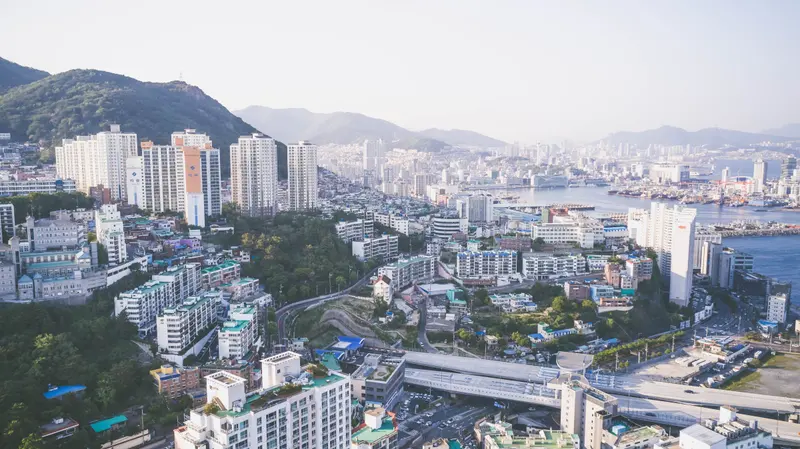
A café in the 1927 Baekje Hospital, a roaster branch by the KTX station, and hillside coffee near the 168 Stairs.
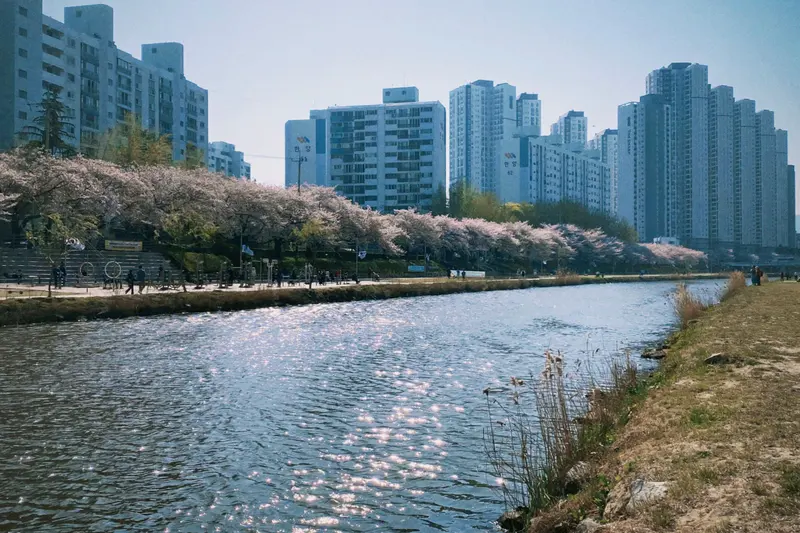
Photo: Анна Шаталова, Pexels License
Choryang-dong (초량동) in Dong-gu takes its name from the old Korean place name Saetwi, written with 草 (grass, reeds) and 梁; another reading holds that Busan's terrain looks like a lying ox, which needs grassland.1 Busan station stands in Choryang 3-dong, and Busan's Chinatown occupies Jungang-daero 179beon-gil and Daeyeong-ro 239beon-gil.1
Most cafés sit in the numbered lanes off Jungang-daero between the station and Chinatown. A second, smaller group climbs the hill on Mangyang-ro and Choryangsang-ro, and Sujeong-dong to the north-east adds a café in a Japanese-era house.
Local tip: Walk Ibagu-gil uphill from the Baekje Hospital end and take the 168 Stairs up rather than down; the Kim Min-bu Observatory beside them honors a poet born in neighboring Sujeong-dong.3
Kkakkomak Cafe
Cafe Dongju
Dante Lounge
Mariseutella Coffee
Brown Hands
Seutingpeuri Coffee Wokseu
Aengeurei Coffee Roasters Busanyeok Branch
Ontteul
Cafe Choryang
Cafe Tuton
Hoyeon
Deep Coffee Street
Munhwagonggam Sujeong
Young Coffee
All Sunday
Nothing matches those filters here. See all cafés in Busan.
Busan station opened on 1 April 1908 with the Gyeongbu Line's Choryang–Busan stretch; a great fire destroyed it on 27 November 1953, and the present building went up on reclaimed land in Choryang, opening on 10 June 1969.2 KTX trains have run from here since April 2004 and SRT trains since December 2016, and only Seoul and Dongdaegu handle more passengers.2
In the lanes behind the station square, 앤그레이커피로스터스 (Angray Coffee Roasters), a specialty roaster, has a Busan Station branch at Jungang-daero 180beon-gil 9. Further along, 딥커피스트릿 (Deep Coffee Street) is at 214beon-gil 3-2, 스팅프리 커피웍스 (Stingfree Coffee Works) at 226beon-gil 7-7 and 영커피 (Young Coffee) at 274beon-gil 7-3.
The four-story red-brick building at Jungang-daero 209beon-gil 16 was the Baekje Hospital, a large private hospital built by the surgeon Choi Yong-hae.3 Five years after it opened, in 1932, Choi left for Japan and the building passed to the Oriental Development Company; it then served as a Chinese restaurant, Japanese officers' quarters, Busan's post-liberation security headquarters, the temporary Chinese embassy in 1950 and, from 1953, a wedding hall.3
A fire in 1972 gutted the wooden interior, and the owner kept the walls, floors and even the soot on the ceilings when it was restored.3 Brown Hands opened its Baekje café on the ground floor on 31 December 2015, and Changbi, the publisher, runs a culture space upstairs.34 올선데이 (All Sunday) shares the address. Brown Hands points drivers to the Chinatown public car park at Choryangjung-ro 36.4
Ibagu-gil, from ibagu (이바구, local dialect for telling a story), is a themed walk created under the mountainside-road renewal program Busan began in 2011.3 It climbs through Choryang-dong, where refugees from the Korean War built shacks and dockworkers, Jagalchi Market hands and factory workers lived.3 Its steepest stretch is the narrow 168 Stairs, with the Kim Min-bu Observatory beside it and, partway up the hill, the Yu Chi-hwan Mailbox, which delivers letters a year after they are posted.3
Cafés here sit on the slope. 카페초량 (Cafe Choryang) is at Mangyang-ro 533-5, 까꼬막카페 (Kkakkomak Cafe) at Mangyang-ro 600beonga-gil 19 and 까페 동주 (Cafe Dongju) on the second floor at Mangyang-ro 687. Lower down, 카페투톤 (Cafe Tuton) is at Choryangsang-ro 65beon-gil 2, and 단테라운지 (Dante Lounge) at Choryang-ro 13beon-gil 58.
온뜰 (Ontteul), at Choryangsang-ro 157beon-gil 19, calls itself a multipurpose culture space and opened on 3 February 2022, two days after the Lunar New Year; it has hosted exhibitions such as a show by the director Kim Sang-hyun.5
Across the border in Sujeong-dong, 문화공감 수정 (Munhwagonggam Sujeong) at Honggok-ro 75 occupies a Japanese-style wooden house built in 1943.3 After liberation it was sold to a Korean owner and ran as Jeongnangak (정란각), an upmarket yojeong (요정, traditional banquet house), before its 2007 listing as registered national heritage.3 Its glass front looks onto the garden.3
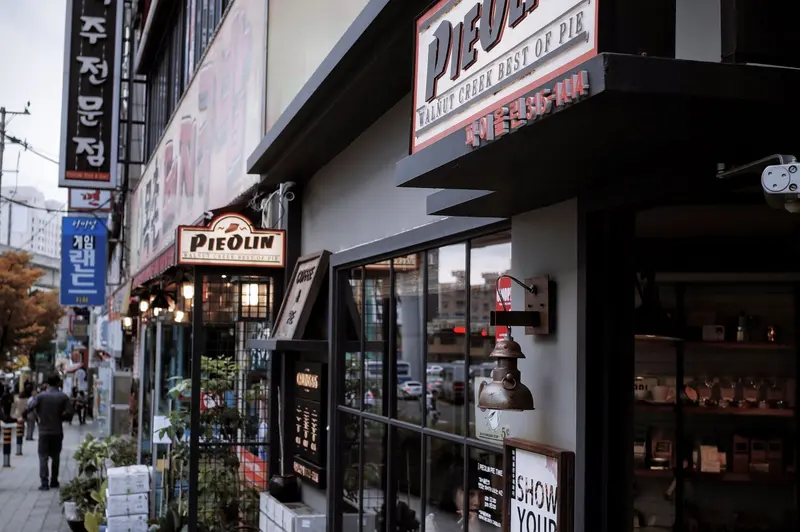
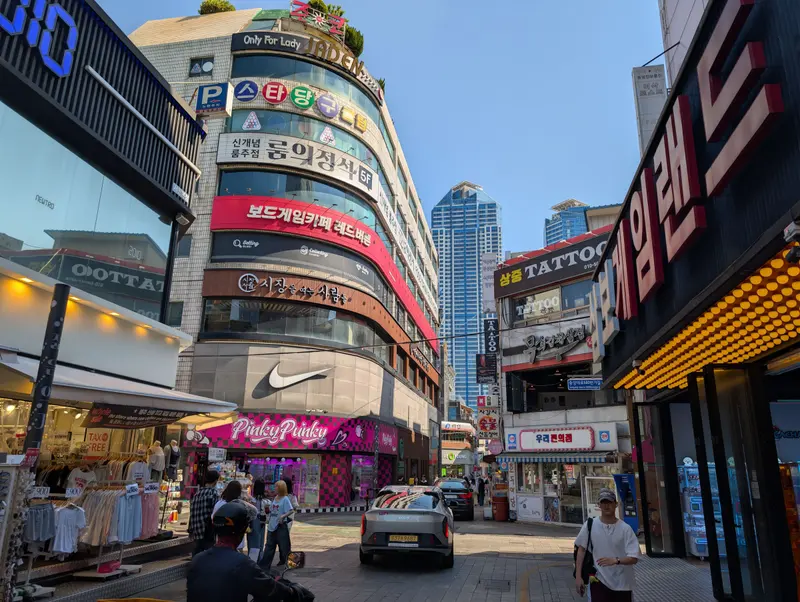
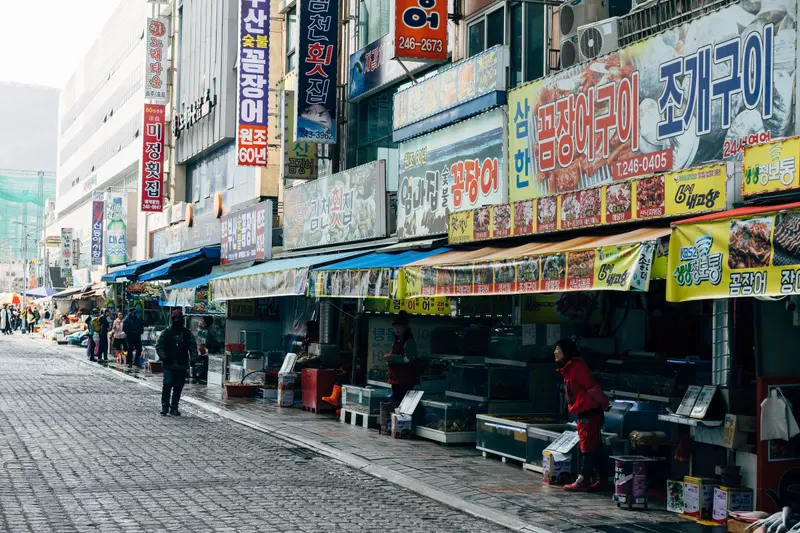
In Busan Station & Choryang, also browse: Specialty coffee
Brown Hands Baekje has occupied the ground floor of the four-story red-brick Baekje Hospital at Jungang-daero 209beon-gil 16 since 31 December 2015. The building was a private hospital before 1932 and later a restaurant, an embassy and a wedding hall.
On the slope around Ibagu-gil, Cafe Choryang is at Mangyang-ro 533-5, Kkakkomak Cafe at Mangyang-ro 600beonga-gil 19 and Cafe Dongju at Mangyang-ro 687, with Cafe Tuton lower down on Choryangsang-ro.
Munhwagonggam Sujeong at Honggok-ro 75 in Sujeong-dong occupies a Japanese-style wooden house from 1943 that ran as the Jeongnangak banquet house after liberation and became registered national heritage in 2007.
Free listings are free for good. A featured page gives you photos, a menu and your own URL, in your café's own design, for less than a coffee a day.