Valencia · Patraix, Jesús & L'Olivereta
Cafés in Patraix, Jesús & L'Olivereta
Salteñas on Carrer de la Democràcia, a gluten-free café full of clocks and late nights on Juan de Garay.
Photo: Nataliya Vaitkevich, Pexels License
Patraix began as Petraher, a cluster of Andalusi farmhouses that Jaume I gave to his scribe Guillem Escrivà after the conquest of Valencia.1 It became an independent municipality in 1816, had around 500 inhabitants through the 19th century, and asked to join the city in 1870.1 L'Olivereta, the city's district 7, borders it to the north.3
Carrer de Calvo Acacio and Carrer de Juan de Garay have the most cafés, with pairs on Carrer de Jeroni Munyós, Carrer de Jerónima Galés, Carrer d'Alcàsser and Avinguda del Cid. The Patraix district had 58,333 residents on 1 January 2023, about 17% of them born abroad.2
Local tip: Los Arcos, on Carrer Ciutat de Melilla, closes at 16:00 most days and all day Monday, but on Fridays it stays open until midnight.
At a glance
56Cafés listed
6With opening hours
07:00Earliest opening
00:00Latest closing
- Opens earliest: Dolçaroma, from 07:00 (Mon–Fri 07:00–22:00 · Sat–Sun 09:00–00:00).
- Most common features: open late (5%), outdoor seating (5%), takeaway (4%).
La Exquisita
Cafè Degust
Cafetería Trafi
- Wi-Fi
- Outdoor seating
- Takeaway
- Air-con
- Open late
- Brunch
Espresso Pastel
- Takeaway
- Vegetarian options
- Wheelchair access
- Bakery café
- Brunch
Los Arcos
A d'Alicia
Café & Algo Mas
Café de Mama
Cafe Kumaru
Cafe Lounge La Mika
Café Manel
Cafe Plaza
Café Somni
Café Terra de Mar
Café Titos
Cafetería El Sueño de Sophie
Churrería chocalte
Coffee Is Life
Con Fundamento
Dins I Fora
Doña Donna & Don Coffee
El Astrónomo
Enna Cafetería Cervecería
Esto Es Muy Bonito
Excel.lent Cafe
Foc Coffee
Julivert
La Forqueta
Los Angelitos Café
Marengo Caffè
Más Ke Café
Mel de Romer Coffee and Bar
NIBIRU Valencia
O'clock Cafetería y Restaurante Tosteria
Pechina
Nothing matches those filters here. See all cafés in Valencia.
Coffee chains in Patraix, Jesús & L'Olivereta
Chain
Cafés Valiente
Plaza de Patraix
The triangular main square dates from the Christian resettlement after the conquest.1 On its east side the barons of Patraix built a palace that took in plague patients in 1647 and was pulled down in the mid-20th century; of the old houses around the square, only those on the south side survive.1 The Sagrado Corazón church was dedicated to San Nicolás de Bari until 1942, and Javier Goerlich remodeled its late-18th-century bell tower in the mid-20th century.24
The neighborhood association is one of the most active in the city, and the square fills with parades, bonfires, concerts and markets through the year.5 Valencia Plaza noted that Asian residents now run many of the bars in the area.5
The Favara channel and Nou Moles
The acequia de Favara is one of the eight irrigation channels of the Valencia plain governed by the Water Court, and its name comes from Hawwara, a Berber word.6 It turned mills such as Nou Moles, which gave a neighborhood its name, and later fed the factories of Patraix.6 Carrer de Fray Mateu follows its exact route; the channel was covered in the 1960s and 1970s, after people had fished in it until the early 20th century.6
Caña de Azúcar sits on Plaza Nou Moles itself, at No. 7. On Carrer de la Democràcia, Cafetería Salteñas Rosario takes its name from the salteña, a Bolivian empanada filled with meat, vegetables and a broth that keeps it juicy, eaten mainly as a mid-morning snack.7 Cafecito is on Avinguda de Pérez Galdós, and Xiomara's Coffee, on Carrer de Sant Vicent Màrtir, has tables inside and out.
The convent of Jesús
The Franciscan convent of Jesús, on a 16,000 m² plot between Carrer del Beat Nicolau Factor and Avinguda de Gaspar Aguilar, was founded in 1428 by Matteo di Agrigento with the support of Alfonso the Magnanimous and Queen Mary.8 Sold off in 1838, it became a silk-spinning mill, and in 1867 the Provincial Council turned it into the city's asylum.8
On Carrer de l'Arxiduc Carles, Cafè Degust opens daily 08:30–20:00, and Cafe Kumaru is further along at No. 125. Espresso Pastel, on Carrer de Manolo Taberner, is a bakery with vegan options and brunch that splits its day: 08:00–14:00, then 17:00–21:00 on weekdays. On Juan de Garay, Dolçaroma stays open until midnight at weekends.
Tres Forques and the vanished railway
Until 1969, trains from Estació del Nord to Madrid via Cuenca and to Llíria ran along today's Carrer del Mestre Sosa and Carrer de Tres Forques.9 The lines split at a glazed level-crossing house called the "Glass Palace", where the Llíria branch turned up what is now Carrer d'Enguera.9 After the 1957 flood, the river diversion brought a bypass on an embankment, opened on 21 September 1969, and the old tracks were removed.9
Bar Y Cafetería Katy sits on that former trackbed at Carrer d'Enguera 3. On Calle Chiva, O'Clock decorates both its café and restaurant with clocks, specializes in tostas and gin and tonics, and says 90% of its menu is gluten-free, with certification from the celiac association ACECOVA.10 Panacid and Mel de Romer Coffee and Bar are on Avinguda del Cid.
Sources
- Patraix Square (Ruta por Patraix, stop 1), Ajuntament de València, accessed November 2026
- Patraix, Wikipedia (Spanish), accessed November 2026
- L'Olivereta, Wikipedia (Spanish), accessed November 2026
- Viaje en el tiempo paseando por Patraix, Valencia Plaza, accessed November 2026
- Comer en el barrio de Patraix, Valencia Plaza, accessed November 2026
- Favara Waterway (Ruta por Patraix, stop 4), Ajuntament de València, accessed November 2026
- Salteña, Wikipedia (Spanish), accessed November 2026
- Convent of Jesús (Ruta por Patraix, stop 7), Ajuntament de València, accessed November 2026
- Remembrance of the railway from Utiel to Llíria in Tres Forques Street (Ruta por Patraix, stop 12), Ajuntament de València, accessed November 2026
- O'Clock restaurante cafetería, O'Clock, accessed November 2026
Keep exploring
More of Valencia
El Carmen
11 cafés
Ciutat Vella
119 cafés
Ruzafa
43 cafés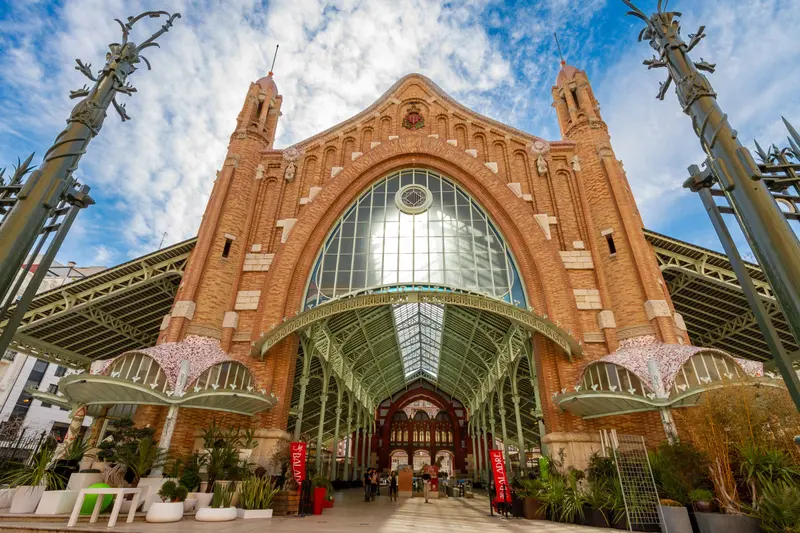
Eixample
34 cafés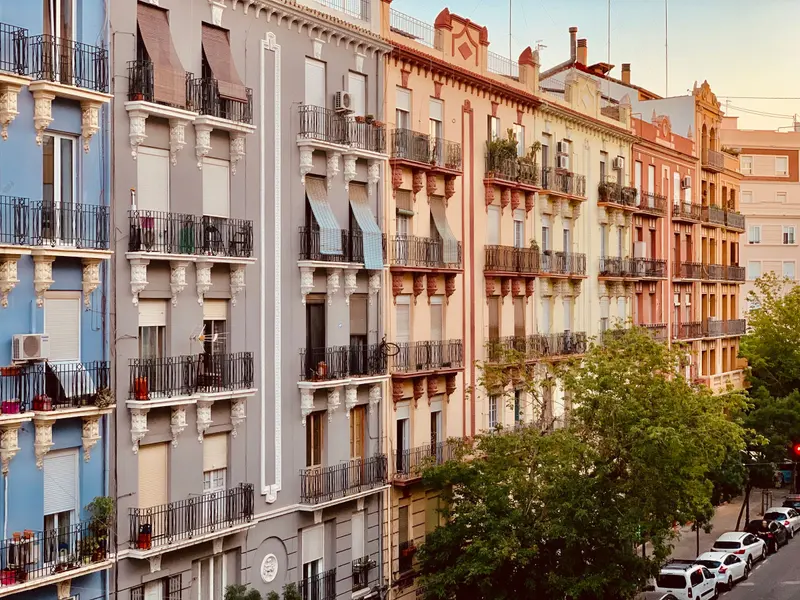
Extramurs
47 cafés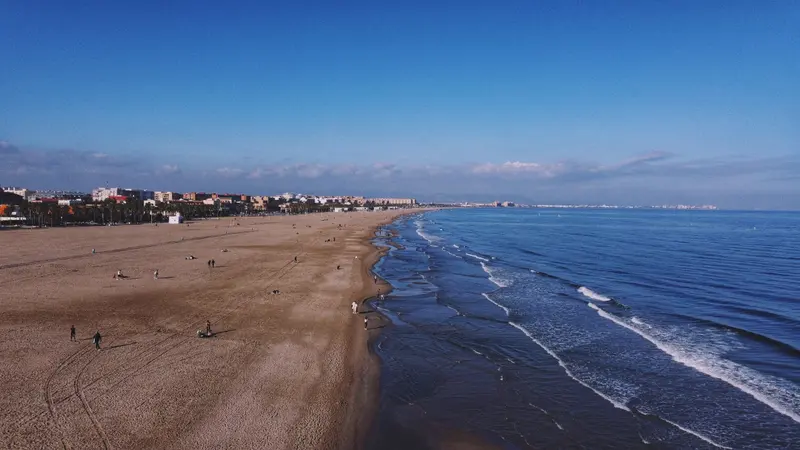
El Cabanyal & Malvarrosa
30 cafés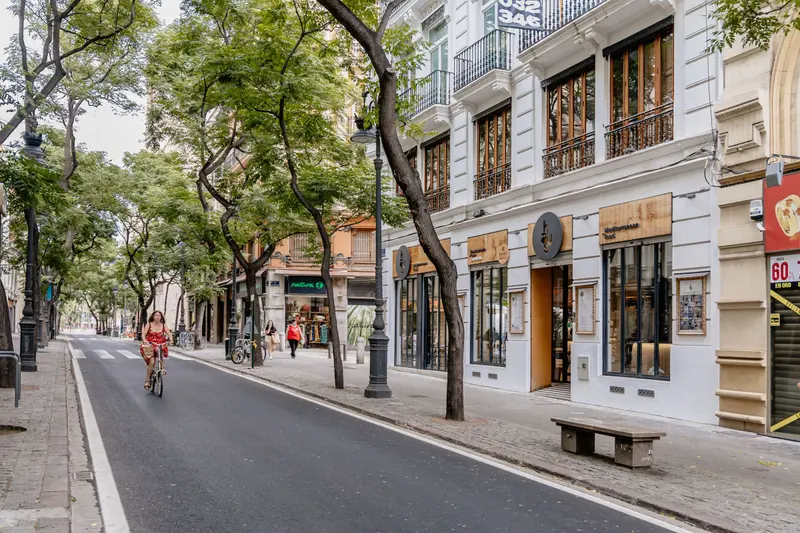
Benimaclet
23 cafés
Pla del Real & Algirós
63 cafésLa Saïdia
19 cafésCampanar
21 cafésCamins al Grau
31 cafésQuatre Carreres
23 cafésRascanya & Benicalap
23 cafésIn Patraix, Jesús & L'Olivereta, also browse: Terraces Brunch Bakery cafés Open late Wi-Fi Vegan & vegetarian
FAQ
Patraix, Jesús & L'Olivereta cafés: questions
Which streets in Patraix, Valencia have the most cafés?
Carrer de Calvo Acacio and Carrer de Juan de Garay have the most, with Con Fundamento, Garden and Toni's on Calvo Acacio and Dolçaroma on Juan de Garay. Smaller pairs sit on Jeroni Munyós, Jerónima Galés, Alcàsser and Avinguda del Cid.
Where can you eat gluten-free at a café in Patraix, Valencia?
O'Clock on Calle Chiva says 90% of its menu is gluten-free and is certified by the celiac association ACECOVA. It specializes in tostas and gin and tonics, and both its café and restaurant are decorated with clocks.
What is the history of Plaza de Patraix in Valencia?
Patraix was an Andalusi farmstead given by Jaume I to his scribe, and its triangular square was laid out after the conquest. It was an independent municipality from 1816 until it joined Valencia in 1870, and the Sagrado Corazón church on the square was dedicated to San Nicolás de Bari until 1942.
For café owners
Own a café in Patraix, Jesús & L'Olivereta?
Free listings are free for good. A featured page gives you photos, a menu and your own URL, in your café's own design, for less than a coffee a day.