진주리
jinjury
- Wi-Fi
- Outdoor seating
- Takeaway
- Air-con
- Open late
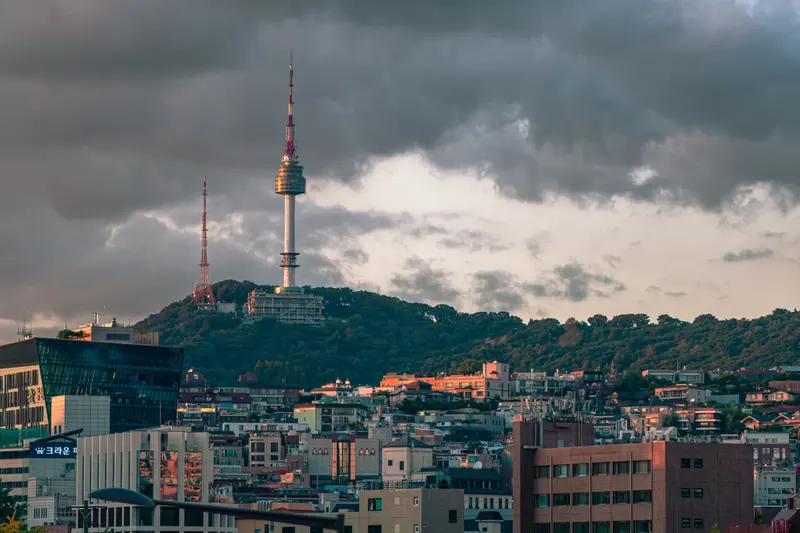
Hakrim Dabang's wooden stairs, theater-district cafés and hanok roasters along Daehak-ro, from Hyehwa station to the Ihwa hillside.
Photo: Constantine Kim, Pexels License
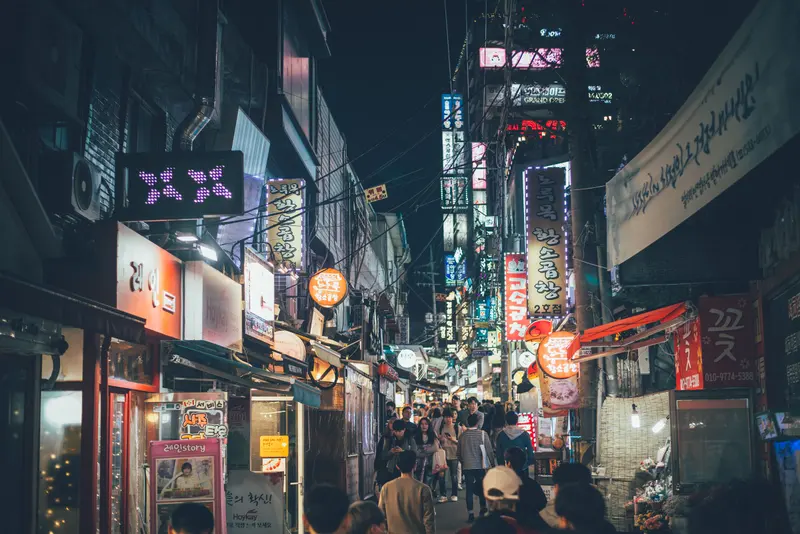
Daehak-ro (대학로, "university road") runs from the Jongno 5-ga crossing to the Hyehwa-dong rotary, and the name became official in 1966.1 The university is gone. Keijo Imperial University was set here in the 1920s, a student town grew around it, and Seoul National University's liberal arts and law colleges left for Gwanak, with Marronnier Park laid out on their site in 1975.12
What stayed were the small theaters and one famous tearoom. So coffee here is split between the old dabang (다방, tearoom) that outlasted the students, roasters tucked into hanok behind the main road, and pre-show cafés around the park.2 The area was once part of Banchon, the village of servants who looked after Sungkyunkwan, Joseon's royal academy.1
Local tip: Get to Hakrim Dabang when it opens rather than before a show: the wooden stairs and window seats draw a queue. Hyehwa station's exit 3 then puts you three minutes from Dturtle's hanok.
jinjury
369Maeul Sahoejeok Hyeopdongjohap Cafe Masil
Napolleonggwajajeom
Natkeompeulliteu
Daehakro Cafe Jeong:ju
Dongsungdong Coffee
Rideuateu
Rillimareullen
Mattiereu
Marianneu
Mongsanggadeul
Like a dandelion
Baimi Dessert
Nothing matches those filters here. See all cafés in Seoul.
학림다방 (Hakrim Dabang) at Daehak-ro 119 opened in 1956 and is a Seoul Future Heritage.12 Before the move to Gwanak it was a living room for Seoul National University students and artists.4 In 1981 the National Democratic Student League held its first meeting here, and the 1980s security case that followed took the tearoom's name, the Hakrim Incident.3
The creaking wooden stairs, old sofas and rafters are the attraction, and the Korean drama My Love from the Star added a new audience and a queue.34 Order drip coffee from its own roast, or the Vienna coffee, the house signature.4 Dongyang Bookstore, signed "Since 1953", is nearby, and a barber who learned his trade in 1956 was still working nearby in 2019.1
Marronnier Park, across the crossing from Hakrim, takes its name from trees planted on 5 April 1929, in the Keijo Imperial University years.2 The Arko Art Center and a cluster of small theaters surround it, and Jinachun, a Chinese restaurant with a century of history, is another Future Heritage stop nearby.2
커피가게 디터틀 Dturtle at Daehak-ro 9ga-gil 14 roasts specialty coffee inside a hanok, three minutes on foot from exit 3 of Hyehwa station.5 It turned three in December 2025, and the Seoul Cafe Show has named it an Enjoy Cafe three years running.5 The filter coffee is a single origin that changes daily, posted on its site with the cold brew and decaf; on 3 November 2026 it was a Colombian Typica Mejorado from El Diviso.5
보사노바 커피로스터스 (Bossa Nova Coffee Roasters), in the Ihwa-dong lanes, comes from a roaster that started in August 2015 with a rooftop shop on Anmok Beach in Gangneung, on Korea's east coast.6 It now has its own roasting factories and branches in Sokcho and Mullae.6 Beans are sold by subscription as well as over the counter.6
심리카페 대학로점 ("psychology café", Daehak-ro branch) sells something else with its drinks: counseling. The company offers couple and family sessions, personality tests and depression screening, and describes the idea as an unusual date.7 진주리 (Jinjury) on Seonggyungwan-ro 7-gil has Wi-Fi and outdoor seats and keeps 10:00–22:00 daily.
In Hyehwa & Daehak-ro, also browse: Specialty coffee Wi-Fi Open late Outdoor seating
학림다방 opened in 1956 at Daehak-ro 119 and is a Seoul Future Heritage. It was a gathering place for Seoul National University students and artists, and in 1981 a student league's first meeting there began the Hakrim Incident. It is known for Vienna coffee and its old wooden stairs.
커피가게 디터틀 Dturtle at Daehak-ro 9ga-gil 14 roasts specialty coffee in a hanok, three minutes on foot from exit 3 of Hyehwa station. It turned three in December 2025, and its single-origin filter coffee changes daily, alongside cold brew and decaf.
The name became official in 1966. Keijo Imperial University was built here in the 1920s and a student town grew up around it. Seoul National University's liberal arts and law colleges later moved to Gwanak, and Marronnier Park was laid out on their site in 1975.
Free listings are free for good. A featured page gives you photos, a menu and your own URL, in your café's own design, for less than a coffee a day.