Microcentro & Monserrat
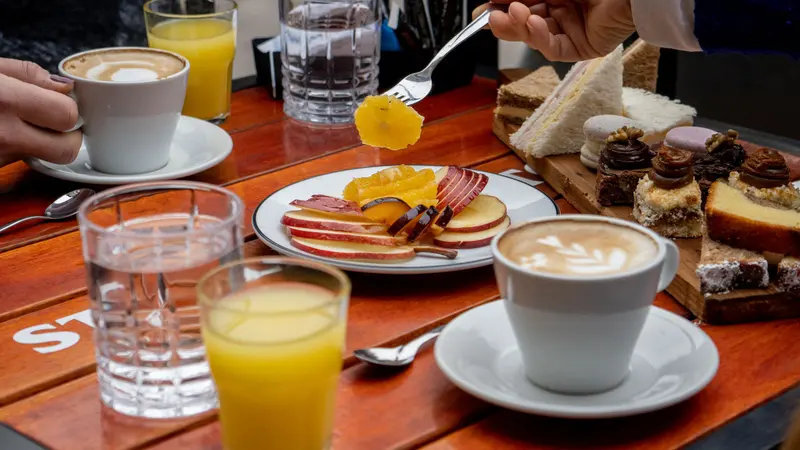
Franco Specialty Coffee
- Wi-Fi
- Outdoor seating
- Smoke-free indoors
- Specialty
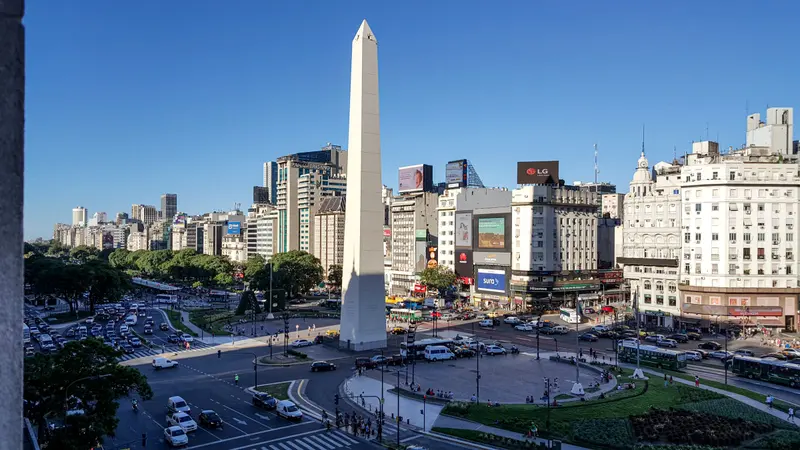
Roaster cafés, filtrado and cold brew, from Palermo Soho and Caballito to Colegiales and Belgrano.
Photo: Jose Luis Vanasco, Pexels License
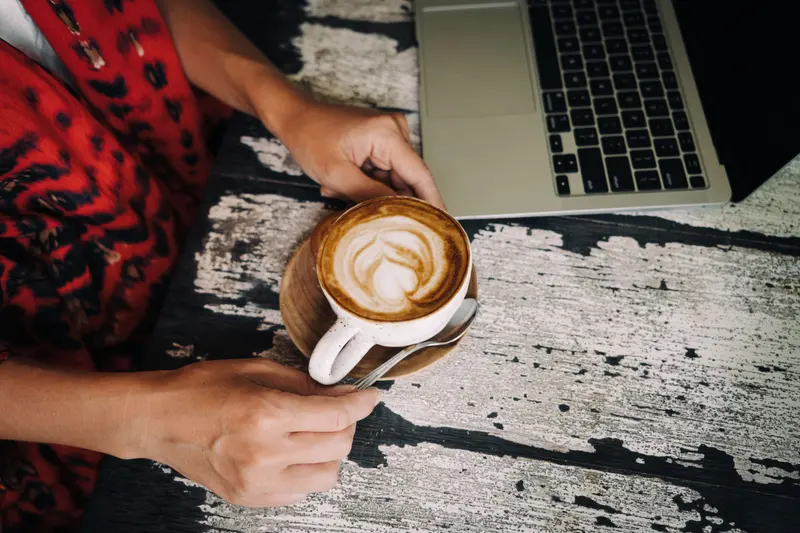
Argentina grows no coffee of its own: every bean is imported, and the country drinks about 1 kg per person a year, against 5 kg in Brazil.12 The old order was un cortado en jarrito, bien caliente (a cortado in a small jug, very hot); café de especialidad (specialty coffee) bars added filtrado (filter coffee) and light-roast espresso.37
Coffee Town, a kiosk bar that opened in the Mercado de San Telmo in 2011, is often named as the first specialty counter in the country.2 Immigrants from Colombia, Peru, Venezuela and Ecuador brought coffee know-how with them.7 Almagro, Caballito and Flores now have the most specialty cafés, ahead of Palermo Soho, Colegiales and Chacarita, the northern barrios of Núñez, Saavedra and Villa Urquiza, and Retiro.
Local tip: To take beans home, ask for a cuarto (a quarter kilo): Barragán sells its Brazilian and Colombian specialty coffee that way.5
Where these cafés are: Almagro, Caballito & Flores (4), Núñez, Saavedra & Villa Urquiza (3), Retiro (3), Palermo Soho (3), Colegiales & Chacarita (3), Microcentro & Monserrat (2), Belgrano (2), Villa Crespo (1), Congreso, Once & Abasto (1), Alto Palermo & Botánico (1).
Nothing matches those filters here. See all cafés in Buenos Aires.
Al Diablo Coffee Roasters, at Costa Rica 4752 in Palermo Soho, calls itself a cafetería de especialidad y tostadores (specialty café and roasters) and sells to other businesses wholesale as well as online.4 Padre Coffee Roasters is on Honduras, and Fruto and Portus Specialty Coffee are also in Palermo Soho, on Jorge Luis Borges and Nicaragua.
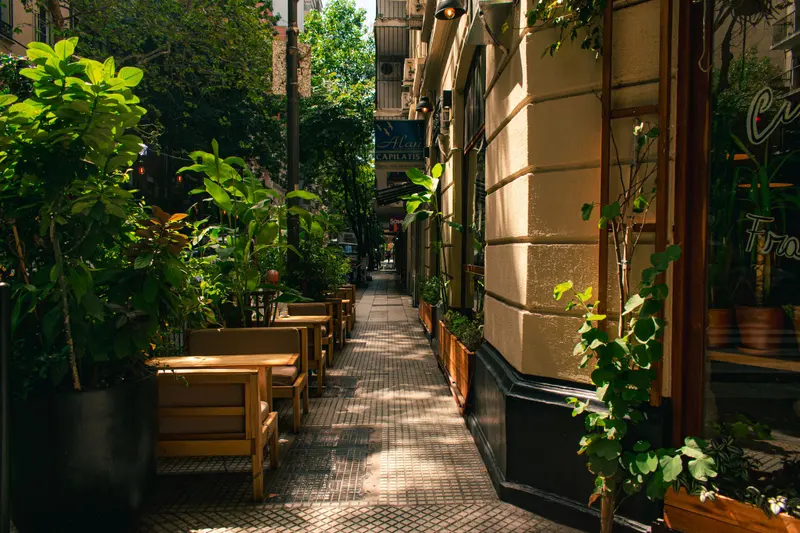
Downtown, 90's Coffee Roasters is at Maipú 714 and Franco Specialty Coffee at Presidente Luis Sáenz Peña 18, open Monday to Saturday 08:00–19:00. In Belgrano, Avenida Juramento has two: Kissaten Tostador at 1381, named with the Japanese word for a classic coffee house (喫茶店), and Borja Specialty Coffee at 2800.
The V60, a Hario dripper named for its 60-degree cone, gives bright, clear flavors; the Chemex uses a thicker filter that slows extraction for a softer cup; cold brew steeps in cold water for 12 to 24 hours.3 A flat white here means a double espresso or ristretto under a thin layer of microfoam, and it is not always the same drink as a cortado.3
Barragán Lonchería y Café, at Nicasio Oroño 1195 in Caballito, takes its look from Mexican architecture, and its name pairs Barragán with lonchería (a Mexican lunch counter).5 Its coffee menu runs to an espresso tonic with mandarin or hibiscus and a Cold Brew Picosito (picosito, slightly spicy), and it sells quarter-kilo bags of Brazilian and Colombian specialty beans; it has branches in Palermo and Saavedra too.5 Bestia, on Estados Unidos, and Nara, on Avenida Gaona, are in the same part of town.
Clorindo, in the Ricardo Güiraldes library at Talcahuano 1261, is named for the architect Clorindo Testa, and has a second café at La Pampa 2215 in Belgrano.6 The Shelter Coffee on Arroyo was one of four branches in 2025; the flagship is at Virrey Loreto 2035 in Belgrano, and Time Out singles out its precise filter coffee.6 Kaffa is nearby at Arenales 837.
In Colegiales, Avenida Álvarez Thomas has Olbia at number 68 and Amelia at 1192, and Liquiliqui, at Tronador 602, is named for the liqui liqui, the jacket-and-trousers outfit that is national dress in Venezuela and Colombia.8 Further north, BUNA on Crisólogo Larralde opens Monday to Saturday 07:30–20:00, and Zuka is at Grecia 3437.
Coffee became dearer everywhere in 2024. Arabica rose 80% on the New York market in a year and robusta 118% in London, taking the international price to a level last seen at its 1977 record.1 Belén Cuadra, president of the Cámara Argentina del Café, warned that part of the rise would reach the cup.1
In December 2024 a survey of cafés around Tribunales and Recoleta found espressos at ARS 2,200–3,200, and one Recoleta café charged ARS 3,200, up from ARS 1,800 a year earlier.1 Its owner said the price of his coffee had as much as tripled.1
By area: Microcentro & Monserrat Villa Crespo Palermo Soho Alto Palermo & Botánico Retiro Colegiales & Chacarita Belgrano Núñez, Saavedra & Villa Urquiza Congreso, Once & Abasto Almagro, Caballito & Flores
All of it is imported, since Argentina grows no coffee. Cafés such as Barragán in Caballito sell Brazilian and Colombian specialty beans by the quarter kilo. Argentines drink about 1 kg of coffee per person a year, against 5 kg in Brazil.
In December 2024 espressos around Tribunales and Recoleta cost ARS 2,200–3,200, after arabica rose 80% and robusta 118% on world markets that year. One Recoleta café's espresso went from ARS 1,800 to ARS 3,200 in twelve months.
Filtrado is filter coffee, brewed slowly as water passes through the grounds for a cleaner, lighter cup. Common methods are the V60, a Hario cone with a 60-degree angle, and the Chemex, which uses a thicker filter; cold brew steeps for 12 to 24 hours.
Free listings are free for good. A featured page gives you photos, a menu and your own URL, in your café's own design, for less than a coffee a day.