すあま商會
- Wi-Fi
- Power outlets
- Laptop-friendly
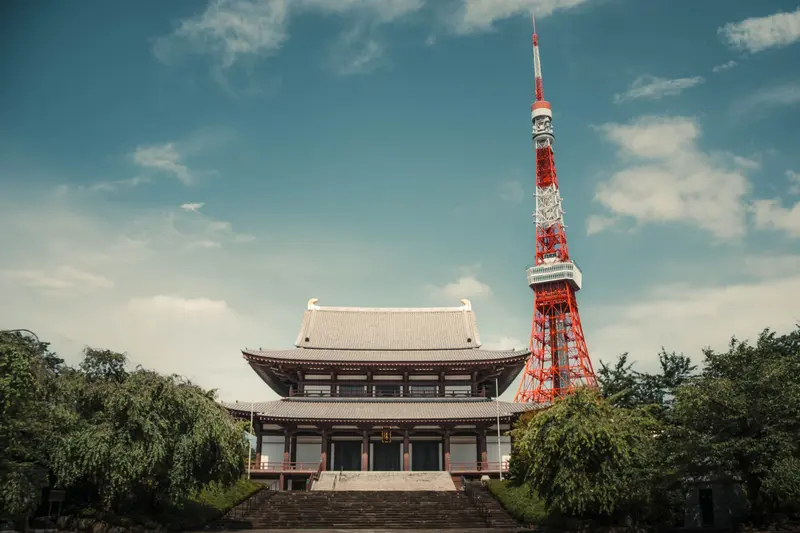
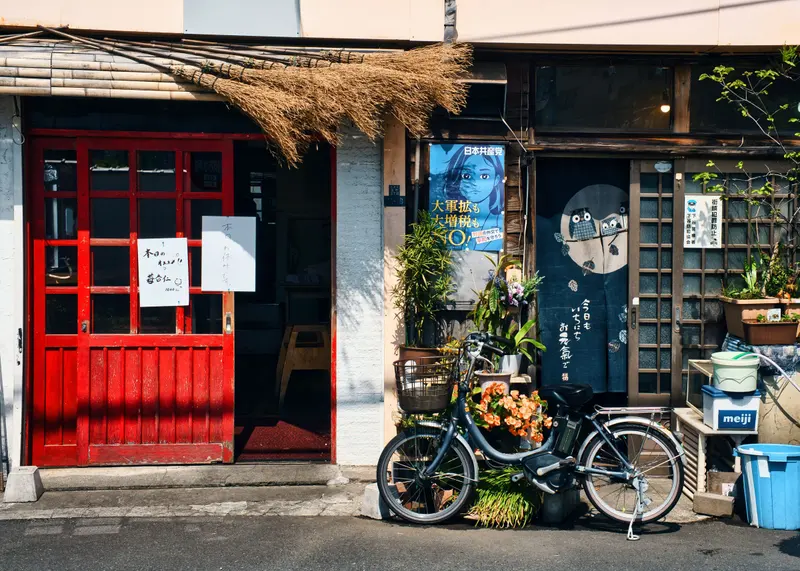
A hardware store's tearoom on the old Nakasendō, a cat-shelter café in Ōyama and a garage roaster in Naka-Itabashi.
Photo: Lorenzo Castellino, Pexels License
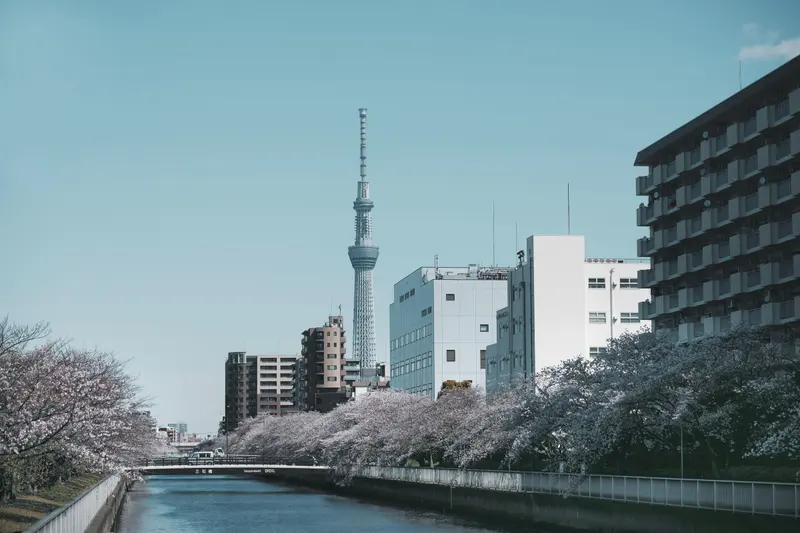
Itabashi (板橋) was the first of the 69 post towns on the Nakasendō out of Nihonbashi, and the starting point of the Kawagoe Kaidō.1 Its three quarters, Kami-shuku, Nakajuku and Hirao-shuku, stretched about 2.2 km north to south, and a survey of 1841–1844 counted 2,448 people, 573 houses and 54 inns.1 The name, literally "board bridge", comes from the crossing over the Shakujii River between Kami-shuku and Nakajuku.1
The cafés follow the old road and the railways. The blocks of Itabashi 1- to 3-chōme and the Nakajuku shōtengai (商店街, shopping street) along the Kyū-Nakasendō have the most, followed by Ōyama Kanai-chō by the Happy Road arcade and Naka-Itabashi to the west. A smaller group sits in Takinogawa and Kami-Jūjō, across the line in Kita-ku.
Local tip: From Itabashi-kuyakushomae station, walk north on the Kyū-Nakasendō through Nakajuku to the bridge, where a post marks the distance from Nihonbashi as 10,643 m.1
Aoi Coffee Shop
Otonari Stand & Works
Omochabako
Kauberu
Cafe Terrace Pikorīno
Kiharataimu
Gurashia
Konde
Tsumugi Cafe
Dorīmuzu Cafe
Hagukumi Cafe
Kissa Arufa
Coffee Kōbō Anrēvu
Kurēpu House Shinofuji
Dakkusu
Furēbā
Cafe Moka
Nothing matches those filters here. See all cafés in Tokyo.
The bridge appears in writing as early as the Heian period. The Edo-period crossing was a gently arched wooden span about 16.4 m long, drawn by Hiroshige; it has been concrete since 1932, with wood-grain patterns on its railings to keep the old look.1 Straightening the Shakujii in 1972 left two bridges in a row, one over the river and one over the filled-in old bend, now a park.1
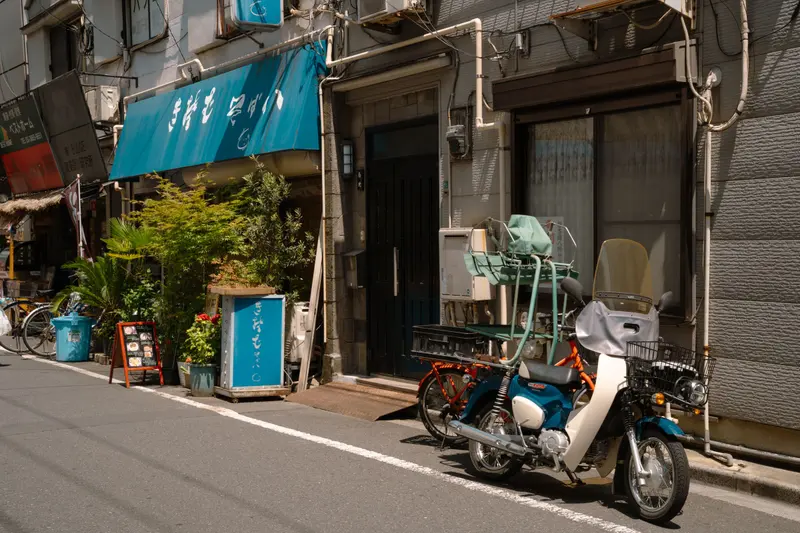
Nakajuku, once home to the post town's honjin (本陣, official inn), is now a shōtengai on the old road near Itabashi-kuyakushomae station on the Toei Mita Line.16 Dreams Cafe opened upstairs at Nakajuku 63-10 on 22 December 2008; on weekdays it serves lunch and turns into a dining bar in the evening, and at weekends it hosts live music and open-mic sessions.6 珈琲 紙風船 (Coffee Kamifūsen, "paper balloon") is at Nakajuku 40-2.
Aburakin Kaneko Kanamono-ten, a hardware shop at Itabashi 1-33-6, opened KADOCAFE as its kissashitsu (喫茶室, tearoom) in June 2020.3 The idea is kanamono (metalware) crossed with Shōwa-era kissa (喫茶, old-style coffee house) culture, and the water for its coffee and matcha is boiled in a Nanbu cast-iron kettle.3
On the same stretch of Itabashi, カフェ百日紅 (Cafe Sarusuberi, "crape myrtle") is at 1-8-7 and コンデ at 1-5-8. Further north in 3-chōme, the takeaway counter おとなりスタンド&ワークス (Otonari Stand & Works) is at 12-1, 珈琲工房 アンレーヴ at 12-4 and Cafe de CADOT at 10-2. つむぎカフェ (Tsumugi Cafe) and 喫茶アルファ (Kissa Alpha) share a block in Honchō, the old Kami-shuku.
Happy Road Ōyama runs along the old Kawagoe Kaidō under a 560 m arcade. It grew from shops on that road before the war and from a black market of more than 100 stalls around Ōyama station after it; two rival associations merged in 1977, partly to resist the widening of a road through the street, and the arcade opened in 1978.24 Its motto is 一生づきあいします, "we'll be with you for life".4
Cafés cluster in Ōyama Kanai-chō: あおい珈琲店 (Aoi Coffee) at 38-13, 茶処 PON-POKO at 38-2 and こ処ひとやすみ (Kodokoro Hitoyasumi) at 47-11. すあま商會 (Suama Shōkai), at Ōyama-chō 7-8, shares its space with a shelter for rescued cats; it serves hot sandwiches from around the world, among them a ¥680 Reuben, and offers outlets and Wi-Fi for coworking (prices as of 2026).5
Naka-Itabashi station on the Tōbu Tōjō Line began in 1926 as a summer-only stop, later serving the Itabashi Yūsen-en leisure park, and became permanent in 1933; it handled 28,625 passengers a day in fiscal 2025.7 BUDDY BUDDY, かうべる (Cowbell) and ダックス (Dax) are in Naka-Itabashi itself, and Forest and グラシア (Gracia) in neighboring Nakachō.
自家焙煎珈琲 水工社 (Suikōsha), at Naka-Itabashi 4-16 by the Nakane-bashi bridge, has roasted since November 2013, four or five beans a week on a small semi-hot-air roaster its owner modified himself.8 You can roast 150 g of green beans on a hand roaster, taste the result and take 100 g home for ¥5,000, and its dip-style coffee bags cost ¥250 (prices as of 2026).8
In Itabashi, also browse: Specialty coffee Wi-Fi Bakery cafés Laptop-friendly
The blocks of Itabashi 1- to 3-chōme and the Nakajuku shopping street along the old Nakasendō have the most. Ōyama Kanai-chō by the Happy Road Ōyama arcade comes next, then Naka-Itabashi, with a few more in Takinogawa and Kami-Jūjō.
KADOCAFE is the tearoom of Aburakin Kaneko Kanamono-ten, a hardware shop at Itabashi 1-33-6. It opened in June 2020 in a Shōwa-era kissa style and boils the water for its coffee and matcha in a Nanbu cast-iron kettle.
Suikōsha, a home roaster at Naka-Itabashi 4-16 open since 2013, runs hand-roasting sessions: you roast 150 g of green beans, taste the result and take 100 g home, for ¥5,000 as of 2026.
Free listings are free for good. A featured page gives you photos, a menu and your own URL, in your café's own design, for less than a coffee a day.