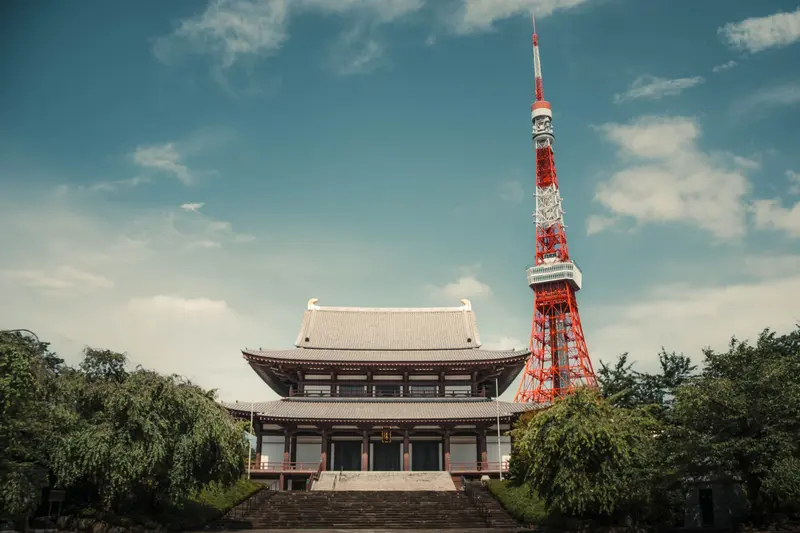
Tokyo · Kita-Senju
Cafés in Kita-Senju
Cafés in old houses off the Nikkō road, a café above a former bowling alley, an East Timor coffee specialist and riverside roasters.
Photo: Lorenzo Castellino, Pexels License
Kita-Senju (北千住) is the station district of Senju, in Adachi ward. Five railways meet at its station: JR's Jōban Line, the Hibiya and Chiyoda subway lines, the Tobu Skytree Line and the Tsukuba Express.1 The JR station opened on 25 December 1896, and in fiscal 2013 it averaged 203,428 boardings a day, the tenth-busiest JR East station.1
Senju 1-chome and 2-chome have the most cafés, ahead of Senju Asahichō on the east side of the tracks and the riverside blocks of Senju Hashidochō. The Arakawa, a flood channel finished in 1930, splits Adachi in two, and Senju is the part south of it.10
Local tip: Bring cash or PayPay to BUoY Cafe: it takes no cards, and its prices include tax.4
At a glance
48Cafés listed
2With opening hours
10:00Earliest opening
00:00Latest closing
茶館妙好
BUoY Cafe
Cindi Roast & Brew
Coffee Stand WAN
KiKi北千住
Mega Ne Coffee
Mills Coffee
sd cafe
Shanty
Takuru cafe
Tama Coffee Roaster
Toki Seven Tea Kita Senju
Tom’s cafe
アホベイス
Ahobeisu
カフェ・ド・ナリ
Cafe De Nari
クローネ
Kurōne
コーヒーワークショップ・シャンテ
Coffee Wāku Shop Shante
スロー ジェット コーヒー
Slow Jet Coffee
せんつく/sen-tsuku
たぴヤ 北千住店
ティーバランス北千住店
フィッテ
Fitte
マイウェイ
Maiwei
マメココロ
Mamekokoro
モカ
Moka
レジャード
Rejādo
わかば堂
Wakabado
一歩一歩のカフェ食堂
八重洲珈琲
八重洲珈琲 千住中居町店
利休
喫茶蔵
珈琲物語
珈琲茶香
谷中満天ドーナツ 北千住店
Nothing matches those filters here. See all cafés in Tokyo.
Coffee chains in Kita-Senju
Chain
Doutor Coffee
- ドトールコーヒーショップ, 千住三丁目 92Mon–Fri 07:30–20:30 · Sat–Sun 08:00–20:30
- ドトールコーヒーショップ, 千住旭町 42Daily 06:30–21:30
Chain
Starbucks
- スターバックス, 千住旭町 42-1Daily 07:00–23:00
- スターバックス, 千住旭町 42-2Daily 07:00–23:00
Chain
Tully's Coffee
Chain
PRONTO
Chain
Saint Marc Café
- サンマルクカフェ, 千住旭町 42-1Daily 07:00–22:00
Chain
Kohikan
Chain
Komeda's Coffee
Chain
Hoshino Coffee
Chain
Tsubakiya Coffee
Chain
Yanaka Coffee
The first post town on the Nikkō road
Senju-juku (千住宿) was the first post town out of Nihonbashi on both the Nikkō Kaidō and the Ōshū Kaidō, and one of the four Edo post towns with Shinagawa, Itabashi and Naitō-Shinjuku.2 The Senju Ōhashi bridge crossed the Sumida in 1594, the town became an official post station in 1597, and the Mito Kaidō branched off here.2 The post-station system ended in 1872.2
Goods for Edo moved through Senju: boats tied up at the Hashido wharf by the bridge, and Senju Kawarachō held the Senju vegetable market, the yatchaba (やっちゃ場), which supplied the shogunate.2 Mills Coffee and Mega Ne Coffee now sit in Senju Hashidochō, and カフェ・ド・ナリ (Cafe De Nari) in Senju Kawarachō.
Old houses in the back lanes
わかば堂 (Wakabadō), at Senju 1-chome 31-8, fills a converted house in a back lane: lunch is served in light from an open courtyard, and in the evenings antique lamps, candles and a vacuum-tube amplifier set the mood, with house-baked bread and Japanese wine.7 boquerona shares the address and opens 18:00–00:00 on weekdays, adding an 11:30–15:00 lunch at weekends.
Rojicoya (路地裏寺子屋, "back-alley temple school") occupies a 90-year-old house five minutes' walk from the station, past the shopping arcade.8 It runs a café and cultural workshops, holds a rakugo (comic storytelling) night every Tuesday, and leads walks of the old Senju-juku accompanied by live shamisen.8 Nearby, 珈琲茶香 (Coffee Chaka) and Shanty share Senju 1-chome 24-8, and 喫茶蔵 (Kissa Kura) is at 1-34-10.
BUoY: a bowling alley and a bathhouse
BUoY, at Senju Nakachō 49-11, took over a derelict building whose second floor had been a bowling alley and whose basement had been a public bathhouse.3 A crew of architects, artists, dancers, baristas and even a tax accountant rebuilt it; the basement opened in July 2017 and the full arts center, with the café upstairs, in October 2017.3 The basement is a 300 m² space for theater and dance.3
BUoY Cafe calls itself a café run as an experiment in "wavering". Coffee of the day costs ¥600, café au lait ¥700, and cream soda in blue, red or green ¥750 (as of 2026), with a hot sandwich, pudding and a daily cake.4 Artists take over its walls in rotating Artist in Café shows.4
Roasters, a museum tea house and a maker space
Lush Coffee Roaster & Laboratory calls itself Japan's first shop specializing in East Timor coffee, and its owner holds both the Q Arabica and Q Robusta grader licenses; Japan has about 350 and 20 holders of each.6 It bakes too and has Wi-Fi. Cindi Roast & Brew at Senju 2-chome 20-7 and Tama Coffee Roaster in Senju Tatsutachō also roast specialty coffee.
By the river, the hexagonal tea house 茶館妙好 (Myōkō) stands next to the Sekido Museum at Senju Hashidochō 23. Yūaikai, an Adachi disability organization, runs it as a place for training and social participation, with coffee at ¥300 and a cake set at ¥700, and bread from a local workshop on Wednesdays.5 せんつく (sen-tsuku), at Senju Kotobukichō 14-7, is a community space on the theme of making, with a shared kitchen and a workshop lab.9
Sources
- Kita-Senju Station, Wikipedia, accessed November 2026
- 千住宿, Wikipedia (Japanese), accessed November 2026
- About BUoY, BUoY, accessed November 2026
- BUoY Café, BUoY, accessed November 2026
- 茶館「妙好」, Sekido Museum of Art, accessed November 2026
- 日本初の東ティモール専門コーヒーショップ, Lush Coffee, accessed November 2026
- カフェわかば堂|北千住, Café Wakabadō, accessed November 2026
- 路地裏寺子屋 rojicoya, Rojicoya, accessed November 2026
- せんつく / sen-tsuku 北千住の複合コミュニティスペース, sen-tsuku, accessed November 2026
- 千住, Wikipedia (Japanese), accessed November 2026
Keep exploring
More of Tokyo
Shimokitazawa
152 cafésNakameguro & Daikanyama
163 cafésEbisu
106 cafés
Harajuku & Omotesandō
342 cafés
Shibuya
359 cafés
Shinjuku
359 cafésTakadanobaba & Waseda
93 cafésIkebukuro
193 cafésItabashi
40 cafésNerima & Egota
148 cafésSugamo & Ōtsuka
121 cafésKagurazaka & Iidabashi
108 cafésYotsuya & Kōjimachi
62 cafés
Ginza & Yūrakuchō
237 cafésShinbashi & Toranomon
90 cafés
Nihonbashi & Tokyo Station
300 cafés
Kanda & Jimbōchō
276 cafés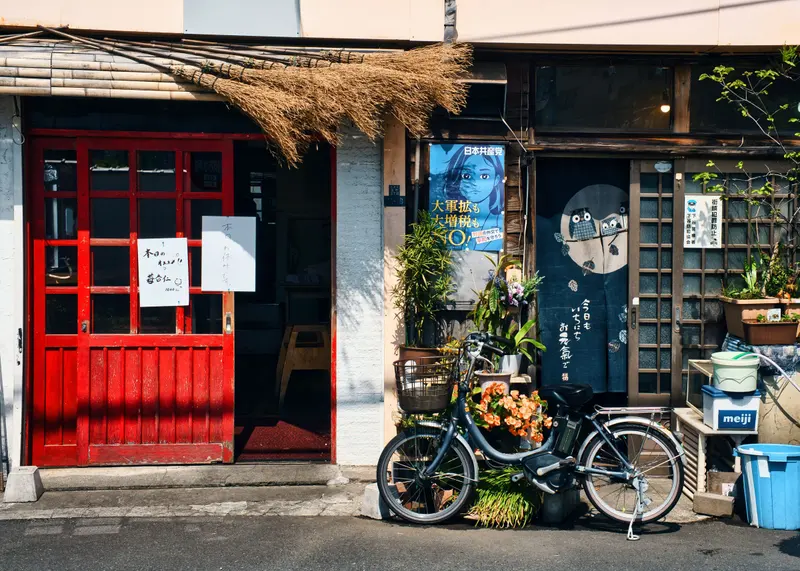
Ueno & Yanaka
325 cafés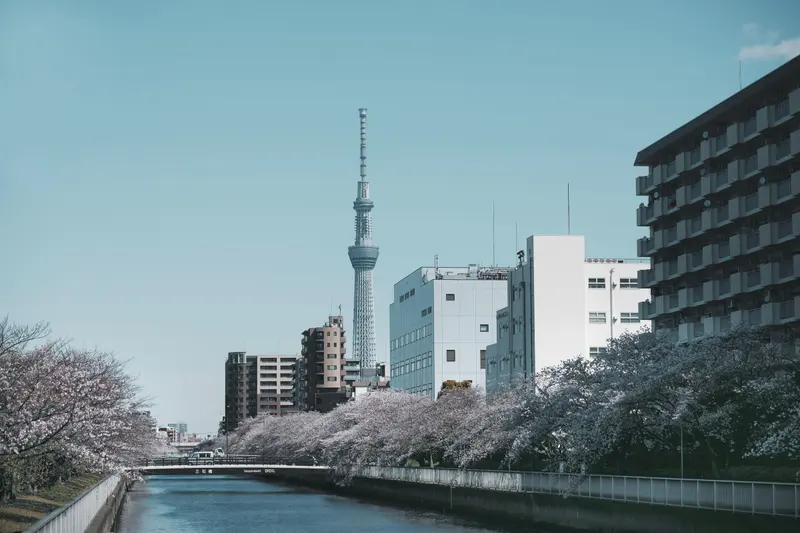
Kiyosumi-Shirakawa
106 cafésOshiage & Ryōgoku
211 cafés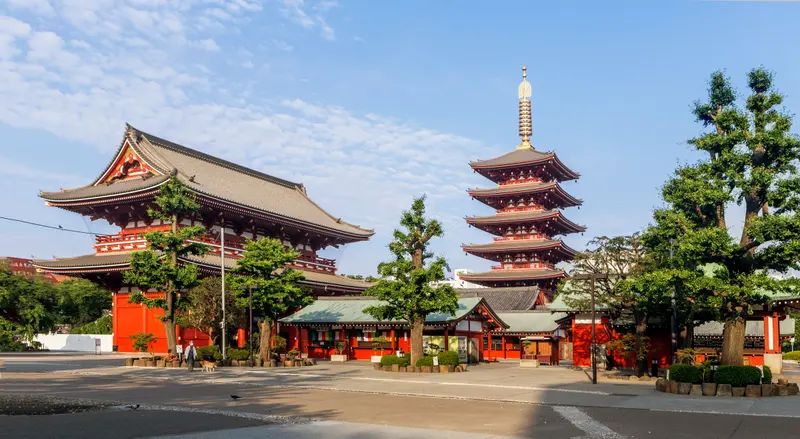
Asakusa & Kuramae
286 cafésOdaiba & Toyosu
77 cafésAkasaka
85 cafésRoppongi & Azabu
128 cafésShinagawa & Gotanda
173 cafésSangenjaya
139 cafésGōtokuji & Kyōdō
138 cafésFutako-Tamagawa
51 cafésJiyūgaoka & Gakugei-daigaku
295 cafésKōenji & Nakano
340 cafésIn Kita-Senju, also browse: Specialty coffee Open late Wi-Fi Bakery cafés Brunch
FAQ
Kita-Senju cafés: questions
Which parts of Kita-Senju, Tokyo have the most cafés?
Senju 1-chome and 2-chome have the most, including Wakabadō and Kissa Kura in 1-chome and Cindi Roast & Brew in 2-chome. Senju Asahichō on the east side and the riverside Senju Hashidochō, with Mills Coffee and Mega Ne Coffee, come next.
Which train lines stop at Kita-Senju station in Tokyo?
Kita-Senju station is served by five railways: the JR Jōban Line, the Tokyo Metro Hibiya and Chiyoda lines, the Tobu Skytree Line and the Tsukuba Express. The JR station opened in 1896 and is one of the busiest on JR East.
Where can you have coffee in an old house in Kita-Senju, Tokyo?
Wakabadō, at Senju 1-chome 31-8, is in a converted house with a courtyard and serves house-baked bread. Rojicoya, five minutes from the station, is in a 90-year-old house and holds rakugo nights on Tuesdays and shamisen walks of the old post town.
For café owners
Own a café in Kita-Senju?
Free listings are free for good. A featured page gives you photos, a menu and your own URL, in your café's own design, for less than a coffee a day.